Last updated October 16, 2026

Free written scope consultation - allowances, timeline, and change-order rules on paper before a single trade is scheduled
DIY vs Professional Construction: The Pasadena Homeowner’s Decision Guide
In California, a homeowner who pulls their own permit as an owner-builder is legally certifying they won’t sell the home for one year, a rule most DIYers discover only when they’re in escrow. That single regulation reshapes the entire DIY-versus-pro conversation for Pasadena homeowners. This guide draws the line between projects that are genuinely safe to tackle yourself and projects where doing it yourself creates title, insurance, and resale problems that outlast the renovation by years. For more guides & resources on navigating home improvement decisions, explore our blog.
Styles & brands we work with

Quick Answer
The DIY-vs-pro decision in Pasadena isn’t about whether you can do the work. It’s about whether the project triggers California permit law, structural liability, or insurance exclusions that make self-performing a legal and financial risk. Cosmetic, non-structural, permit-free work is DIY territory. Anything involving plumbing, electrical, structural framing, or load-bearing walls belongs with a licensed General Contractor in Pasadena.
Table of Contents
- The California Owner-Builder Law and the One-Year Resale Rule
- The Three-Factor DIY Framework: Permit, Structure, Insurance
- DIY-Safe Projects for Pasadena Homeowners
- Projects Where DIY Creates Title and Insurance Problems
- The Real Cost Comparison: DIY Hours vs a Fixed-Price Bid
- The Hybrid Approach: Licensed Pull, Your Finish Work
- Pasadena-Specific Code, Climate, and Market Factors
- Common Mistakes to Avoid
- When to Call a Professional
- Frequently Asked Questions
- The Bottom Line
The California Owner-Builder Law and the One-Year Resale Rule
Section 7044 of the California Business and Professions Code defines who can act as a contractor. Homeowners are exempt from contractor licensing requirements only when they personally perform the work on their own primary residence and occupy it after completion. That sounds generous until you read the fine print: pulling a permit as an owner-builder means you are legally declaring you will live in the home for at least 12 months after the final inspection.
The practical consequence hits at resale. If you complete a permitted remodel as an owner-builder and then sell within one year, you’ve violated the terms under which the permit was issued. The buyer’s lender can flag the permit history, the title company can require documentation you don’t have, and in some cases the sale stalls while you sort out the discrepancy. We’ve seen Pasadena homeowners in escrow discover this rule for the first time when the title report surfaced their owner-builder permit from nine months prior.
Which projects trigger owner-builder status? Any project requiring a building permit where you are the one pulling that permit. Pasadena’s Building and Safety Division issues permits for structural changes, electrical panel work, plumbing rough-ins, window replacements that alter openings, roof replacements, and any wall relocation. Painting, flooring, cabinet replacement, and fixture swaps in their existing rough-ins generally do not require permits, which means they don’t activate owner-builder status at all.
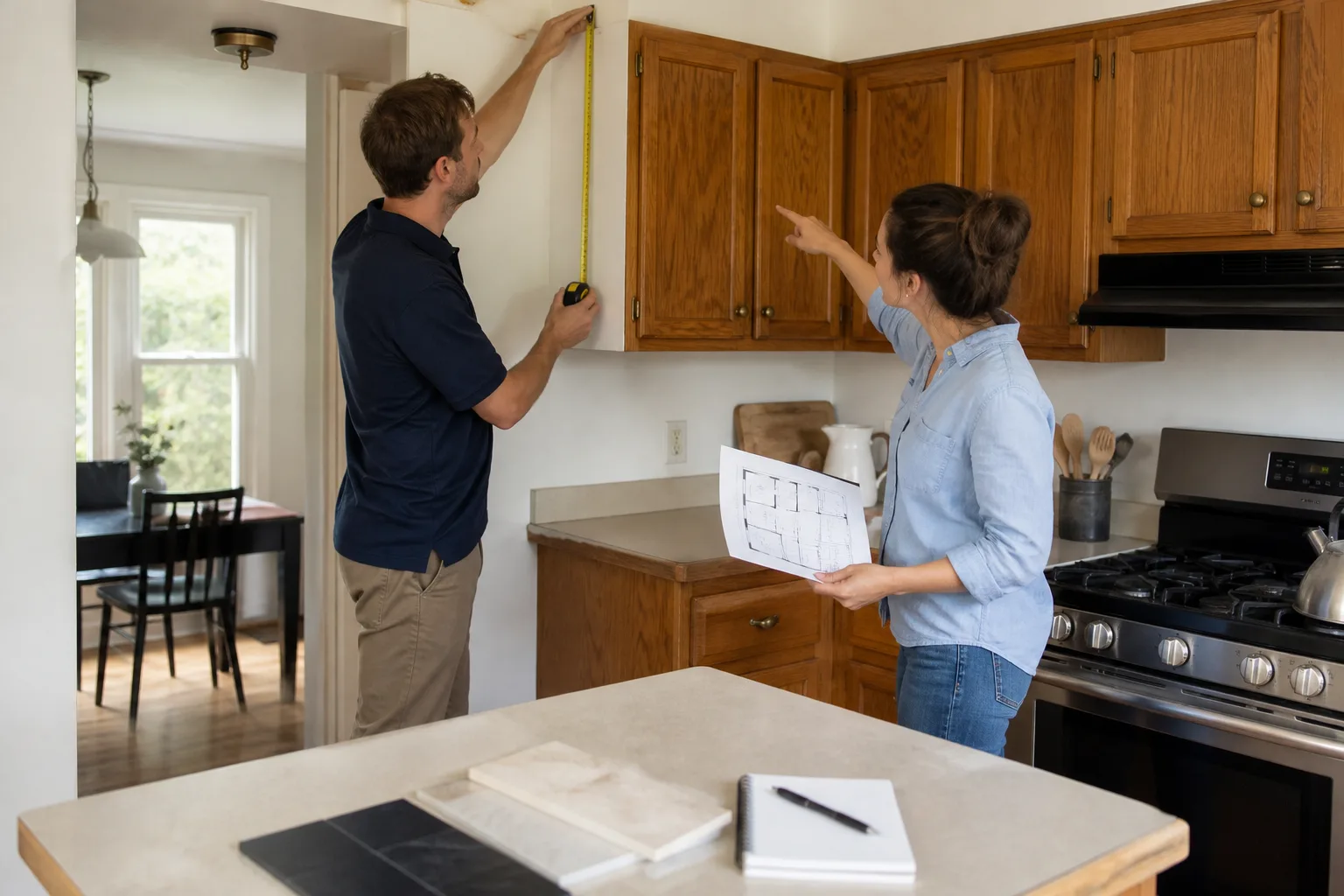
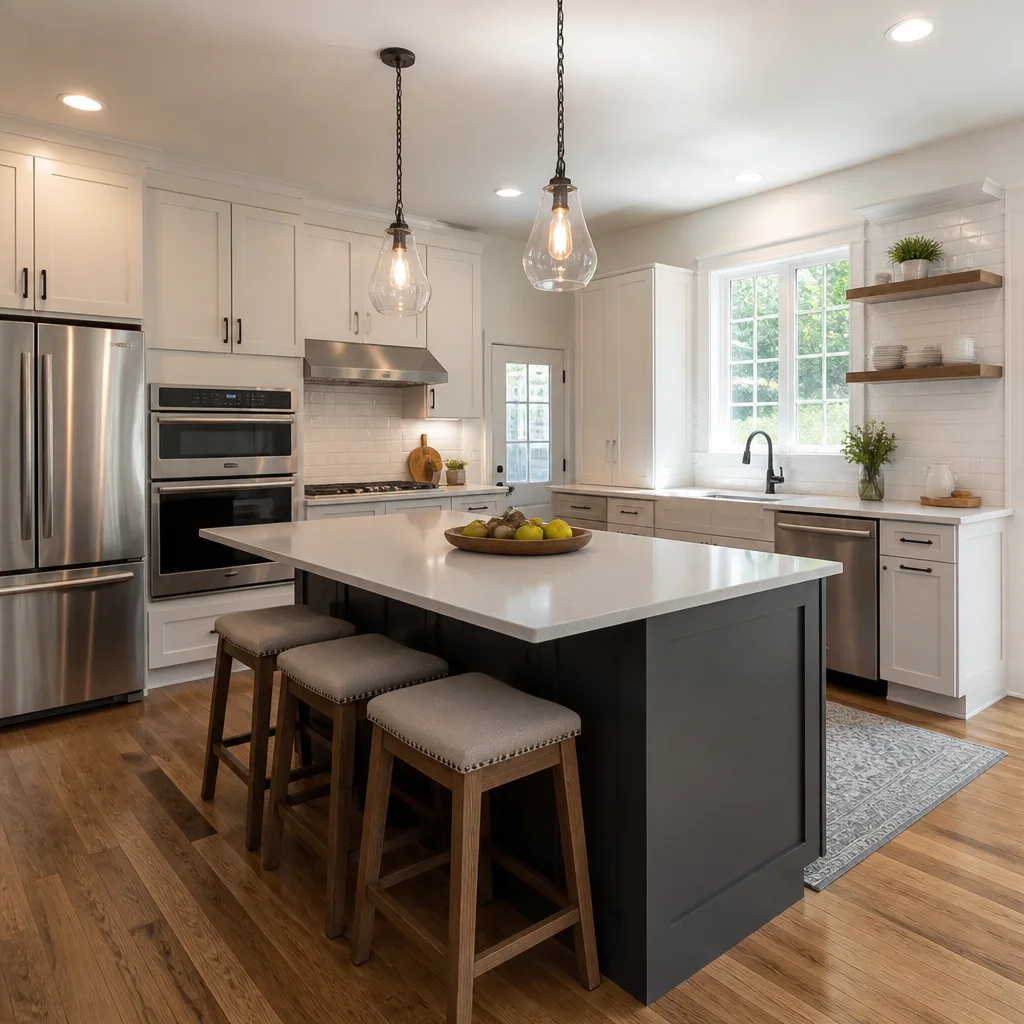
The distinction matters more than most homeowners realize. A kitchen refresh where you replace cabinet doors, countertops, and flooring without touching plumbing or electrical is permit-free and DIY-safe. The same kitchen where you move the sink, reroute a gas line, or open a wall is a different legal project entirely. Knowing which side of the line your project falls on is the first decision you make, and it determines everything downstream.
The Three-Factor DIY Framework: Permit, Structure, Insurance
Forget the question “can I physically do this?” That’s the wrong starting point. Most Pasadena homeowners who own a house are capable of learning how to do many tasks with enough YouTube time. The right question is a three-part screen:
- Does it require a permit in Pasadena? If yes, you’re choosing between pulling it as an owner-builder (with the one-year resale restriction) or hiring a licensed contractor who pulls it under their own license. There is no third option.
- Does it alter or depend on structural elements? Load-bearing walls, foundation work, seismic retrofitting, roof framing, and anything that holds weight falls into professional territory. The risk of a mistake isn’t a crooked tile. It’s a compromised house.
- Does your homeowner’s insurance policy cover DIY work on this system? Most policies exclude damage caused by unpermitted work. If you flood your kitchen because a DIY plumbing connection failed, and the work wasn’t permitted, your insurer can deny the claim and leave you with the full repair cost.
Run every project through those three screens before you buy materials. If the answer to any of the three is a warning sign, the project belongs in the professional column or in a hybrid arrangement (covered later in this guide). The framework keeps you honest about risk rather than optimistic about your abilities.
DIY-Safe Projects for Pasadena Homeowners
There’s a substantial list of projects where DIY is genuinely the right call. These projects share three characteristics: no permit required, no structural interaction, and no insurance-visible system touched. You can save real money here, and the work is reversible enough that a mistake doesn’t haunt you.
Paint and Drywall Patching
Interior painting is the classic DIY win. The materials are inexpensive, the skill curve is gentle, and the worst outcome is a repaint. Pasadena’s older housing stock means you’ll often be painting over lathe-and-plaster or decades of previous coats. Spend your effort on surface prep rather than paint brand. A gallon of quality primer and a full day of sanding, cleaning, and taping will produce better results than premium paint over a poorly prepared wall.
Flooring: Floating and Click-Lock Systems
Luxury vinyl plank and engineered click-lock flooring are designed for DIY installation. They float over the subfloor, tolerate minor subfloor imperfection, and require no specialized tools beyond a utility knife and a tapping block. If you’re replacing carpet with LVP in a bedroom or living room, you’re looking at a weekend project that saves install labor costs. The exception is tile. Tile setting, especially in wet areas, is skilled work where layout errors and waterproofing mistakes compound fast.
Cabinet Hardware, Faucet Swaps, and Light Fixture Replacements
Replacing cabinet pulls, swapping a faucet in an existing sink rough-in, and hanging a new light fixture in an existing electrical box are all safe DIY projects. They don’t require permits in Pasadena, don’t touch structure, and don’t modify the underlying systems. The faucet swap is a perfect example: you’re bolting a new device onto an existing water supply and drain that were installed correctly by someone else. The risk is a drip you’ll notice immediately, not a hidden failure.
Landscaping and Exterior Cleanup
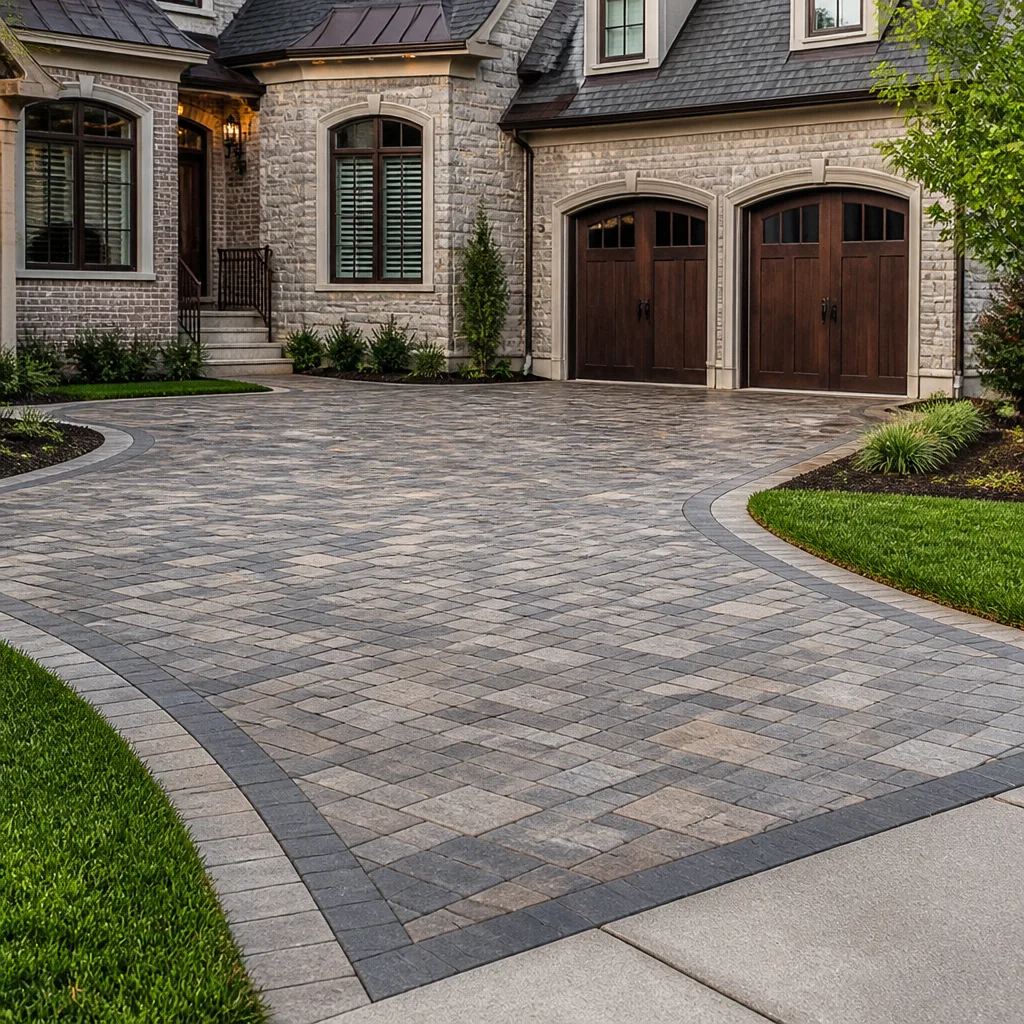
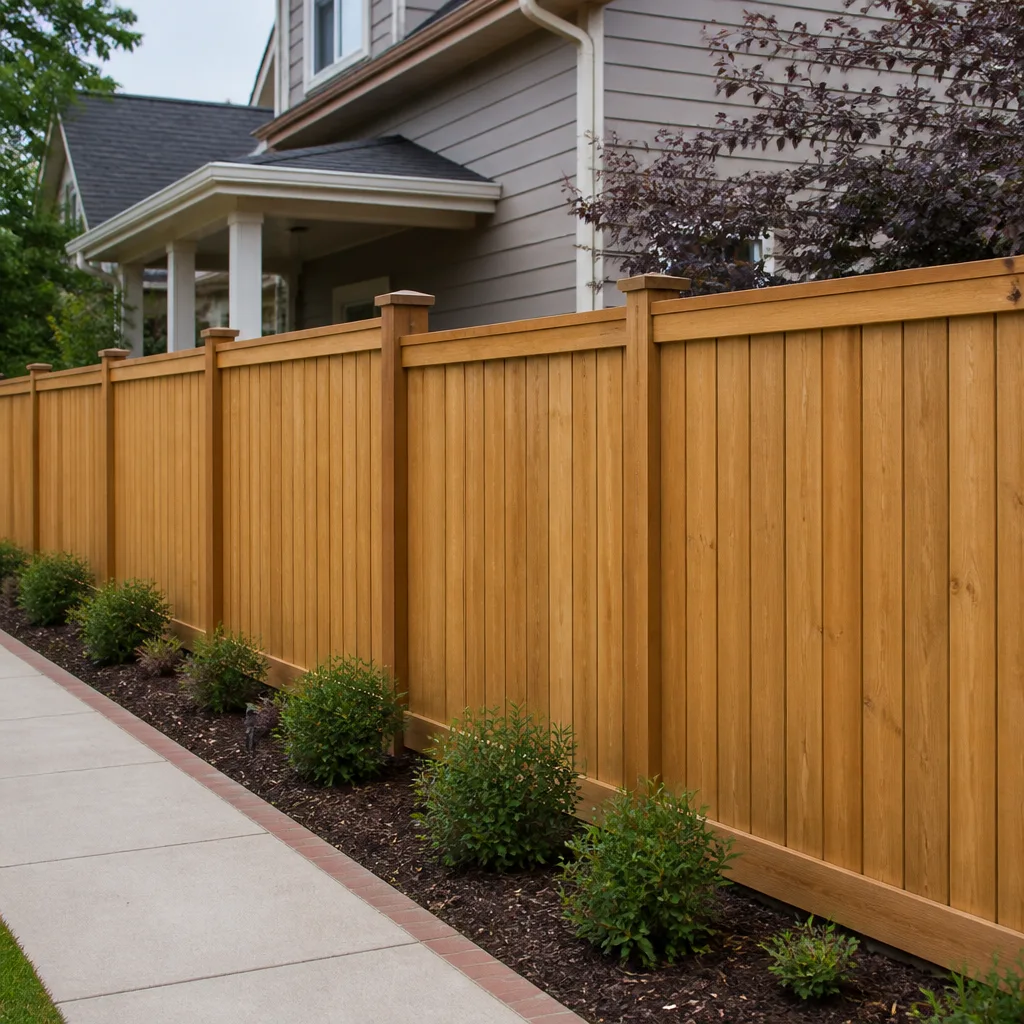
Pasadena’s Mediterranean climate means outdoor work is viable most of the year. Mulching, planting, paver patios on sand, and fence staining are all DIY-appropriate. The one outdoor caution: retaining walls. In Pasadena, any retaining wall over 3 feet typically requires a permit and engineering. A stacked stone wall under that height is DIY territory. Over that height, it’s a professional project with structural implications.
Projects Where DIY Creates Title and Insurance Problems
This is where the guide gets blunt. Some projects are sold by home improvement stores as DIY-friendly, but in Pasadena’s regulatory and real estate environment, DIY creates liabilities that cost more than the money you saved.
Electrical Panel Replacement or Circuit Addition
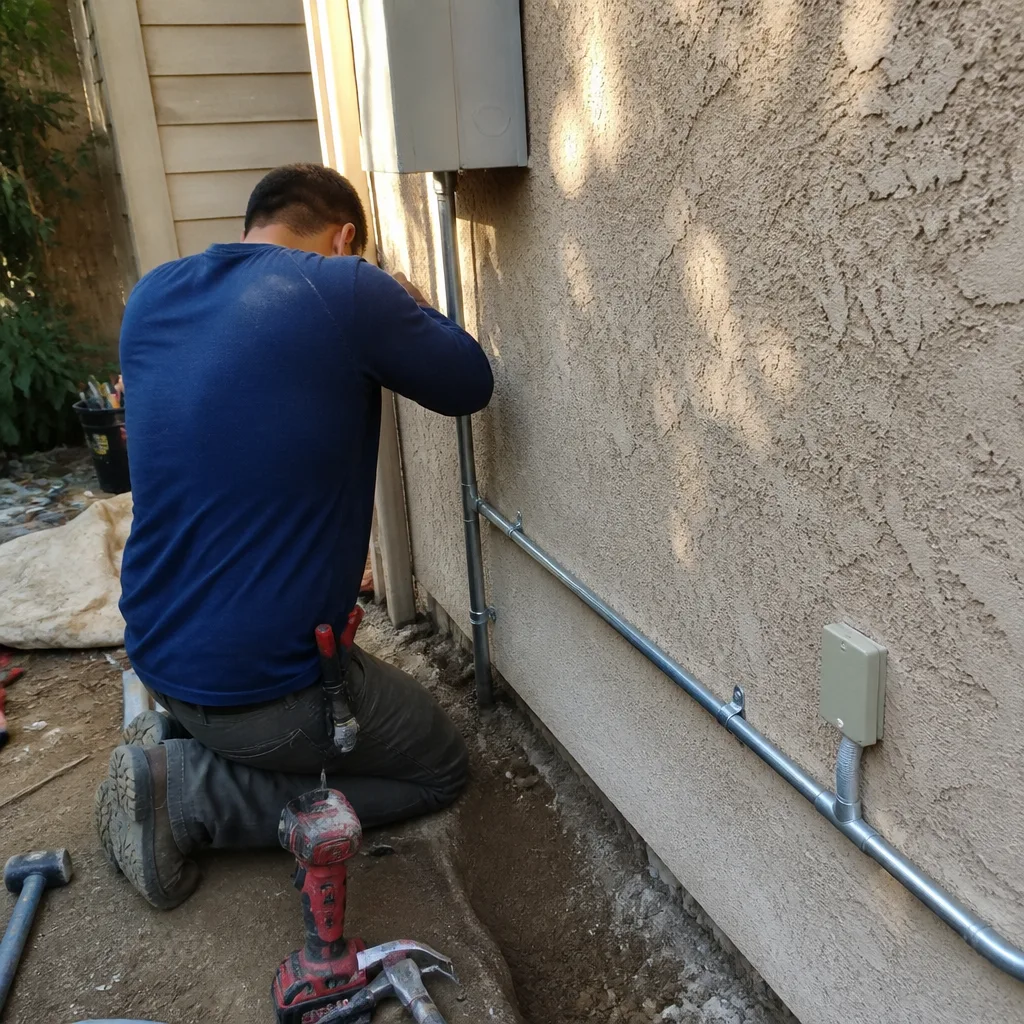
Pasadena’s building department, like most in Southern California, requires a permit for any panel work or new circuit installation. If you perform this work yourself and don’t pull a permit, you’re not just violating code. You’re creating an unpermitted electrical condition that must be disclosed when you sell. Buyers’ inspectors flag unpermitted panel work, lenders sometimes refuse to fund until it’s corrected, and your insurance carrier can deny a fire claim related to the electrical system. If you pull the permit as an owner-builder to do it legally, you just accepted the one-year resale restriction. This project belongs with a licensed electrical contractor, period.
Wall Removal or Relocation
Load-bearing walls are the obvious danger, but even non-load-bearing walls in Pasadena report to the permit counter if they contain plumbing, HVAC ducting, or electrical runs. What looks like a simple wall removal is often a systems relocation project disguised as demolition. Structural mistakes here don’t show up immediately. They show up as sagging ceilings, cracked drywall, or a failed inspection when you try to sell. A Home Renovation in Pasadena project that includes wall changes needs engineering review and permitted construction.
Bathroom Remodels That Move Plumbing
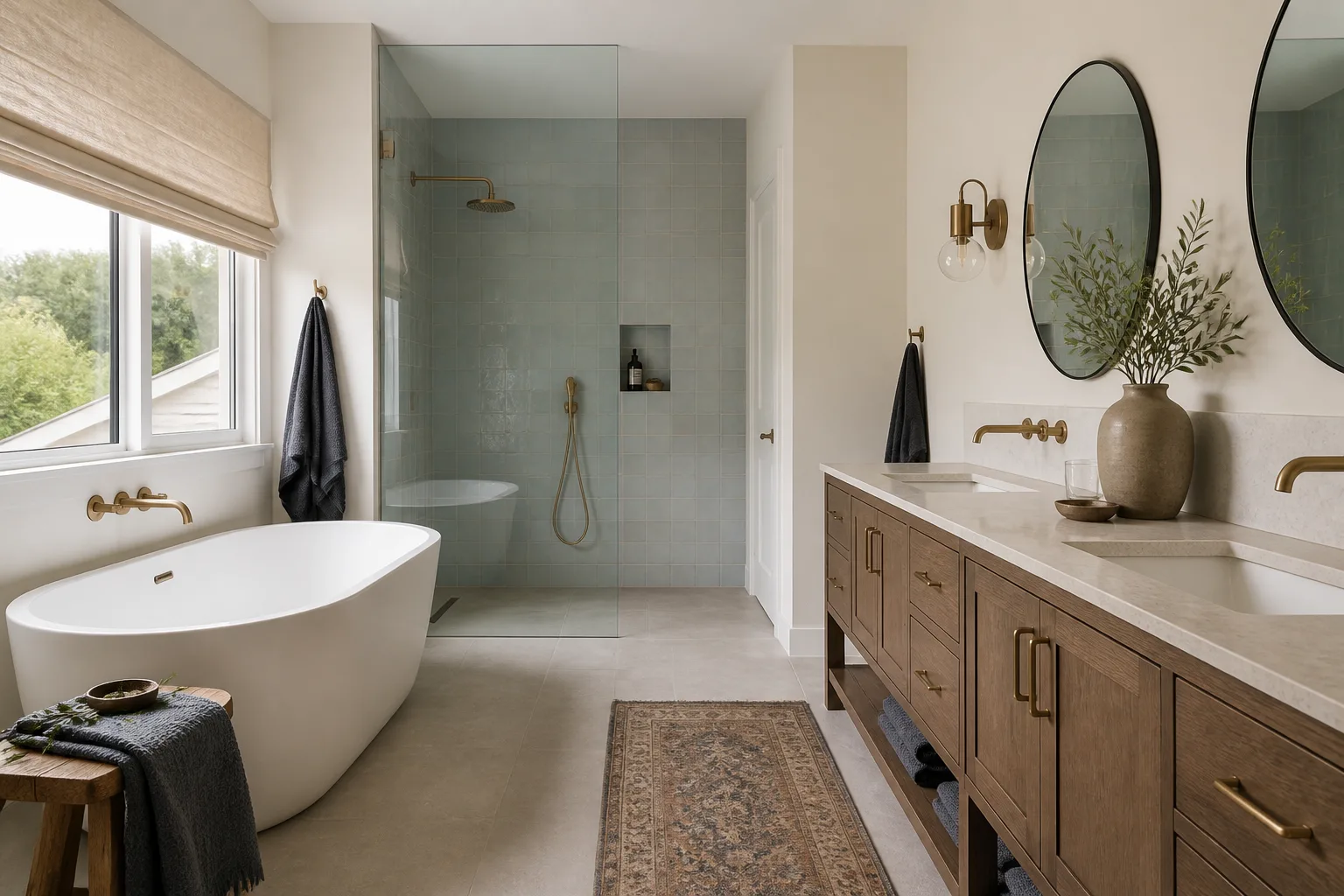
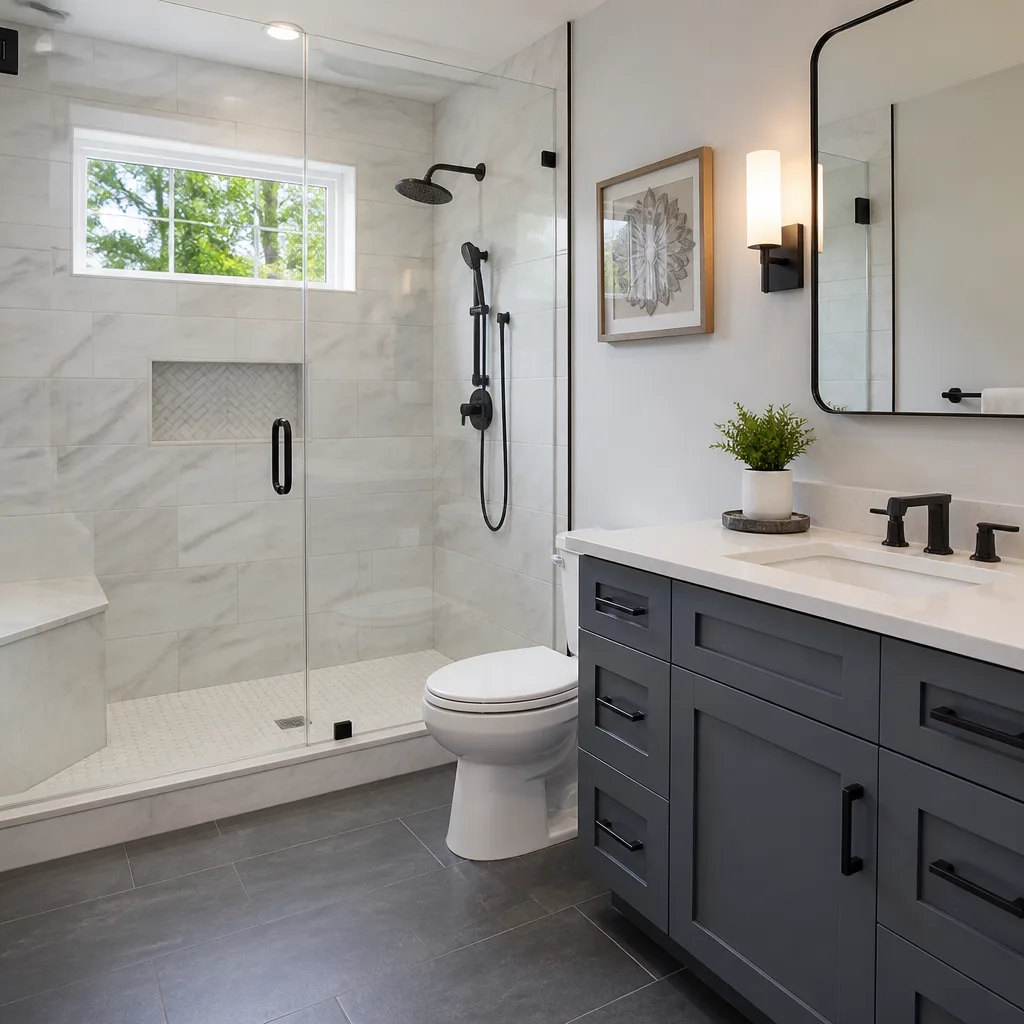
This is one of the most common DIY underestimations. A bathroom remodel that keeps the toilet, sink, and shower in their existing locations and swaps finishes is a different project than one that moves them. Moving plumbing means opening walls, rerouting drain lines (which are gravity-dependent and slope-sensitive), and sometimes cutting into the slab or subfloor. It requires a permit. It requires inspection. If a DIY drain line leaks inside a wall, the water damage often runs thousands of dollars before you notice it. This is the core territory of Bathroom Remodeling in Pasadena, and for good reason: the failure modes are hidden, slow, and expensive.
Roof Replacement or Repair
Pasadena’s hot summers and occasional Santa Ana-driven wind events take a toll on roofing. A roof replacement is a permitted project requiring inspection. A DIY roof that fails inspection or, worse, leaks after the fact creates insurance problems. Your homeowner’s policy expects the roof to be installed by licensed professionals or at minimum inspected and approved. A roof failure attributed to DIY installation is grounds for claim denial. Brands like GAF and James Hardie back their products through certified installers, not weekend projects.
The Real Cost Comparison: DIY Hours vs a Fixed-Price Bid
Most DIY cost calculations are dishonest in one direction: they only count materials. A real cost comparison includes your time at a real hourly value, the material waste a first-timer generates, tool purchases or rentals, and the cost of correcting mistakes.
How to Calculate Your DIY Cost Honestly
- Materials at retail price. You’ll pay more per unit than a contractor who buys at volume pricing. Budget retail and accept the premium.
- Your labor at your real hourly rate. If your time is worth $40 an hour, and the project takes you 60 hours, that’s $2,400 of your time. If you’re taking time off work, use your actual wage. The figure isn’t abstract; it’s what you’re trading away.
- Waste factor. First-time tile setters waste 15 to 25% of material through cutting errors and layout mistakes. Professionals waste 5 to 10%. Add that delta to your material line.
- Tool cost amortized over one project. A tile saw, a demolition hammer, a drywall lift: if you’re buying tools you’ll use once, the cost belongs entirely to this project.
- Mistake correction. Budget 10 to 20% of the total for redoing something. Not because you’re careless, but because first-time work includes a learning curve. The question isn’t whether you’ll make mistakes. It’s how much they’ll cost to fix.
Example: A Small Bathroom Refresh in Pasadena
Let’s price a modest bathroom update: replace vanity, faucet, toilet, light fixture, and repaint. Keep all plumbing and electrical in place. No permit required. Materials at retail: $1,800 to $2,400 for a mid-range vanity, toilet, faucet, fixture, paint, and supplies. Your labor: realistically 25 to 40 hours over two weekends. At $35 an hour, that’s $875 to $1,400. Tools: caulk gun, wrenches, level, paint supplies: $100 to $200 if you own nothing. Total DIY cost: $2,775 to $4,000 plus your weekends.
A professional fixed-price bid for the same scope in Pasadena typically lands around $3,500 to $5,500 including materials. The DIY savings exist, but they’re measured in hundreds of dollars, not thousands, when you account for your time honestly. For many homeowners, the delta is worth paying for a written price, a warranty, and two fewer weekends of work.
The Hybrid Approach: Licensed Pull, Your Finish Work
Here’s the arrangement most Pasadena homeowners don’t know exists: you can hire a licensed contractor for the permit, rough-in, and structural work, then perform the finish work yourself under their supervision. This captures the legal protection of a licensed pull without paying for labor you can handle.
How the Hybrid Works in Practice
- Scope the split. Identify which parts of the project require a permit and which are straightforward finish tasks. Plumbing rough-in: contractor. Painting: you. Electrical new circuits: contractor. Cabinet install: you, if you’re comfortable with alignment and leveling.
- Agree on it before the work starts. The contractor’s written price covers their portion. Your labor covers yours. Nothing ambiguous about who does what or what the invoice says.
- Have the contractor pull the permit. This is the key legal protection. The permit is under their license, not under owner-builder status. The one-year resale rule doesn’t apply to you because you didn’t pull the permit as an owner-builder.
- Sequence the work properly. The contractor does rough-in, passes the inspection, and then you start your finish scope. Trying to work in parallel creates conflicts over dust, access, and who touched what last.
Not every contractor will take a hybrid project. It requires more coordination than a turnkey job, and some crews won’t want the hassle of a homeowner operating in the same space. But it’s a legitimate arrangement when it’s discussed upfront. At Sawyer Remodel Pasadena home, the written-price model works well for hybrids because both parties know exactly what the contractor’s scope covers and what it doesn’t.
Pasadena-Specific Code, Climate, and Market Factors
Pasadena has local conditions that change the DIY calculation compared to neighboring cities.
Older Housing Stock and Lathe-and-Plaster Walls
A large share of Pasadena’s single-family homes date to the 1920s through 1950s. That means lathe-and-plaster walls in many homes, which behave differently than modern drywall when you’re cutting, patching, or hanging anything substantial. The plaster is thicker, harder, and more brittle. Cutting into it dulls blades fast, and the dust is heavier. If you’re planning any project that opens walls, factor in plaster-specific tooling and a slower pace.
Seismic Retrofitting Laws
Pasadena enforces seismic retrofit requirements for many older buildings. If your project touches the foundation, cripple walls, or the connection between the first floor and the foundation, you’re in retrofit territory. This is engineering work with inspection requirements, not a DIY project. The soft-story retrofit ordinance applies to certain multi-family structures, but even single-family homes with raised foundations benefit from professional assessment before any foundation-adjacent work.
Window Replacement and Title 24
California’s Title 24 energy standards apply to window replacements in Pasadena. A window swap that changes the opening size triggers a permit and energy compliance review. Even same-size replacements must meet current energy code in most cases. Products from brands like ES Windows, which are manufactured for California’s climate standards, are typically installed by professionals who document compliance for inspection. A DIY window install that doesn’t meet Title 24 can fail at resale inspection.
Pasadena’s Permitting Process
The City of Pasadena’s permit process is functional but not fast. Plan review for remodeling projects typically takes two to four weeks for standard scopes, longer if revisions are requested. If your DIY project requires a permit and you pull it as an owner-builder, you’re responsible for every clarification and correction the plan checker requests. Contractors carry the experience of anticipating those questions before submittal, which shortens the review cycle.
Resale Dynamics in Pasadena’s Market
Pasadena’s real estate market is competitive and educated. Buyers in this market bring inspectors who look for unpermitted work, and title companies flag owner-builder permit history on reports. A homeowner who did unpermitted electrical work in a 1940s bungalow is selling a liability. Disclosures are mandatory in California. You can’t omit unpermitted work from the sales process. Either you disclose it and accept a lower offer, or you remediate it before listing. Both options cost more than doing the work properly the first time.
Common Mistakes to Avoid
- Pulling an owner-builder permit without knowing the one-year rule. Most Pasadena homeowners who hit this obstacle discover it at the worst possible moment: in escrow, with a buyer waiting and a title company asking questions. Before you pull any permit as an owner-builder, read Section 7044 and talk to a title officer.
- Assuming unpermitted work “won’t matter” because you plan to stay. Plans change. Job relocations, family changes, and life happen. Unpermitted work has no expiration date. The liability stays with the house until it’s corrected or disclosed.
- Trusting insurance to cover DIY-related damage. Most homeowner’s policies exclude damage stemming from unpermitted work. If a DIY toilet supply line floods your house and the insurance adjuster discovers the work was unpermitted, you may be holding the full repair cost.
- Comparing contractor bids to material-only DIY costs. The honest comparison prices your time, your waste, your tools, and your mistake correction. Material-only math makes DIY look 60% cheaper than it actually is.
- Starting demolition before you understand what’s inside the wall. In Pasadena’s older homes, walls often conceal plumbing, knob-and-tube wiring, or structural elements that weren’t documented on any plan. Opening a wall without knowing what’s in it is how small projects become emergencies.
- Not confirming whether a contractor will work on a hybrid basis before signing an agreement. Some crews only do turnkey work. If you want to do finish work yourself, that conversation happens at the estimate stage, not after the contractor has already priced the full scope.
When to Call a Professional
Call a professional when your project touches any of the following: structural elements, plumbing rough-in, electrical circuits or panels, gas lines, HVAC ducting, roof framing or covering, any wall removal, or any work requiring a permit in Pasadena. These are not skill-level decisions. They are legal, structural, and insurance decisions where a mistake doesn’t just cost money, it follows the property through every future sale and claim. Sawyer Remodel Pasadena offers free estimates in Pasadena, call (626) 657-5396 to get a written price before you commit to any direction, including a hybrid scope split.
Frequently Asked Questions
A permitted bathroom remodel in Pasadena typically ranges from $18,000 to $45,000 depending on scope, with material choices pushing the number higher for premium selections like Cambria surfaces or Kohler fixtures. A cosmetic refresh that keeps all plumbing in place lands at the lower end. For an exact price on your specific project, call (626) 657-5396, estimates are free and written.
Yes, you can pull your own permit as an owner-builder in Pasadena, but doing so certifies under California law that you will occupy the home for at least one year after completion and will not sell during that period. If you sell within 12 months, you’ve violated the permit conditions. This rule applies to any project requiring a building permit where you are the permit holder.
Painting, flooring installation that doesn’t alter structure, cabinet replacement, faucet and fixture swaps in existing rough-ins, light fixture replacement in existing boxes, and most landscaping and fence work under 3 feet don’t require permits in Pasadena. If you’re not altering electrical, plumbing, structure, or the building envelope, the project is likely permit-free.
Unpermitted work must be disclosed when you sell in California, and that disclosure typically reduces the offer or triggers buyer requests for remediation. Pasadena buyers bring inspectors who look specifically for unpermitted electrical, plumbing, and structural work. Some lenders won’t fund a purchase until unpermitted systems are corrected and re-inspected.
Yes, the hybrid approach works when it’s scoped upfront: the contractor pulls the permit, performs rough-in and structural work, and you handle finish tasks like painting, trim, or cabinet installation. This arrangement captures the legal protection of a licensed permit pull while saving you the labor cost on work you can genuinely handle. Discuss it at the estimate stage, not after the contract is written.
Most homeowner’s insurance policies exclude damage caused by unpermitted work. If a DIY plumbing connection fails and floods your home, and the work wasn’t permitted, the claim can be denied. If the work was permitted and passed inspection, DIY-related damage is more likely to be covered. The permit isn’t just a legal formality, it’s part of your insurance protection. For any project in Pasadena where you’re weighing DIY against hiring out, call (626) 657-5396 for a free consultation and a written price on the professional option.
The Bottom Line
The DIY-versus-pro decision in Pasadena comes down to three questions: Does it require a permit? Does it touch structure? Does it expose you to insurance risk? If the answer to any of those is yes, you’re not deciding between saving money and spending it. You’re deciding between a liability that follows your property and a professionally warranted, inspected, and documented installation. Cosmetic and surface work remains genuinely DIY-appropriate. Everything else deserves a conversation with a licensed professional before you open a single wall.
Written by Luca Romano, Owner at Sawyer Remodel Pasadena, serving Pasadena since 2005.
See the difference
 Before
 After
After Before
 After
After Before
 After
After