Last updated October 16, 2026







Free written scope consultation - allowances, timeline, and change-order rules on paper before a single trade is scheduled
Seasonal Construction Care for Pasadena: Year-Round Homeowner’s Guide
The six weeks between late September and early November are the highest-risk window for exterior damage on Pasadena homes. Santa Ana winds don’t just knock over patio furniture. They dry out caulk seals until they crack, push leaves and grit into drainage planes behind siding, and stress rooflines in ways you won’t see until the first winter rain finds every gap. This guide walks through the four maintenance windows Pasadena actually has, the failure points each one targets, and the exact steps to take before damage becomes a five-figure repair. For more detail, see our Complete Guide to Construction in Pasadena.
Styles & brands we work with






Quick Answer
Seasonal home maintenance in Pasadena runs on four cycles: Santa Ana wind prep from late September through November, a winter rain window from December through March, escalating summer heat load from June through September, and fire-season defensible space work in the dry months. The single most important action is sealing and inspecting exteriors before October winds arrive, because the damage they cause doesn’t show up until rain exposes it.
Table of Contents
- Santa Ana Season: The Six Weeks That Decide Your Exterior
- Winter Rain Window: Where Water Intrudes in Older Pasadena Homes
- Summer Heat Load: What It Does to Pasadena Roofs, Paint, and Ventilation
- Fire Season: Defensible Space Rules for Pasadena Foothill Properties
- Month-by-Month Maintenance Map for Pasadena
- Five Inspection Points Most Homeowners Skip
- Common Mistakes to Avoid
- When to Call a Professional
- Frequently Asked Questions
- The Bottom Line
Santa Ana Season: The Six Weeks That Decide Your Exterior
Santa Ana winds in Pasadena typically run from late September through early November, with peak gusts between 40 and 70 mph in foothill neighborhoods like Hastings Ranch, San Rafael Hills, and areas along the 210 corridor. These winds are dry, sometimes single-digit humidity, and they hit the north side of your home hardest. The damage pattern is consistent: caulk joints around windows and doors lose elasticity after years of UV exposure, and the sustained wind pulls them apart. Once that seal breaks, dust and fine grit get driven into the gap, which then acts as an abrasive every time the house moves.
What most homeowners miss is that Santa Ana damage is invisible for weeks. The seal fails in October, and then the first real rain in December or January finds the opening and water tracks inside the wall assembly. By the time you see a stain on the ceiling, the moisture has been working on framing and insulation for a month.
We’ve walked through this on hundreds of home renovation projects in Pasadena, and the same failure points show up year after year. Here’s what to check in the September window, before winds peak:
- Caulk and sealant beads around window frames, door frames, and any exterior penetration such as hose bibs, electrical conduits, or dryer vents. Press on the bead with your thumb. If it flexes and springs back, it’s still sealed. If it’s hard, cracked, or pulls away from the surface, it’s done. New caulk goes in before the winds, not after.
- Roof edge and fascia connections. Santa Ana gusts create uplift at roof eaves. Walk the perimeter (from the ground if the roof is steep) and look for lifted shingle edges, missing fasteners, or fascia boards separating from rafter tails. Chimney chase flashing on older Pasadena homes is a common weak point.
- Drainage planes and weep holes. Brick veneer, stucco, and fiber cement siding all rely on weep holes at the bottom of the wall to let moisture escape. Debris pushed into those holes by wind means water has nowhere to go when rain comes. Clear them with a small brush or compressed air.
- Attic and eave screens. Wind-blown embers are a fire concern (more on that later), but leaves and pine needles in vent screens also reduce airflow. When attic ventilation drops, moisture builds up inside the roof assembly, which leads to mold and premature decking rot.
- Anything mounted to the house. Gutters, downspout straps, satellite dishes, security cameras, and exterior light fixtures all vibrate in sustained wind. Over six weeks of Santa Ana gusts, that vibration loosens fasteners to the point where a strong gust turns a fixture into a projectile.
Do this inspection in September, make the repairs by mid-October, and you’ve closed the most expensive failure window Pasadena throws at your house. The materials cost for caulk, a few fasteners, and an hour of time. The alternative is finding out in January that every gap in your exterior has been funneling water into the walls for two months.
Winter Rain Window: Where Water Intrudes in Older Pasadena Homes
Pasadena’s rain season runs from December through March, with most of the annual total falling in four or five significant storm events. The city averages around 19 to 20 inches per year, which doesn’t sound like much until you remember it comes fast, in bursts. The ground is often saturated from the first big storm, and everything after that runs off fast. Older homes built before modern waterproofing standards face a different set of problems than new construction, and understanding construction permits, codes & inspections in CA helps clarify why.
Pasadena has significant concentrations of Spanish Colonial Revival, Craftsman bungalow, and California ranch homes built between 1910 and 1960. These homes share specific water intrusion patterns that modern builds don’t deal with:
- Stucco over wood lath. Pre-1950s stucco was often applied directly over wood lath without a drainage plane or water-resistant barrier. Water that gets behind the stucco sits against wood. Look for hairline cracks in stucco walls, especially below window sills and at horizontal trim lines. Even a crack smaller than a credit card edge lets water through.
- Unflashed window sills. Original Craftsman windows often lack metal flashing over trim. Water hits the sill, migrates into the joint between sill and window casing, and ends up in the wall. Check for bubbling paint under window sills after rain.
- Flat roofs and parapets. Spanish style homes often have flat or low-slope roof sections with scuppers or drain boxes. Parapet caps (the metal or stucco cap running along the top of the low wall at the roof edge) crack with heat and age. Water enters at the cap, travels down through the wall, and exits somewhere you can see: a stain on the ceiling below the roofline, usually several feet away from the actual opening.
- Raised foundations with open crawlspace vents. Many older Pasadena homes sit on raised foundations. During heavy rain, water pools against the stem wall and finds its way under the sill plate if grading has settled over the years. Check for dampness in the crawlspace within 48 hours after a heavy rain. Look at the soil mix: if it’s dark and compacted near the foundation line, water is pooling there.
If you have one of these older homes, post-rain inspection matters more than pre-rain. We’ve seen homeowners spend three years chasing a leak that showed up as a stain in a bedroom ceiling only during El Niño years, when the house was built in 1928 and the roof was original. The challenge is that water travels along framing before it shows up anywhere visible. The stain you see is rarely where the water entered.
The practical move after any stretch of three or more consecutive rain days: walk the interior perimeter of every room looking for new discoloration, check the attic floor for damp insulation, and shine a flashlight along the base of exterior stucco walls for water lines. If you find a damp spot, mark the location with painter’s tape and check it again after the next storm. The movement pattern tells you where the water is coming from.
Summer Heat Load: What It Does to Pasadena Roofs, Paint, and Ventilation
Pasadena summers run hot, consistently pushing into the 90s and touching triple digits multiple times per year, especially from July through September. The heat load on a home is cumulative. It’s not about any single hot day; it’s about the slow expansion and contraction of roofing materials, paint film, and wood framing over years of daily temperature swings. Some parts of your house move 40 degrees between the overnight low and the peak afternoon surface temperature.
Roof systems take the worst of it. Asphalt shingle roofs in Pasadena regularly reach 140 to 160 degrees on a 95-degree day. That heat accelerates the outgassing of asphalt oils from the shingle mat, which is why shingles in our climate become brittle and lose granules faster than the manufacturer’s warranty would suggest. You can see it in the gutters: heavy granule deposits after a few hot summers, especially on south-facing and west-facing roof planes. If you’re replacing a roof in Pasadena, a general contractor in Pasadena who knows the local heat profile will recommend materials that hold up better under UV load. GAF shingles with their Advanced Protection formulation, for example, are engineered to resist granule loss and algae growth better than standard mats, which matters when your roof bakes for 100 days a year.
Attic ventilation is the second heat-load issue. Most Pasadena homes built before the 1970s were designed with passive attic ventilation: soffit vents at the bottom and either box vents or a ridge vent at the top. If the soffit vents were painted over during an exterior repaint (common), or are blocked by insulation that was blown in later (very common), the attic stops breathing. Attic temperatures climb past 150 degrees, which bakes the roofing deck from below and strains any HVAC ductwork running through the attic. Pasadena attics with R-19 insulation and poor venting can hit 160 degrees in August.
Exterior paint and siding also show heat damage in ways specific to this climate. The south and west faces of Pasadena homes fade and chalk faster than the north and east faces. Darker paint colors absorb more solar energy and climb higher in surface temperature, which accelerates aging. If you’re planning exterior paint, lighter colors last longer here. For siding, James Hardie fiber cement handles Pasadena’s UV load well because it doesn’t expand and contract with heat the way vinyl does, which is why it’s a common sight on newer homes and exterior renovations in the foothill neighborhoods.
Fire Season: Defensible Space Rules for Pasadena Foothill Properties
Pasadena sits at the base of the San Gabriel Mountains, and the foothill neighborhoods north of the 210 freeway, along with areas like Linda Vista and Annandale, border wildland fuel. Fire season in Southern California now runs effectively year-round, but the highest danger window aligns with Santa Ana season in the fall, when humidity drops and winds push flames downhill.
Defensible space is regulated by the Pasadena Fire Department and follows a two-zone system based on California state law. Zone 0, the immediate five feet around your home, is the highest priority. The goal in Zone 0 is a home exterior where an ember has nothing to ignite. That means no ornamental plants, no wood mulch, no stacked firewood, and no combustible trellises or fencing within five feet of any structure.
Zone 1 extends from five feet to 30 feet from the house. The goal in Zone 1 is to interrupt the path of a ground fire and reduce ember sources. It includes spacing shrubs so crowns don’t touch, removing dead vegetation, keeping tree branches at least ten feet away from the roofline and any chimney opening, and replacing combustible landscape materials near the house with non-combustible options like decomposed granite or low-fire-risk plantings.
For the structure itself, the priorities are:
- Eave and attic vent screening. Embers get into attics through open vents more often than any other entry point. Proper screens have openings no larger than 1/4 inch. If your vents are unscreened or screen openings are larger, embers can and will enter during a wind-driven fire.
- Roof material. Class A fire-rated roofing is the standard in wildland-adjacent Pasadena. That means either asphalt composition shingles rated Class A (which virtually all GAF and CertainTeed shingles are), or tile and metal roofs. If you don’t know your roof’s fire rating, check with the original installer or have a roof inspection.
- Gutters. Dry leaves and pine needles in gutters are ember traps. During Santa Ana season, accumulated gutter debris is the single most common ignition point we see on Pasadena homes in the foothill zones. Clean gutters before the fall winds, and consider gutter guards if you can’t maintain them regularly.
The intersection with exterior construction comes when you’re choosing materials. A deck that’s being rebuilt should use fire-resistant decking over combustible framing. An exterior remodel should avoid exposed fiber cement board raw edges and should use Class A rated materials throughout. If you have a home renovation planned in a foothill neighborhood, the material choices you make now determine how well the home holds up if a fire moves through.
Month-by-Month Maintenance Map for Pasadena
This is the calendar we follow for remodeling work in Pasadena, but the inspection rhythm works for any homeowner who wants to stay ahead of the climate. Pasadena doesn’t get a freeze-thaw cycle, so pipes and foundations don’t need the winterization you’d see in Chicago. What it does get is dry wind, concentrated rain, and a long heat season. The calendar reflects that.
September
Walk the exterior with a checklist: caulk, weep holes, roof edge, vent screens, gutters. Clean the gutters. Clear Zone 0 and Zone 1 defensible space around the house. Trim tree branches at least ten feet from the roofline. This is the single most important month on the calendar. If you only do one inspection all year, make it the September walkthrough.
October
First Santa Ana events usually arrive. After each sustained wind event, walk the perimeter and check the same failure points from September. Look for things that moved: satellite dishes, antennas, loose downspouts, lifted shingles. Check roof-mounted vents for dents or displacement. October is when you find out whether your September caulking and sealing actually held.
November
Santa Ana season peaks and then winds down. Do one more roof check from the ground. Check attic vents and crawlspace vents for wind-pushed debris. Inspect chimney flashing, especially if you plan to use a fireplace. In Pasadena’s older homes, chimney movement during wind storms is common, and cracked mortar joints let both water and fire embers in.
December
First significant rain typically falls. Clear any debris from gutters and downspouts after leaf drop. Check that downspout extensions carry water at least five feet from the foundation. Walk the interior perimeter after the first heavy rain and look for water intrusion. Check crawlspaces. In a wet winter, this is also when you’ll spot drainage problems and low spots in the yard that hold water against the stem wall.
January
Peak rain month. If December was light, January is when the ground saturates and water issues emerge. Check for wet insulation in the attic, new interior water stains, and pool runoff issues. Make note of any leaks. Older Pasadena roofs often fail in January because wind damage from October and November finally meets soaked conditions from January rain.
February
Post-rain repairs happen now if you caught damage in December or January. Schedule the contractor before spring demand spikes. Many Pasadena homeowners wait until April and end up competing with everyone else who discovered a leak this winter. Check our Construction Cost Breakdown: The Pasadena Homeowner’s Reference for 2026 to budget ahead. February and early March are the best months to book remodeling work if you want to beat the spring rush and get roofing and exterior repairs done before summer heat makes exterior work harder.
March
End of the rain window. Do a full exterior assessment: stucco cracks, paint condition, wood rot at trim and sills, grade settlement along the foundation. This is the right time to repair caulk (mild temps, stable conditions), touch up paint, and replace any damaged vents or screens while the weather is still mild. Sealing issues you found in September that didn’t get repaired will now have had a full winter of rain behind them.
April
Spring growth in Pasadena is aggressive. Clear it back from the house. Ivy and climbing plants on stucco and siding trap moisture and provide pest access. Check irrigation systems and adjust spray heads that are hitting the side of the house. That’s a common source of chronic water damage in Pasadena: a sprinkler head that has been watering the same section of stucco for four years.
May
Start the fire-season prep. Defensible space work should be complete before summer heat and especially before the fall Santa Ana window. Clean gutters again. This is also a good time for attic ventilation work if you found issues during last summer’s heat season. Get it done before the peak temperatures hit.
June
Check the HVAC system. Pasadena summer heat puts heavy load on air conditioning. Clean or replace filters monthly during peak cooling season. Check that the outdoor condenser unit is clear of vegetation and has at least two feet of clearance on all sides. Consider an attic temperature check: if the attic hits 150 degrees by mid-June, improving ventilation will pay off for the rest of the summer.
July
Peak heat. Monitor interior rooms on the south and west sides of the house. If they’re consistently 5 to 7 degrees warmer than the rest of the house, that’s a sign of failed window seals, thin wall insulation, or both. July is also when you’ll see the first signs of heat stress on asphalt shingles, including curling edges and granule loss visible in gutters.
August
Last month of peak heat, and typically when Pasadena sees its hottest stretches. Do the September inspection work early if temperatures allow. Final gutter cleaning before Santa Ana season. Clear any plant growth that has crept back into Zone 0 and Zone 1. Check the roof once more for heat damage and see if anything has shifted.
What follows is the inspection I wish every Pasadena homeowner did twice a year: once in September and once in March. For more guides & resources, visit our blog. Each takes about 30 to 45 minutes. Together they catch the majority of issues that become expensive repairs.
Five Inspection Points Most Homeowners Skip
The first three are what a contractor looks at first. The last two are what a contractor looks at last, after the client has gone back inside. All five matter.
1. Weep holes and drainage plane openings
Every exterior wall system has drainage openings at the bottom. In stucco, they’re small metal or plastic inserts. In brick veneer, they’re open vertical joints with no mortar. In fiber cement siding, they’re gaps behind the bottom course. In wood siding, they’re the natural drainage of the wall system. If these are clogged with dirt, insulation, paint, or pest debris, moisture that enters the wall system cannot leave. This is the single most overlooked issue in Pasadena homes we’ve renovated over the years. The fix is simple: use a small brush or a pipe cleaner to clear each opening, and don’t fill them with caulk. Homeowners sometimes fill weep holes intentionally because they think they’re defects. They’re not. They’re the exit path for the moisture that will always get into a wall system.
2. Crawlspace ventilation and moisture
Most Pasadena homes have raised foundations with crawlspaces. That crawlspace should have enough ventilation to keep the relative humidity below 60 percent under normal conditions. Blocked vents, failing vapor barriers, or standing water under the house change that. High crawlspace humidity means mold, wood rot, and an environment where termites and other pests thrive. After any heavy rain, look under the house. If the soil is wet against the stem wall, water is pooling there. Fix the grade first, then the drainage.
3. Attic insulation and ventilation balance
Inspection point number three doesn’t need a tool. In the middle of a hot summer day, put your hand against the ceiling of the upstairs rooms. If it’s noticeably warm, the attic is hot and there’s not enough insulation between you and it. Attic insulation in Pasadena homes is frequently below current code minimum. R-30 to R-38 is the target for most of the region. If there’s R-19 (common in older homes), you’re losing conditioned air into the attic in summer and the attic is pushing heat into the house. Same test in winter: if the ceiling feels cold when the heat is running, same problem, reversed direction.
4. Grade and drainage around the foundation
This is the one homeowners skip because the ground “hasn’t changed.” It has. Pasadena’s clay-rich soils expand and contract with moisture. Over a decade, the soil builds up against the stem wall in some places and sinks away in others. If soil is less than six inches below the top of the foundation, water can enter. If the ground slopes toward the house in any part of the drip line, water is being directed at your foundation on every rain event. Fixing grade takes an afternoon and a few yards of soil, but it prevents foundation damage that costs thousands.
5. Paint condition as a moisture barrier
Paint is not just cosmetic. On a stucco or wood exterior in Pasadena, the paint film is your first line of defense against the wet season. When paint chalks and cracks, especially on the south and west faces, the substrate below begins to absorb moisture. In wood that means rot. In stucco it means the stucco matrix itself begins to degrade. Touch up cracked or peeling spots within the paint season. You’re not repainting for aesthetics; you’re maintaining the water resistance of the building envelope.
Common Mistakes to Avoid
- Skipping September and waiting for visible damage. By the time water damage is visible inside the house, the failure happened months earlier. Pasadena’s Santa Ana season is when the seal breaks. The rainy season is when the bill arrives. Don’t wait for the bill.
- Filling weep holes with caulk or mortar. Weep holes are drainage openings, not defects. If you fill them, you’ve just trapped moisture inside the wall. If water is getting in through weep holes, the problem is the wall system, not the hole.
- Buying gutters and downspouts without checking the local rainfall pattern. Pasadena’s rain comes in bursts. A gutter system that works on a steady drizzle may overflow in a one-inch-per-hour downpour. Size gutters for the peak event, not the annual average.
- Ignoring attic temperature because “it’s just an attic.” Forgotten attic ventilation is one of the most expensive mistakes. When the attic runs hot, shingles age faster from underneath, ducts work harder, and insulation degrades. A hot attic is never “just an attic.”
- Planting water-loving landscape within five feet of the house. That area is Zone 0 for fire defensible space, and it’s also the splash zone for irrigation. Plants that need frequent watering create chronic moisture issues against the foundation. Keep the immediate perimeter dry and fire-resistant.
- Missing the February repair window. If you find rain damage in January, book the repair in February or early March. Pasadena contractors are busiest in April and May when everyone else discovers the same problem. February work is cheaper and more flexible.
When to Call a Professional
Some maintenance tasks are DIY-friendly, and some are not. Call a professional when you see any of the following: water stains on the ceiling that recur after rain, a sagging roofline or visible separation at the fascia, cracks in stucco wider than about 1/8 inch or any crack that’s growing from year to year, a crawlspace with standing water or saturated soil against the stem wall, or signs of structural movement such as doors that no longer latch or drywall cracks that reopen after repair.
What you shouldn’t try to do yourself: work on steep or tile roofs, especially during heat season when roofing materials get slick or brittle. The same goes for re-flashing a chimney or repairing parapet caps, which involves working at height with heavy materials. Those are tasks for a trained crew. Sawyer Remodel Pasadena offers free estimates in Pasadena, and our team walks the property with you before any work is priced. Call (626) 657-5396 to schedule a walkthrough.
Frequently Asked Questions
For a typical 1,500 to 2,500-square-foot Pasadena home, a basic seasonal maintenance package (gutter cleaning, caulking, vent clearing, and a visual exterior inspection) runs from $300 to $800 per year if you handle it in small pieces. Attic insulation and ventilation upgrades typically cost between $2,500 and $6,500 depending on the square footage and existing conditions. Exterior repainting for stucco homes in Pasadena runs $6,000 to $14,000. The largest variable is whether the maintenance catches a problem early or a problem catches you late. Call (626) 657-5396 for a specific quote on your home, we give written prices before any work starts.
Inspect before Santa Ana season begins in late September, then again after the first few sustained wind events in October. The pre-season inspection lets you repair caulk, fasten loose trim, and clean gutters before winds stress everything. The post-wind inspection catches what moved or broke. If you only do one, do the one in September.
Many Pasadena homes benefit from gutter guards, especially those in the foothill neighborhoods north of the 210 with significant tree cover. The dry Santa Ana season fills gutters with leaves and pine needles that become fire ember traps and then, once the rain arrives, clogs that overflow and direct water against the foundation. Gutter guards aren’t maintenance-free, but they reduce the frequency of cleaning from twice a month during leaf drop to once or twice a year.
Zone 0 is the five feet immediately surrounding your Pasadena home, measured from the exterior walls, decks, and attached structures. The rule is simple: nothing combustible in that zone. No ornamental plants, no wood mulch, no firewood stacks, no combustible fencing or trellising, and no patio furniture left against the house during fire weather. The goal is to deny embers a place to start a fire on your property.
Plan on resealing every three to five years, depending on the sun exposure. South and west-facing windows in Pasadena experience more UV load and thermal cycling than north and east-facing ones, so their sealant degrades faster. If the caulk bead is hard, cracked, or pulling away from the surface, it’s time. The best months to reseal in Pasadena are March and October, when temperatures are moderate enough for caulk to cure properly.
In most cases, yes. Roof replacements and exterior work don’t require you to move out, though the job does create noise and dust during working hours. For larger Sawyer Remodel Pasadena home renovation projects that touch kitchens or bathrooms, we always work with you to keep the home livable and make sure you know exactly what’s happening on any given day. Live arrival times, photo updates, and written pricing are standard on every project we run.
The Bottom Line
Pasadena’s maintenance calendar runs on four cycles: Santa Ana wind prep, winter rain defense, summer heat management, and year-round fire readiness. The September walkthrough is the most valuable hour you’ll spend on your home all year. Clear the gutters, check the caulk, confirm the attic vents are open, and keep Zone 0 clear. If something looks wrong, get a professional opinion before the problem compounds. Pasadena homes are built to handle this climate when they’re maintained; the expensive repairs come from the months of neglect that happen before the visible damage shows up.
Written by Luca Romano, Owner at Sawyer Remodel Pasadena, serving Pasadena since 2005.
See the difference
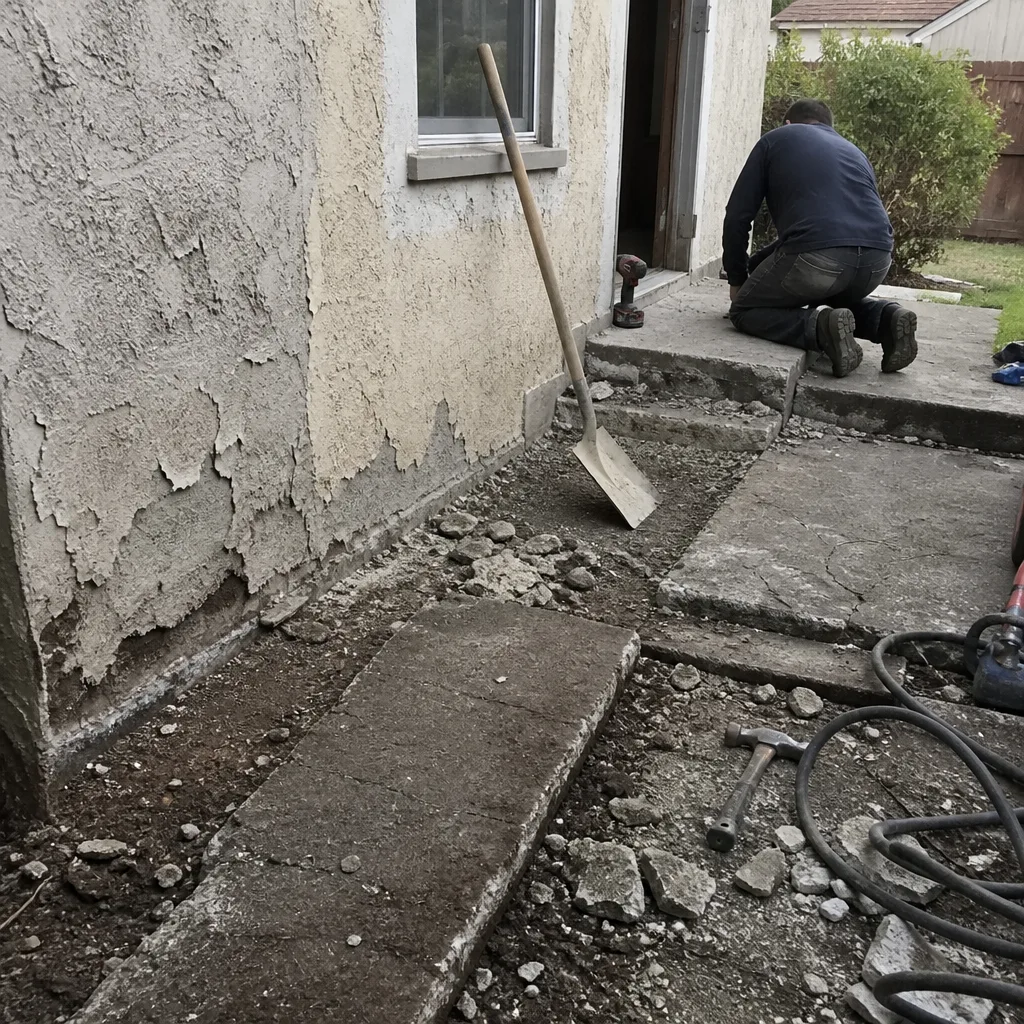 Before
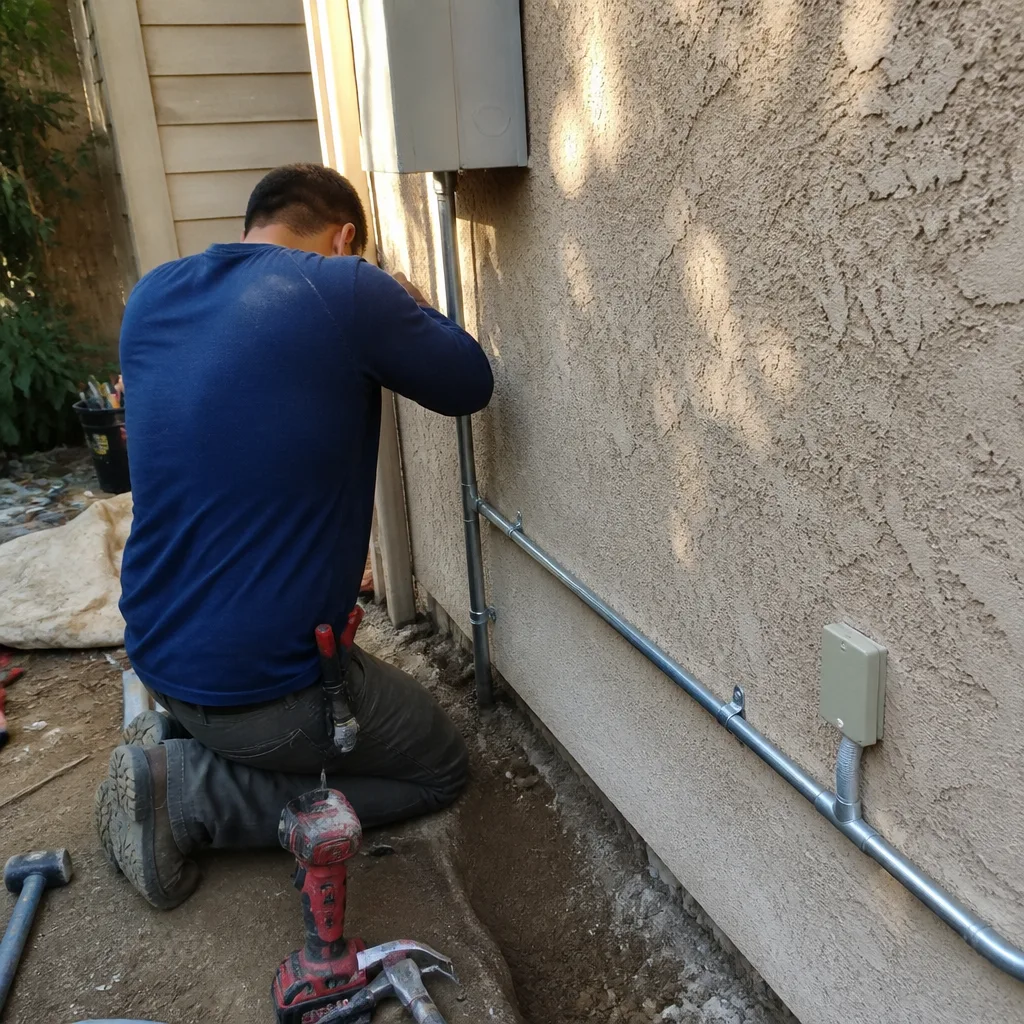 After
After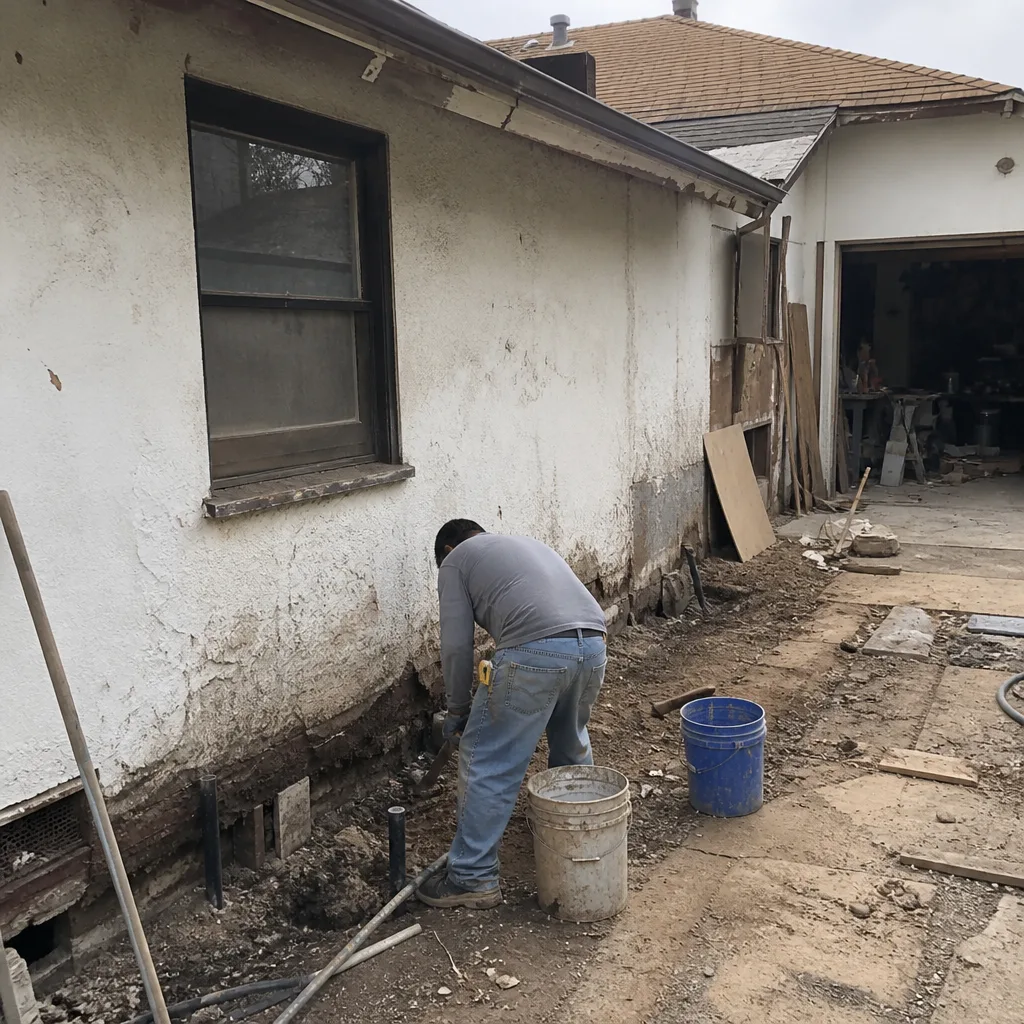 Before
 After
After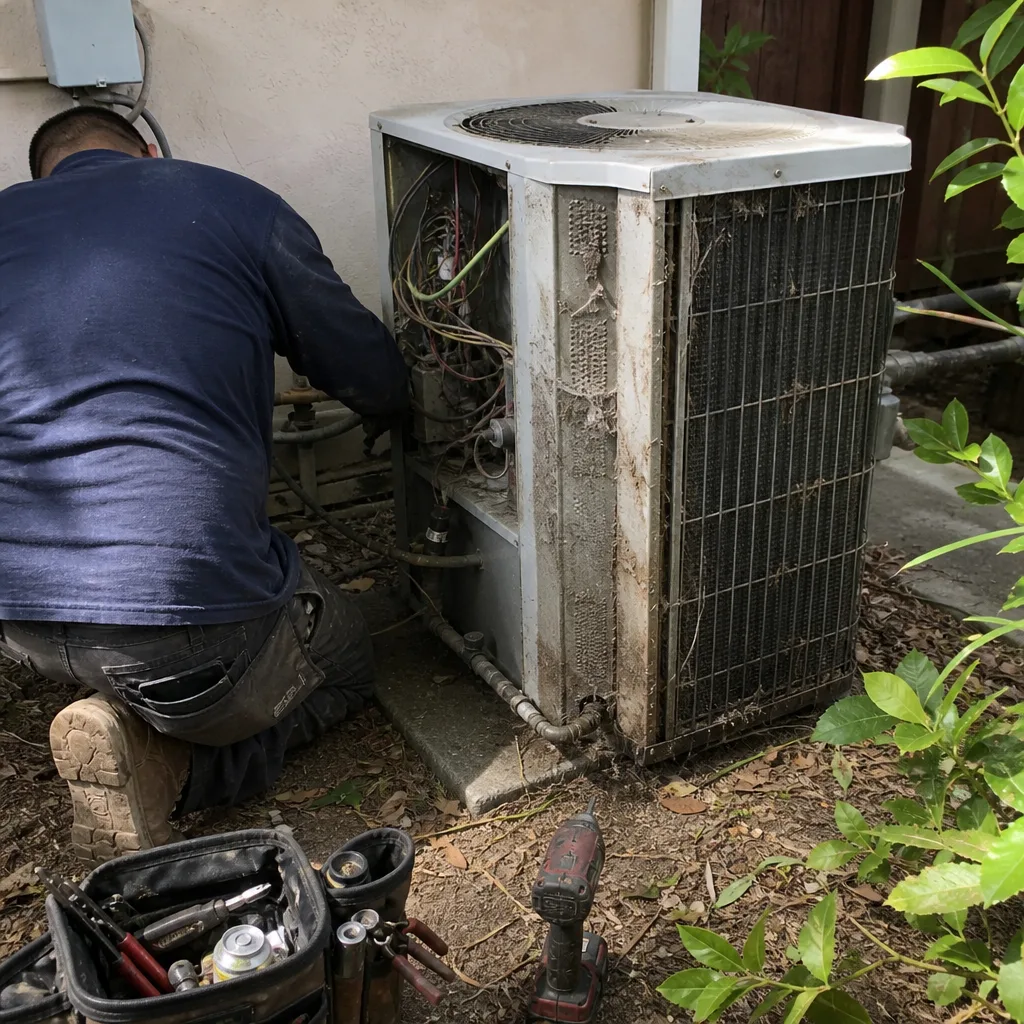 Before
 After
After