Last updated October 16, 2026

Free written scope consultation - allowances, timeline, and change-order rules on paper before a single trade is scheduled
Construction Permits, Codes & Inspections in CA: What You Need to Know
A finished ADU, bathroom addition, or electrical panel upgrade done without a closed permit can legally cloud your title and kill a home sale at escrow. In Pasadena, retroactive permit applications often cost more than the original permit would have, because plan check reviewers charge fees to examine work that’s already behind drywall, and they may require you to open walls to prove what was done. Most homeowners discover this at the worst possible moment: three days before closing, when the buyer’s lender asks for a certificate of occupancy that doesn’t exist. This guide untangles California’s permit system so you know what applies to your specific project before you pick up a hammer or sign a contract, and you can find more guides & resources on our blog.
Quick Answer
California requires building permits for any remodel that alters structure, plumbing, electrical, or mechanical systems, and most cities, including Pasadena, layer local amendments on top of the California Building Code. In practice, homeowners in Pasadena need permits for bathroom remodels that move drains, kitchen remodels that move gas lines, water heater replacements, window replacements, and any wall removal. Permit costs typically run 1 percent to 3 percent of the project budget, timelines run two to eight weeks for over-the-counter approval depending on scope, and the permit isn’t closed until a final inspection passes. The simplest way to avoid trouble: get the permit first, pull it correctly, and never let unpermitted work sit on your title.
Styles & brands we work with

Table of Contents
- California Building Code vs. Pasadena Amendments: What Actually Applies
- Which Projects Need a Permit in California (Including the Ones Homeowners Miss)
- How the Pasadena Building & Safety Permit Portal Works in 2026
- Rough Inspection vs. Final Inspection: What Happens at Each
- Pasadena Permit Costs: Ballpark Ranges by Project Type
- Unpermitted Work, Insurance, and Selling a Pasadena Home
- Common Mistakes to Avoid
- When to Call a Professional
- Frequently Asked Questions
California Building Code vs. Pasadena Amendments: What Actually Applies
California operates on a base code called the California Building Code, or CBC, which is republished every three years. The current cycle, based on the 2022 edition with the 2025 supplement, sets minimum standards for structural safety, fire resistance, energy efficiency, and accessibility. But a state code is only the floor. Pasadena, like many California cities, adopts the CBC and then amends it with local ordinances that respond to specific conditions: seismic risk from the Raymond Fault, hillside drainage requirements in areas like the San Rafael Hills, and tree protection rules for neighborhoods like Bungalow Heaven and Madison Heights where mature oaks and deodars sit close to foundations.
What this means for a Pasadena homeowner: a project that sails through plan check in Glendale or Arcadia may trigger additional review in Pasadena because of a city-specific rule that doesn’t exist in the state code. We’ve seen this most often with foundation retrofits and second-story additions in hillside zones, where Pasadena requires a soils report and a geologic review that the state code doesn’t mandate. The lesson isn’t that Pasadena is harder; it’s that the local layer is real, and a contractor who quotes a permit timeline based on another city’s process may be quoting you the wrong schedule-something we cover in depth in our Construction Warning Signs: A Pasadena Homeowner’s Reference Guide.
For anyone working with a General Contractor in Pasadena, the question to ask is simple: have you pulled permits in Pasadena specifically, and can you show me the intake notes from the last one. The answer tells you whether they understand the local layer or just the state code. At Sawyer Remodel Pasadena, we pull every permit for every project, and we run the same paperwork through the same portal our clients can access themselves, so there’s no mystery about where a permit stands.
Which Projects Need a Permit in California (Including the Ones Homeowners Miss)
California law requires a building permit for any construction that alters the structure of a building or changes the use of a room. That definition sounds narrow. In practice, it covers far more than homeowners assume. The projects that catch people off guard aren’t the obvious ones like room additions; they’re the ones that look cosmetic but touch a regulated system.
Here’s the full list of projects that trigger a permit in Pasadena, including the commonly missed ones:
- Bathroom remodels that move a drain or supply line. Swapping a toilet in the same spot is usually exempt. Moving a shower drain two feet means opening the floor, rerouting waste lines, and changing the plumbing rough-in: that requires a plumbing permit and a building permit if framing changes.
- Water heater replacements. This is the big one homeowners miss. California treats water heater replacement as a plumbing and mechanical permit event because the install affects gas lines, flue venting, and seismic strapping. Replacing a water heater without a permit is one of the most common unpermitted conditions found during pre-sale inspections in Pasadena.
- Window and door replacements. In California, changing window size means cutting a new opening in the wall, which is structural work. Even same-size window replacements often need a permit because the state’s energy code requires verification that the new window meets Title 24 standards. Pasadena enforces this strictly.
- Kitchen remodels that move gas lines or add circuits. A kitchen remodel that stays in the same footprint and only swaps cabinets and counters can be permit-free. But moving a stove, adding a pot filler, adding an island with outlets, or upgrading from a gas range to an induction cooktop with a 240-volt circuit all require permits.
- Any wall removal. Non-load-bearing wall removal still requires a permit in Pasadena because the city wants to verify the wall isn’t carrying load before you cut studs. We’ve seen homeowners open a wall and find an HVAC duct or a drain line tucked inside, and that discovery changes the scope entirely.
- Electrical panel upgrades. Pasadena requires a permit for panel replacements and service upgrades from 100 amps to 200 amps. The city also requires coordination with Pasadena Water and Power for the meter side. Skipping this one creates a serious insurance problem, which we’ll cover below.
- Roof replacements. California requires a reroof permit, and Pasadena enforces it. The permit verifies that the new roof meets current fire resistance standards, which matter in the San Gabriel foothills. A tear-off and replacement with like materials still needs a permit; the myth that reroofs are always exempt is wrong.
- ADUs and garage conversions. Any accessory dwelling unit, whether a detached new build or a garage conversion, requires full plan check, structural review, and multiple inspections in Pasadena. This is the most permit-intensive residential category by far.
One more rule that trips Pasadena homeowners: the city’s Historic Preservation overlay. Homes in designated historic districts, including parts of Bungalow Heaven and the Ford Place district, may need a Certificate of Appropriateness before a permit is issued for exterior changes like window replacement or porch work. That’s a city-specific layer on top of the standard permit, and it adds time to the approval clock.
How the Pasadena Building & Safety Permit Portal Works in 2026
The City of Pasadena moved permit applications onto an online portal called E-Permits, managed through the Building & Safety Division of the Planning and Community Development Department. The portal handles everything from simple trade permits to full plan submittals for additions and ADUs. Homeowners can create an account, start an application, upload plans, track review status, and schedule inspections all on one screen. It’s a functional system, but it has friction points that slow people down.
Realistic timelines in 2025-2026, based on our runs through the system:
- Over-the-counter permits for simple items like water heaters, reroofs, and electrical panel swaps typically take 1 to 2 weeks from application to issuance, assuming all documents are correct on the first submission.
- Same-day issuance is sometimes possible for simple trade permits if you walk into the permit center at 175 North Garfield Avenue early in the morning with a complete application, but the online queue has made same-day less reliable than it was pre-2020.
- Plan check for a bathroom remodel or kitchen remodel with plumbing and electrical changes typically takes 3 to 6 weeks, depending on current volume and whether the reviewer kicks the plans back with comments.
- Plan check for an ADU or second-story addition typically runs 6 to 12 weeks because these projects hit multiple review departments: building, planning, public works, and sometimes fire.
The number one reason applications get kicked back in Pasadena is incomplete information. Missing a structural calculation, omitting the Title 24 energy compliance form, or submitting plans not drawn to scale will get the application returned with a comment, and each return resets part of the review clock. The second most common kickback: applying for the wrong permit type. A homeowner who applies for a “repair permit” for work that’s actually a remodel will get a correction notice instead of an approval. The third: failing to include the address’s specific zoning information, especially in hillside areas where Pasadena requires additional geologic review.
For a Bathroom Remodeling in Pasadena project, the permit is usually a combined building and plumbing permit. We prepare the drawings, the Title 24 form, and the product specs before submission so the first review pass is the only review pass. That’s what keeps a remodel on schedule.
Rough Inspection vs. Final Inspection: What Happens at Each
California’s inspection system has two main phases for remodel work, and understanding the difference is critical because scheduling a final inspection before a rough inspection is passed will fail you on the spot. Here’s what each inspection covers.
Rough inspection happens when the work is open, meaning walls and floors are exposed so the inspector can see what’s behind them. For a bathroom remodel, the rough inspection covers the plumbing rough-in: drain slopes, venting, water supply lines, and the P-trap configuration for the shower and toilet. It also covers the electrical rough-in: wire gauges, junction box placement, GFCI protection plan, and the circuit layout. The rough inspection is the most important one because once drywall goes up, everything the inspector needed to see is hidden. Fail a rough inspection, and you’re opening the wall back up.
Final inspection happens when the work is complete and the inspector verifies that everything installed matches what the permit approved. For a bathroom remodel, the final covers the finished plumbing fixtures to make sure they’re installed to code, the finished electrical to confirm GFCI outlets trip correctly, the vent fan to confirm it exhausts to the outside, and the overall condition to confirm no permit scope was left unfinished. Only after a passing final inspection does the city issue a certificate of occupancy or mark the permit as closed.
Scheduling these inspections correctly is the contractor’s job, not the homeowner’s. At Sawyer Remodel Pasadena, we schedule rough inspections for the day after our plumber and electrician finish their rough work, and we book final inspections only after a pre-inspection walkthrough where we test every outlet, every fixture, and every drain. The goal is zero failed inspections, because a failed inspection adds days to the schedule and means the inspector comes back with a correction list. We run every project under the Relay Standard, which means our clients see a written permit status update and inspection result the same day it happens, with photos from the site, not a summary two weeks later.
Pasadena Permit Costs: Ballpark Ranges by Project Type
Permit fees in Pasadena are calculated from the project valuation, which is the estimated cost of labor and materials for the permitted work. The city publishes a fee schedule, but homeowners rarely see the real cost breakdown, because plan check fees, inspection fees, and surcharges stack on top of the base permit fee. Here are realistic ranges from our permit runs in Pasadena:
| Project Type | Typical Permit Cost Range | Notes |
|---|---|---|
| Water heater replacement | $180 to $350 | Plumbing and mechanical permits, usually over-the-counter |
| Electrical panel upgrade (100 to 200 amp) | $250 to $600 | Includes coordination with Pasadena Water and Power |
| Reroof (standard single-family home) | $400 to $900 | Fire code verification included |
| Bathroom remodel (plumbing and electrical changes) | $800 to $2,000 | Includes plan check and two to three inspections |
| Kitchen remodel (gas line move, new circuits) | $1,200 to $3,000 | Higher if structural changes are involved |
| Room addition (300 to 500 square feet) | $3,500 to $8,000 | Full plan check, multiple inspections, school fees may apply |
| ADU (garage conversion or new build) | $8,000 to $22,000 | Includes planning review, school fees, and utility fees |
These ranges are ballpark figures from actual Pasadena permit runs, not bids. Your exact cost depends on project valuation, which the city assesses during plan review. One important note: the penalty for building without a permit is typically double the original permit fee, and the city can assess additional penalties for work that’s already been concealed. If you’re in the middle of a Home Renovation in Pasadena, pull the permit before the work, not after an inspector knocks on the door because a neighbor called in a complaint.
Unpermitted Work, Insurance, and Selling a Pasadena Home
Unpermitted work affects your homeowner’s insurance in two ways. First, if a fire or water damage claim is traced to work that was done without a permit, the insurer can deny the claim on the grounds that the work was not code-verified. This happens most often with unpermitted electrical work and unpermitted water heater installs, because those are the most common unpermitted items found after a loss. Second, even if the claim isn’t denied outright, the insurer may reduce the payout by the cost to bring the work up to code, which means you’re paying for the fix out of pocket.
When selling a Pasadena home, California’s real estate disclosure law requires sellers to disclose all known unpermitted work to buyers in writing. The standard California Association of Realtors form asks specifically whether any improvements were made without a permit, and lying on a disclosure form is a path to post-sale litigation. Buyers in Pasadena’s market are increasingly asking for permit history as part of escrow, and a title company will pull the permit record as part of the transaction. If unpermitted work is discovered, the buyer may demand a retroactive permit, a price reduction, or the right to walk away entirely.
The retroactive permit process in Pasadena is more expensive than pulling the permit up front. The Building & Safety Division charges a penalty fee, the plan check fee applies to work that’s already built, and if the reviewer can’t verify what’s behind the walls from photos, they may require selective demolition to expose the work for inspection. We’ve helped homeowners in neighborhoods from Linda Vista to Oak Knoll navigate retroactive permits, and the pattern is always the same: the retroactive route costs two to three times what the original permit would have, and it adds weeks or months to a sale.
The fix is straightforward. Pull the permit at the start, close it with a passing final inspection, and keep the closed permit documentation in your files. A closed permit is an asset when you sell; an open permit or an unpermitted remodel is a liability that compounds with time.
Common Mistakes to Avoid
- Assuming “cosmetic” means permit-free. New paint, new flooring, and cabinet refacing are generally permit-free, but a bathroom remodel that swaps tile and leaves plumbing alone is not the same as one that moves a shower drain. If a system changes, a permit applies.
- Replacing a water heater without a permit. This is the most common unpermitted condition we find during pre-sale inspections in Pasadena. It’s a $200 permit that becomes a $600 retroactive headache.
- Trusting a contractor who says “we don’t need a permit for this.” If a contractor tells you a permit isn’t needed for work that obviously touches structure or systems, get a second opinion. The risk is yours, not theirs.
- Scheduling the final inspection before the rough inspection is signed off. The city’s system won’t allow a final inspection on a permit with an open rough inspection. This mistake wastes a day and delays the close-out.
- Ignoring Pasadena’s historic district rules. Exterior work on a home in a designated historic district needs a Certificate of Appropriateness before the permit is issued. Skipping that step means the permit application never even gets reviewed.
- Letting a permit expire. California permits are valid for 180 days from the date of the last inspection. If the project stalls, the permit expires and you pay a renewal fee to reactivate it. Keeping inspections moving keeps the permit alive.
- Paying full contract price before the final inspection passes. The permit isn’t closed until the final inspection passes, and the final inspection is the proof the work was done to code. Hold a portion of payment until the permit is marked closed.
When to Call a Professional
If your project touches structural framing, electrical panels, gas lines, or drain plumbing, you need a licensed contractor who pulls permits as standard practice, not as an add-on, as explained in our DIY vs Professional Construction: The Pasadena Homeowner’s Decision Guide. The permit process in Pasadena has enough steps and enough local quirks that a homeowner trying to manage it solo will burn hours on the portal and risk a kickback that stalls the project. The situations where professional help matters most: any bathroom or kitchen remodel that moves plumbing, any electrical panel or service upgrade, any wall removal, and any ADU or addition. In these cases, the permit is not a formality; it’s the document that protects your title, your insurance, and your eventual sale. Sawyer Remodel Pasadena offers free estimates in Pasadena – call (626) 657-5396 and we’ll walk the project with you and tell you exactly what permits apply.
Frequently Asked Questions
Yes. California requires a permit for water heater replacement because the install affects plumbing, gas, venting, and seismic strapping. In Pasadena, the permit is an over-the-counter plumbing and mechanical permit that typically costs $180 to $350. Replacing a water heater without a permit creates an insurance liability and a disclosure issue when you sell. Call (626) 657-5396 if you’re not sure whether your replacement falls under the permit requirement.
Permit costs depend on project valuation. Simple trade permits like water heater replacements run $180 to $350, bathroom remodel permits run $800 to $2,000, kitchen remodels run $1,200 to $3,000, and room additions run $3,500 to $8,000. The city calculates the fee from your estimated project cost, plus plan check fees and inspection fees. For an exact figure on your project, call (626) 657-5396 for a free estimate that includes the permit line item.
Over-the-counter permits for water heaters, reroofs, and panel swaps typically take 1 to 2 weeks. Bathroom and kitchen remodel permits take 3 to 6 weeks through plan check. ADUs and additions run 6 to 12 weeks because they hit multiple review departments. The single best way to avoid delays is submitting a complete application on the first pass, with drawings, Title 24 forms, and structural calculations all included.
You’re responsible for the retrofit. The city can assess a penalty, which is typically double the original permit fee, and require you to open finished walls to expose the work for inspection. When you sell, you must disclose the unpermitted work to buyers, and a buyer’s lender may refuse to finance the home until the permit is closed. The retroactive process usually costs more than pulling the permit up front would have.
Not always. A homeowner can pull a permit as an owner-builder in California, but doing so puts legal and safety liability on you, and owner-builder permits require an additional disclosure at resale. Most Pasadena homeowners are better served by a licensed contractor who pulls the permit under their license, and Sawyer Remodel Pasadena pulls every permit on every project as standard practice, with no additional handling fee. Call (626) 657-5396 to talk through your specific project.
A permit is the legal authorization to do the work; an inspection is the city’s verification that the work meets code. The permit is issued before work starts, and inspections happen at defined stages during and after the work. Rough inspections happen while walls are open, and final inspections happen when the project is complete. A permit isn’t closed until the final inspection passes, and a closed permit is the document that protects your title and your sale.
The Bottom Line
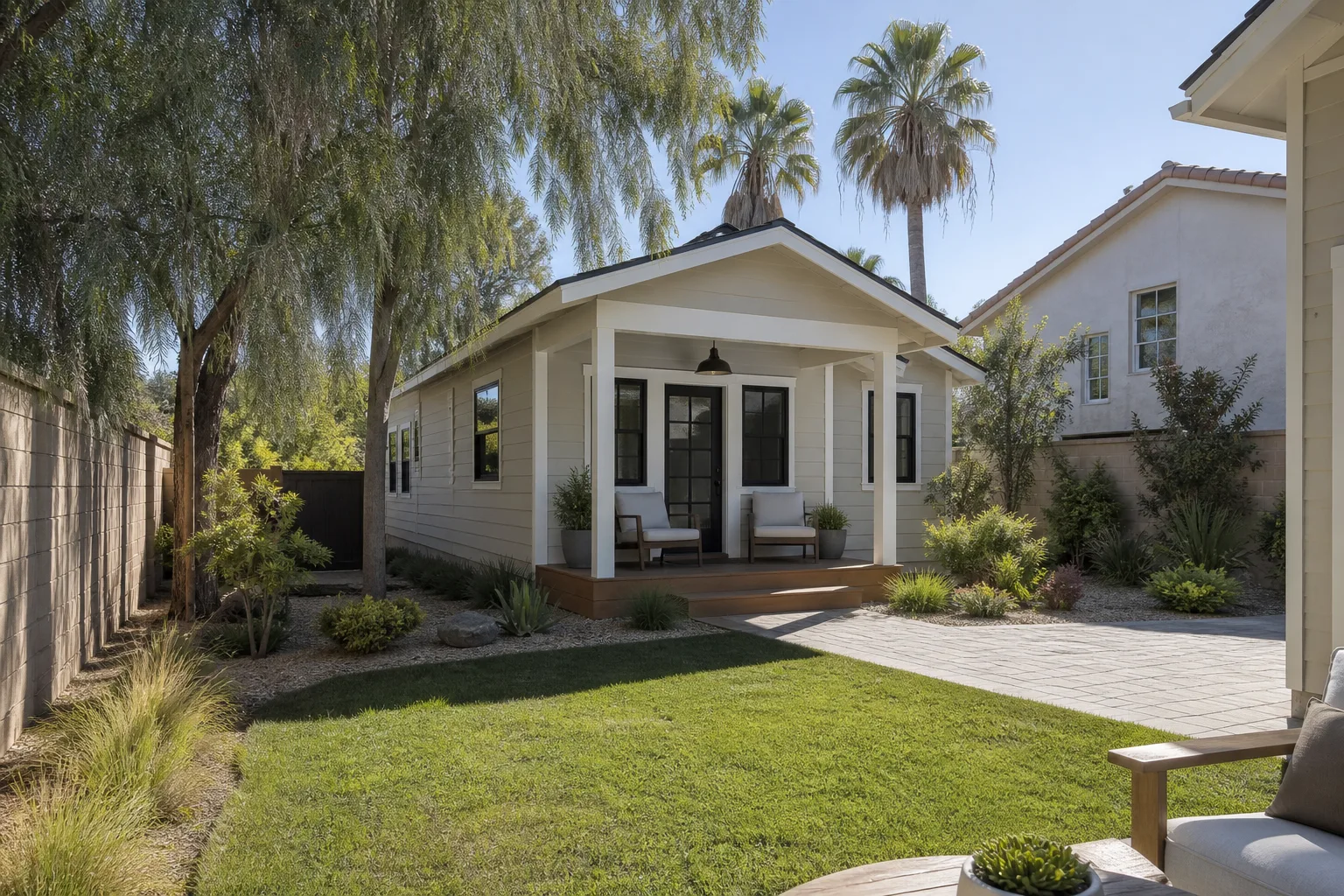
California’s permit system isn’t one rulebook; it’s a stack of state code, local amendments, and city-specific processes, and Pasadena’s layer is real. The projects that trigger permits are broader than most homeowners assume, from water heater swaps to window replacements to any drain moved in a bathroom remodel. The cost of doing it right is a small percentage of the project budget and a few weeks of plan check; the cost of doing it wrong is double fees, insurance denial risk, and a title cloud that can kill a sale. Pull the permit, close it with a passing final, and keep the paperwork. That’s the whole system in one sentence, and it’s the only way to finish a Pasadena remodel you can legally sell.
Written by Luca Romano, Owner at Sawyer Remodel Pasadena, serving Pasadena since 2005.
See the difference
 Before
 After
After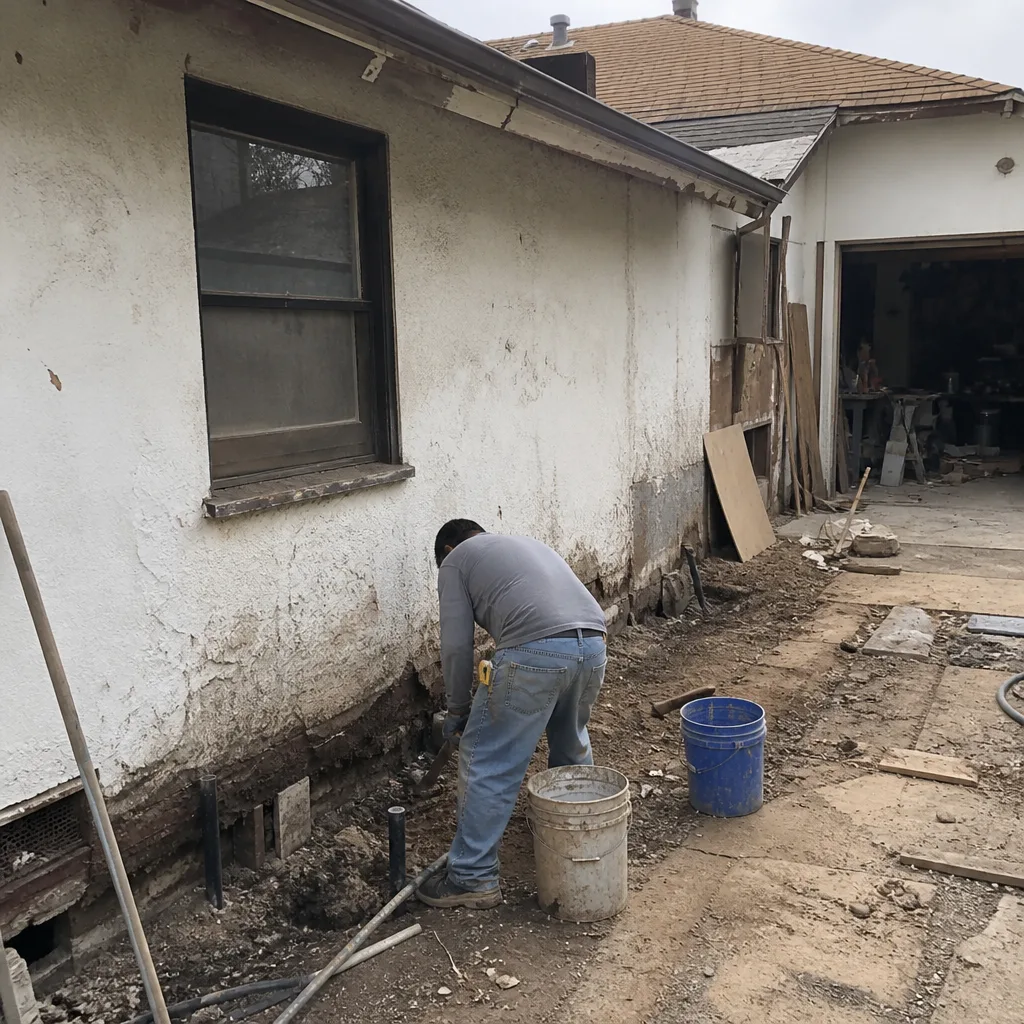 Before
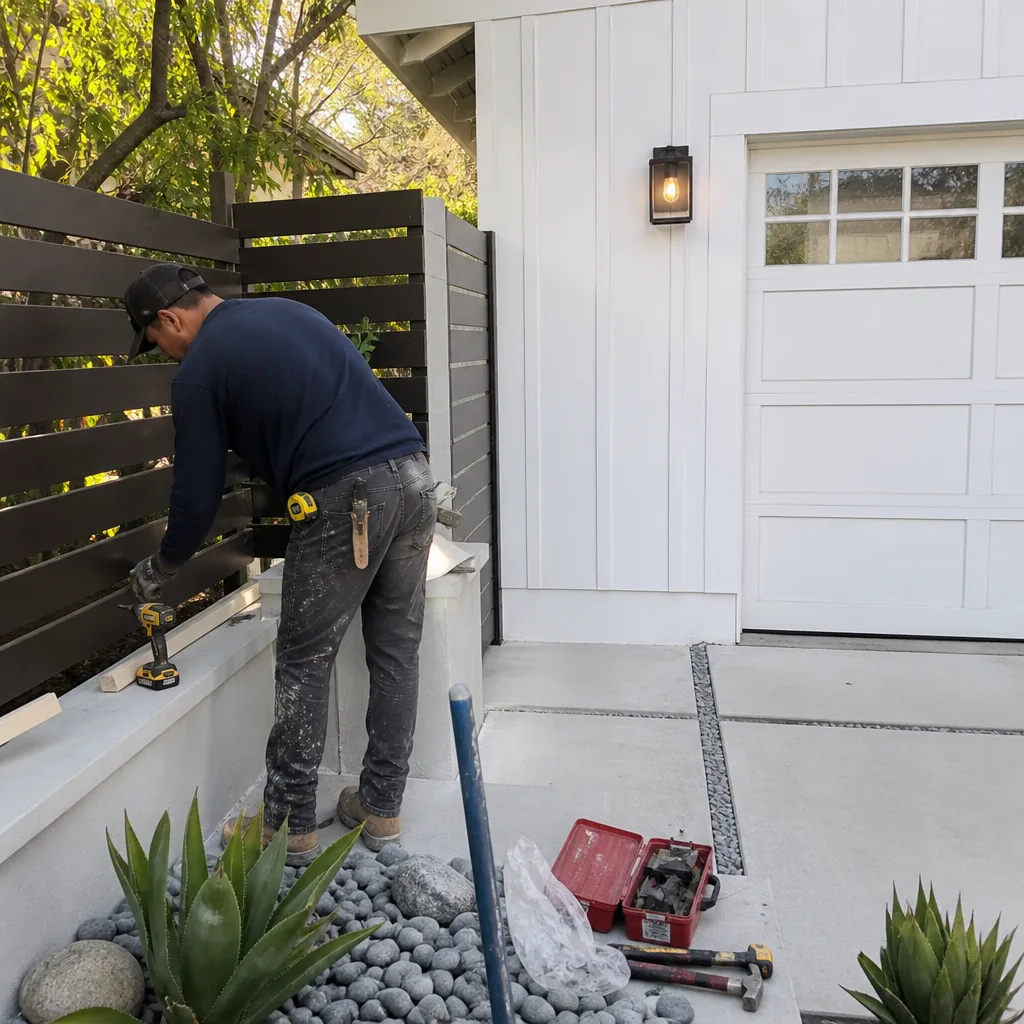 After
After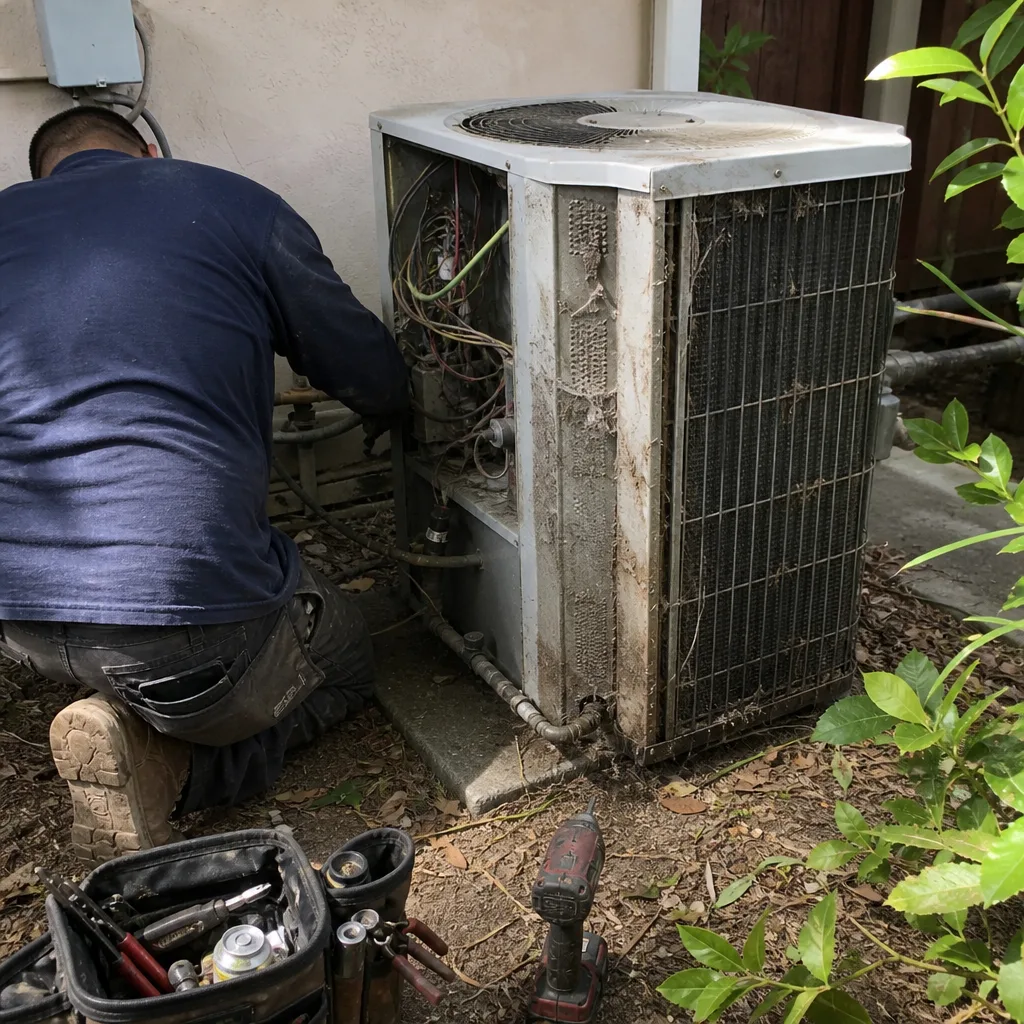 Before
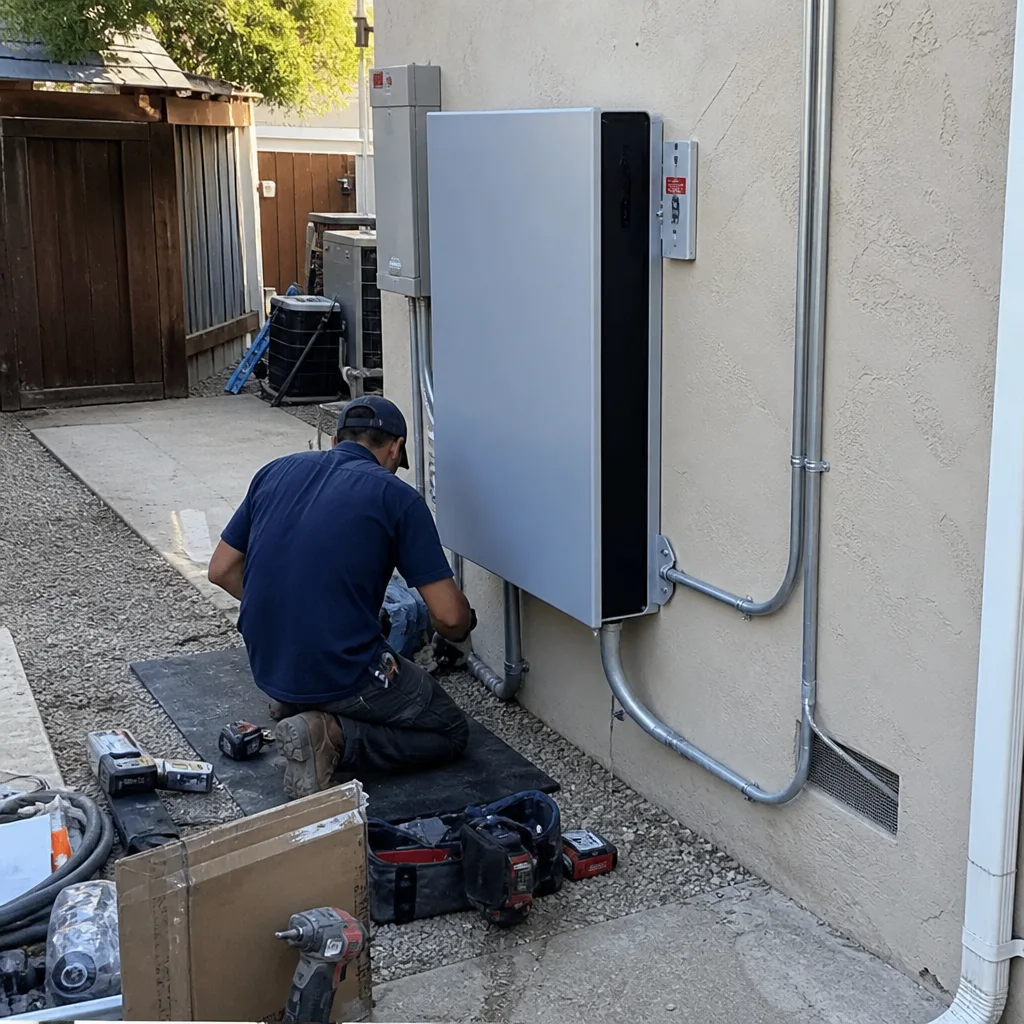 After
After