Last updated October 16, 2026





Free written scope consultation - allowances, timeline, and change-order rules on paper before a single trade is scheduled
Construction Warning Signs: A Pasadena Homeowner’s Reference Guide
Here’s the uncomfortable truth most remodeling advice skips: the single strongest predictor of a construction dispute isn’t the contractor’s star rating. It’s whether they hesitated, deflected, or got vague when you asked for a written price before work began. In Pasadena, where homes range from 1920s California bungalows in Bungalow Heaven to mid-century ranch houses in Hastings Ranch, the stakes of a bad hire are higher than most cities. Older framing hides surprises. Local code enforcement is strict. And every surprise gets expensive fast. This guide and our step-by-step guide on hiring a construction contractor in Pasadena give you specific, observable warning signs you can spot during the estimate phase, not after the drywall is up. No “trust your gut” filler. Just the behaviors and document gaps that predict a rough project.
Quick Answer
A contractor is a real risk in Pasadena if they won’t put a detailed price in writing before work starts, dodge questions about permits, can’t produce a California-compliant contract under Business & Professions Code §7159, or go quiet between the bid and the first day of work. The fix is simple: demand a written line-item proposal, a named permit plan, and a schedule in writing before you sign anything. If any of those three requests meets resistance, walk away.
Styles & brands we work with


Table of Contents
- Red Flag #1: Pricing Language That Signals a Low-Ball Quote
- Red Flag #2: A Contract That Wouldn’t Hold Up in California
- Red Flag #3: The “We Can Skip Permits” Pitch
- Red Flag #4: Communication Patterns That Predict Ghosting
- Red Flag #5: How to Read Reviews for Structural Problems
- Red Flag #6: Payment Schedules That Put You at Risk
- Red Flag #7: Subcontractor and Crew Transparency
- The Pasadena Red Flag Checklist: What to Check Before You Sign
Red Flag #1: Pricing Language That Signals a Low-Ball Quote
Most homeowners get burned not by contractors who quote high, but by contractors who quote low and adjust upward once the job is underway. The tell isn’t the final number. It’s the language used to deliver it.
Listen for these phrases during the estimate conversation in your Pasadena living room:
- “We’ll figure out the exact cost once we open the walls.” This is the most common setup for a change order avalanche. A competent contractor in Pasadena knows what’s behind walls on most homes built before 1980. They price for the known unknowns and put a contingency line item in writing. They don’t leave the entire price open-ended.
- “I can’t give you a real number until I see what my suppliers charge that week.” Material prices do fluctuate, but a contractor who’s been working in Los Angeles County for any length of time knows what a standard bathroom or kitchen costs within a few percentage points. This line usually means the quote will arrive inflated, or worse, it will arrive vague and then inflate later.
- “Let’s start with the demo and we’ll price the rest as we go.” Never agree to this. Demo is cheap. Rebuild is expensive. Once your kitchen is gutted, you have zero leverage. Every legitimate remodeler prices the full scope before the first hammer swings.
- “I gave you a good number because we had a crew finishing up nearby.” Proximity doesn’t change material or labor costs. This is a closing tactic, not a pricing model. If the number is real, it’s real regardless of where the crew is working.
- “The written quote is just a formality. We’ll take care of you.” This phrase is the single biggest predictor we’ve seen of a project that ends in a dispute. In our experience in Pasadena, the contractors who resist putting numbers on paper are the ones who intend to change them later.
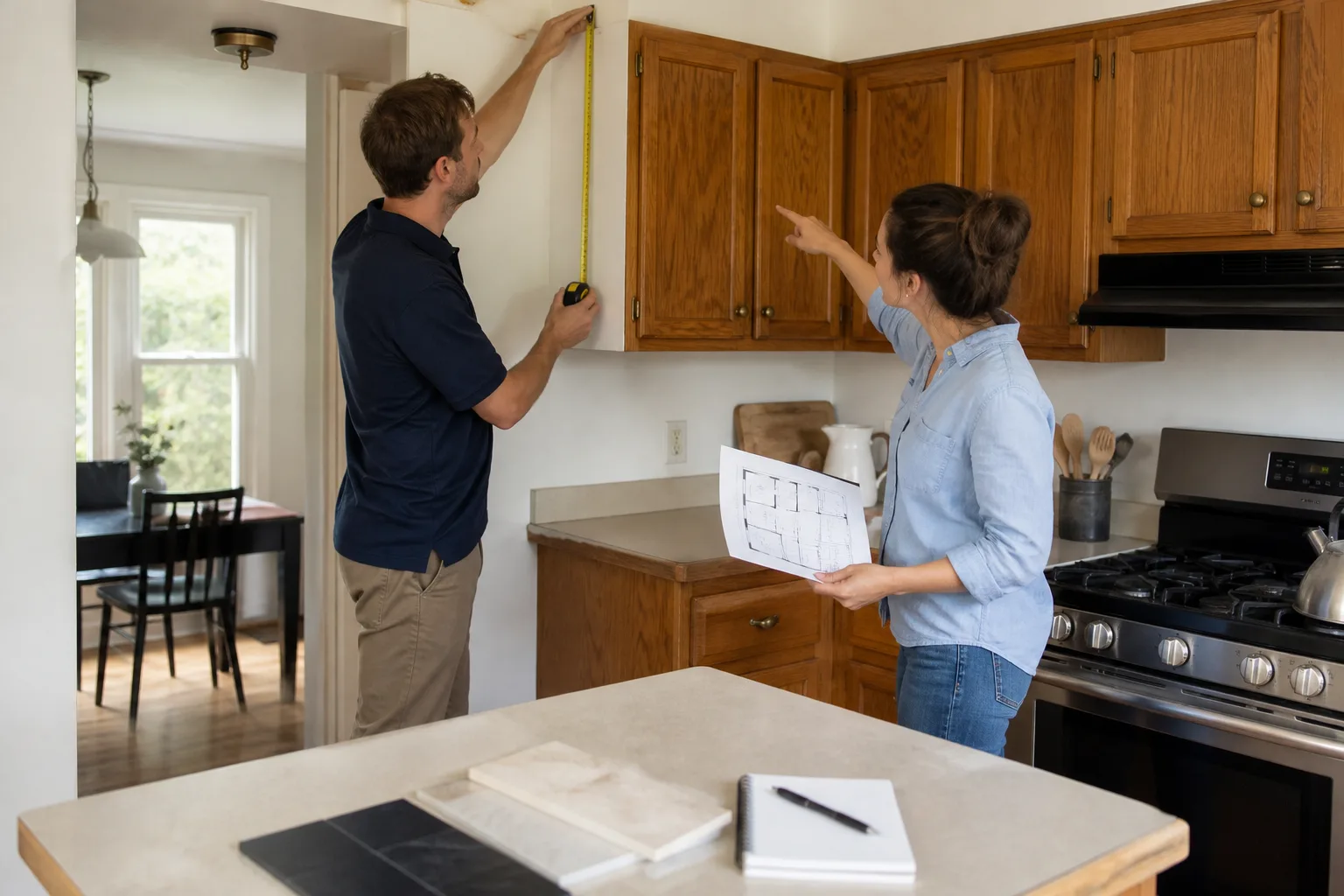
What you want instead is a written proposal with a line-item breakdown: demolition, rough plumbing, electrical, waterproofing, tile, finishes, and a clearly labeled contingency. At Sawyer Remodel Pasadena, every estimate includes a written price before any work starts, as covered in our DIY vs Professional Construction guide for Pasadena homeowners. The number you approve is the number on the invoice. That’s the standard any homeowner should expect. If a contractor balks at putting that in writing, you have your answer.
A quick word on contingency: good contractors include one, typically 5 to 15 percent depending on the project’s age and complexity. Bad contractors hide the contingency inside vague language and then bill for every surprise anyway. Ask explicitly: “What’s in the contingency, and under what terms does it get used?” A straight answer builds trust. A deflection is the red flag.
Red Flag #2: A Contract That Wouldn’t Hold Up in California
California has one of the strongest construction contract laws in the country. California Business & Professions Code §7159 requires every home improvement contract over $500 to include specific disclosures, timelines, and a three-day right to cancel. If your Pasadena contractor hands you a one-page proposal and calls it a contract, that’s a problem.
Here’s what a compliant California home improvement contract must include:
- A detailed description of the work to be performed. Not “remodel bathroom.” Specific scope: which walls are being moved, what plumbing fixtures are being replaced, what finishes are included, what’s not included.
- A total contract price, or a clear method for calculating it. California law allows cost-plus contracts, but they must state exactly how the “plus” is calculated and what markup applies.
- A schedule of progress payments. California law caps the down payment at 10% of the project cost or $1,000, whichever is less. If your contractor asks for 30% or 50% upfront on a $50,000 remodel, that is a direct violation of state law.
- The approximate start and completion dates. Vague language like “to be determined” doesn’t satisfy the requirement. A real contractor gives you a window and commits to it in writing.
- A notice of the right to cancel within three business days. This is a required form, not a courtesy. If it’s missing, the contract is legally incomplete.
- The contractor’s license number. It must be on every proposal and contract. You can verify it at cslb.ca.gov in under a minute.
Missing any of those items doesn’t automatically mean the contractor is dishonest. Some smaller operators simply don’t know the law. But a contractor who doesn’t know §7159 in Pasadena is a contractor who hasn’t taken the time to learn the rules they’re operating under. And that ignorance becomes your liability when a dispute goes to the Contractors State License Board.
Our general contractor team in Pasadena prepares every contract to meet or exceed §7159 requirements as standard practice, because a clear contract protects both sides. You shouldn’t have to ask for a legal contract in California. It should just be how the company works.
Red Flag #3: The “We Can Skip Permits” Pitch
Here’s a scenario we hear from Pasadena homeowners all the time: a contractor suggests doing a bathroom remodel or kitchen renovation without pulling permits to save time and money. The pitch sounds reasonable. It’s not.
In California, permit liability lands entirely on the homeowner, not the contractor. If a contractor does unpermitted work and it fails, your homeowner’s insurance can deny the claim. If you sell the house and unpermitted work is discovered during a buyer’s inspection, you’re legally required to disclose it, and it will reduce your sale price or kill the deal entirely. In Pasadena specifically, the city’s building and safety department has gotten more aggressive about tracking unpermitted work through satellite imagery, utility records, and resale inspections. A remodel done off the books in 2015 is getting flagged in 2025 when the house changes hands.
So when a contractor says any of these lines, recognize them for what they are:
- “We don’t need a permit for this kind of work.” In Pasadena, most bathroom remodels, kitchen remodels, room additions, and structural changes require permits. The bar for “like-for-like repair” is narrow. If walls are opening, plumbing is moving, or electrical is changing, you need a permit.
- “Permits will add three months to the project.” Pasadena’s permit process takes time, yes, but a competent contractor knows how to sequence the work so the schedule doesn’t stall. Contractors who blame the city for delays usually have their own scheduling problems.
- “I’ll pull the permit under my name so you don’t have to deal with it.” This is normal and legal only if the contractor actually pulls the permit. Ask for the permit number and verify it with the city. “I’ll handle it” followed by silence is a red flag.
- “It’s better to ask for forgiveness than permission.” This is the line of someone who’s never sat in a Pasadena hearing to retroactively legalize an unpermitted addition. Retroactive permits cost more, take longer, and sometimes require tearing out finished work to expose what the inspector needs to see.
The rule: if a contractor suggests skipping permits, remove them from consideration. Not negotiate. Remove. The few thousand dollars in permit fees never outweigh the risk of doing work that isn’t inspected. Our home renovation projects in Pasadena always include permits pulled and inspections passed, because that’s the only way a project holds its value.
Red Flag #4: Communication Patterns That Predict Ghosting
The contractor who disappears after the project starts almost always telegraphs it during the bid phase. The problem is that most homeowners interpret slow bidding as “busy,” not as a preview of what’s coming.
Here’s what to watch for during the estimate and bid process:
- How long between your first call and the estimate visit? More than five business days without a same-week callback is normal for a one-person operation but a warning sign for a company advertising full-service remodeling. Busy is fine. Unresponsive is not.
- Does the estimate arrive when promised? If a contractor says “I’ll get you the quote by Friday” and it arrives the following Thursday without explanation, that’s not a scheduling hiccup. That’s a preview of how change orders and questions will be handled once the project is underway.
- Are your questions answered before the contract is signed? Contractors who are attentive during the sales phase and then go quiet after the contract is signed are following a known pattern. The single best screening question you can ask: “What’s the best way to reach you once work starts, and how quickly should I expect a response?” A specific answer with a real system behind it is a good sign. A vague “oh, you can always call me” is a warning.
- Does any communication happen in writing? Text and email create a record. Contractors who insist on doing everything by phone are not automatically shady, but they’re much harder to hold accountable when there’s a dispute over what was promised.
At Sawyer Remodel Pasadena, every project operates under The Relay Visibility Guarantee: a live arrival time, before-and-after photo updates, and a written price before work begins. Calls are answered by a live person around the clock. That’s not a perk. It’s the baseline we believe every Pasadena homeowner should expect. If a contractor can’t tell you how they’ll keep you informed, assume they won’t.
Red Flag #5: How to Read Reviews for Structural Problems
Most homeowners read reviews wrong. They scan the star rating, read the two most recent reviews, and call it done. That approach misses the patterns that actually matter.
Here’s how to read a Yelp or Google review set like a Pasadena remodeler:
- Ignore the content of 5-star reviews almost entirely. Most are written right after the final walkthrough when the relief of finishing is still fresh. A glowing review tells you the project looked good on the final day. It doesn’t tell you what happened three months later.
- Look for repeated complaint themes in negative reviews. One person complaining about a late start is normal. Five people mentioning that the project went weeks over schedule with poor communication is a structural problem. That’s how the company operates, not a one-off.
- Sort for negative reviews that mention money. Complaints about change orders, surprise charges, or “the final invoice was higher than the quote” are red flags with teeth. Multiple money-related complaints mean the contractor’s pricing practice is the issue, not the individual project.
- Treat reviews that mention permits or inspections as high-signal. If a past client says the contractor did unpermitted work or skipped an inspection, that’s not noise. That’s evidence of how the contractor operates when no one is watching.
- Check how the contractor responds to negative reviews. Professional, calm, fact-focused responses are a good sign. Defensive, argumentative, or personal-attack responses are a preview of how disputes get handled. A contractor who fights customers in public will fight you in private.
- Look at review dates across the contractor’s history. A burst of 5-star reviews followed by six months of silence, then another burst, can indicate review solicitation campaigns rather than steady work. A steady trickle over years is more credible.
In Pasadena, where word of mouth moves fast between neighborhoods like Madison Heights, San Rafael, and Linda Vista, a contractor’s local reputation usually precedes them. But reviews from homeowners in other cities still matter. The structural patterns show up everywhere.
If you’re considering a Pasadena bathroom remodel, ask the contractor for references from projects completed at least one year ago. Then call those references and ask one question: “Would you hire them again?” The pause before the answer tells you more than the answer itself.
Red Flag #6: Payment Schedules That Put You at Risk
California law caps the down payment on a home improvement project at 10 percent of the total or $1,000, whichever is less. That’s not a suggestion. That’s Business & Professions Code §7159. Any contractor in Pasadena asking for more than that upfront is breaking state law, and that should disqualify them immediately.
Beyond the legal cap, here’s what a risky payment schedule looks like:
- Large milestones front-loaded before the work is done. Some contractors structure payments so 60 to 70 percent of the total is collected by the halfway point of the job. At that point, the contractor has your money and no financial incentive to finish. A fair schedule ties payments to completed, inspected milestones: after rough plumbing passes inspection, after drywall is hung, after tile is set, after final inspection.
- The contractor asks for cash or check only, no electronic payment trail. Cash payments are fine for small handyman work, but a bathroom remodel in Pasadena is a $20,000 to $80,000 project. You want a payment record. Checks and electronic invoicing create one.
- No written payment schedule at all. If the contract doesn’t specify when payments are due and what triggers them, the contractor controls the timing. That’s a recipe for “I need another draw to keep the crew going this week” pressure.
The payment schedule is the single best window into how the contractor treats your money. At Sawyer Remodel Pasadena, every project includes a written payment schedule tied to completed milestones, and every invoice is digital so you can pay from a link. There’s no ambiguity about what’s due and when. If a contractor can’t give you that clarity before work starts, assume the worst.
Red Flag #7: Subcontractor and Crew Transparency
Who is actually showing up to your Pasadena home matters. Some remodeling companies sell the job with a polished salesperson, then hand the work to a rotating cast of subcontractors the homeowner never vets. That’s a structural red flag, and it’s one of the most common complaints in disputes filed with the Contractors State License Board.
Here’s what to ask before you sign:
- “Who exactly will be on site, and are they your employees or subcontractors?” Both models are legal and common in Pasadena. The problem is opacity. A contractor who says “my guys” and won’t name them or tell you their relationship to the company is hiding something, usually either unlicensed labor or high turnover.
- “Are your subcontractors licensed and insured?” In California, subcontractors doing plumbing, electrical, and HVAC work must carry their own licenses. A general contractor who uses unlicensed subs is transferring liability to you. Ask directly. The contractor’s reaction to the question is informative.
- “Who supervises the project day to day?” A remodeling project without a single named supervisor is a project where no one is accountable for keeping the schedule, managing the subs, and catching quality problems before they’re covered up.
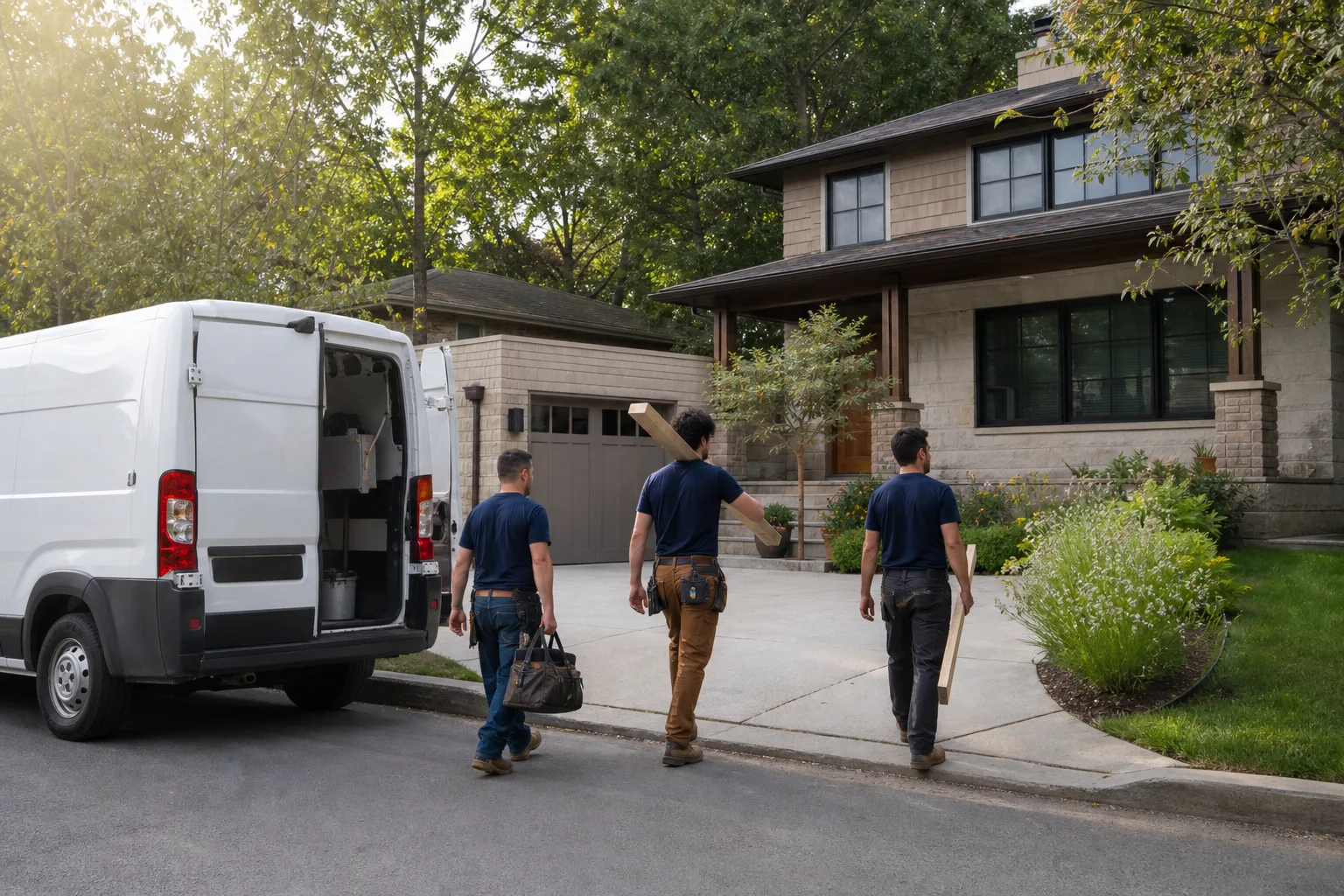
Sawyer Remodel Pasadena sends background-checked, uniformed technicians on every job. You know exactly who is walking through your door before they arrive, and that’s not an upgrade you have to request. It’s how every project runs. If a contractor can’t tell you who will be in your home and when they’ll arrive, the visibility problem will follow you through the entire project.
The Pasadena Red Flag Checklist: What to Check Before You Sign
Here’s the practical version of everything we’ve covered. Run through this checklist before you sign a Pasadena remodeling contract:
- Verify the license. Go to cslb.ca.gov and check the contractor’s license number. Confirm it’s active, confirms the contractor’s legal business name, and has no recent suspensions. If they’re unlicensed and the job is over $500, they’re operating illegally in California.
- Demand a written quote with line items. If the contractor won’t put the price in writing with a breakdown, stop the conversation. This is the single most important screening step you can take.
- Confirm the contract includes everything §7159 requires. Detailed scope, total price, payment schedule, start and end dates, three-day cancellation notice, license number. If any of these are missing, the document isn’t a California-compliant contract.
- Ask about permits directly. “Will this project require permits, and will you pull them?” A straight yes with a timeline is the only acceptable answer for most Pasadena remodels. Any waffling is a no.
- Ask about the crew. Who exactly will be on site? Are they employees or subcontractors? Are the subs licensed? Who is the named supervisor?
- Review the payment schedule. Confirm the down payment is 10 percent or $1,000 max, whichever is less, and that progress payments tie to completed milestones. Walk away from anything front-loaded.
- Read the negative reviews for patterns. Focus on money complaints, communication complaints, and permit issues. A few scattered complaints are noise. Repeated themes are the company’s operating model.
- Get it all in writing before you sign. Every promise, every material choice, every schedule commitment. If it’s not in writing, it doesn’t exist in a dispute.
Common Mistakes to Avoid
- Signing the lowest quote without reading it line by line. Low bids in Pasadena usually mean excluded scope, not better value. The contractor plans to bill for the “extras” later. Compare line items, not bottom lines.
- Paying cash without a receipt. Cash payments remove the trail you need if a dispute goes to the Contractors State License Board. Use checks or electronic payments for anything beyond a few hundred dollars.
- Believing a verbal promise that contradicts the written contract. “We said we’d include the new toilet, right?” doesn’t matter if the contract says otherwise. California enforces what’s written. The contract wins every time.
- Skipping the permit verification. Asking “did you pull the permit?” and accepting a verbal yes is not verification. Ask for the permit number and confirm it with Pasadena’s building department. A real permit has a paper trail.
- Ignoring the communication red flags during the bid phase. If the contractor took two weeks to return your initial call, expect the same responsiveness when you have a leak in week eight. Bid-phase behavior predicts project-phase behavior.
- Signing anything under time pressure. “This price is only good for 48 hours” is a closing tactic. A real contractor in Pasadena can hold a written quote for at least two weeks. Time pressure is designed to make you skip due diligence.
See the difference
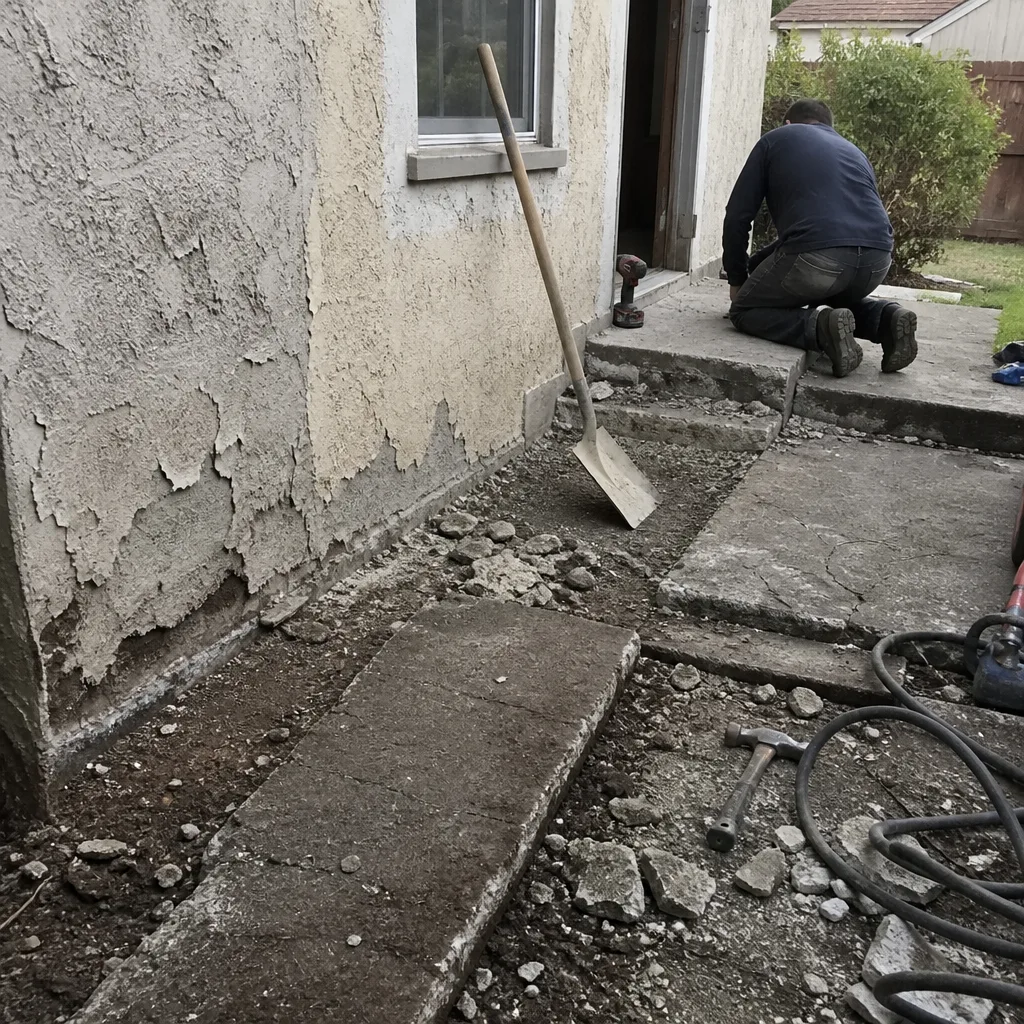 Before
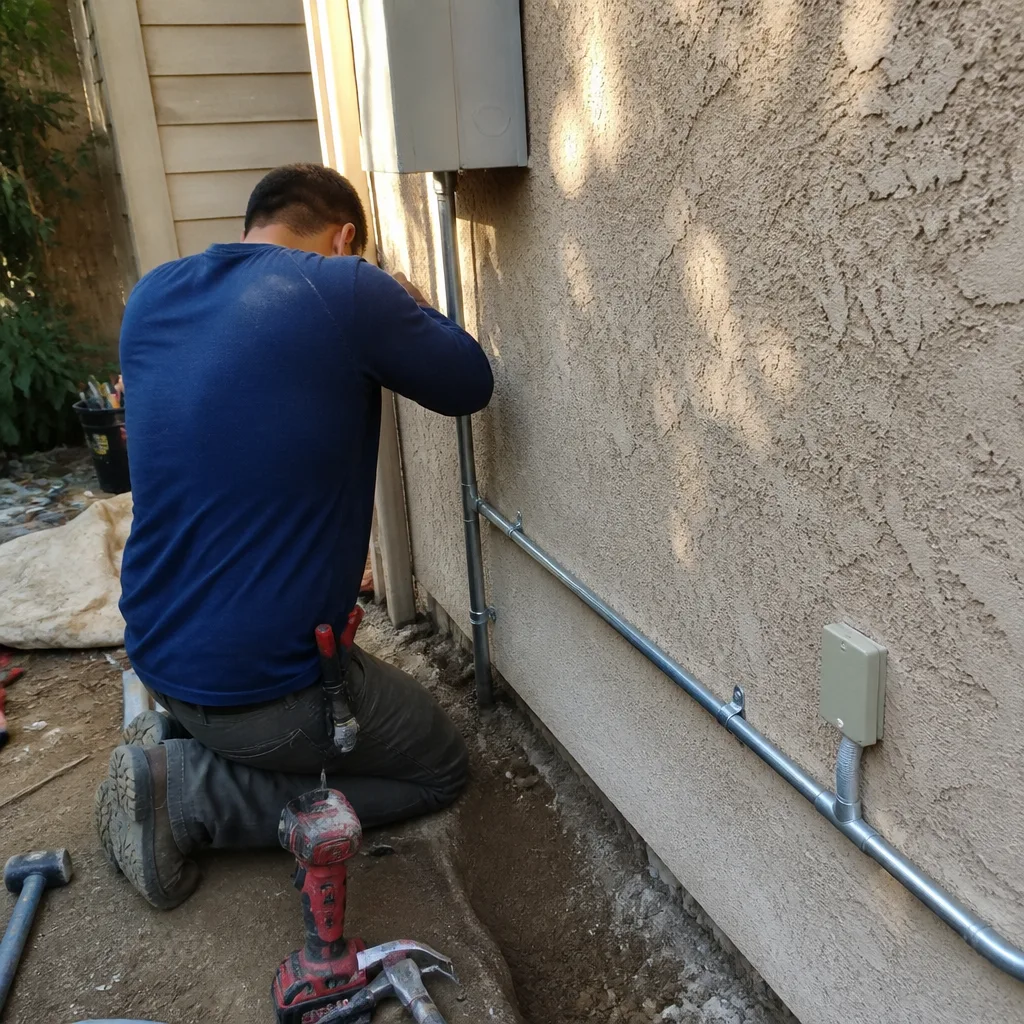 After
After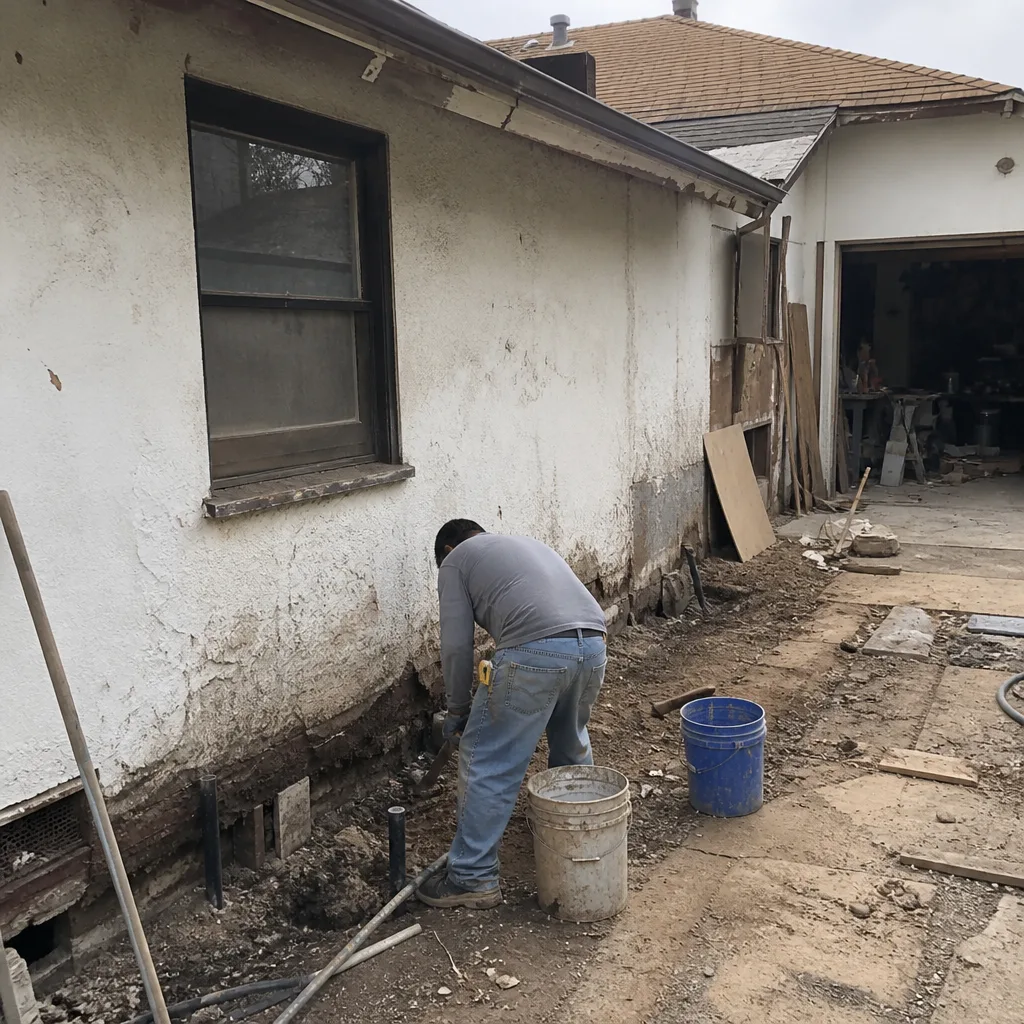 Before
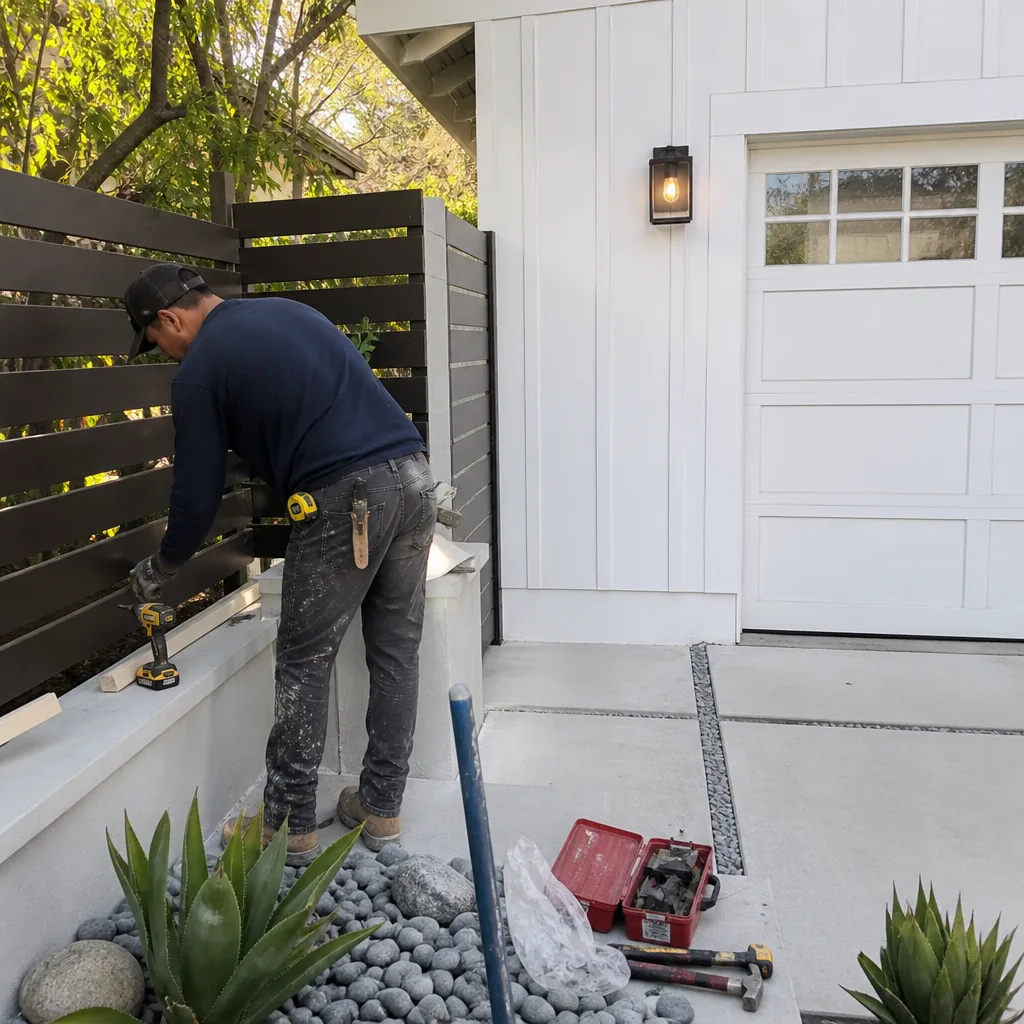 After
After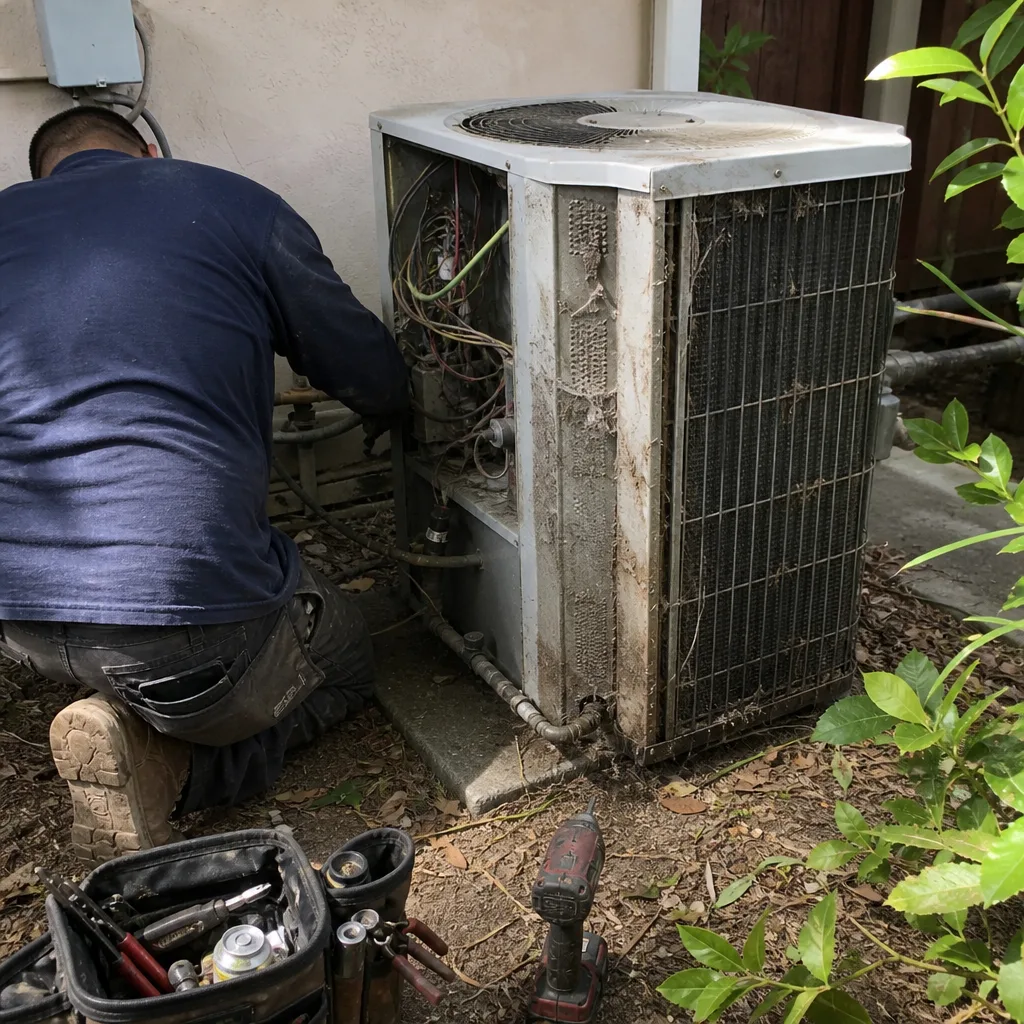 Before
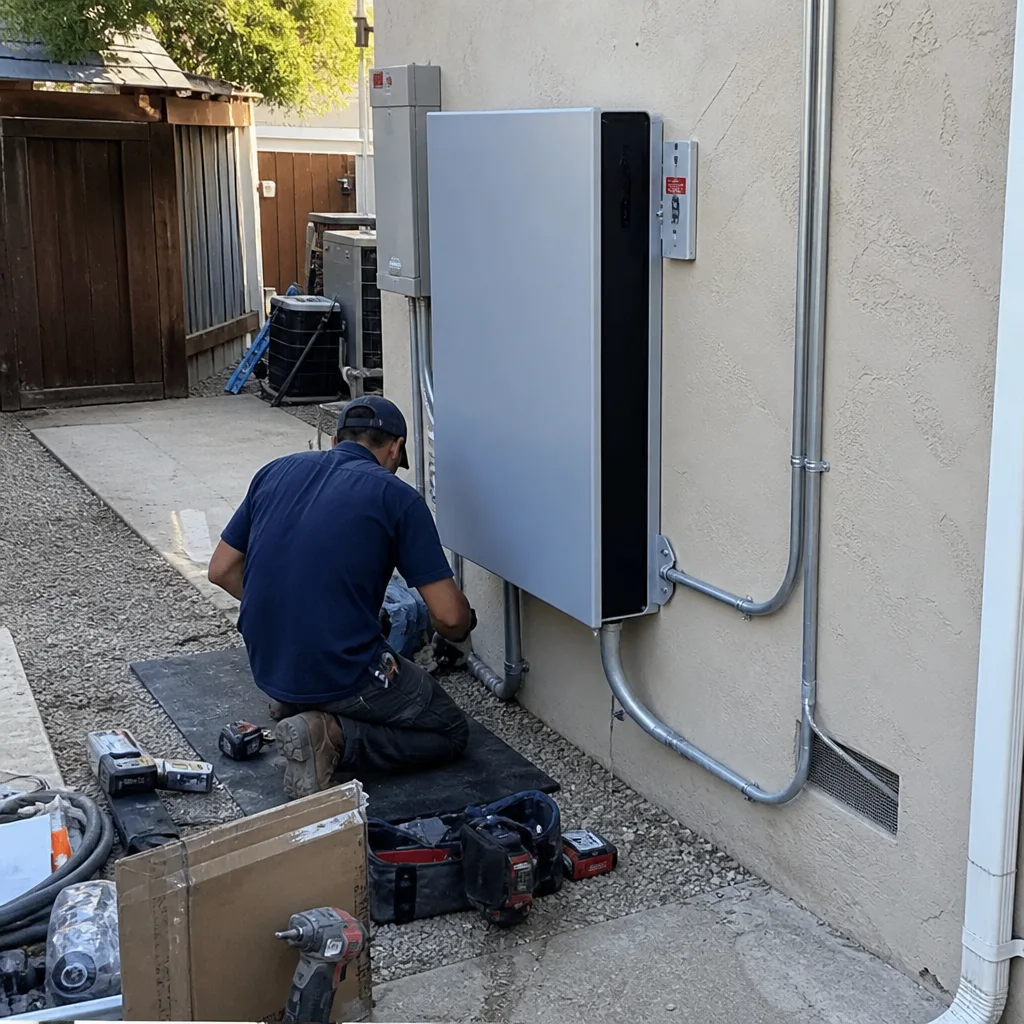 After
AfterWhen to Call a Professional
If you’ve spotted any of the red flags above during your contractor search, the next step is to compare what a well-run estimate process looks like. Sawyer Remodel Pasadena offers free estimates throughout Pasadena, and our process shows what the standard should be: a written line-item price before any work starts, a named project supervisor, a permit plan if your project requires one, and a payment schedule tied to completed milestones. Luca Romano and the team serve homeowners from Bungalow Heaven to Hastings Ranch and everywhere in between. Call (626) 657-5396 to schedule your free estimate. You’ll get a specific answer, a written quote, and a contractor Sawyer Remodel Pasadena home team that has been delivering on that process since 2005.
Frequently Asked Questions

California law caps the down payment on a home improvement contract at 10 percent of the total project cost or $1,000, whichever is less. Any contractor asking for more than that is violating Business & Professions Code §7159. Legitimate Pasadena remodelers work within this cap and structure the remaining payments around completed milestones. Call (626) 657-5396 for an exact written quote that follows California law to the letter.
No. Pasadena requires permits for most remodeling work including bathroom remodels, kitchen remodels, room additions, and structural changes of any kind. The liability for unpermitted work falls on the homeowner, not the contractor, and can surface during resale, insurance claims, or city inspections. A contractor who suggests skipping permits is transferring risk to you. Walk away.
Under Business & Professions Code §7159, a California home improvement contract over $500 must include a detailed scope of work, total price or clear pricing method, a payment schedule, approximate start and completion dates, a three-day right to cancel notice, and the contractor’s license number. Missing any of these makes the contract legally incomplete. Ask to see a sample contract before you commit.
Look for repeated themes across multiple negative reviews. One complaint about a late start is normal. Five complaints about surprise charges, missed communication, or unpermitted work indicate a structural problem with how the contractor operates. In Pasadena, where word travels fast between neighborhoods, a consistent pattern in reviews is a reliable predictor of your experience.
A reputable remodeler should offer named, manufacturer-backed products, not mystery supplier materials. Look for fixtures from brands like Delta, American Standard, Toto, or Kohler, and waterproofing systems like Schluter edge trim for tile transitions. The brand name matters because it comes with a manufacturing warranty behind the install. If a contractor can’t name their material sources, that’s another red flag.
A written quote should arrive within five business days of the estimate visit. If a contractor promises a quote by Friday and delivers it the following Thursday with no explanation, that’s a warning sign. The same communication patterns you see during the bid phase are what you’ll get once work starts. Expect responsiveness before you sign, and you’ll rarely be surprised after.
The Bottom Line
The warning signs that predict a bad construction project are visible early, if you know what to look for. A contractor who hesitates on a written price, suggests skipping permits, delivers a contract that doesn’t meet California’s §7159 standard, or communicates inconsistently during the estimate phase is showing you exactly how the project will go. In Pasadena, with its older housing stock and strict building department, due diligence isn’t optional. Verify the license. Read the negative reviews for patterns. Demand a written price before work starts. For more guides & resources, or if you’re ready to see what a transparent estimate process looks like, call (626) 657-5396.
Written by Luca Romano, Owner at Sawyer Remodel Pasadena, serving Pasadena since 2005.