Last updated October 16, 2026


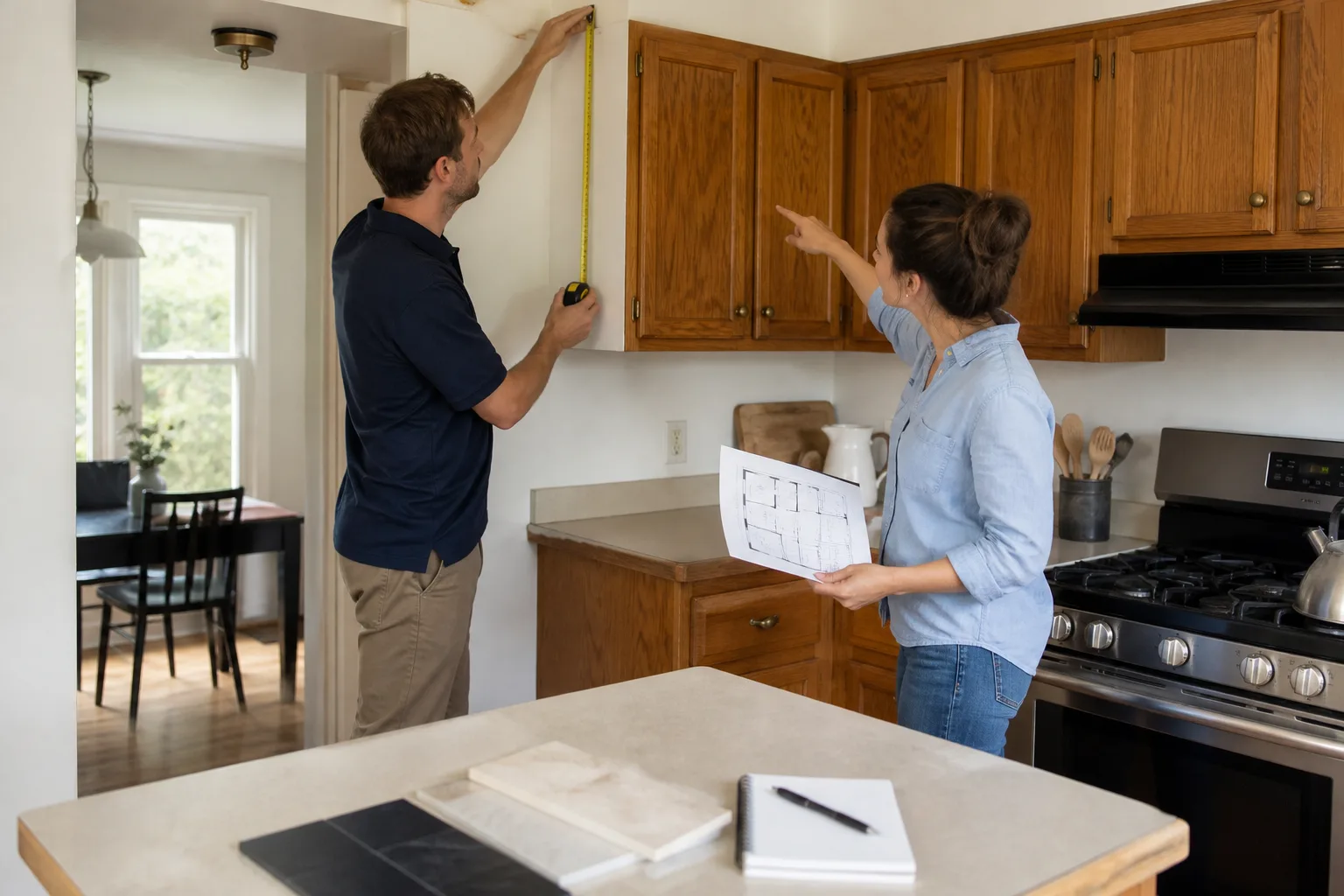
Free written scope consultation - allowances, timeline, and change-order rules on paper before a single trade is scheduled
How to Hire a Construction Contractor in Pasadena: A Step-by-Step Guide
California’s Contractors State License Board logged over 20,000 complaints in a single recent year, and the most common trigger wasn’t shoddy workmanship. It was a verbal agreement that turned into a disputed invoice. Pasadena homeowners don’t usually hire the wrong contractor because they’re bad at spotting crooks. They hire the wrong contractor because they run a process that selects for the lowest number on a bid sheet instead of the lowest risk across the whole project. This guide walks you through the actual hiring sequence we’d recommend to a friend in Pasadena, from license verification to the final walkthrough. For a deeper look at the full process, see our Complete Guide to Construction in Pasadena. By the end, you’ll know exactly what to check, what to put in writing, and when to walk away.
Quick Answer
To hire a construction contractor in Pasadena, verify their California contractor license through the CSLB website, get at least three written bids you can compare line-by-line, require a detailed written scope of work before signing, and confirm who pulls the permits. The single most important move is evaluating price last, after license, communication habits, references, and scope clarity have all passed. For help understanding what drives those numbers, check our Construction Cost Breakdown: The Pasadena Homeowner’s Reference for 2026. A written contract with change-order clauses and a clear payment schedule protects you more than any verbal promise.
Styles & brands we work with


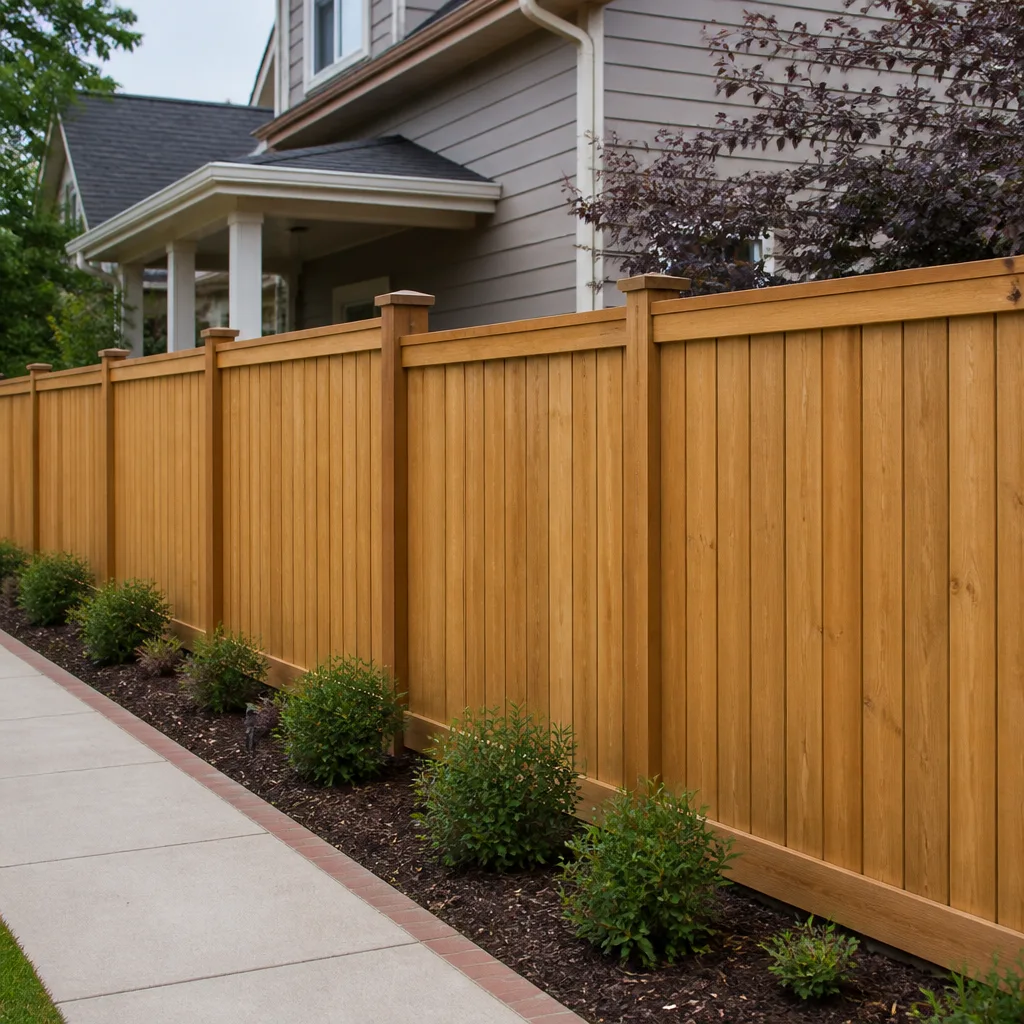
Table of Contents
- Step 1: Verify the California Contractor License (Before You Even Call)
- The License Classifications That Matter in Pasadena
- Step 2: Get a Written Scope of Work With These Three Clauses
- Step 3: How to Compare Three Bids Without Falling for the Lowball
- Step 4: Communication Red Flags to Spot Before the Job Starts
- Step 5: Permits in Pasadena and Who Should Pull Them
- Step 6: Payment Schedules That Protect You
- Step 7: The Final Walkthrough and Warranty Handoff
Step 1: Verify the California Contractor License (Before You Even Call)
Before you schedule a single estimate, get the contractor’s license number and run it through the Contractors State License Board website at cslb.ca.gov. This takes under three minutes, and it’s the highest-ROI task in the entire hiring process. The CSLB database shows you the license status (active, suspended, or expired), the classification, the issue date, any workers’ compensation insurance on file, and any disciplinary actions or complaints that have been formally resolved against the license.
Here’s the exact sequence we recommend when you’re screening a contractor in Pasadena:
- Ask for the license number in your first phone call. A legitimate contractor will rattle it off without hesitation. If they deflect, hesitate, or say they’ll “get it to you later,” that’s your first data point.
- Go to cslb.ca.gov and enter the number in the “Check a License” tool. Confirm the name on the license matches the name of the person or company you’re talking to. Mismatches happen more often than you’d think.
- Check the classification. A General Building Contractor holds a “B” license. A painter holds a “C-33.” A roofer holds a “C-39.” For a remodel, you want a B license or a properly classified specialty contractor.
- Look at the issue date. A license issued three months ago isn’t automatically disqualifying, but combined with no verifiable project history in Pasadena, it’s a yellow flag. Our license has been active since 2005, which is the kind of longevity that shows up right in the CSLB record.
- Check for workers’ comp insurance. If the contractor has employees and no workers’ comp on file, an injured worker on your property becomes your liability. This matters in Pasadena, where older homes often mean tighter job sites and higher injury risk.
One more local note: Pasadena has its own building department that enforces additional requirements on top of state law. A contractor who’s been through General Contractor in Pasadena work before will already know which local amendments apply to your project. Ask specifically: “Have you pulled permits through the City of Pasadena’s permit center in the last year?” The answer tells you whether they’re current on local process or will be figuring it out on your dime.
The License Classifications That Matter in Pasadena
California splits contractor licensing into roughly 44 distinct classifications, and knowing the right one for your project prevents a painful discovery mid-permit. The three categories that matter for most Pasadena homeowners are the B license, specialty C licenses, and the gap between them that causes confusion.
B – General Building Contractor: This is the license you want for a Bathroom Remodeling in Pasadena or any project involving two or more unrelated trades. A B license holder can legally frame walls, run the project’s plumbing and electrical subcontracts, and sign off on the whole scope. If you’re doing a kitchen remodel or a room addition, you want a B license at the top of the chain.
C – Specialty Licenses: A C-36 is plumbing, C-10 is electrical, C-54 is tile, C-33 is painting. Specialty contractors are licensed only for that trade. A C-10 electrician cannot legally pull a permit for a bathroom remodel that includes plumbing. If a contractor tells you their C license “covers everything,” they’re wrong, and the CSLB record will show it.
The owner-builder trap: Some Pasadena homeowners get talked into pulling the permit themselves to save money or because the contractor doesn’t have the right license. Here’s what that actually means, spelled out in plain terms. When you pull an owner-builder permit, you become the general contractor in the eyes of the law. That means you’re legally responsible for hiring, scheduling, safety compliance, and worker injuries. In California, the person who pulls the permit is presumed to be the employer for workers’ compensation purposes. If a worker gets hurt on your Pasadena property and the contractor has no coverage because you’re the “employer,” your homeowner’s insurance may deny the claim and you could be personally sued. The CSLB has been cracking down on contractors who push owners into this arrangement because it’s effectively unlicensed contracting with extra steps.
Step 2: Get a Written Scope of Work With These Three Clauses
A written scope of work is the single most protective document in your hiring process, and most homeowners never ask for one before signing a contract. The scope should describe, in specific terms, what gets built, what materials get used, what’s not included, and what happens when something changes. Vague scopes are how “I thought that was included” arguments start, and in Pasadena’s older housing stock, surprises behind walls are common enough that you want the ground rules in writing.
Three clauses specifically protect you when the project shifts mid-build, and you should insist on all three before signing anything:
- The “unknown conditions” clause. When you open a wall in a 1920s Pasadena bungalow and find knob-and-tube wiring or rotted framing, the price changes. A good scope says exactly how those discoveries are handled: documented photo evidence, written notification before work proceeds, and a change order you approve before any additional cost is incurred. Without this clause, the contractor can keep working and invoice you after the fact.
- The “allowance floor and ceiling” clause. If your scope includes allowances for fixtures, tile, or countertops, write in both a floor and a ceiling for each allowance. “Allowance for tile: $1,500 to $2,200” is a real number. “Tile included in budget” is a blank check. This is especially relevant in Pasadena, where homeowners browsing Home Renovation in Pasadena showrooms often fall for material upgrades that quietly inflate the final bill.
- The “written change order only” clause. This one sentence protects you from the most common dispute in construction: verbal scope changes. “No changes to the scope, schedule, or price are valid unless documented in a written change order signed by both parties.” If a contractor won’t agree to this, that’s the entire ballgame.
The scope should also name the specific material brands where it matters. If your scope says “entry door,” you might get whatever the supplier had in stock. If it says “Therma-Tru fiberglass entry door, specific model, specific finish,” you know exactly what’s arriving. We’ve worked with Therma-Tru doors, Barrette railing, and Master Halco fencing materials because they hold up through Pasadena’s dry heat and seasonal rain swings. A scope that names models and finishes is a scope that can’t be swapped out for a cheaper lookalike.
Step 3: How to Compare Three Bids Without Falling for the Lowball
Getting three bids is standard advice. Comparing them correctly is the part most homeowners skip. The mistake is looking at the total number at the bottom of each proposal and letting it anchor the whole decision. A low total tells you almost nothing until you see what’s inside the number.
Here’s the line-by-line comparison method that exposes where a contractor is cutting scope to look cheaper:
- Put all three bids side by side in a spreadsheet. Break each one into the same categories: demolition, framing, plumbing, electrical, finishes, fixtures, permits, cleanup. If one contractor didn’t break out a category, ask them to.
- Look for missing line items, not just lower ones. A bid that’s $8,000 cheaper on a Pasadena bathroom remodel often isn’t cheaper at all. It’s simply missing the waterproofing line, the permit line, or the debris hauling line. Those costs don’t disappear. They arrive as change orders after you’re locked in.
- Compare the finish level assumptions. One bid might assume a Kohler toilet at $400. Another might assume a builder-grade toilet at $120. Both are “a toilet” on paper. If the scope doesn’t name brands or quality tiers, the cheaper bid is probably pricing the cheaper product.
- Check the payment schedule against the work schedule. A bid that wants 50% down before day one is structured differently than one that breaks payments across demolition, rough-in, and finish. The former gives the contractor less reason to show up every day.
- Ask one question for each bid: “What’s not included here that I might assume is included?” This single question surfaces the omissions fast. If the answer is a long silence or a vague “standard stuff,” weight that response heavily.
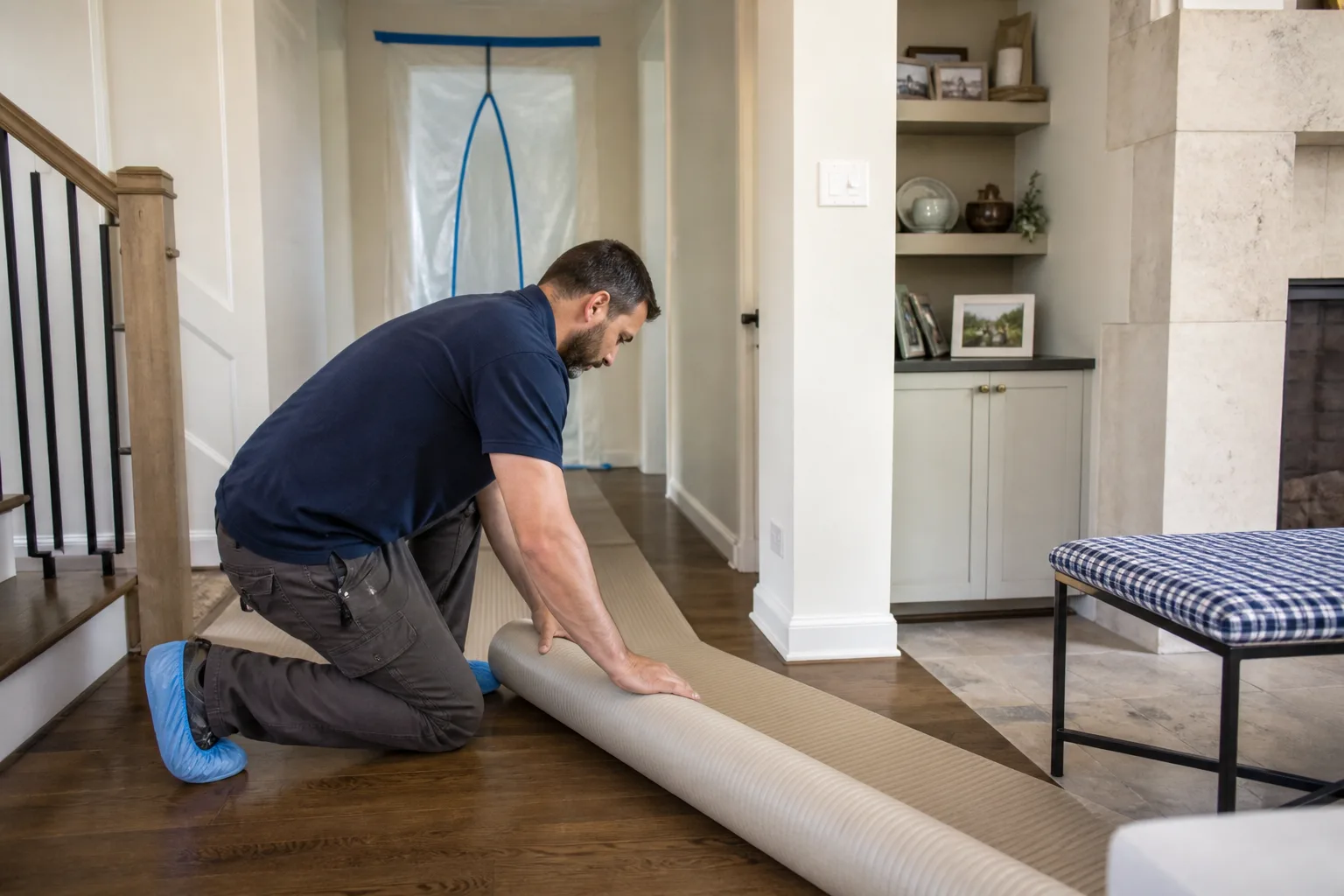
In our experience running Sawyer Remodel Pasadena home projects, the bids that come in dramatically lower than the other two are almost never the result of efficiency. They’re the result of scope that hasn’t been priced yet, and the difference always shows up later. We put the price in writing before the first tool is picked up, which means our bids include the same things that surprise homeowners with other contractors: permits, waterproofing, debris removal, and protection of the rest of your house.
Step 4: Communication Red Flags to Spot Before the Job Starts
The best predictor of how a contractor will communicate mid-project is how they communicate before they’ve been hired. The pre-hire phase is the easiest time to observe, and Pasadena homeowners who ignore what they see in the first two weeks of estimation end up frustrated in month three of construction.
Here are the specific communication behaviors to track:
- Response time on questions. A contractor who takes five days to return an email about a bid is showing you their real response cadence. Once your kitchen is torn out, that five-day gap becomes five days of a non-functional house. Look for same-day or next-day responses during the hiring process.
- Photo documentation habits. Ask any contractor you’re considering: “How do you document work as it progresses?” The best answer includes before photos, in-progress photos at key milestones, and after photos. The worst answer is “you can trust me” or “I’ll be there every day.” In Pasadena’s remodel market, photo updates should be standard practice. The Relay Visibility Guarantee our company operates under means photo updates before and after are not optional extras.
- How they handle permit questions. When you ask “Will you pull the permits or should I?”, the answer should be immediate and specific. A contractor who says “we don’t really need permits for this” is telling you something important about their relationship with the City of Pasadena’s building department.
- Who answers the phone. Call the main number during a workday, not just the cell number the salesperson gave you. If the main line goes to voicemail repeatedly during business hours, that’s how the company operates when there’s no sale on the line. Our office answers live, 24/7, because a homeowner with a question about their project shouldn’t wait until Monday.
- Their attitude toward your questions. A contractor who gets defensive when you ask about their process, their insurance, or their license is showing you how they’ll react when you question a schedule slip or a change order. Good contractors welcome the scrutiny because they know the process holds up.
One more Pasadena-specific check: ask for a reference from a project completed in the last six months, ideally within a few miles of your neighborhood. For year-round maintenance tips, see our Seasonal Construction Care for Pasadena: Year-Round Homeowner’s Guide. Pasadena’s older home stock across neighborhoods like Bungalow Heaven, Madison Heights, and San Rafael has distinct challenges around foundation settling, old cast-iron plumbing, and unpermitted past work. A contractor who’s recently navigated those conditions near you has intel a contractor from across the county doesn’t.
Step 5: Permits in Pasadena and Who Should Pull Them
Pasadena has its own building department, separate from Los Angeles County, and its permit process runs through the city’s Permit Center. That distinction matters because the rules, fees, and timeline differ from neighboring cities. What gets permitted in unincorporated LA County might not match what the City of Pasadena requires, and a contractor who works mostly in neighboring areas might not know the local amendments.
Here’s the question most homeowners ask, answered directly: the contractor should pull the permit under their license, never the homeowner. When the contractor’s license number goes on the permit application, the contractor is legally responsible for meeting code, passing inspections, and correcting the work if it fails. When you pull the permit as an owner-builder, all of that responsibility transfers to you.
The owner-builder insurance gap deserves more attention than it gets. In California, if a worker is injured on a job where the homeowner pulled the permit, the worker’s compensation system typically looks to the person who holds the permit as the employer. Your homeowner’s insurance likely excludes injuries to workers who were hired by you, because homeowner’s policies assume you don’t run construction sites. If the contractor you’re working with has no workers’ comp coverage, the injured worker’s medical bills and lost wages can become a personal claim against your assets. For a Pasadena homeowner, pulling the permit yourself to save the permit fee creates a liability exposure that could be hundreds of times larger than the fee itself.
The permit process itself moves at the city’s pace, and honest contractors tell you this up front. Some projects need plan review before any work starts. Others qualify for express permits that can be issued quickly. The right contractor knows which path your project takes and schedules accordingly. What they shouldn’t do is start work without the permit and tell you it’ll be fine. It won’t, and unpermitted work in Pasadena becomes a problem when you sell the house.
Step 6: Payment Schedules That Protect You
The payment schedule in your contract determines how much leverage you keep as the project progresses. The wrong schedule puts you in a position where you’ve paid most of the project cost long before the work is done. The right one ties every payment to visible, verifiable progress.
California law caps the down payment for home improvement contracts at the lesser of $1,000 or 10% of the job total. If a contractor asks for more than that up front, they’re asking for something the law doesn’t allow. Beyond the down payment, the schedule should be structured so you never pay for work that hasn’t been completed. A reasonable structure for a multi-week Pasadena remodel looks like this:
- Down payment: $1,000 or 10%, whichever is smaller, at contract signing.
- Second payment: On completion of demolition and rough-in, after the relevant inspection passes.
- Third payment: On completion of drywall, tile, and millwork, before fixtures go in.
- Final payment: On substantial completion, after the final walkthrough and after all inspections are signed off.
What you don’t want is a schedule that front-loads the contractor’s profit before the hard work happens. If a contractor wants 50% before day one, they’re financing their last project with your money. Our projects operate under The Relay Standard, which includes a digital invoice you pay from a link and a written price that doesn’t move without a written change order you’ve approved. The invoice should never be a surprise.
Change orders deserve their own note, because this is where Pasadena homeowners lose the most money. A change order is a written amendment to the contract that adjusts the scope or price. It should always be in writing, always signed by both parties, and always agreed to before the changed work begins. Verbal “we’ll figure it out later” changes are how you end up with a $4,000 surprise at the end. Fixed pricing with written change orders is the standard we hold ourselves to, and it’s a standard you can hold any contractor to by putting it in the contract.
Step 7: The Final Walkthrough and Warranty Handoff
The final walkthrough is your last chance to catch anything that’s not done before you release final payment. Walk through every room with the contractor, with a notepad or phone camera in hand. Turn on every fixture, open every cabinet, close every door, run every appliance, and inspect the tile work and trim at eye level. Put anything that’s not complete or not satisfactory on a written punch list with a deadline for correction.
The warranty conversation should happen before you sign the contract, not after the work finishes. Ask these three questions of any contractor you’re considering:
- “What does your warranty cover, and for how long?” The answer should be specific and written. A one-year workmanship warranty is common and reasonable, but some contractors offer more. Our 365-Day Done Right Promise means if it’s not done right, we make it right, backed in writing on every project.
- “What happens if something fails after the final payment?” A good answer includes a clear process: call, schedule an assessment, get a written evaluation. A bad answer is “call me if anything comes up” with no follow-through. We include a free second visit if a repair fails within the promise period, covered without argument.
- “Are material warranties separate?” Manufacturer warranties on products like window glass or roofing materials are separate from workmanship warranties. A contractor who explains this difference is one who knows how warranty claims actually work. Materials sourced from named brands like ViewLux window products or Therma-Tru doors carry manufacturer backing beyond the installer’s workmanship, and you want to know which party covers what.
Keep the final payment until the punch list is resolved. Once you release final payment, your leverage drops to the warranty document, and a written warranty is stronger than a verbal promise. Get everything in writing before you write the final check.
Common Mistakes to Avoid
- Comparing total price instead of line items. The lowest total is usually a scope that hasn’t been fully priced yet. Compare line-by-line, and ask what’s missing from each bid.
- Skipping the CSLB check. It takes three minutes. A license that’s expired, misclassified, or held by a different name than the person you’re talking to is a dealbreaker, not a detail.
- Pulling the permit yourself to save money. Owner-builder permits in Pasadena transfer legal and insurance liability onto you. The permit fee savings is tiny compared to the exposure.
- Accepting a verbal change order. “Just add it and we’ll settle up later” is how a $3,000 change becomes a $9,000 invoice. Everything in writing, signed by both parties, before the work starts.
- Paying too much up front. California caps home improvement down payments at $1,000 or 10%. A contractor who wants 30% before day one is asking you to fund their last project.
- Ignoring communication red flags during the estimate phase. Slow responses now become slower responses after you’re locked in. If they can’t answer questions promptly when they’re trying to win the job, they won’t answer them once they have it.
- Skipping the final walkthrough punch list. Once final payment clears, your leverage is the warranty document. Walk the whole job with a camera and a list before you release anything.
See the difference
 Before
 After
After Before
 After
After Before
 After
AfterWhen to Call a Professional
The moment you know the project involves more than one trade, you need a general contractor. A Pasadena bathroom remodel touches plumbing, electrical, waterproofing, and tile work, and someone has to own the schedule and the permit. The same goes for any project that opens walls, moves pipes, or changes the footprint of a room. If you’re uncertain about the license classification you need, unsure how to compare three bids you’ve already received, or staring at a contract with clauses you don’t fully understand, a professional conversation is the fastest way to clarity. You can also explore more guides & resources on our blog. Sawyer Remodel Pasadena offers free estimates in Pasadena, with a written price before any work starts. Call (626) 657-5396 to schedule yours.
Frequently Asked Questions

Go to cslb.ca.gov, click “Check a License,” and enter the license number the contractor gives you. Confirm the name on the license matches the person or company you’re talking to, the classification matches the work (B for general building, C for specialty trades), and there are no active suspensions or disciplinary actions. The whole check takes under three minutes and should happen before you schedule the first estimate. Call (626) 657-5396 if you’d like help walking through a specific license record.
A complete contract includes the scope of work in specific terms, the total price, the payment schedule, the project timeline, named material brands where relevant, a written change order clause, an unknown conditions clause, and the warranty terms. If a contractor hands you a one-page contract with a total price and “standard work” in the scope line, send it back for detail or walk away. The more specific the document, the fewer surprises later. We put every price in writing before work starts, no exceptions.
The contractor should pull the permit under their license, not you. When the contractor’s license number is on the permit, they carry the legal responsibility for code compliance and passing inspections. An owner-builder permit transfers that responsibility to you, along with workers’ compensation liability if an uninsured worker gets injured on your property. The small savings in permit fees is not worth the exposure.
Cost varies by project scope and finish level, but for planning purposes, a Pasadena bathroom remodel typically runs between $18,000 and $45,000 depending on size and material selection, while a whole-home renovation can range from $80,000 to $250,000 or more for larger homes. These are ranges, not quotes, and your specific project depends on the existing conditions, the finishes you choose, and whether the footprint changes. Call (626) 657-5396 for a free estimate with a written price.
A standard Pasadena bathroom remodel takes roughly three to six weeks from demo to final walkthrough, assuming permits are issued on schedule and no unexpected conditions appear behind the walls. Kitchens run longer, typically six to twelve weeks. Older Pasadena homes in neighborhoods like Bungalow Heaven and San Rafael often reveal surprises during demo, so a good contractor builds some buffer into the schedule rather than promising the fastest possible timeline.
The most common dispute is the verbal change order, where scope or materials shift mid-project without a written agreement on the new price. That’s why the written change order clause is non-negotiable: nothing changes without both parties signing a document that states the new scope and the new cost. Fixed pricing with written approvals protects you from the surprise at the invoice.
The Bottom Line
Hiring a construction contractor in Pasadena is not about finding the cheapest bid. It’s about running a process that surfaces the right contractor: verify the license through the CSLB in under three minutes, insist on a written scope with change-order protections, compare bids line-by-line rather than by total price, and confirm the contractor pulls the permits under their own license. Watch communication habits during the estimate phase, because they’ll be the same habits during construction. Tie payments to progress, not promises. And get the warranty in writing before you sign. Run the process this way, and the decision makes itself.
Written by Luca Romano, Owner at Sawyer Remodel Pasadena, serving Pasadena since 2005.