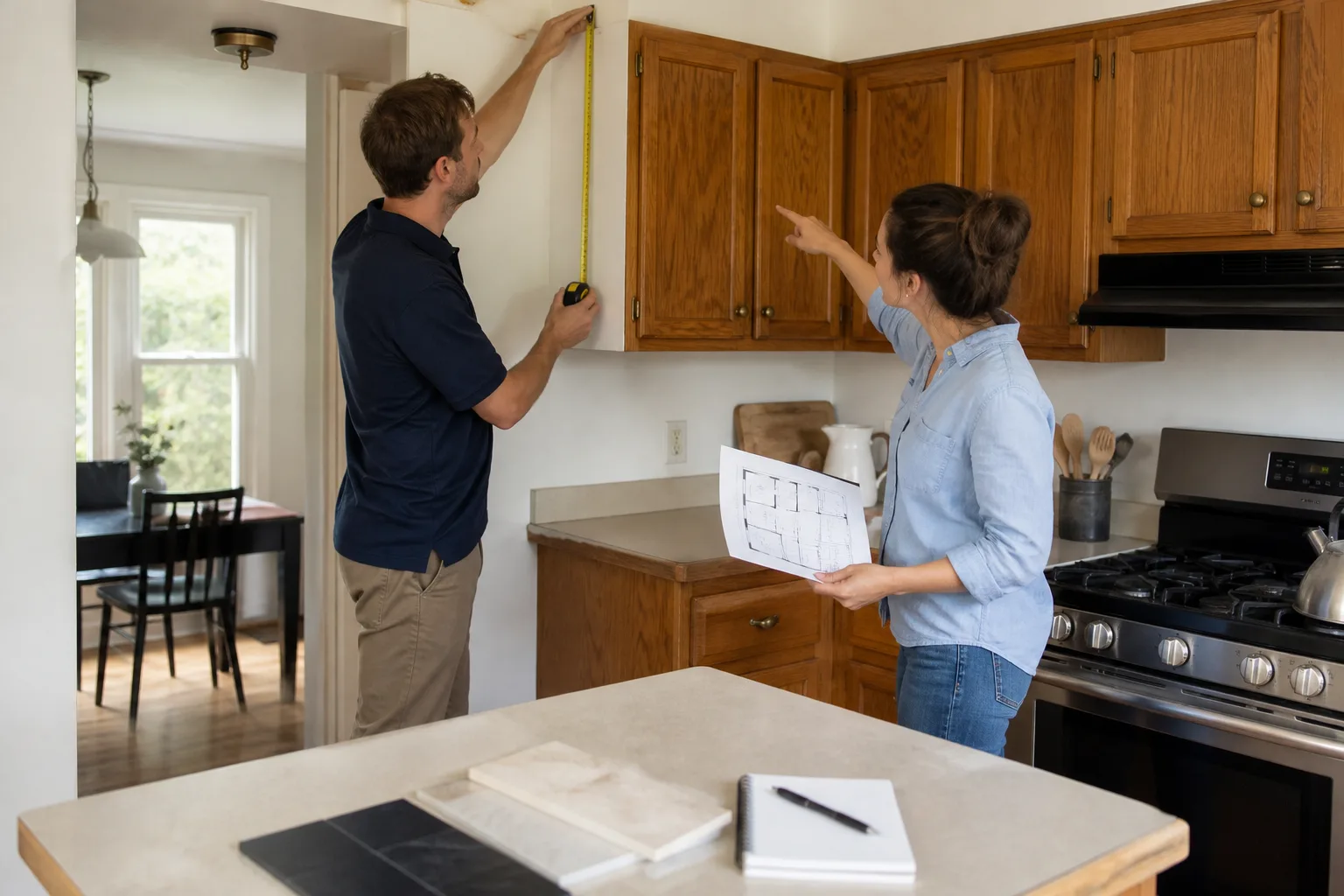
Free written scope consultation - allowances, timeline, and change-order rules on paper before a single trade is scheduled
Tuff Shed Driveway & Pavers: The Pasadena Owner’s Guide
We stock and install Tuff Shed-compatible driveway and paver systems throughout Pasadena, with typical paver driveway installations running $7,000 to $18,000 depending on square footage, paver material, and how much prep the existing ground needs. We keep common Tuff Shed base kits and paver patterns on our trucks, which means most jobs start within a few days of your call. The symptom that usually gets our phone ringing is a shed pad that’s settled unevenly, leaving a lip at the door that catches the bottom of the door every time you open it. Or worse, a concrete apron that’s cracked straight through and letting water run back under the shed floor.
If you’re reading this because your Tuff Shed is sitting on a driveway or paver pad that’s sinking, shifting, or pooling water, you’re in the right place. We’ve repaired and rebuilt shed foundations and approach aprons across Pasadena, from the flat lots near Victory Park to the sloped parcels up in the San Rafael Hills. The soil here moves, and pavers move with it if the base wasn’t built right the first time.
Which Tuff Shed Models This Applies To
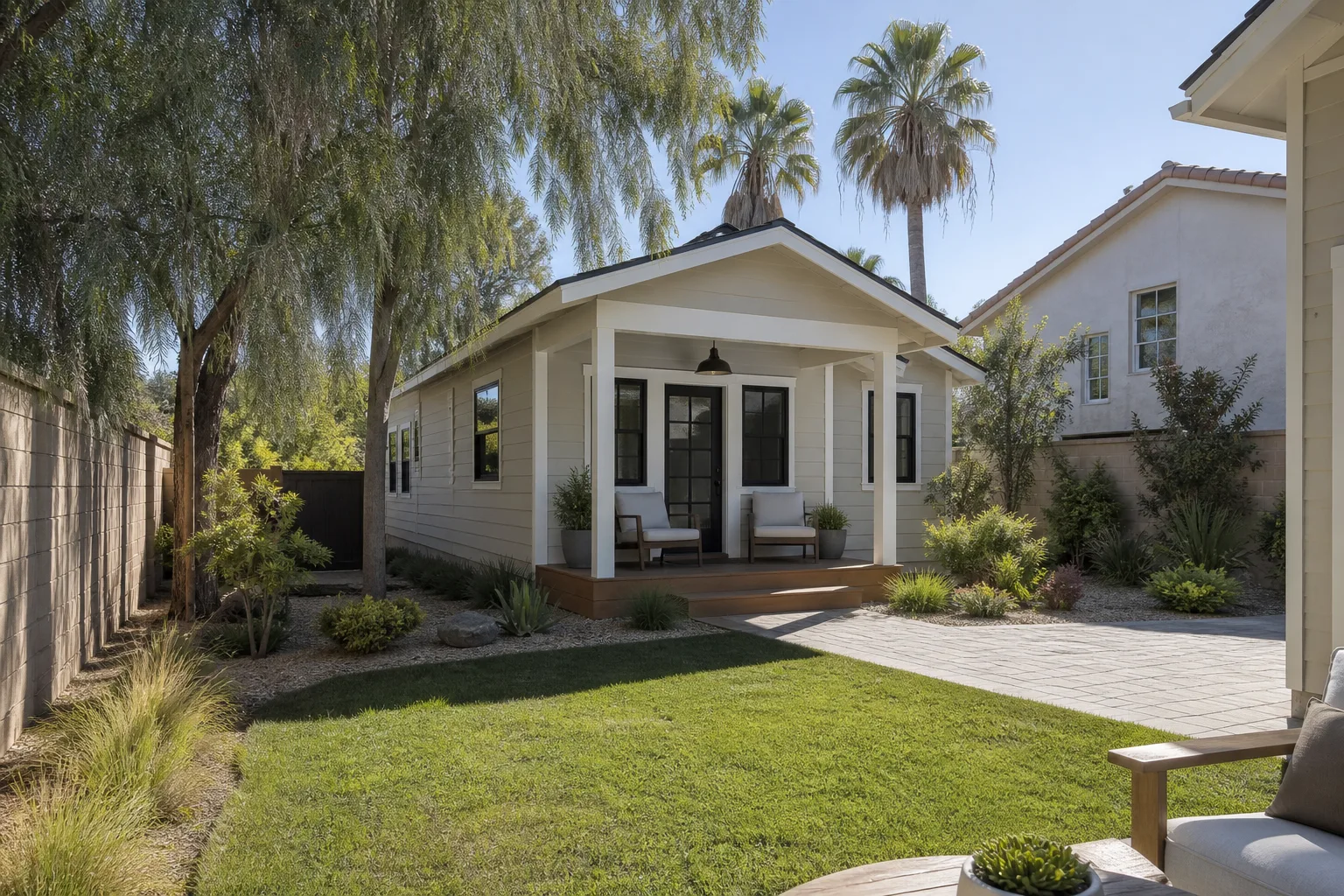
This page covers driveway approaches, paver pads, and foundation bases for any Tuff Shed installed on a paved or paver surface. That includes the Premier PRO series, the Premier Ranch, the Sundance, and the standard Utility series. The compatibility question isn’t really about the shed model; it’s about the pad underneath it. Tuff Shed specifies a level, well-drained base, and when that base fails, the shed’s floor framing takes the punishment.
One gotcha we see often in Pasadena: older Tuff Shed pads were poured or laid without a proper gravel sub-base, just pavers on compacted dirt. In our climate, that works until the first real rainy season, then the fines wash out and you get a corner dropping an inch and a half. If your pavers are 3-1/8 inches thick (a common older spec), that’s a thinner profile paver that’s more prone to cracking under point load. Newer installs use 2-3/8 inch concrete pavers over a 4-6 inch compacted base, and they hold up far better. You can check your own pad by pulling one edge paver and looking at what’s underneath. If it’s mostly sand and native soil, that’s your problem.
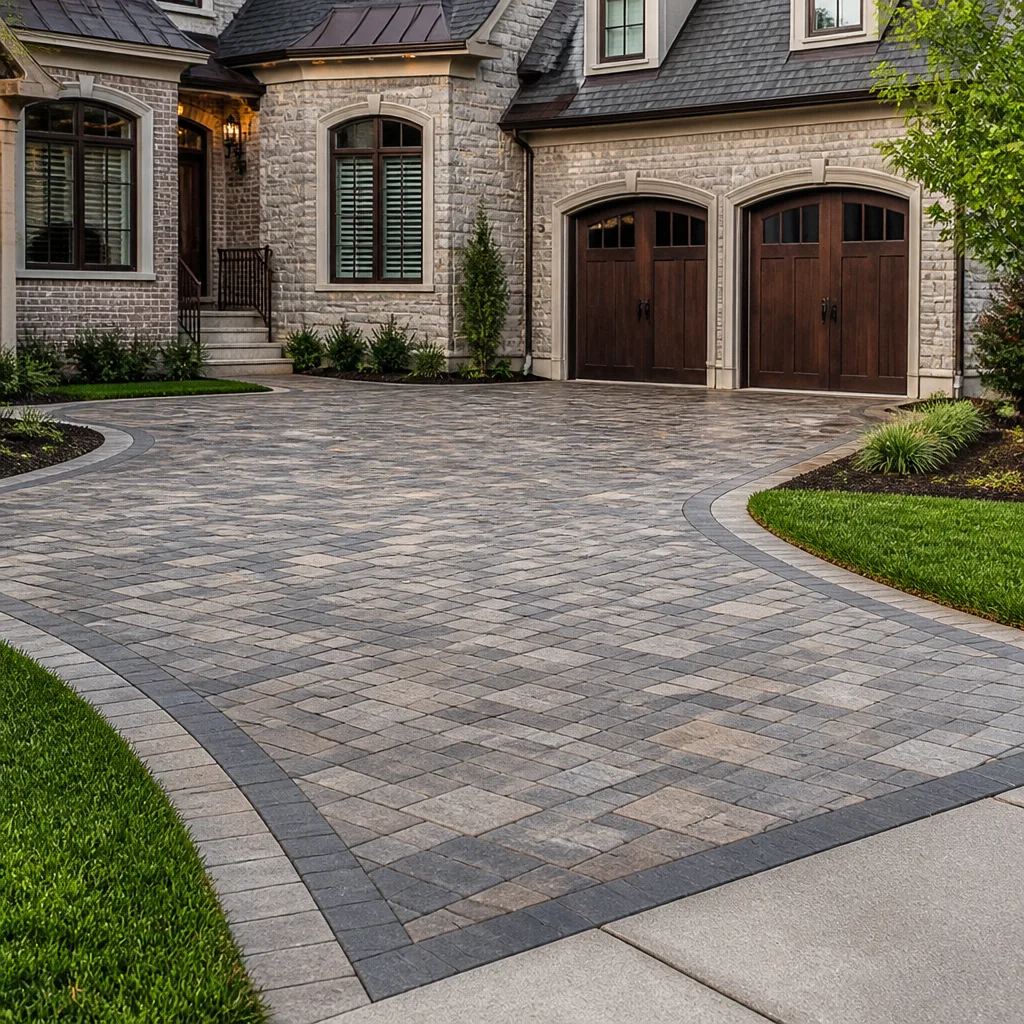
We do not stock Tuff Shed branded pavers, because Tuff Shed doesn’t manufacture pavers. What we stock are quality aftermarket pavers and base materials that match or exceed the original spec: Calstone, Belgard, and Pavestone lines, all rated for Southern California’s UV exposure and the occasional frost morning up against the foothills.
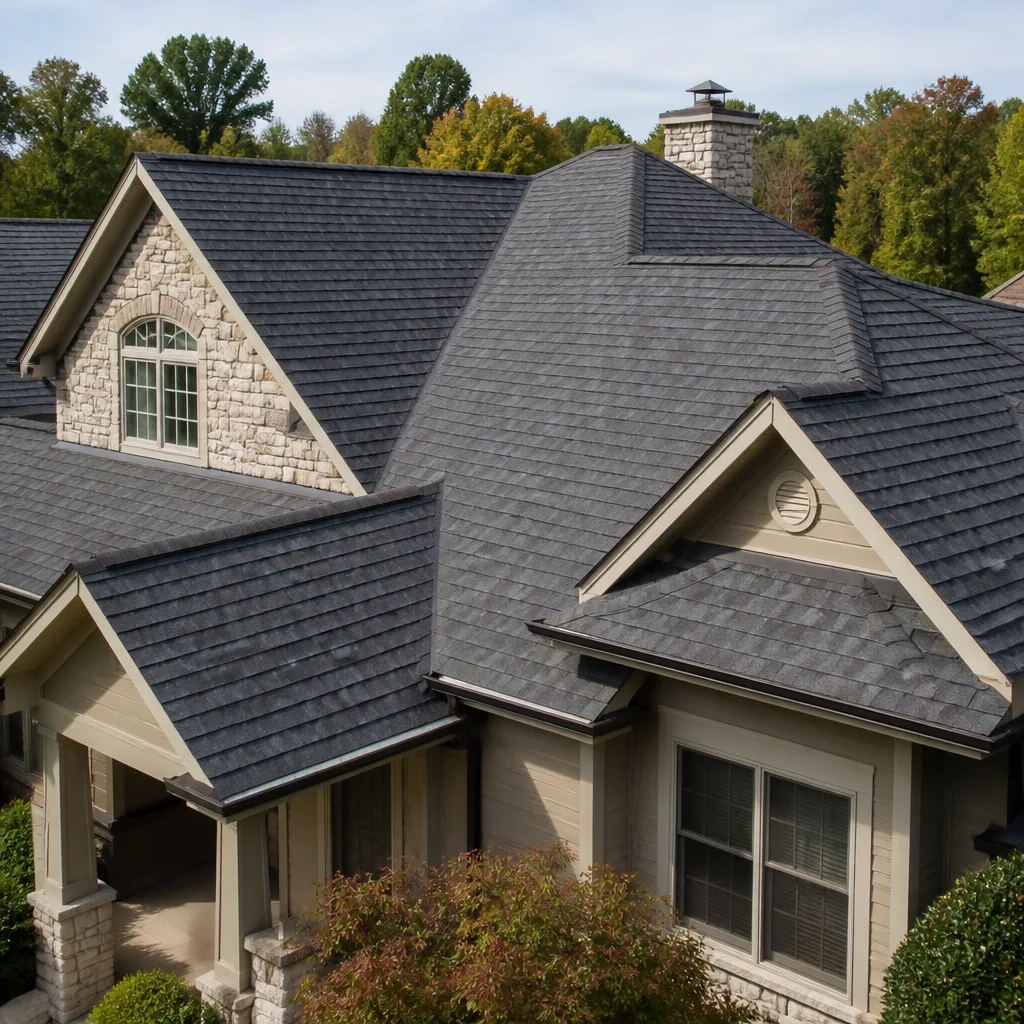
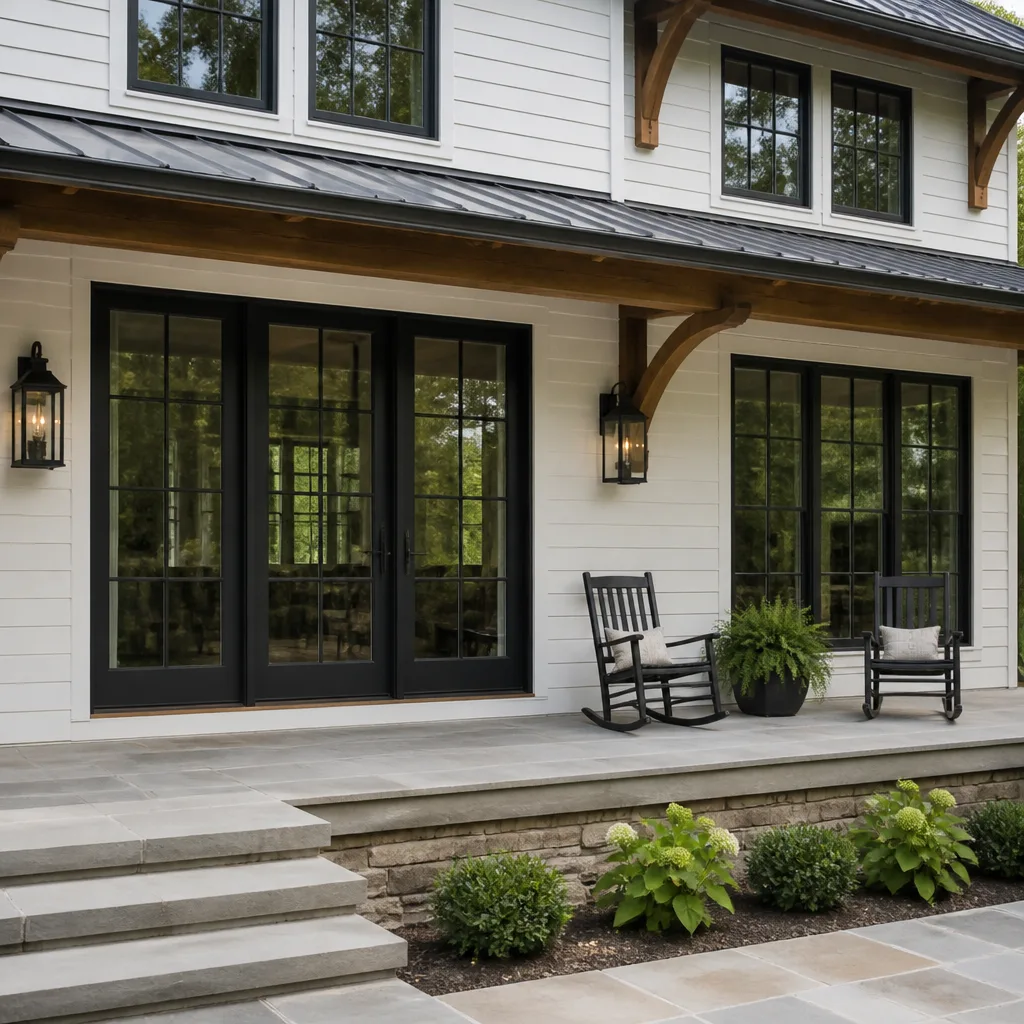
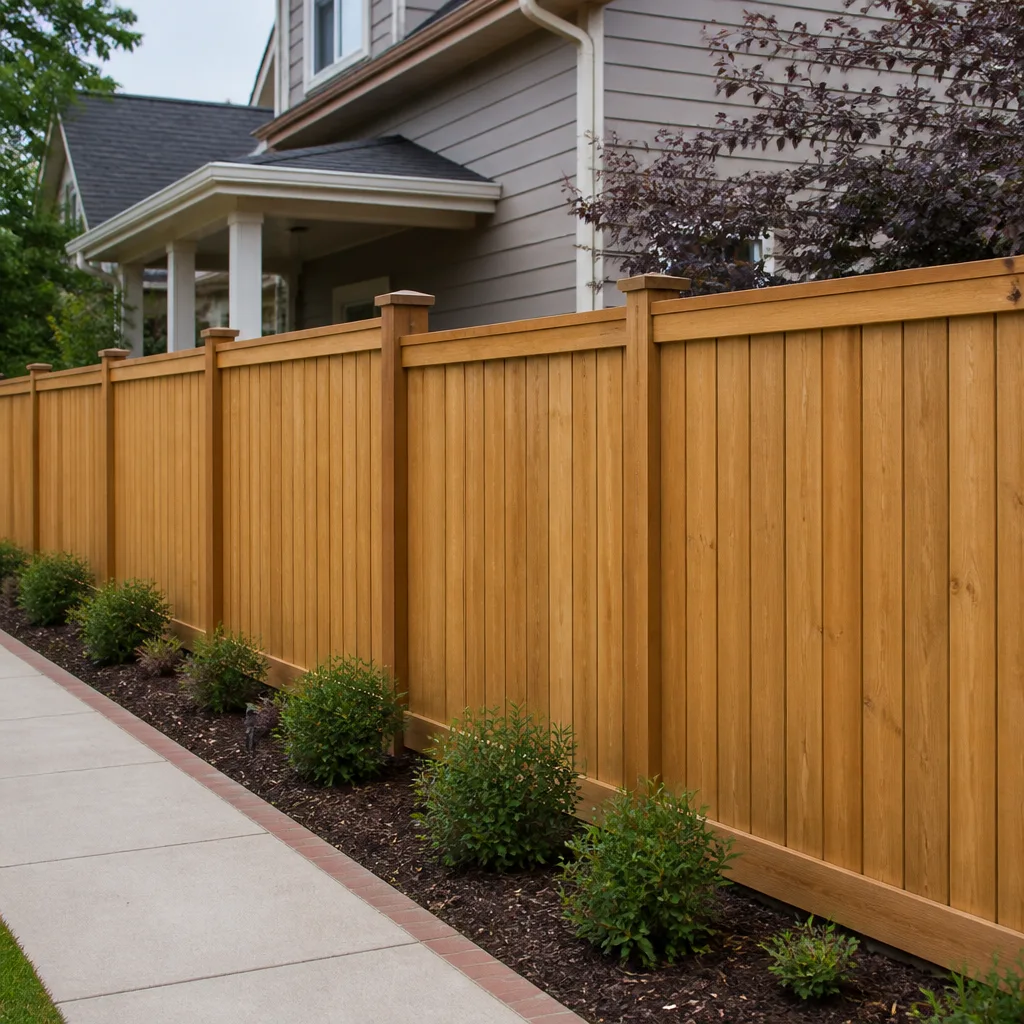
Styles & brands we work with
Signs Your Tuff Shed Driveway & Pavers Is Failing
- Door won’t close or drags on the threshold. This means the pad has settled unevenly, usually at the front lip, and the shed floor framing is now lower than the door opening. It’s the number one sign we see in Pasadena, and it only gets worse as the rainy season works the soil.
- Water pools against the shed wall or floor edge. Pavers that have lost their slope or a concrete apron that’s heaved will direct runoff toward the shed instead of away from it. Over time this rots the floor joists and invites termites, which love the San Gabriel Valley’s warm, damp wood.
- Visible cracks running through the apron or pad. Cracks wider than a quarter inch in concrete or repeated broken paver edges mean the base underneath has failed. Patching the surface without fixing the base is a temporary band-aid, usually good for one season.
- Pavers rocking underfoot or sounding hollow. A hollow sound tells you the sand bed has eroded and the paver is bridging a void. Rocking pavers on a driveway are also a trip hazard; if someone catches a toe and goes down, that’s a liability you don’t want.
- Weeds pushing up between pavers in dense clusters. A few weeds are normal. Dense clusters mean there’s enough moisture and open space for roots to thrive, which signals failing joint sand and a compromised base layer.
Replacement Cost & What’s Included
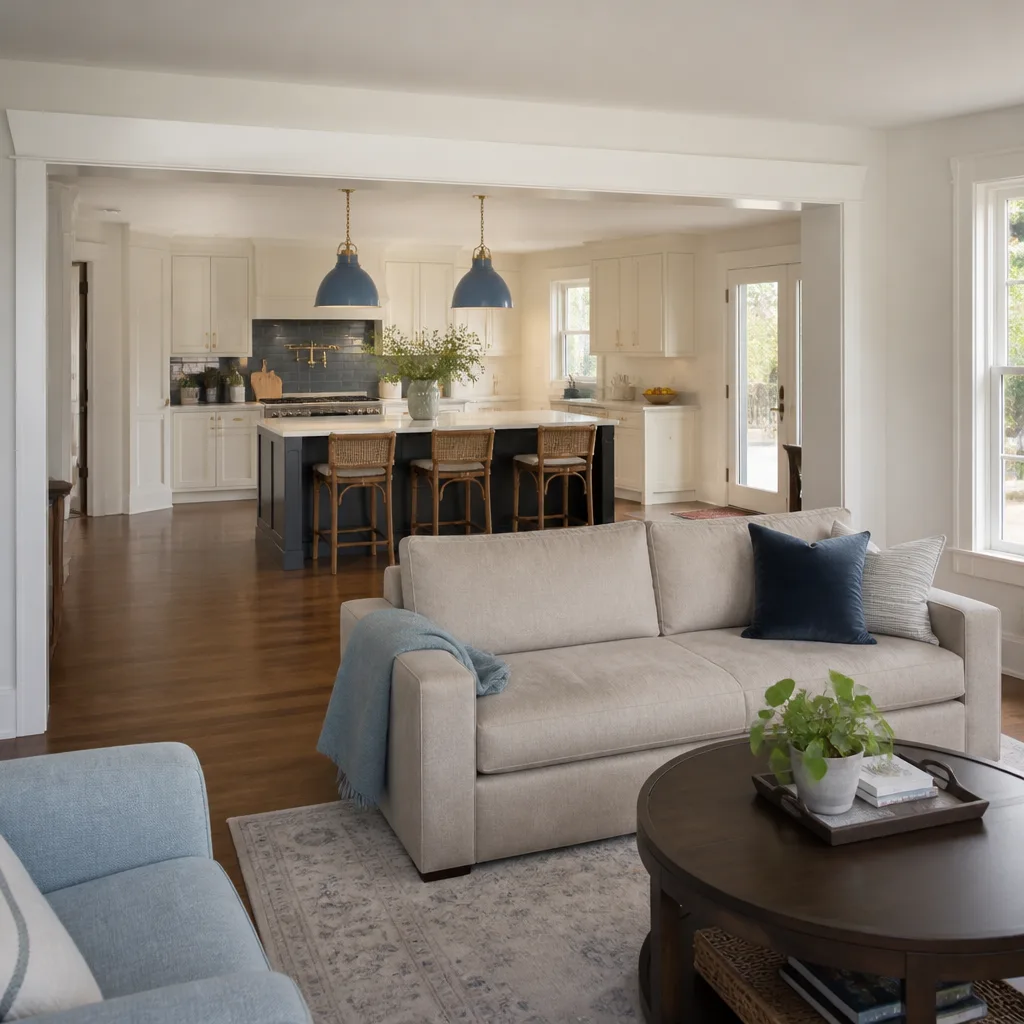
Here’s what you can expect in Pasadena, based on our recent jobs:
- Paver driveway installation: $7,000 – $18,000
- Concrete driveway installation: $4,500 – $12,000
- Asphalt driveway paving: $3,500 – $9,000
- Driveway replacement: $5,000 – $14,000
- Driveway sealing: $250 – $700
- Paver patio installation: $3,500 – $11,000
What drives the range: the square footage of the pad, whether we can reuse existing pavers or need new material, how much excavation and base work the soil requires, and access. Tight backyard access in neighborhoods like Bungalow Heaven means we’re hauling material by wheelbarrow instead of dumping it from a truck, and that adds labor. Every quote includes the full base rebuild: excavation, compacted gravel, sand bedding, paver or concrete surface, and edge restraint. The written price you approve is the price you pay. No change orders because the soil turned out different than expected; we handle that on every Pasadena job and it’s part of what’s now called The Relay Standard.
See the difference
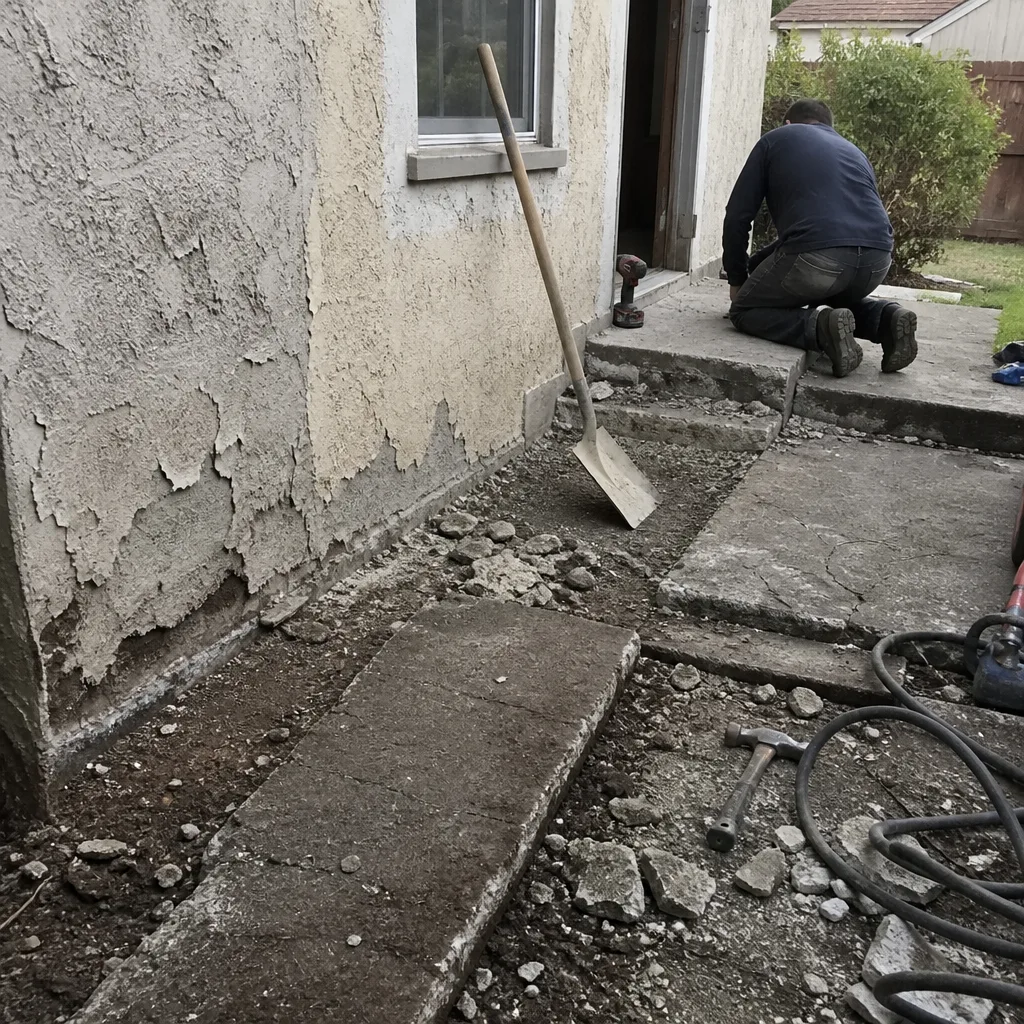 Before
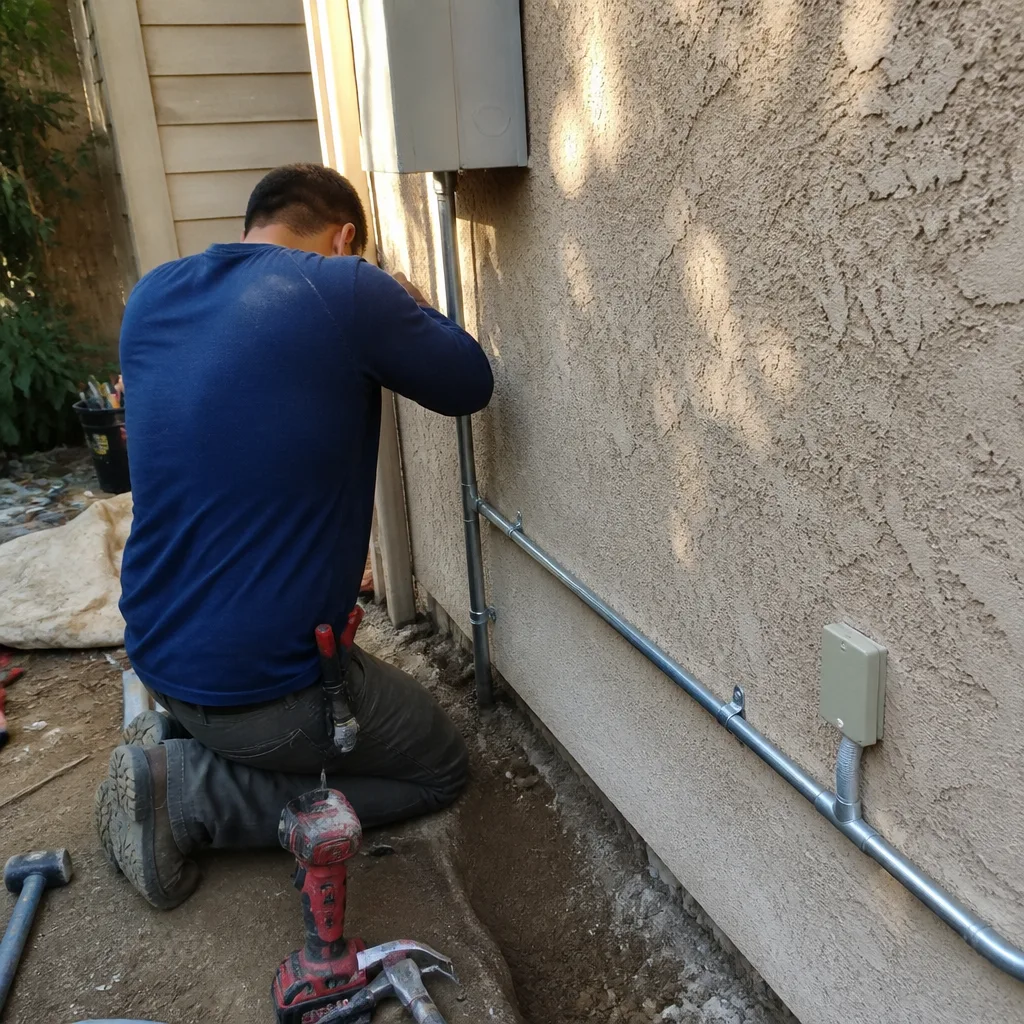 After
After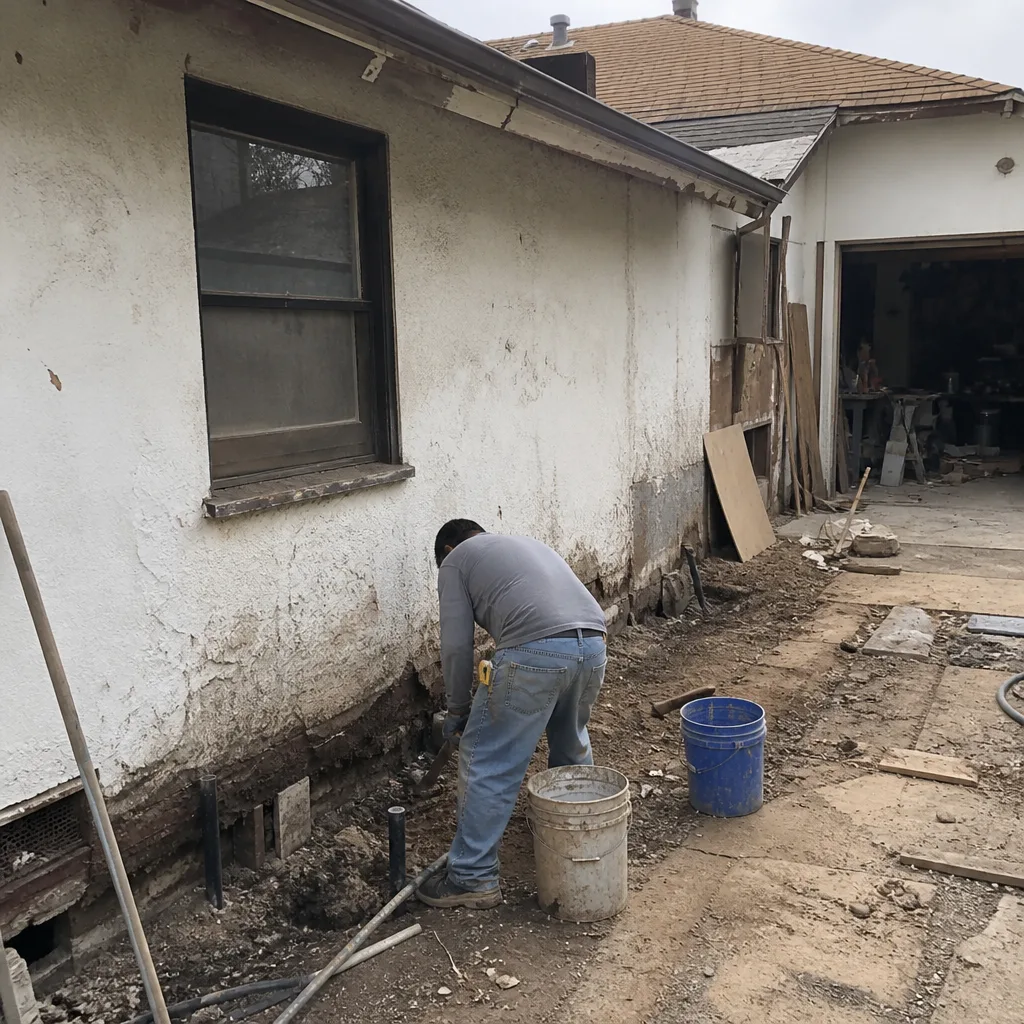 Before
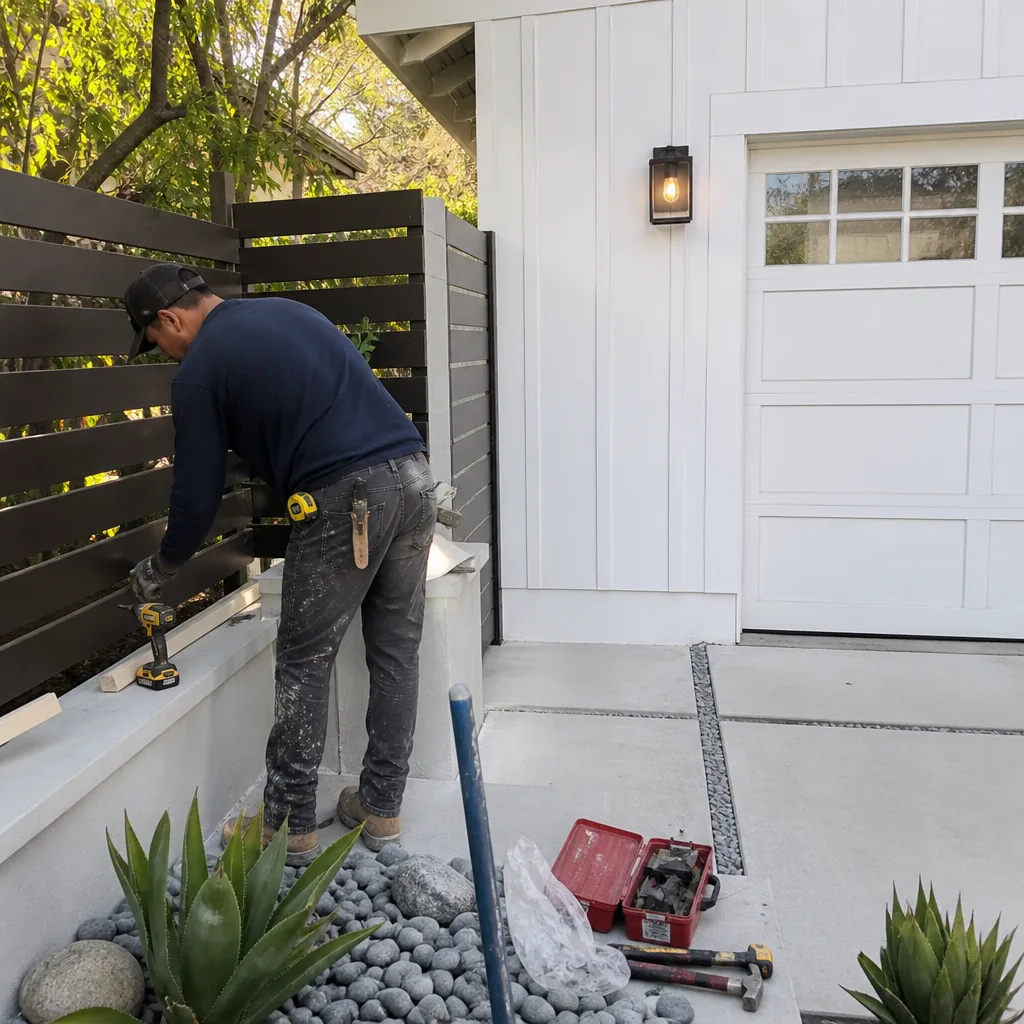 After
After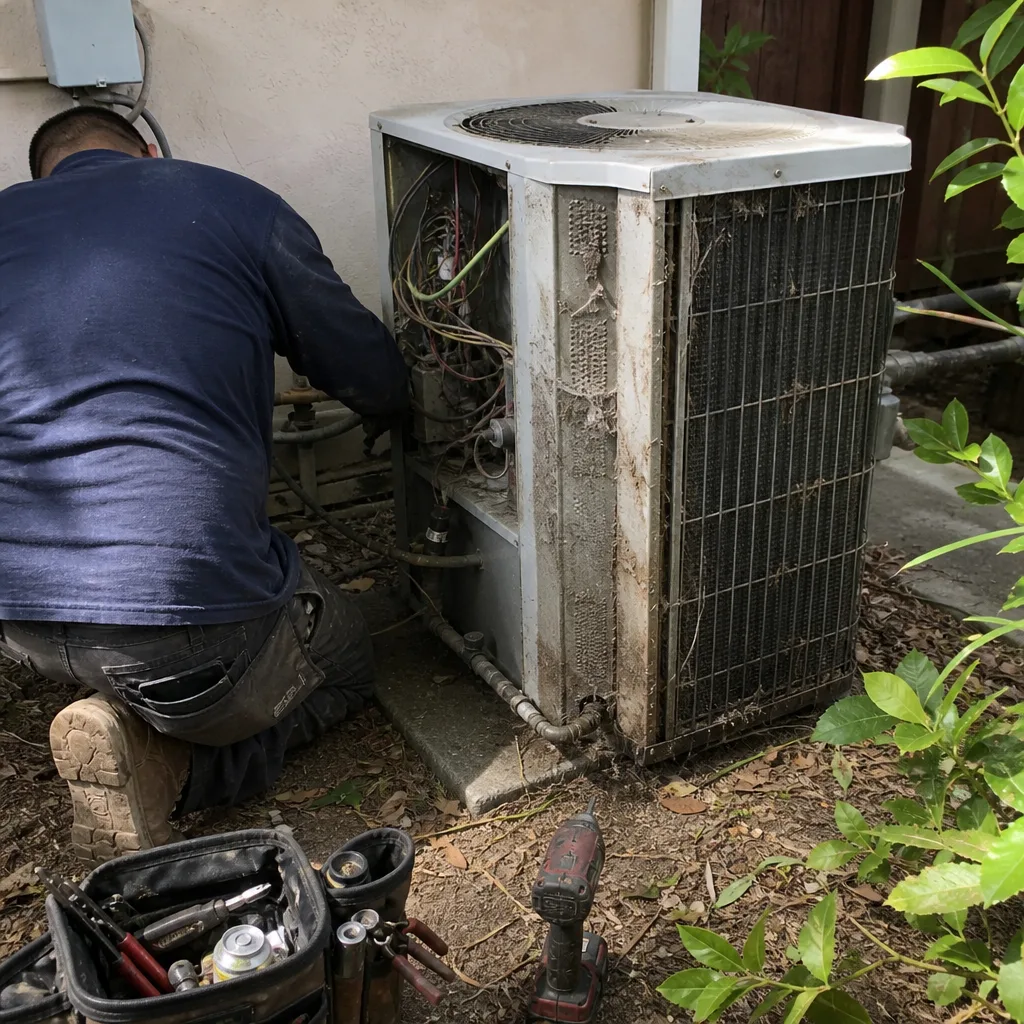 Before
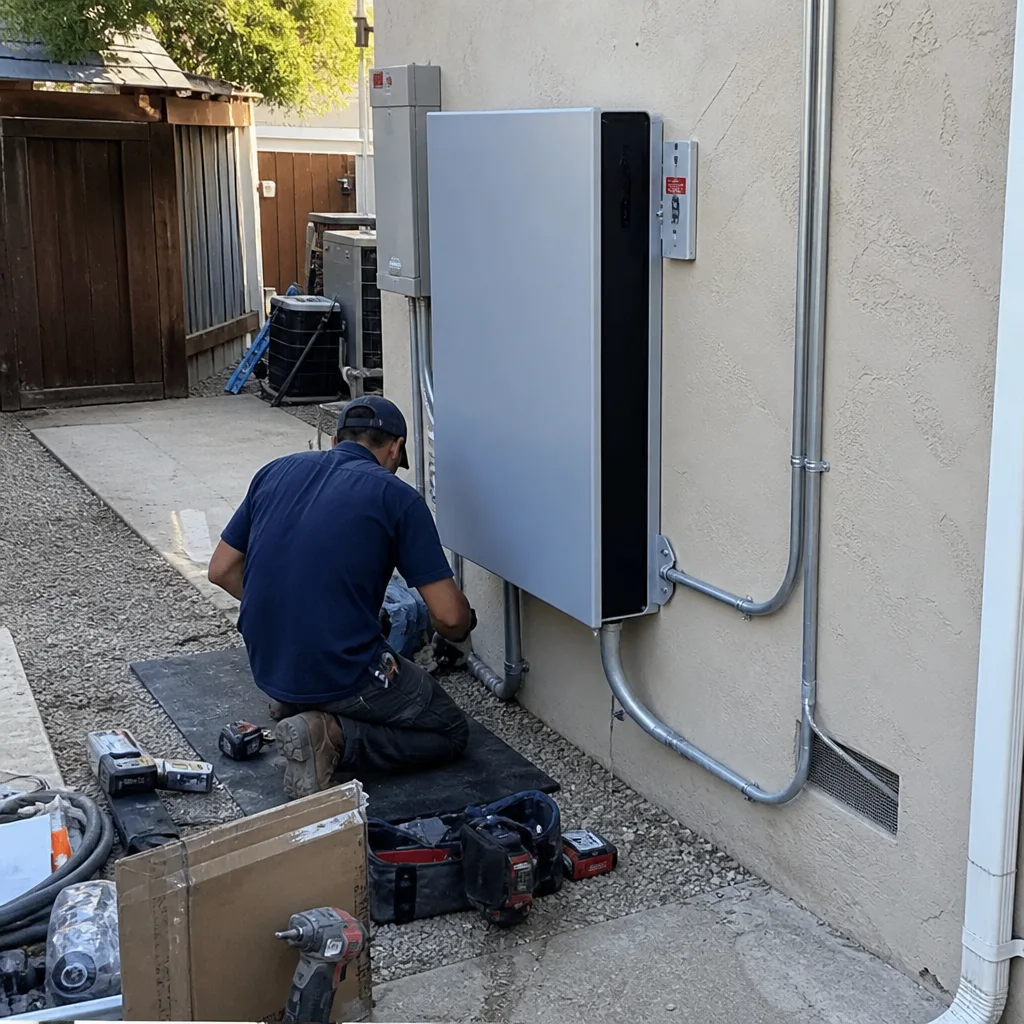 After
AfterDIY or Call Us?
You can safely check a few things yourself: pull a paver and look at the base, run a level across the pad to see how much it’s dropped, and check the slope to confirm water is running away from the shed. That information helps you decide if you’re dealing with a cosmetic crack or a structural base failure.
Where DIY goes wrong is when it comes to excavation and compaction. Pasadena’s clay-heavy soil expands and contracts with moisture, and if you don’t compact the base in lifts with the right material, you’ll be redoing the job in two years. We’ve also seen homeowners lay pavers directly over a cracked concrete pad and wonder why the cracks telegraph through in a season. Tearing out and rebuilding a shed pad properly is a multi-day job with heavy material. If that’s not your idea of a weekend, call (626) 657-5396 and we’ll do it right the first time.
FAQs
A properly built paver pad with a compacted gravel base should last 20 to 25 years in Pasadena’s climate, with occasional joint sand top-ups every 3 to 5 years. Pads built without a proper base typically start showing settlement within 3 to 7 years.
Yes, in many cases we can lift and re-set the affected section, re-compact the base, and re-lay the same pavers, which costs significantly less than full replacement. It depends on the condition of the pavers and how extensive the base failure is. Call (626) 657-5396 and we’ll give you an honest read after looking at the pad.
Most Tuff Shed pad and paver driveway replacements in Pasadena take 3 to 5 working days from excavation to final compaction, weather permitting. Rain days can stretch that, since we don’t compact wet base material.
We stock common Belgard, Calstone, and Pavestone paver lines and keep base material on our trucks for most jobs. If your job needs a specific paver color or pattern we don’t have on hand, we’ll order it and confirm lead time before we start.
Call Sawyer Remodel Pasadena for Your Tuff Shed Driveway & Pavers
Luca Romano has worked on plenty of Pasadena homes where the driveway or shed pad was an afterthought, and it shows in the way the ground settles and the pavers move. The work tells you everything. You just have to know how to listen to it. We listen, we diagnose the base, and we give you a written price before any work starts. Call (626) 657-5396 for a free estimate on your Tuff Shed driveway or paver pad. We’re an independent local contractor, not affiliated with Tuff Shed, and we also stock parts for KraftMaid, Cambria, and Silestone installations.
Written by Luca Romano, Owner & Lead Contractor, Sawyer Remodel Pasadena at Sawyer Remodel Pasadena, serving Pasadena and nearby areas.