




Free written scope consultation - allowances, timeline, and change-order rules on paper before a single trade is scheduled
Therma-Tru Roofing: The Pasadena Owner’s Guide
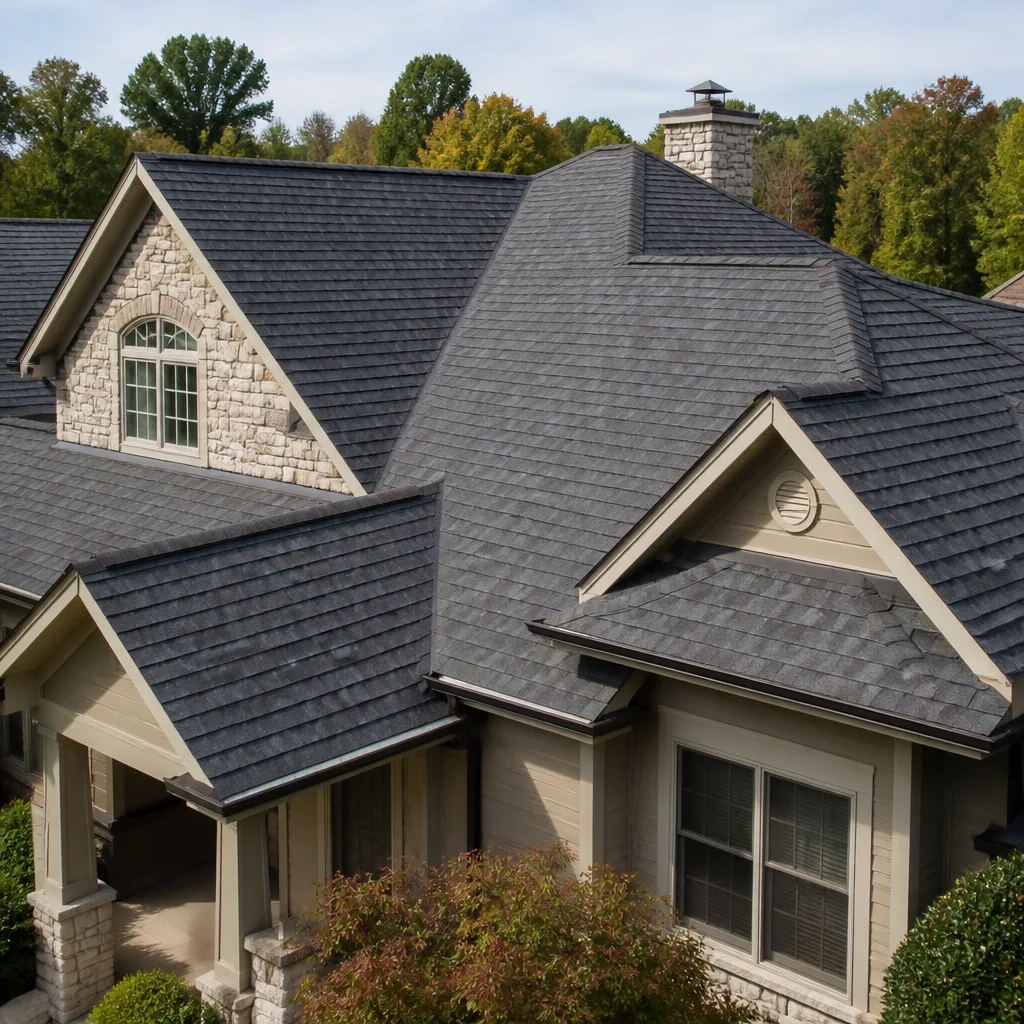
We stock and install Therma-Tru-compatible roofing parts across Pasadena, with most jobs running $400 to $1,800 for repairs and $8,000 to $20,000 for full replacements. If you’re staring at a cracked seal, a warped panel, or water staining on your ceiling below a Therma-Tru roof component, we can usually get eyes on it within a day or two. What you’re dealing with is rarely the whole roof. In Pasadena’s dry heat and occasional heavy winter rain, the failure that gets you is almost always a single part: a flashing collar, a vent boot, a deteriorated gasket, or a seam that finally gave up after ten-plus years of UV exposure.
Here’s the reality of Therma-Tru roofing: the brand is best known for doors, but their roofing-adjacent components – entry canopies, awning assemblies, and integrated flashing kits – show up on plenty of Pasadena homes, especially mid-century builds and recent additions. The parts fail in predictable ways, and the fix is usually straightforward if you match the part correctly. We’ll walk you through what to look for, what it costs in this market, and when you should not touch it yourself. Luca Romano has been working these roofs in Pasadena long enough to know that guessing at a part number is what turns a $500 repair into a $5,000 headache.
Key takeaways:
- Therma-Tru roofing repairs in Pasadena typically run $400 to $1,800 depending on the part and access
- Full roof replacements involving Therma-Tru assemblies run $8,000 to $20,000 in this market
- Most failures are single-component: flashing, gaskets, or seam seals – not the whole system
- OEM parts cost more but match without modification; quality aftermarket equivalents often save 20 to 40%
- We’re an independent service provider, not a Therma-Tru dealer – so we’ll tell you honestly if you need OEM or if an equivalent will do
Which Therma-Tru Models This Applies To
Therma-Tru’s roofing line breaks into a few families you need to identify before ordering anything. The main series we see in Pasadena are the Classic-Craft canopy assemblies, the Fiber-Classic awning components, and the Benchmark entry roof kits. Each uses different flashing profiles and seal geometries, so a gasket from a Benchmark kit won’t seat correctly on a Fiber-Classic frame. That’s the single most common mismatch we correct: someone ordered a part online that “looked right” and it leaked within a season.
To identify what you have, look for the Therma-Tru label or embossed part number on the underside of the canopy frame or inside the awning channel. If the label is gone from sun exposure, measure the frame channel width in millimeters. Fiber-Classic assemblies use a 22mm channel; Classic-Craft runs 25mm. The two are not interchangeable.
On the OEM versus aftermarket question: for gaskets and bulb seals, a quality aftermarket equivalent usually performs as well as OEM and saves you 20 to 40%. For flashing collars and integrated drip edges, we push OEM more often. The tolerances are tighter, and a flashing leak in a Pasadena winter storm is not a savings opportunity. We’ll always quote both when a good equivalent exists, with our recommendation and the price difference in writing before you approve anything.
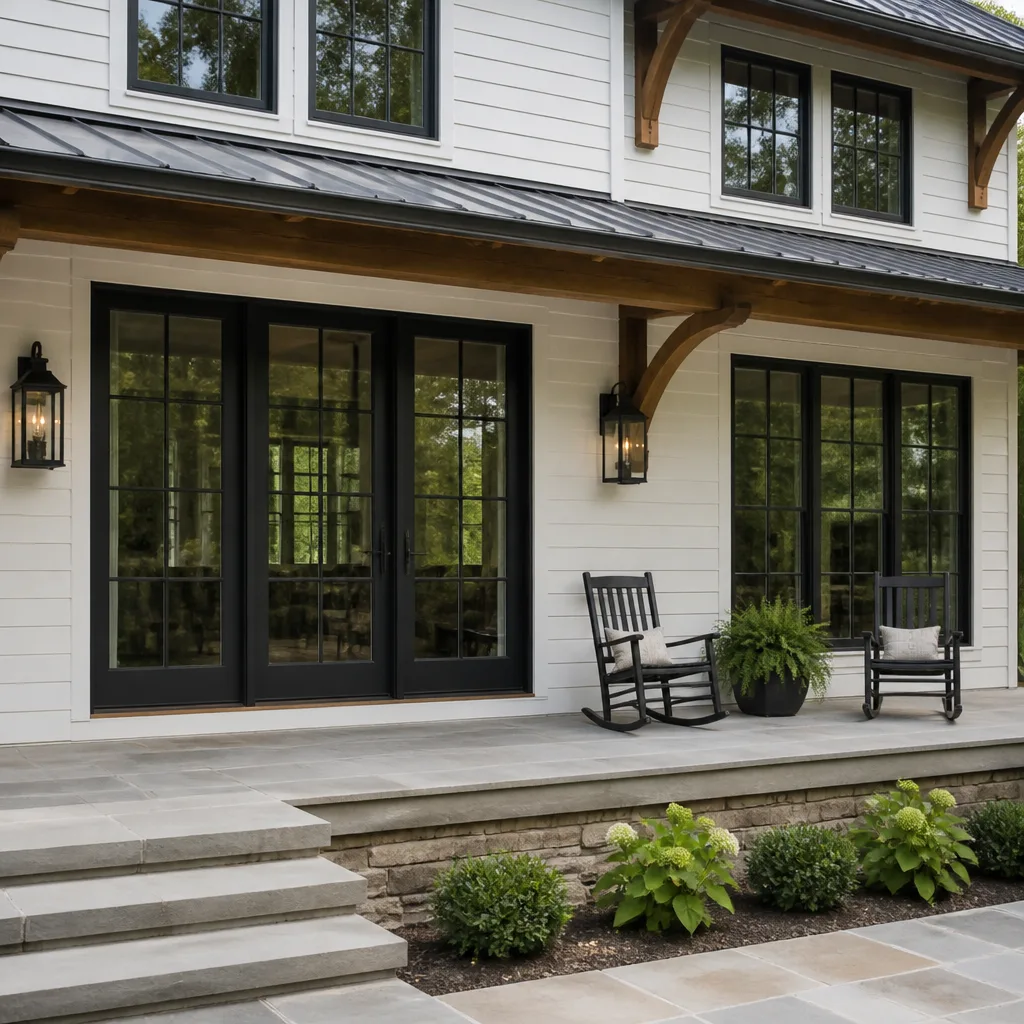
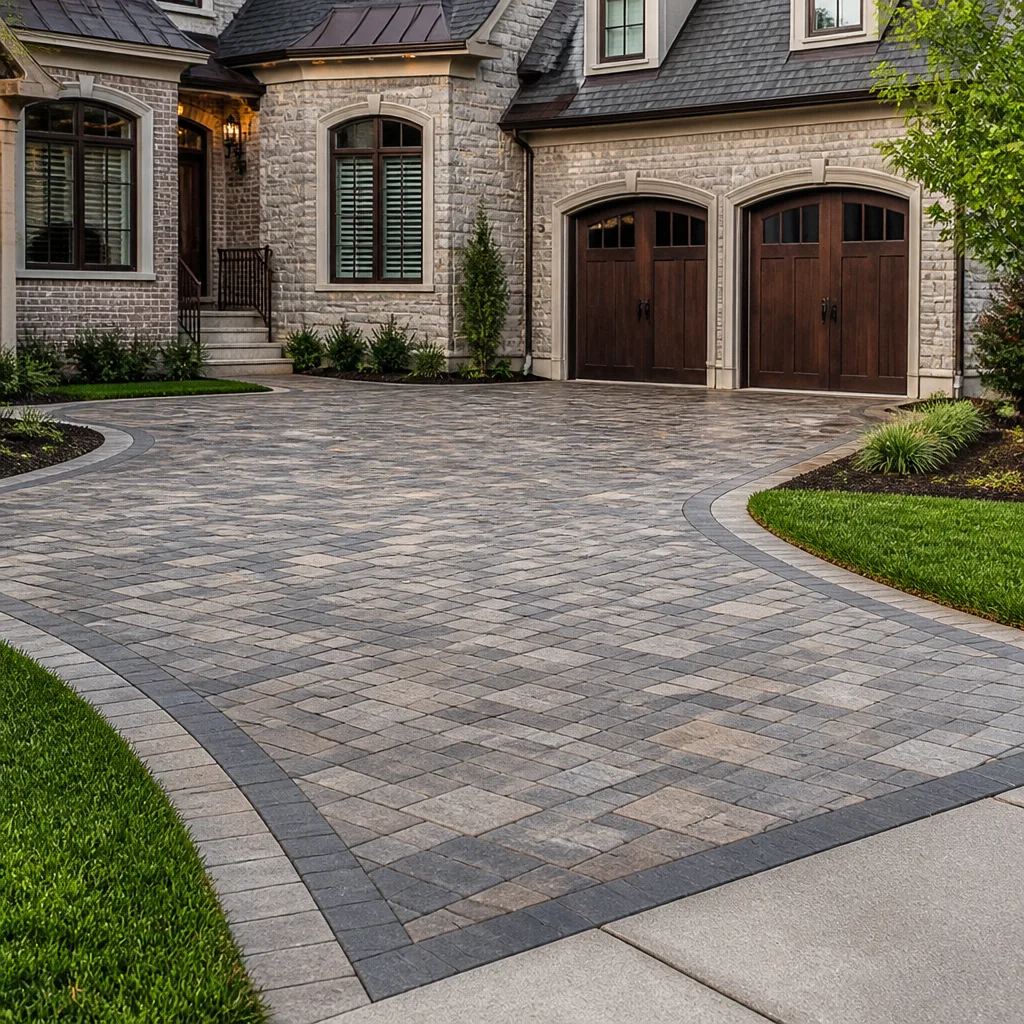
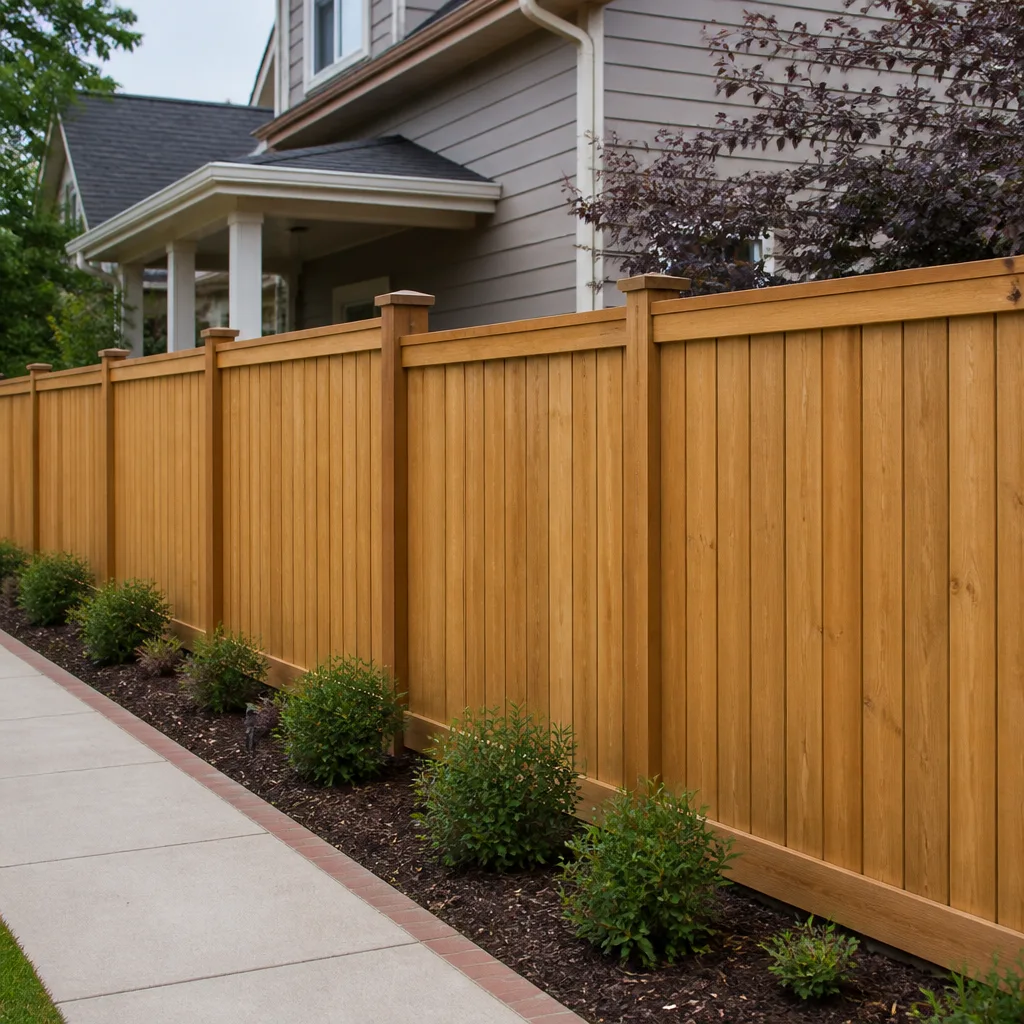
Styles & brands we work with
Signs Your Therma-Tru Roofing Is Failing
- Water staining on the ceiling near the entry door. This usually traces back to the flashing where the canopy or awning meets the house wall. The original sealant shrinks and cracks after 8 to 12 years of Pasadena sun, and water gets behind it.
- Peeling paint or rust streaks on the canopy underside. That means the weep channels are clogged or the gasket is letting moisture sit on the frame. If you act before the metal degrades, you replace a gasket. If you wait, you replace the frame.
- Drafts or visible light at the seam where the roof component meets the door frame. The bulb seal has flattened from years of thermal cycling. In a Pasadena winter, that gap costs you heat and invites pests.
- Sagging or soft spots on the canopy top. This is structural, not cosmetic. Excess UV has broken down the decking material, and if water pools there, the whole assembly eventually needs replacement rather than a part swap.
- Flashing that pulls away when you run a finger along the edge. The original adhesive has failed. On a classic Pasadena bungalow with original trim, this is where we take extra care, because the wood behind that flashing is often the only thing left protecting the wall cavity.
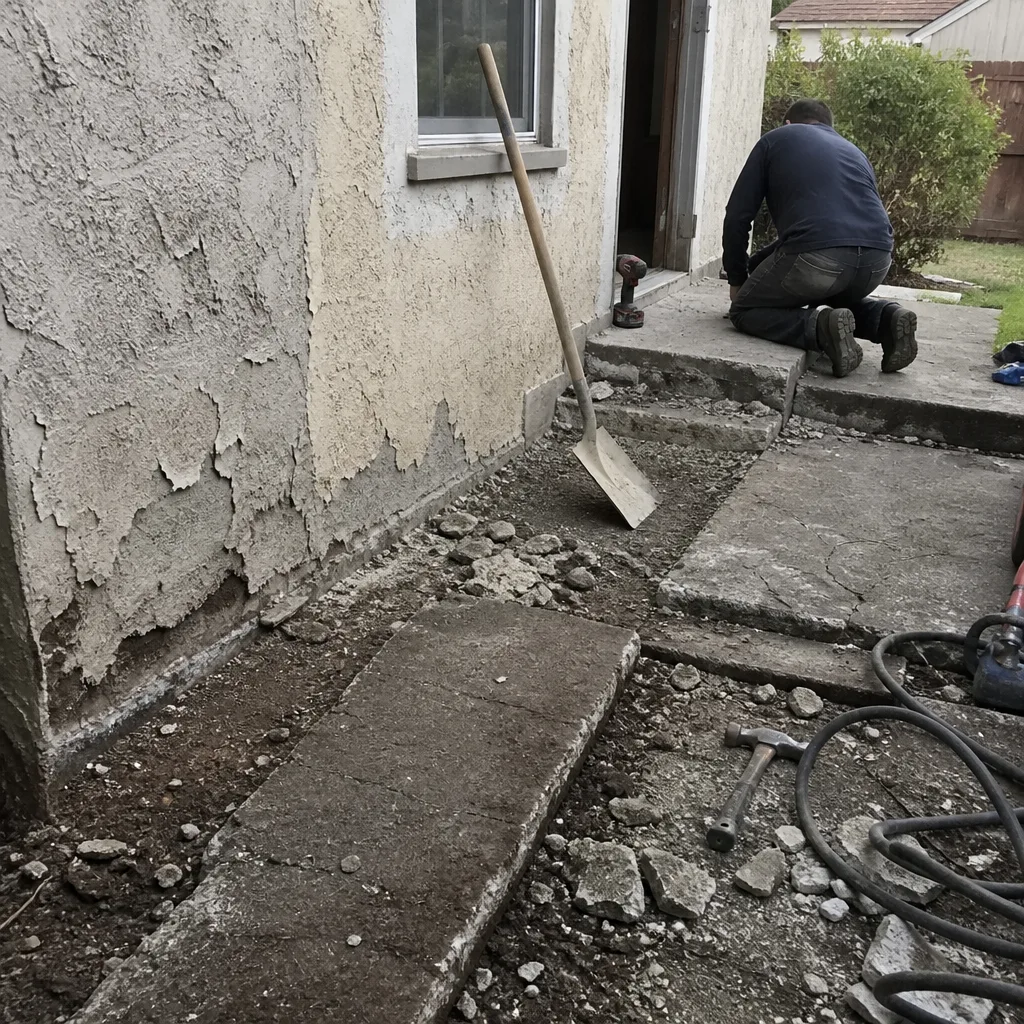
See the difference
 Before
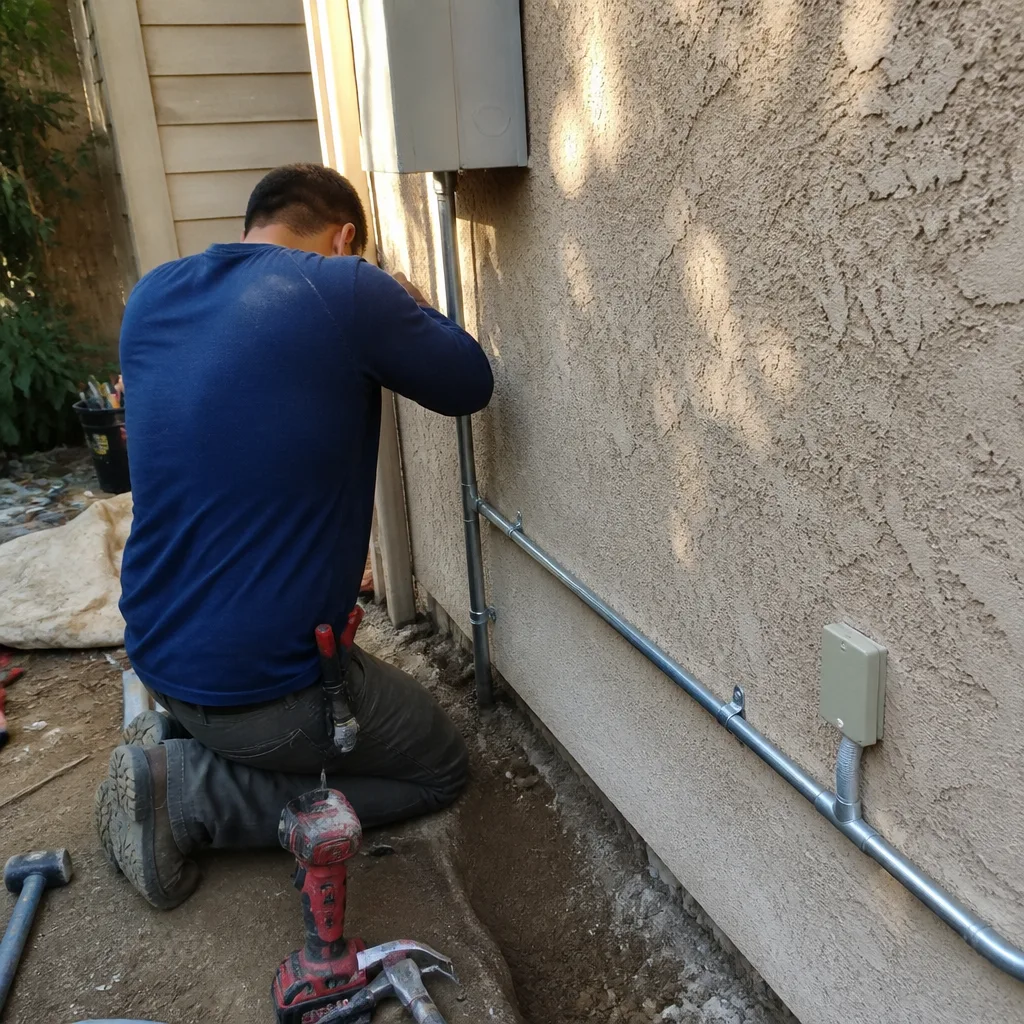 After
After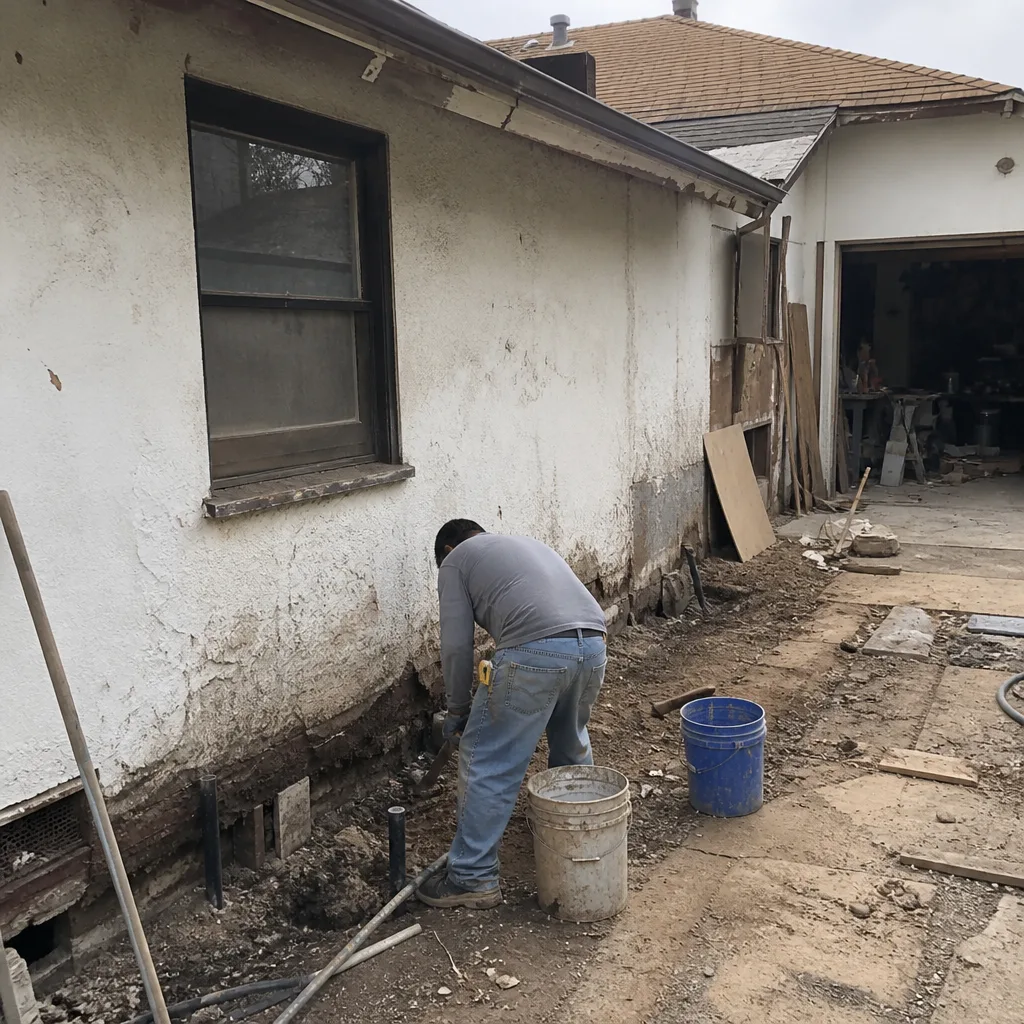 Before
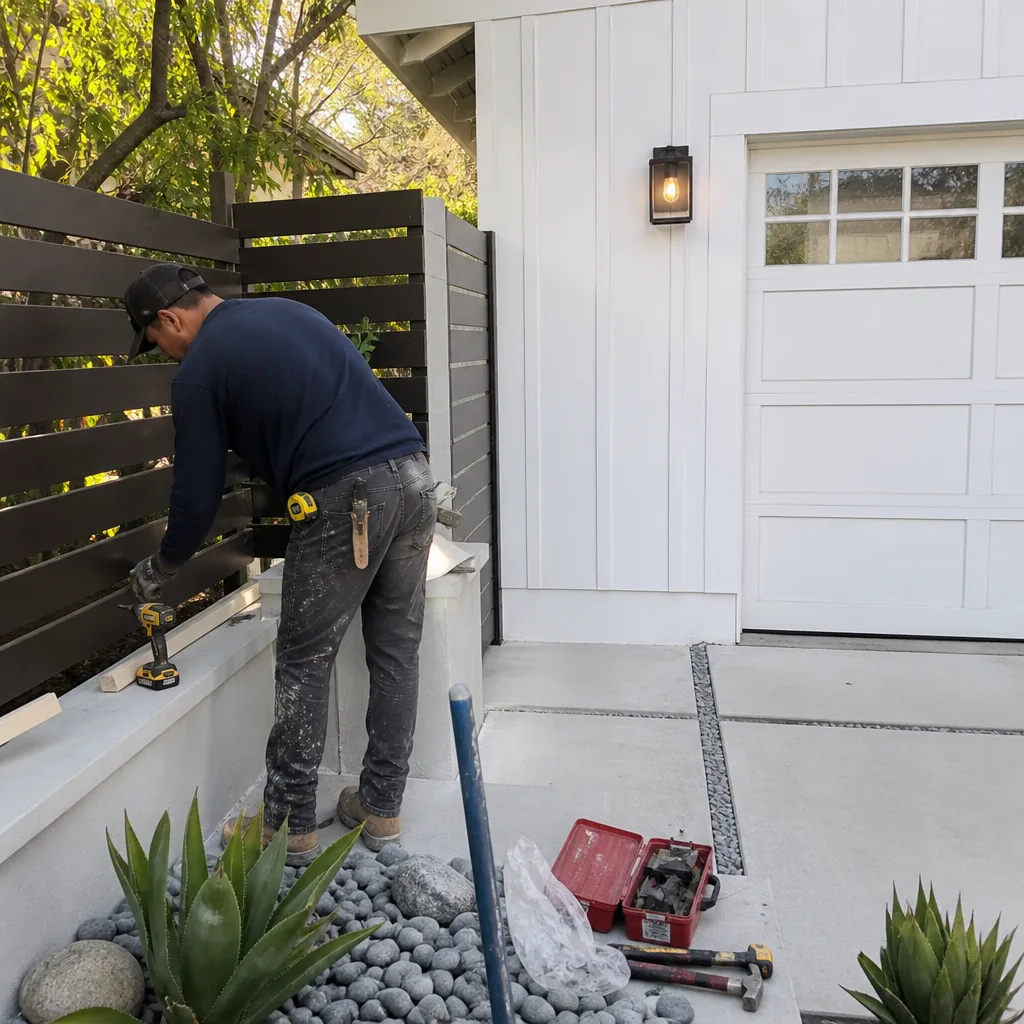 After
After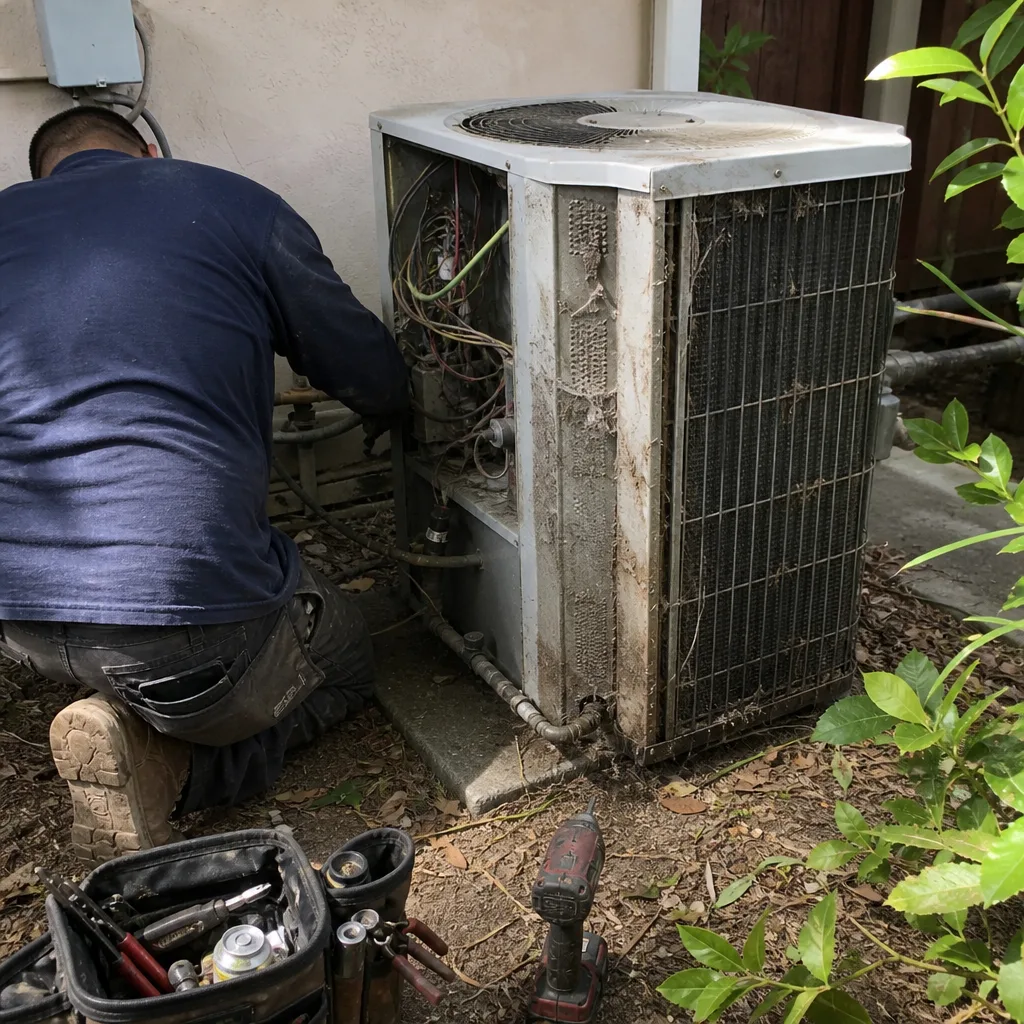 Before
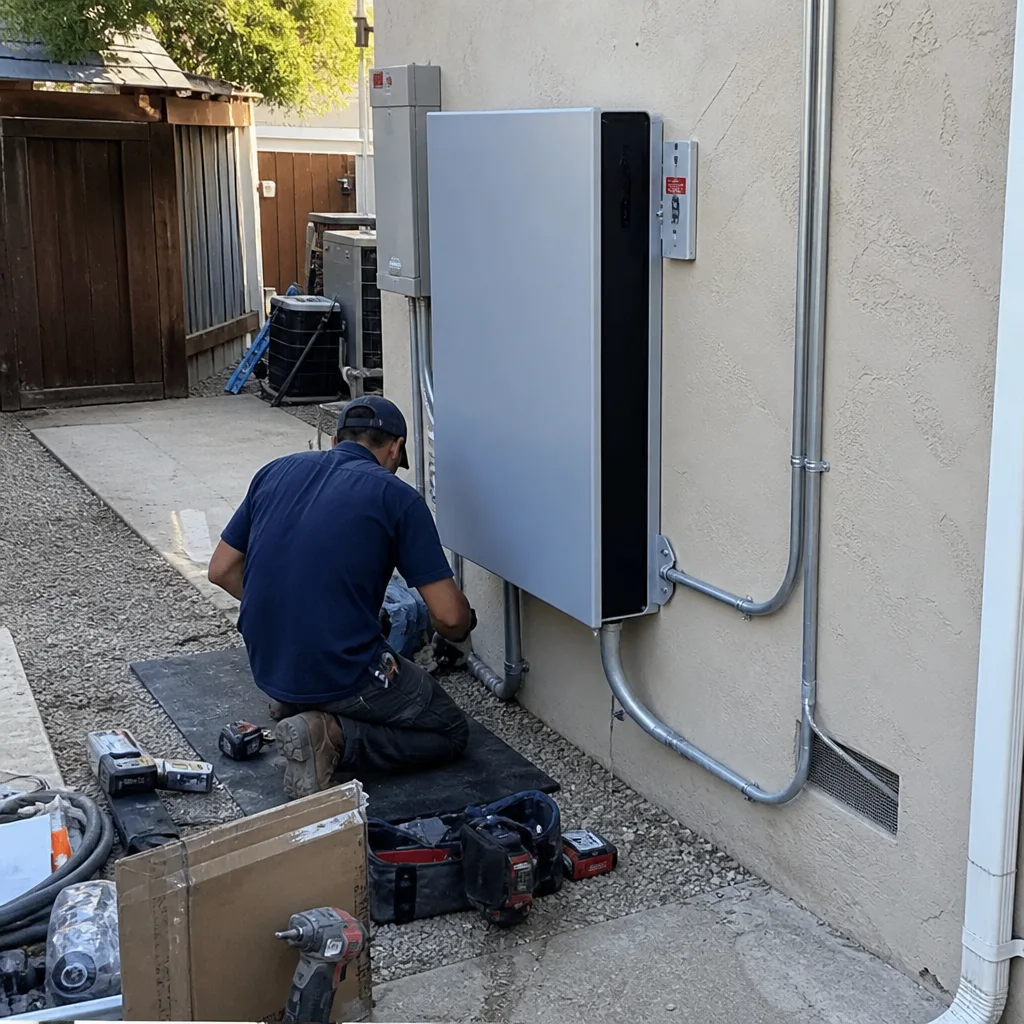 After
AfterReplacement Cost & What’s Included
In Pasadena, a Therma-Tru roofing repair runs $400 to $1,800 depending on the part and how much of the surrounding material we need to disturb. A simple gasket or bulb seal swap lands at the bottom of that range. Replacing a flashing collar with the surrounding trim repair lands in the middle. A full canopy re-deck starts around $1,200 and climbs from there. Full roof replacements involving Therma-Tru assemblies run $8,000 to $20,000 in this market, driven by roof square footage, pitch, and whether the underlying decking is still sound.
Every quote includes the part, labor, disposal of the old material, and a written line-item price before we start. No change orders because a bracket was rusted – we caught that at the estimate. The work carries our 365-Day Done Right Promise: if it’s not done right, we make it right, in writing. And the number on the invoice is the number you approved. That’s The Relay Standard on every job, including a repair this small.
DIY or Call Us?
What you can safely do yourself: identify the part number, take photos, and clear the work area. What you should not do is get on a ladder to remove flashing on an upper-story canopy or work at height with a heat gun to peel old sealant. Roof work is not a place for first-time DIY. We say this from experience: about a third of the jobs we see in Pasadena started as a homeowner repair that made the problem worse, usually by prying up flashing and bending it past the point of reuse.
The highest-risk piece is working at the roofline junction. One wrong step on a ladder at the wrong angle is an ER visit. Let a trained crew handle anything above eight feet or anything requiring removal of existing flashing. If you want to save money, do the diagnosis: find the label, measure the channel, and call us with the numbers. That prep genuinely shortens the visit.
If the work tells you it’s more than a part, listen to it. Call (626) 657-5396 and we’ll give you an honest read over the phone before we ever schedule a visit.
FAQs
Gaskets and bulb seals typically last 8 to 12 years in Pasadena’s UV-heavy climate before they flatten or crack. Flashing and structural components can go 20-plus years if the seals are maintained. The sun here is harder on rubber and adhesive than the rain is.
Seals and gaskets are replaceable, not repairable. Flashing can sometimes be re-seated and re-sealed if it’s only partially detached and hasn’t corroded. The honest answer depends on what we see when we pull it apart. Call (626) 657-5396 and we’ll tell you what’s realistic before you spend anything.
Most gasket, seal, and flashing replacements take 2 to 4 hours once we’re on site. A full canopy re-deck can take a full day. We’ll give you a window when we schedule, and our live arrival tracking means you know exactly when we pull up.
We stock common gaskets, bulbs, and flashing sizes for the three main Therma-Tru assembly lines, and we can have OEM parts in hand within a few business days if we need something less common. We’ll tell you at the estimate whether we’re pulling from the truck or ordering OEM.
Written by Luca Romano, Owner & Lead Contractor, Sawyer Remodel Pasadena at Sawyer Remodel Pasadena, serving Pasadena and nearby areas.