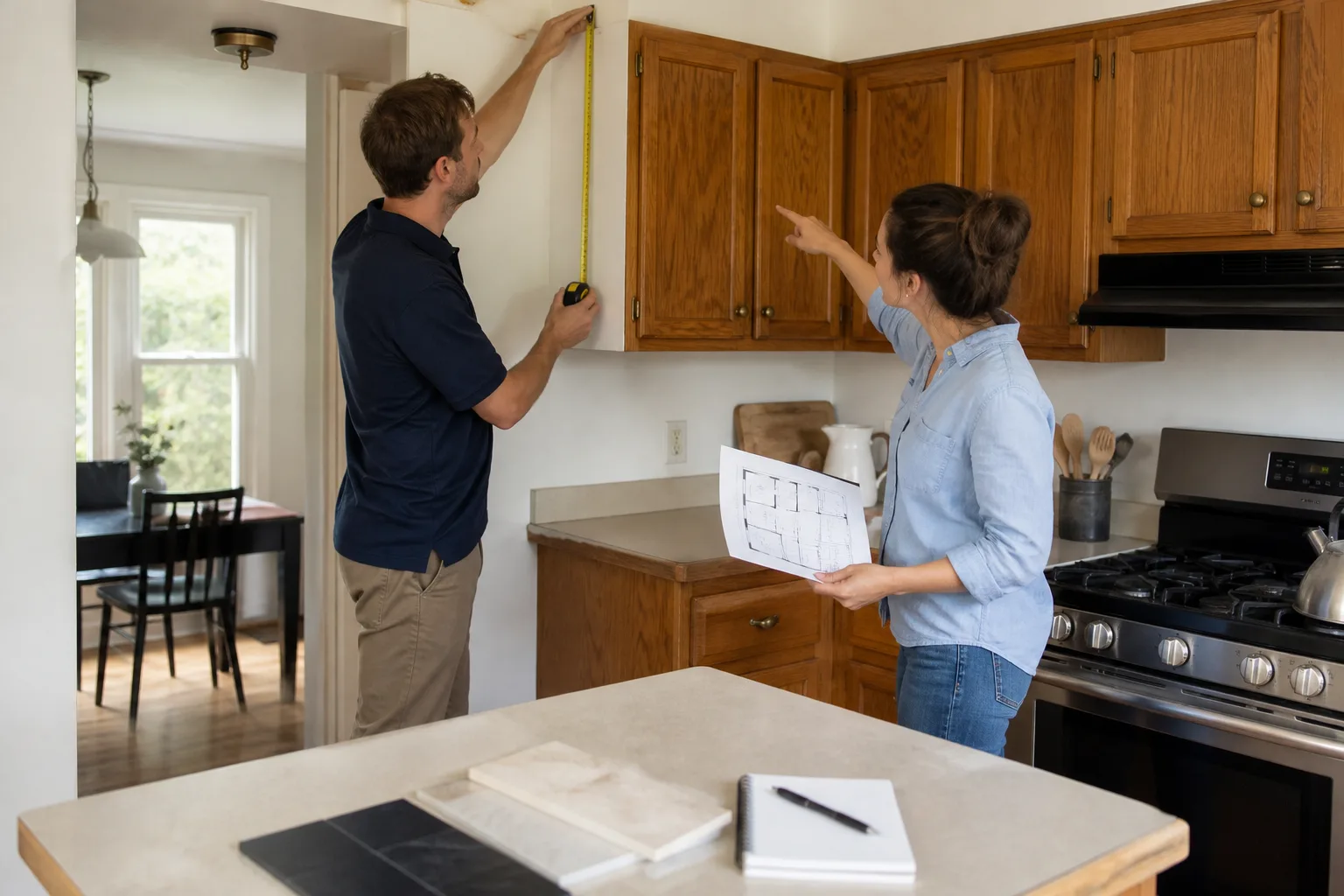
Free written scope consultation - allowances, timeline, and change-order rules on paper before a single trade is scheduled
Quikrete Home Additions & ADU: The Pasadena Owner’s Guide
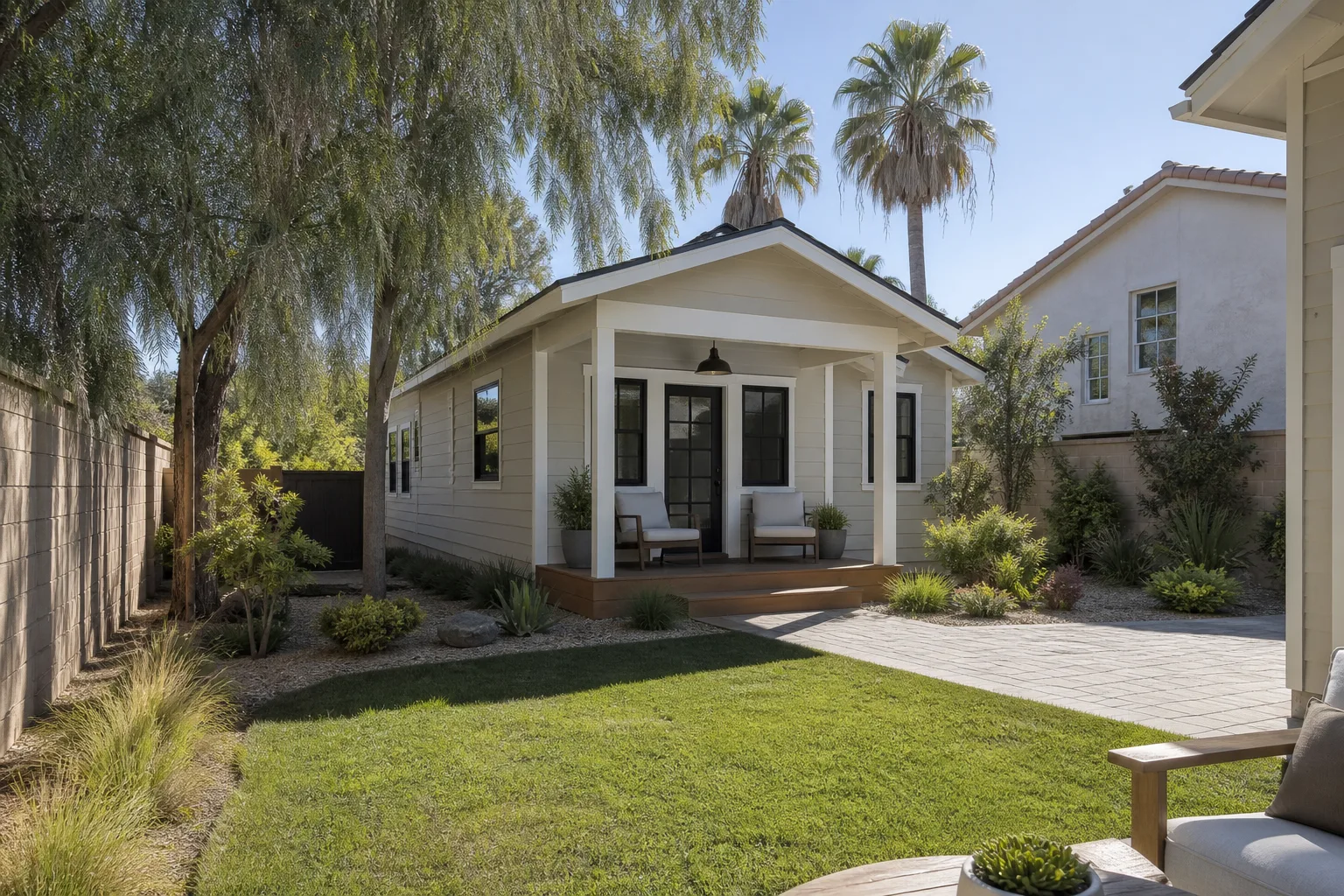
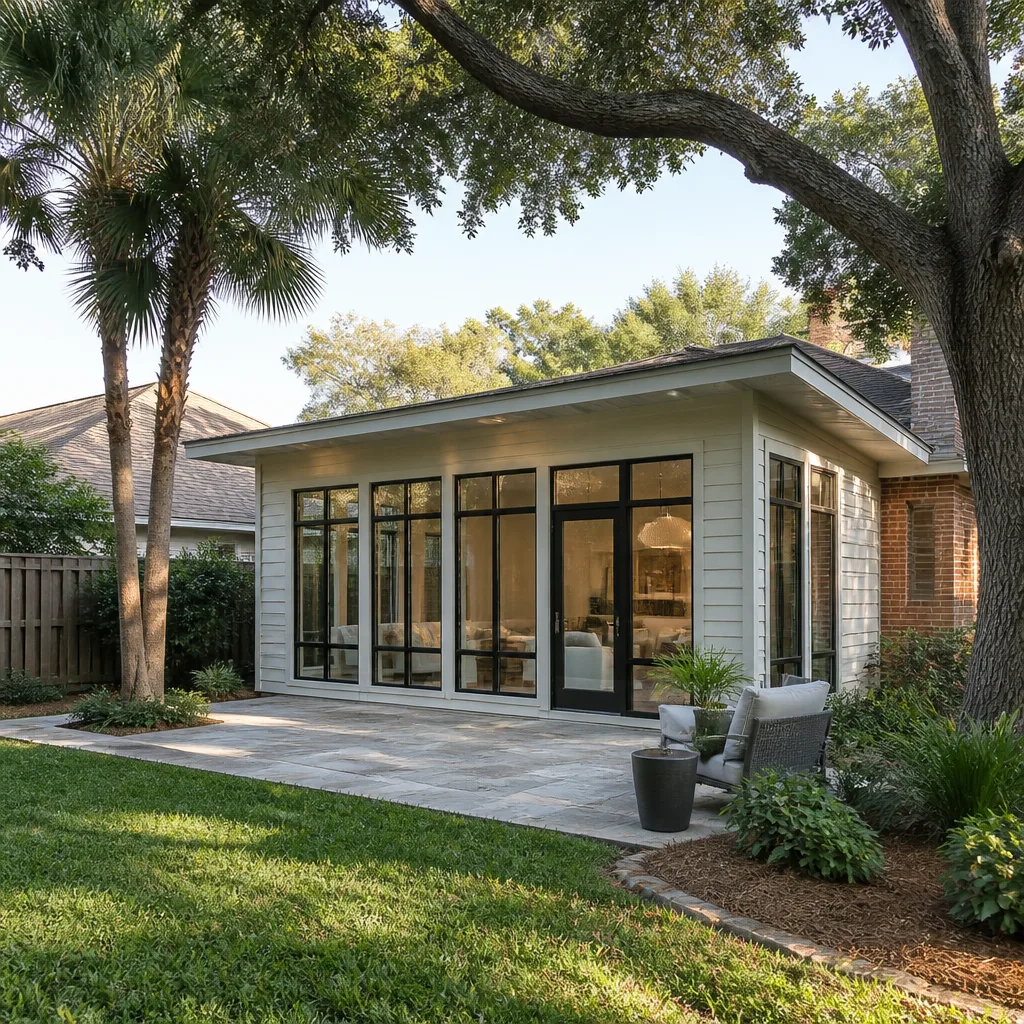
If you’re planning a Quikrete-based home addition or ADU in Pasadena, you’re looking at an installed range of $45,000 to $130,000 for a full addition, with dedicated ADU construction running $90,000 to $220,000. Sawyer Remodel Pasadena works with Quikrete concrete products throughout these builds, from foundation mixes to countertop and paver applications. Most owners reach out to us when they’ve hit a wall with their original contractor or discovered their existing concrete work wasn’t mixed, poured, or cured correctly for Southern California’s dry-heat conditions.
Here’s the reality we see on Quikrete projects across Pasadena: the products are solid, but the execution makes or breaks the job. Mix ratios get eyeballed instead of measured. Curing gets rushed. Rebar spacing gets skimped. We fix those mistakes, and we build from scratch the right way.
Which Quikrete Models This Applies To
Quikrete isn’t a single product line. It’s a family of concrete mixes, mortars, and repair compounds, and the right one depends entirely on what part of your addition or ADU we’re addressing. For foundations and footings, Quikrete’s 5000 PSI concrete mix is the workhorse we spec for Pasadena’s expansive clay soils. For slab pours inside an ADU, we often use Quikrete Crack-Resistant Concrete Mix, which has reinforcing fibers already blended in. For stucco and block work, it’s Quikrete Mason Mix Type S.
The compatibility gotcha most homeowners miss: Quikrete’s fast-setting mixes are not interchangeable with standard mixes for structural work. FastSet is great for fence posts and small pads, but if someone pours a footing with it, the heat generated during the accelerated cure can cause micro-cracking that shows up a year later. We see this in Pasadena all the time, especially on garage conversions and ADU foundations where a handyman grabbed whatever bag was on the shelf at the home center.
On the OEM-versus-aftermarket question for Quikrete specifically: Quikrete is the OEM. It’s a brand-name bagged concrete product, and there’s no legitimate “Quikrete-compatible” alternative that performs identically. There are other bagged mixes (Sakrete, for example), but we stick with Quikrete when the spec calls for it because the batch consistency is dependable, and we don’t gamble on a foundation or a countertop to save $3 a bag.
Styles & brands we work with
Signs Your Quikrete Home Additions & ADU Is Failing
- Hairline cracks running diagonally across a slab or stem wall. This usually means the mix was too wet when poured, or the subgrade wasn’t compacted properly. In Pasadena’s clay soil, which swells with winter rain and shrinks in summer heat, poor compaction shows up as diagonal cracking within the first two wet-dry cycles.
- Spalling or flaking on the surface of concrete. This is almost always a curing problem. If the pour wasn’t kept moist for the first seven days, the top layer dries faster than the core and delaminates. Southern California’s low humidity makes this worse here than in coastal climates.
- Visible rust stains bleeding through a countertop or floor. That’s rebar or wire mesh too close to the surface. As moisture moves through the concrete, the steel oxidizes and stains upward. It’s a placement error, and it means the reinforcement isn’t doing its structural job either.
- A floor that’s visibly uneven or has a low spot where water pools. Screeding was rushed, or the forms shifted mid-pour. On an ADU slab, a 1/4-inch dip over ten feet can cause problems with flooring installation and door clearances.
- Crumbled or sandy edges on stairs, curbs, or retaining walls. This points to an under-mixed batch or a mix that was too dry at the edges. It’s common on hand-mixed pours where the person didn’t add enough water for proper hydration, or added too much and washed out the cement paste.
See the difference
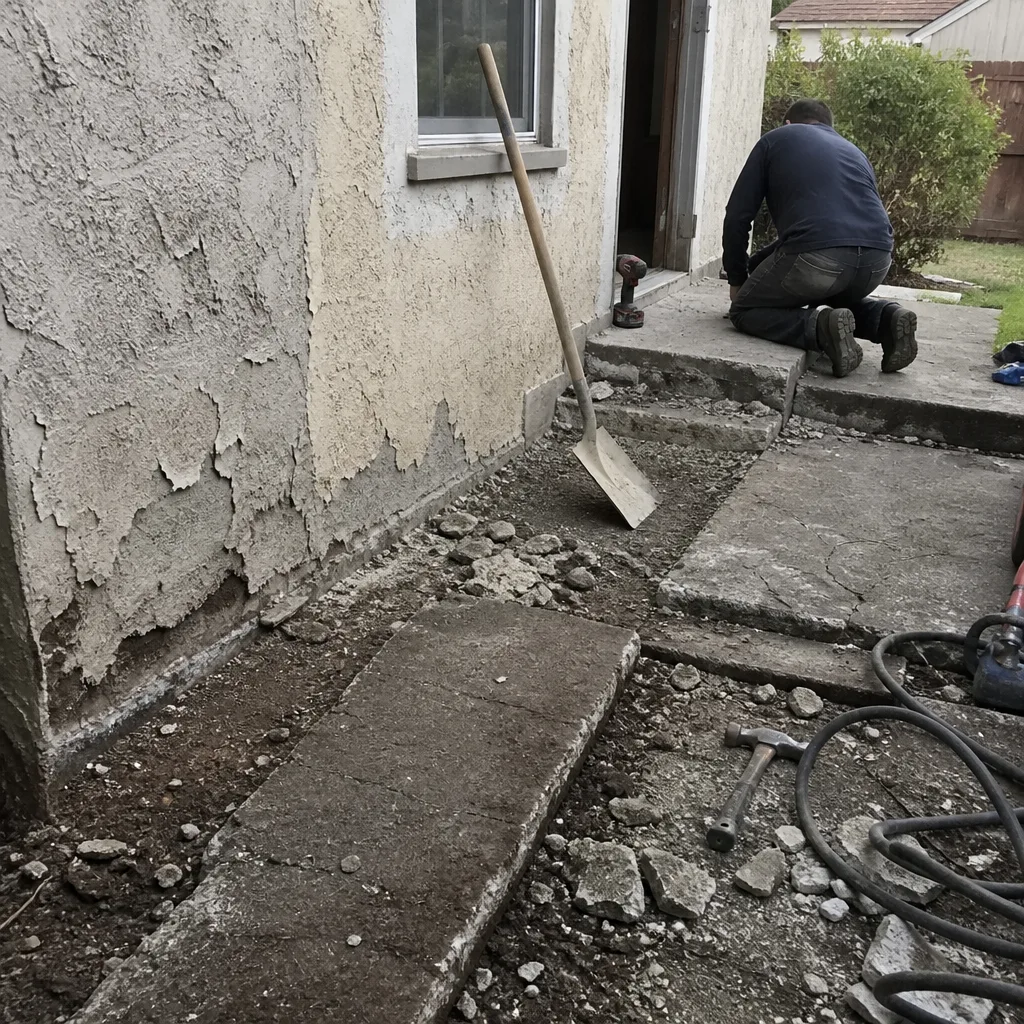 Before
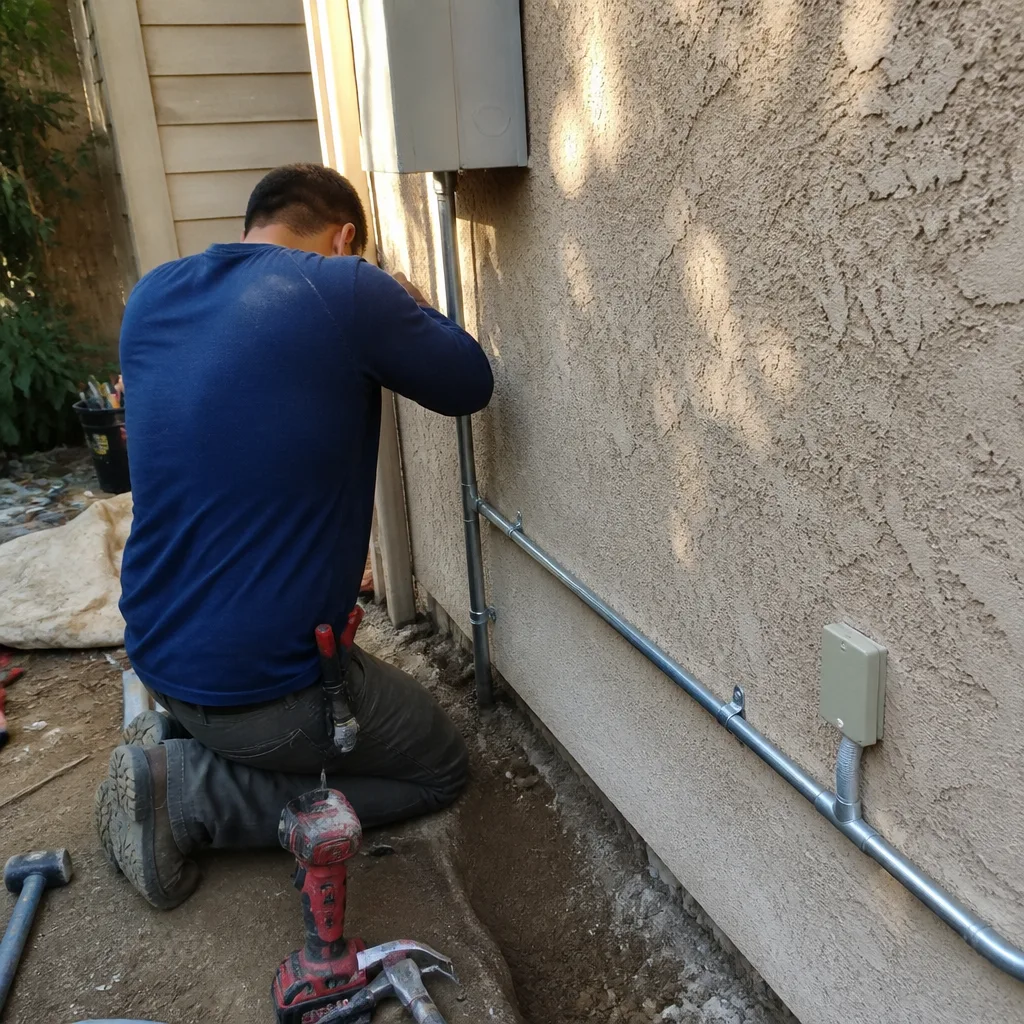 After
After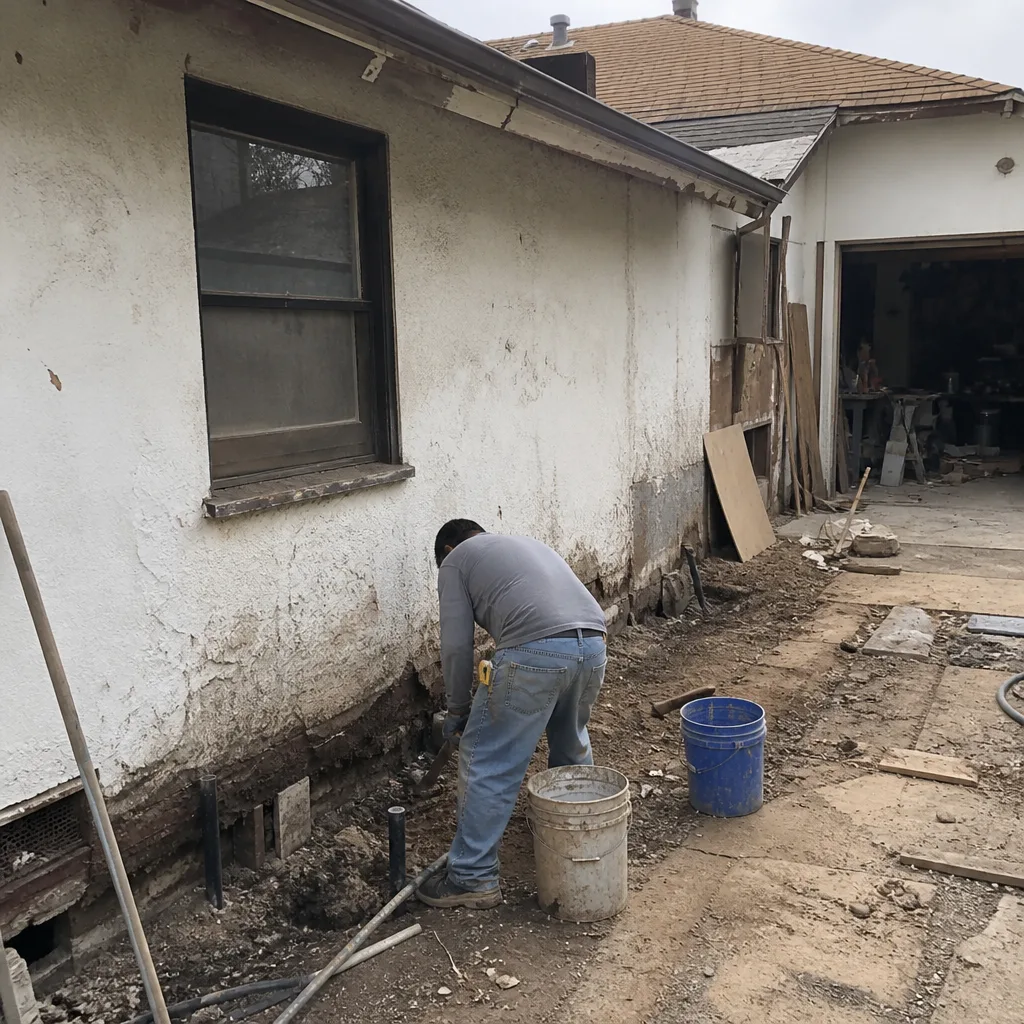 Before
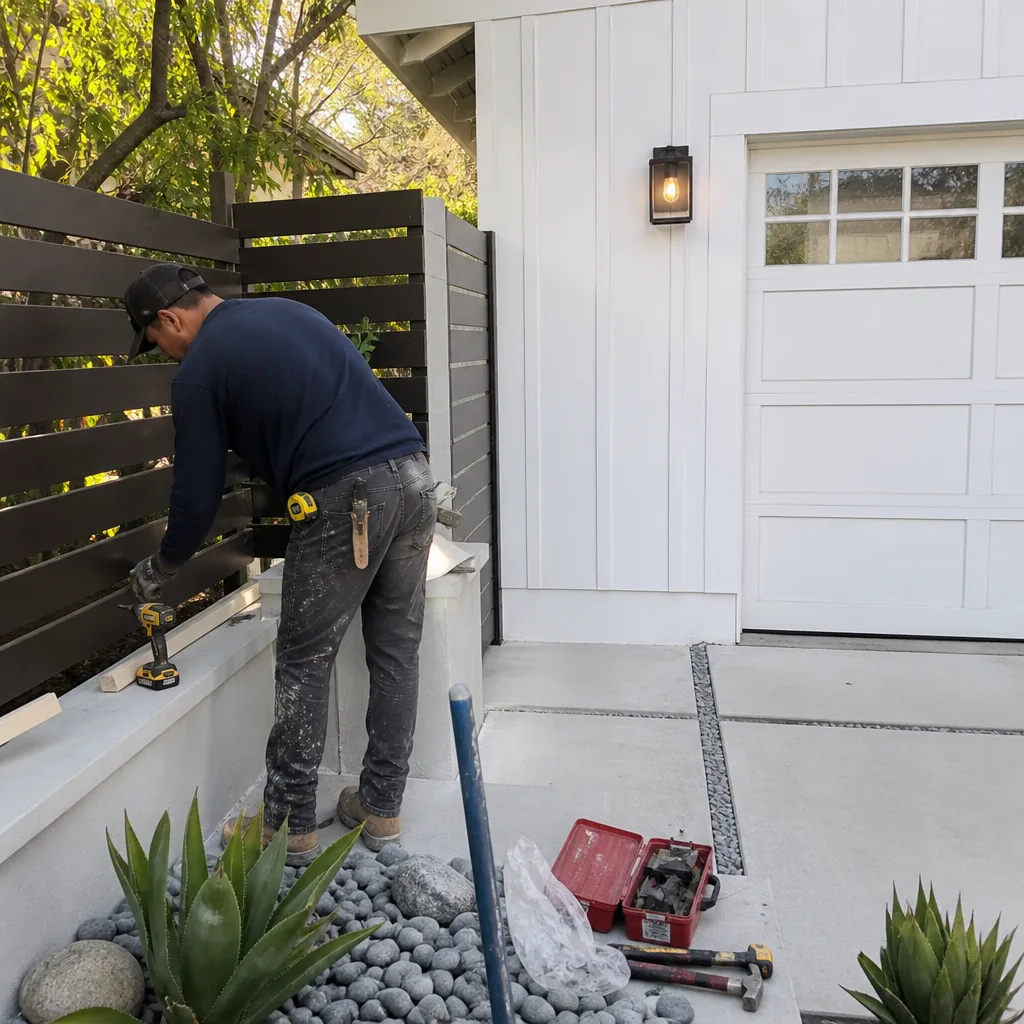 After
After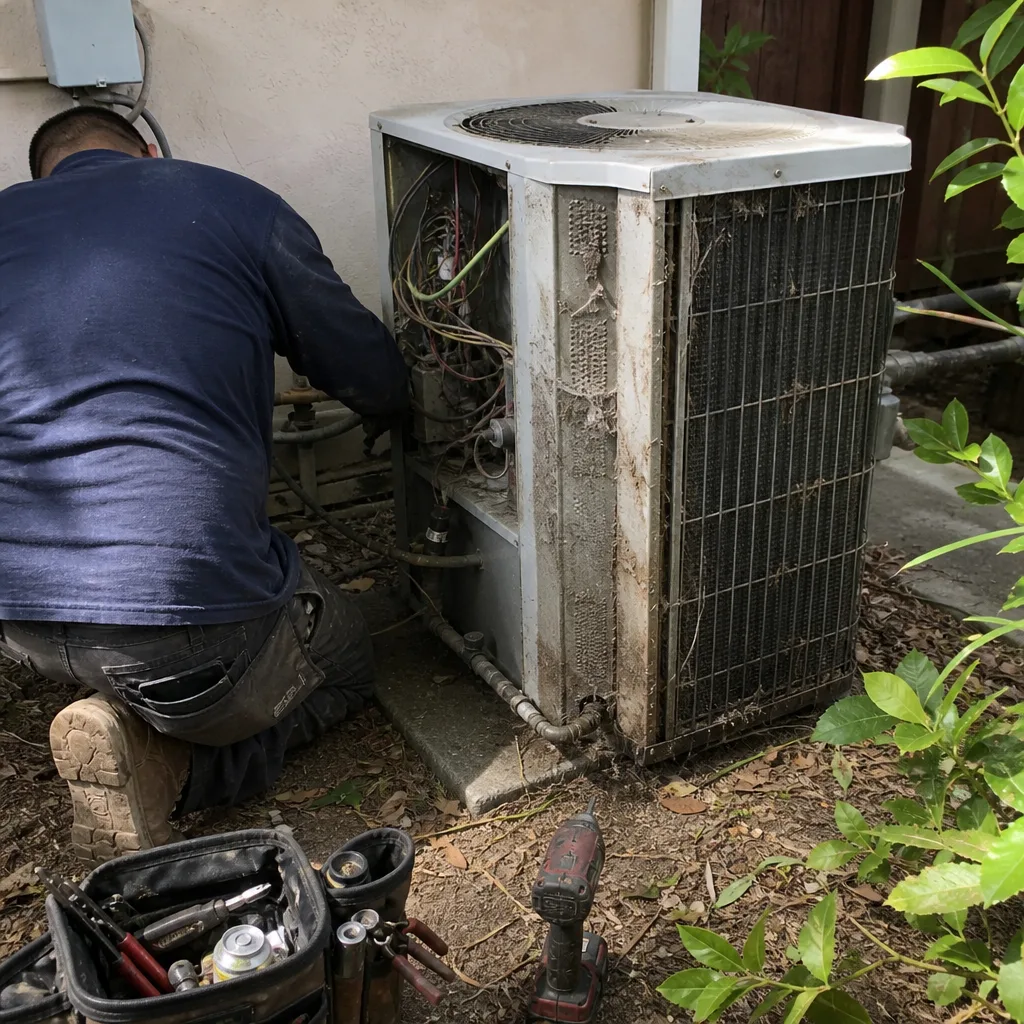 Before
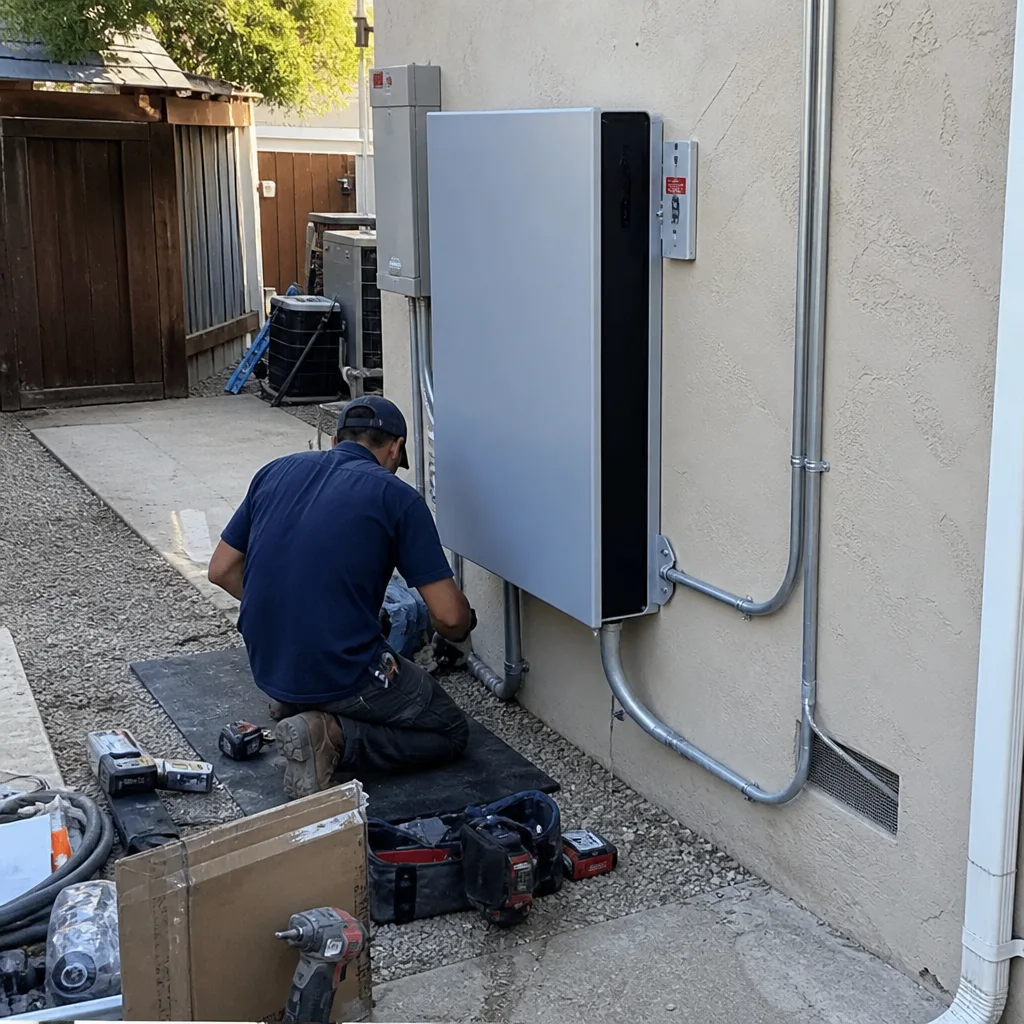 After
AfterReplacement Cost & What’s Included
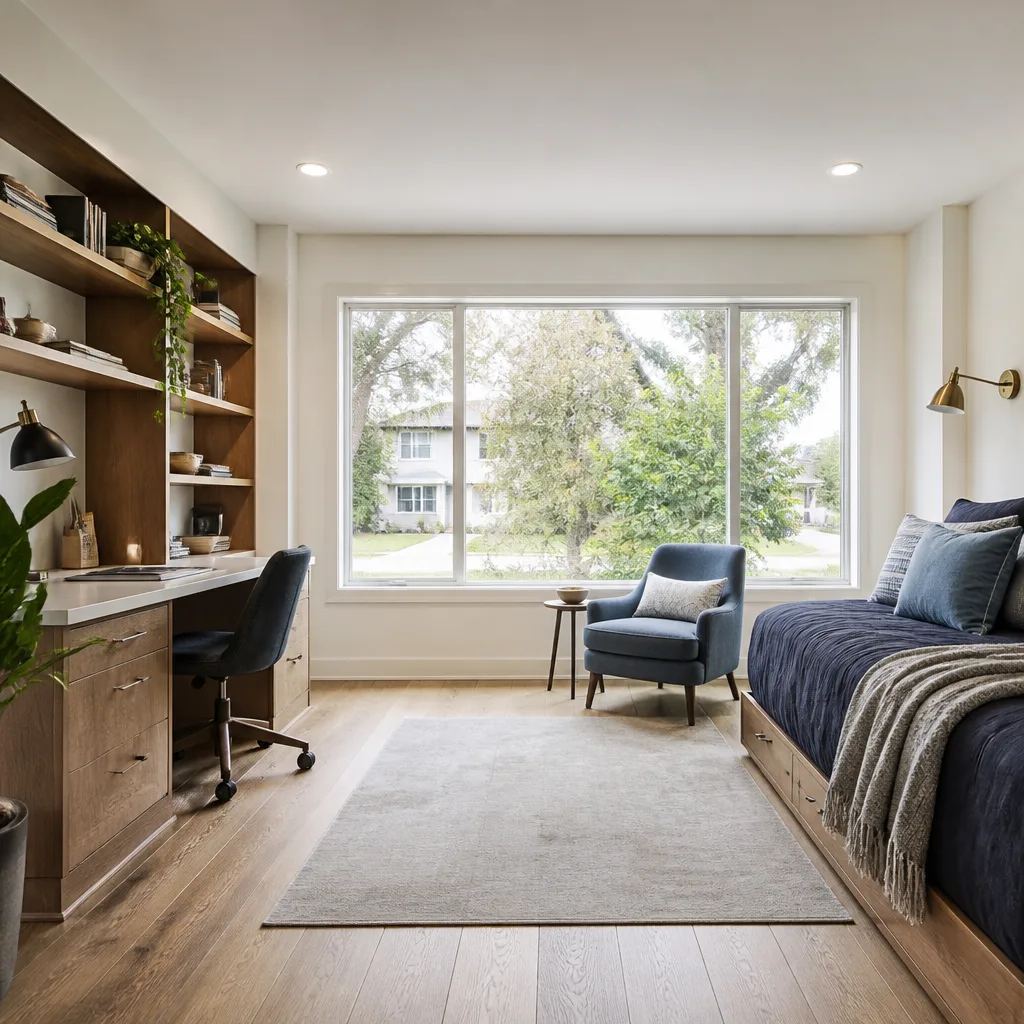
For a full home addition in Pasadena using Quikrete products throughout, we quote $45,000 to $130,000. An ADU build lands between $90,000 and $220,000 depending on size, foundation complexity, and finishes. A garage conversion using Quikrete for slab repair and leveling runs $30,000 to $80,000.
What drives the spread? Three things: square footage, access, and what’s under the ground. A 400-square-foot ADU with easy truck access and stable soil sits at the lower end. A 1,200-square-foot addition on a hillside lot in the San Rafael Hills, where we’re pumping concrete and excavating into bedrock, climbs fast. Every quote we write includes the concrete materials, rebar and mesh, forms, labor, and curing time. You get a line-item quote before we order a single bag. No change orders unless you change the scope.
Every Quikrete pour we do carries our 365-Day Done Right Promise. If the concrete cracks, spalls, or settles in that first year, we come back and make it right at no charge. That’s in writing on every project.
DIY or Call Us?
You can safely check a few things yourself: look for visible cracks, test for hollow-sounding spots with a screwdriver handle, and watch where water pools after rain. That tells you if you have a problem worth calling about.
What you shouldn’t do is attempt structural concrete repair on a foundation, stem wall, or load-bearing slab. If a footing is cracked or settling, the fix isn’t a bag of patching compound. It’s excavation, compaction, possible rebar replacement, and a properly engineered repour. Concrete is unforgiving, and once it’s set, mistakes are expensive to undo. Mixing a partial bag for a small pad is one thing. Pouring anything that holds up a building is another. Luca Romano has spent two decades fixing concrete work that someone guessed their way through. Call (626) 657-5396 before you commit to a DIY repair that a structural engineer will have to condemn later.
FAQs
A properly mixed, poured, and cured Quikrete foundation in Pasadena should last 50 years or more. The real threats are soil movement, water intrusion, and poor initial curing, not the concrete breaking down. Call (626) 657-5396 if you suspect your existing foundation was poured wrong.
Yes, hairline cracks can be sealed with a proper concrete repair product, and spalled surfaces can sometimes be resurfaced. Structural cracks wider than 1/8 inch, or cracks with vertical displacement, usually require cutting out and repouring that section. We’ll tell you which one you have after a free inspection.
The actual pour typically takes one day. Site prep, form setting, and rebar placement take two to five days before that, and curing takes seven days before framing can begin. The full project timeline depends on the size of the addition, but we map every day of it out in the written quote.
We stock Quikrete 5000 PSI mix, crack-resistant mix, and repair products on our trucks for most Pasadena jobs. For large pours, we order from our local supplier and have it delivered the morning of the pour, which ensures fresh product and exact quantity.
Written by Luca Romano, Owner & Lead Contractor, Sawyer Remodel Pasadena at Sawyer Remodel Pasadena, serving Pasadena and nearby areas.