
Free written scope consultation - allowances, timeline, and change-order rules on paper before a single trade is scheduled
Plant Prefab Roofing: The Pasadena Owner’s Guide
If you own a Plant Prefab home in Pasadena and your roof is leaking, sagging, or showing water stains, we can help. We stock and install Plant Prefab-compatible roofing materials, with most replacements in Pasadena running between $8,000 and $20,000 depending on the size of your roof and the materials you choose. Repairs are far less, typically $400 to $1,800, and we can usually get eyes on the problem within a day or two.
Most Plant Prefab owners discover a roofing failure the same way: a water spot on the ceiling after the first heavy rain of the season, or a neighbor mentioning they saw a lifted panel from the street. Plant Prefab roofs are built in a factory under controlled conditions, which is great for consistency, but the Pasadena sun and our occasional Santa Ana wind gusts put real stress on seams, flashing, and sealant over time. The good news is that these roofs are designed for panel replacement, and we work on them regularly.
One thing to know upfront: Sawyer Remodel Pasadena is an independent service provider. We are not affiliated with Plant Prefab, but we have worked on enough of their homes in this area to know the panel systems, the common failure points, and what it takes to make a repair that actually holds.
Which Plant Prefab Models This Applies To
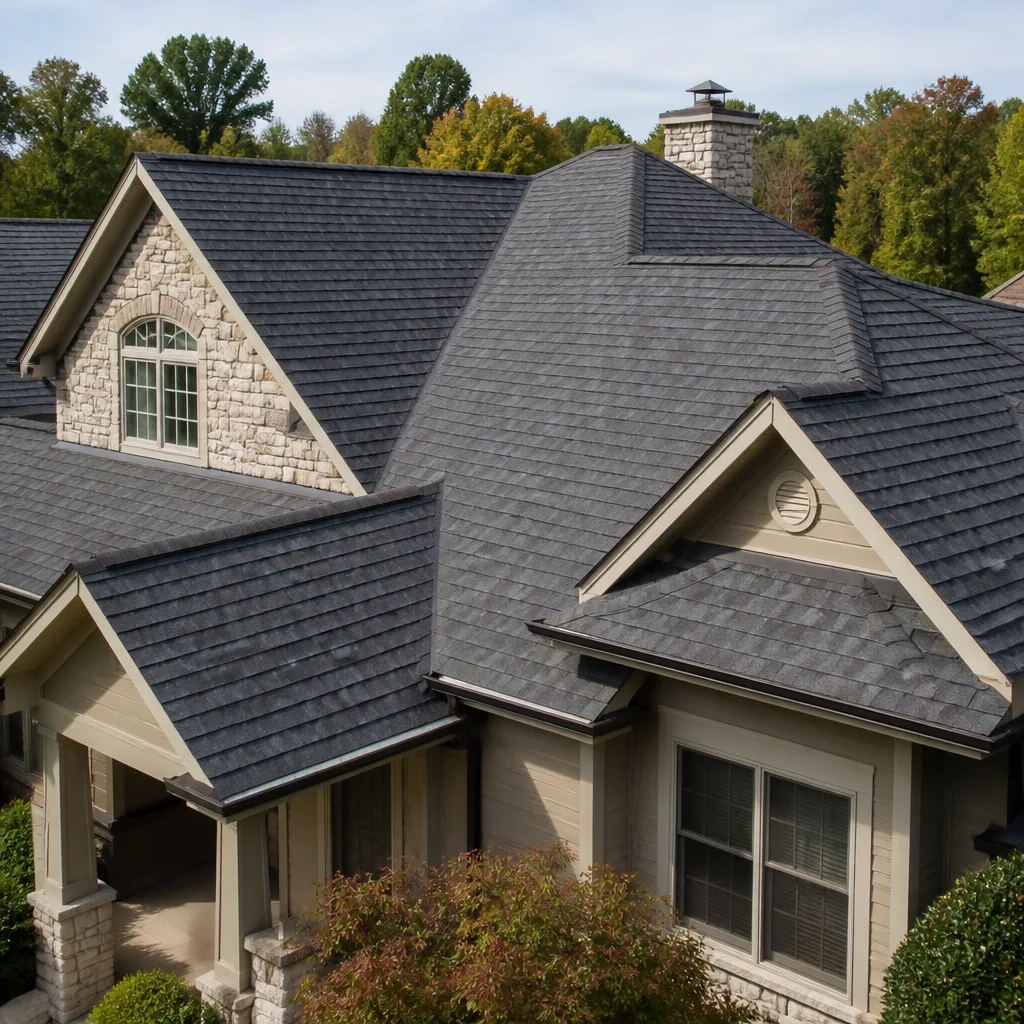
Plant Prefab builds several product lines, including their LivingHome series and custom panels, and the roofing approach varies by model. Many of the Pasadena-area Plant Prefab homes we see use a modular panelized roof system, often with a standing-seam metal or membrane finish over factory-assembled structural insulated panels, or SIPs. The key to getting the right part is knowing which generation and series your home came from, because panel dimensions and connection details are not universal across their catalog.
Here is the compatibility gotcha we see most often: the roof panel on a LivingHome 10 is not interchangeable with the panel on a Custom line home, even if they look identical from the ground. Factory labels matter. If you can access your attic or the underside of the roof deck, look for a printed label or stamped code on the panel itself. It will usually show a series number, a manufacturing date, and a panel ID. A photo of that label saves us a full diagnostic trip.
When we quote a replacement, we give you the choice between OEM-spec panels sourced to match your original build, and quality aftermarket materials that meet or exceed the original spec. For metal roofing, that might mean a comparable gauge standing-seam panel from a manufacturer like CertainTeed or a membrane system from GAF. For membrane roofs, aftermarket options often carry better UV warranties than the original factory material did, which matters in Pasadena’s sun. The OEM route keeps everything visually identical. The aftermarket route can save you 15 to 25 percent. We walk through both numbers before you choose.
Key Takeaways:
- Plant Prefab roofing is panel-based, and panels differ by series and model year.
- Factory labels on the underside of the roof deck identify the exact panel spec.
- OEM matching is available, and aftermarket equivalents often carry stronger UV warranties.
- Roofing on Plant Prefab homes in Pasadena is generally replaced as panels, not reshingled.
Styles & brands we work with
Signs Your Plant Prefab Roofing Is Failing
- Water stains on the ceiling or upper walls. This is the most common first symptom, and it usually means a seam seal has failed or flashing has lifted. By the time you see the stain inside, water has already traveled through the panel, so the repair area is often larger than the stain suggests.
- Visible lifting or peeling at panel seams. Pasadena’s heat cycle, followed by cool nights, expands and contracts roof panels constantly. Factory sealants dry out and lose adhesion, and that is when edges start to curl. If you can see daylight or a gap from the ground, water is getting in.
- Rust streaks or corrosion on metal panels or fasteners. This is especially common on older Plant Prefab homes near the foothills where morning fog sits longer. Fastener corrosion weakens the panel connection and can lead to panel blow-off during a Santa Ana wind event.
- Granules or membrane cracking visible from a ladder. If your roof is a membrane or coated system, surface cracking is the early warning sign. It may not leak today, but once the membrane cracks, UV exposure accelerates the breakdown quickly.
- Sagging or soft spots when you walk the roof. This points to water intrusion into the SIP core. Once the foam or insulation inside a panel is saturated, the structural integrity of that panel is compromised and it needs replacement, not patching.
If you are noticing any of these, the worst thing to do is wait. Pasadena gets roughly 20 inches of rain a year, and almost all of it comes fast in a handful of winter storms. A small seam failure becomes a big interior drywall job after one solid downpour.
See the difference
 Before
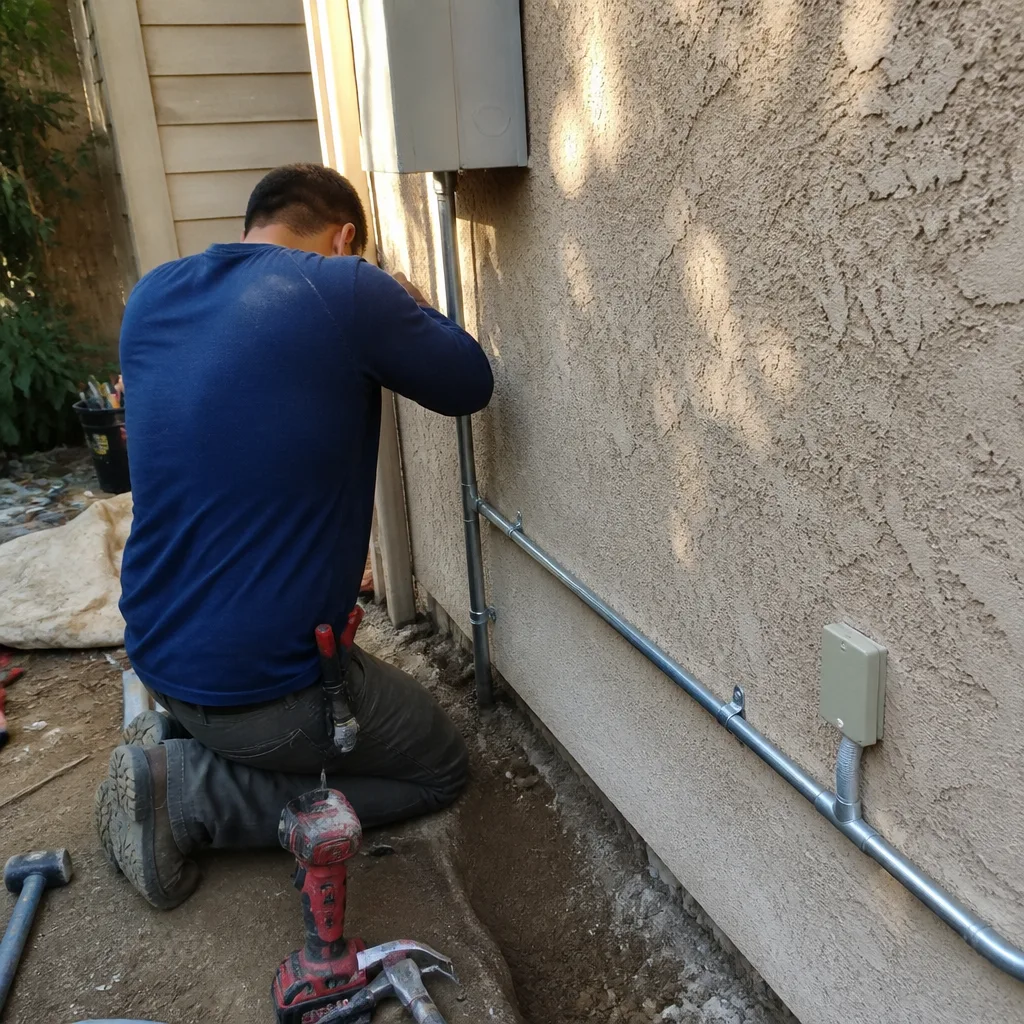 After
After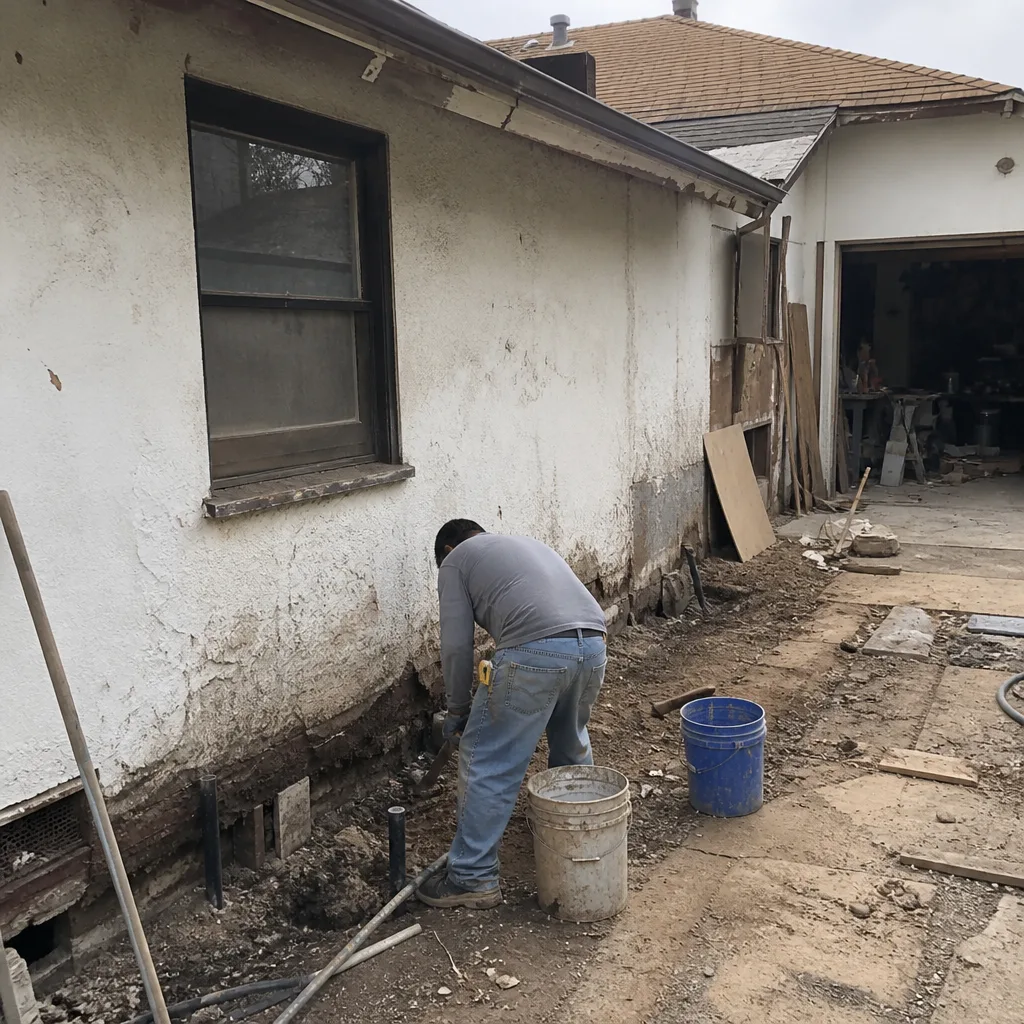 Before
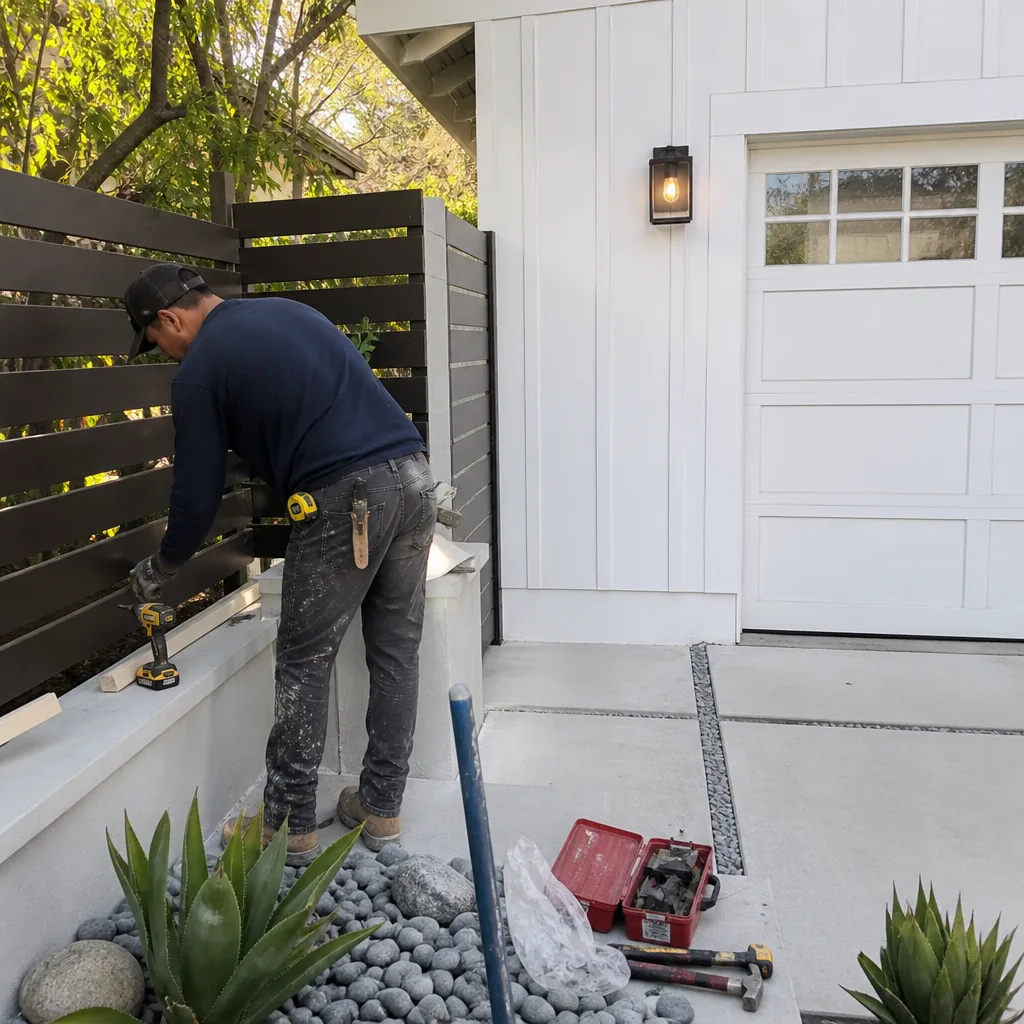 After
After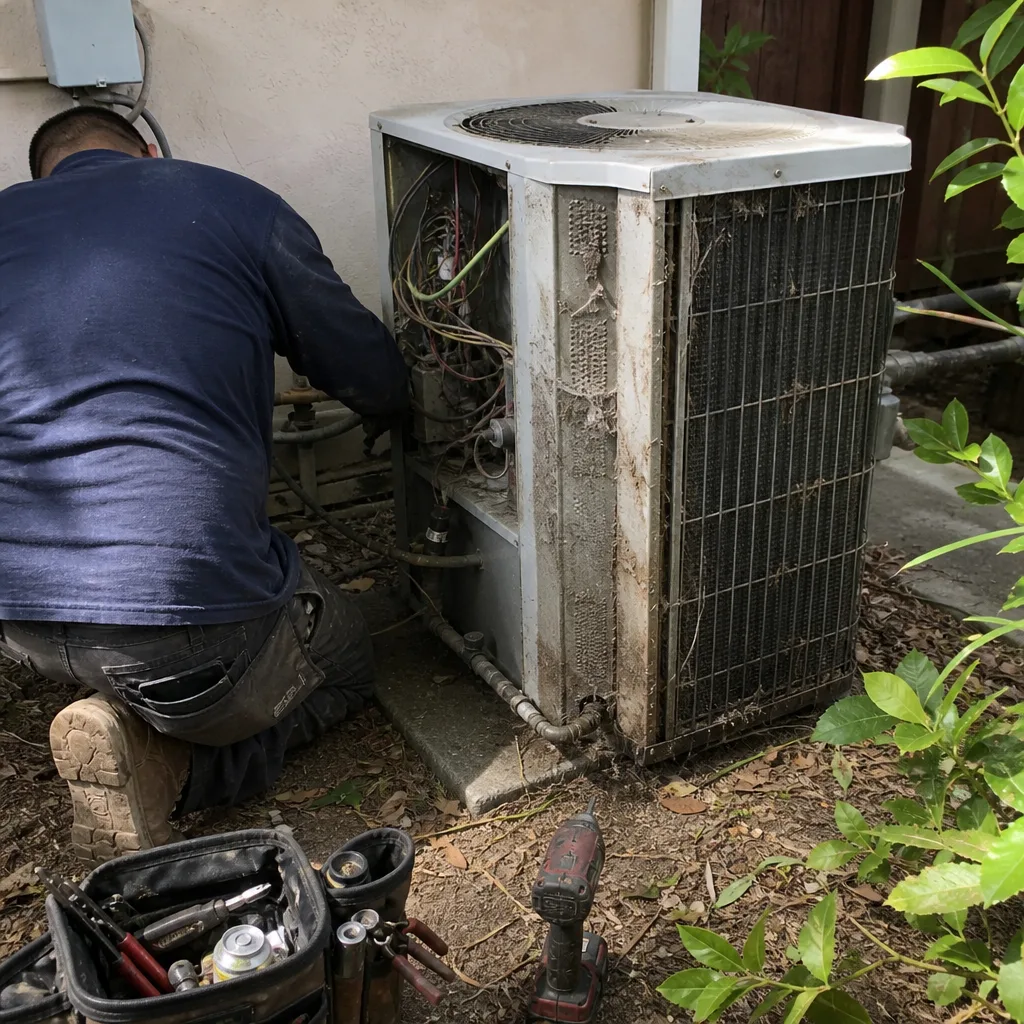 Before
 After
AfterReplacement Cost & What’s Included
Full roof replacement on a Plant Prefab home in Pasadena typically runs $8,000 to $20,000, depending on roof size, panel count, material choice, and access. Targeted repairs are far less: roof repair runs $400 to $1,800, and tile roof repair on Plant Prefab homes that use tile finishes runs $600 to $2,500. Every quote we give is a written, line-item price before any work starts, so the number you approve is the number on the invoice.
| Service | Typical Pasadena Price Range |
|---|---|
| Roof repair (seam, flashing, sealant) | $400 – $1,800 |
| Tile roof repair | $600 – $2,500 |
| Full roof replacement (panel system) | $8,000 – $20,000 |
| Metal roof installation | $15,000 – $40,000 |
The price range is driven by three things: how many panels need to be replaced or resealed, whether we are matching OEM materials or installing a current aftermarket system, and roof access. A single-story flat-roof Plant Prefab is straightforward. A two-story home with roof-mounted solar and tight side setbacks costs more because of the time and care involved.
Every repair includes the 365-Day Done Right Promise in writing. If the repair fails within a year, we come back and make it right, no argument. That also includes a free second visit if the repair fails. No homeowner should have to chase a contractor after a roof leak returns.
DIY or Call Us?
There is a real safety line here. Walking a roof is dangerous enough on its own, and roof work on a panelized system adds another variable: you may not know what you are standing on. A water-saturated SIP panel can look fine from above and give way under weight, and a Pasadena homeowner is not a trained roofer. For our money, anything beyond a ground-level inspection or a photo from a ladder is work for a professional with fall protection and roof experience.
What you can safely do: check your ceilings regularly after rain, photograph any visible seam gaps or lifted panels from the ground or a ladder, and check your attic for daylight pinholes or damp insulation. That information helps us quote accurately and fast. What you should not do: climb onto the roof to apply sealant, pull up panels, or remove flashing. One wrong step turns a $600 seam repair into a hospital bill, and it is not worth it.
Luca Romano has worked on plenty of Pasadena homes where a well-meaning patch job made the real repair more expensive because the temporary fix trapped water behind it. As he puts it: “The work tells you everything. You just have to know how to listen to it.” A failed sealant patch tells us water has been sitting inside a panel, and that changes the repair.
If you see signs of roof failure, call (626) 657-5396 and we will schedule a time to inspect it properly. The estimate is free, the price is written, and you will know exactly who is coming before they arrive.
FAQs
A Plant Prefab factory roof system typically lasts 20 to 30 years in Pasadena’s climate, but that number varies widely by material and exposure. Membrane and sealant components usually fail before the structural panels do, often in the 10 to 15 year range, which is why seam resealing and flashing replacement are common mid-life repairs. Call (626) 657-5396 and we can tell you what stage your roof is in.
Yes, most Plant Prefab roofing failures are repairable, especially when caught early. Seam resealing, flashing replacement, and targeted panel swaps handle the majority of cases, and those repairs typically run $400 to $1,800 in Pasadena. Full replacement is only necessary when multiple panels are saturated or the roof is past its serviceable life, and we will show you exactly why if that is the case.
A typical seam reseal or single-panel replacement takes one to two days on site, depending on access, weather, and material availability. Full roof replacements on a Plant Prefab home in Pasadena usually run one to two weeks. We give you a written timeline with your quote so you are not guessing.
We keep common sealants, flashing profiles, fasteners, and membrane patches on the truck for Plant Prefab-style panel systems. Full panels or OEM-matched materials are ordered per job based on your roof’s factory label specs, which keeps costs down and ensures the material is fresh. Call (626) 657-5396 and we will confirm what we can bring on the first visit.
Written by Luca Romano, Owner & Lead Contractor, Sawyer Remodel Pasadena at Sawyer Remodel Pasadena, serving Pasadena and nearby areas.