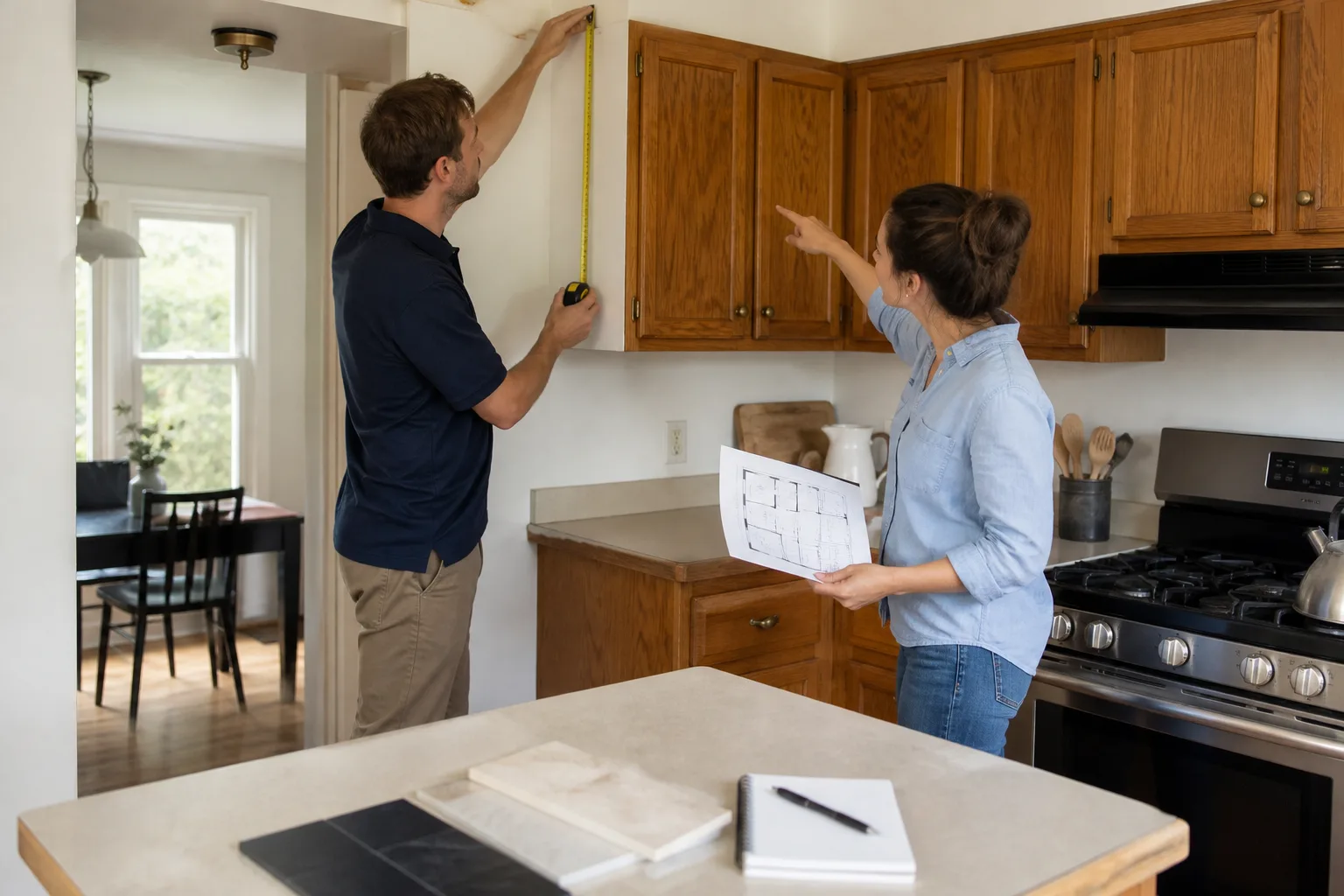
Free written scope consultation - allowances, timeline, and change-order rules on paper before a single trade is scheduled
Cover Home Additions & ADU: The Pasadena Owner’s Guide
Home additions and ADU construction in Pasadena typically run $45,000 to $130,000 for a finished space, depending on square footage, foundation work, and whether you’re adding a bathroom or kitchen. When a homeowner calls us about a Cover project that stalled or a part that failed mid-build, it’s usually because the original scope didn’t account for something structural: an undersized header, a roofline tie-in that leaks, or a floor system that wasn’t leveled before the walls went up. We handle the full correction and completion, not just the part swap.
The work tells you everything. You just have to know how to listen to it. A sagging ridge beam, a crack running from the corner of a new window, a door that won’t latch six months after the addition was framed: these aren’t finish problems. They’re structural warnings. In Pasadena, where half the housing stock predates 1950, additions tie into old framing that shifts with the seasons. If the original project didn’t account for that movement, the new work fails first.
Sawyer Remodel Pasadena is an independent service provider, not affiliated with Cover. We stock the materials and hardware common to Cover-style addition and ADU builds: framing hardware, shear wall components, flashing profiles, and the fasteners that hold them. If you’ve got a failed connection or a partially finished addition, we’ll tell you what’s salvageable and what needs to come out.
Which Cover Models This Applies To
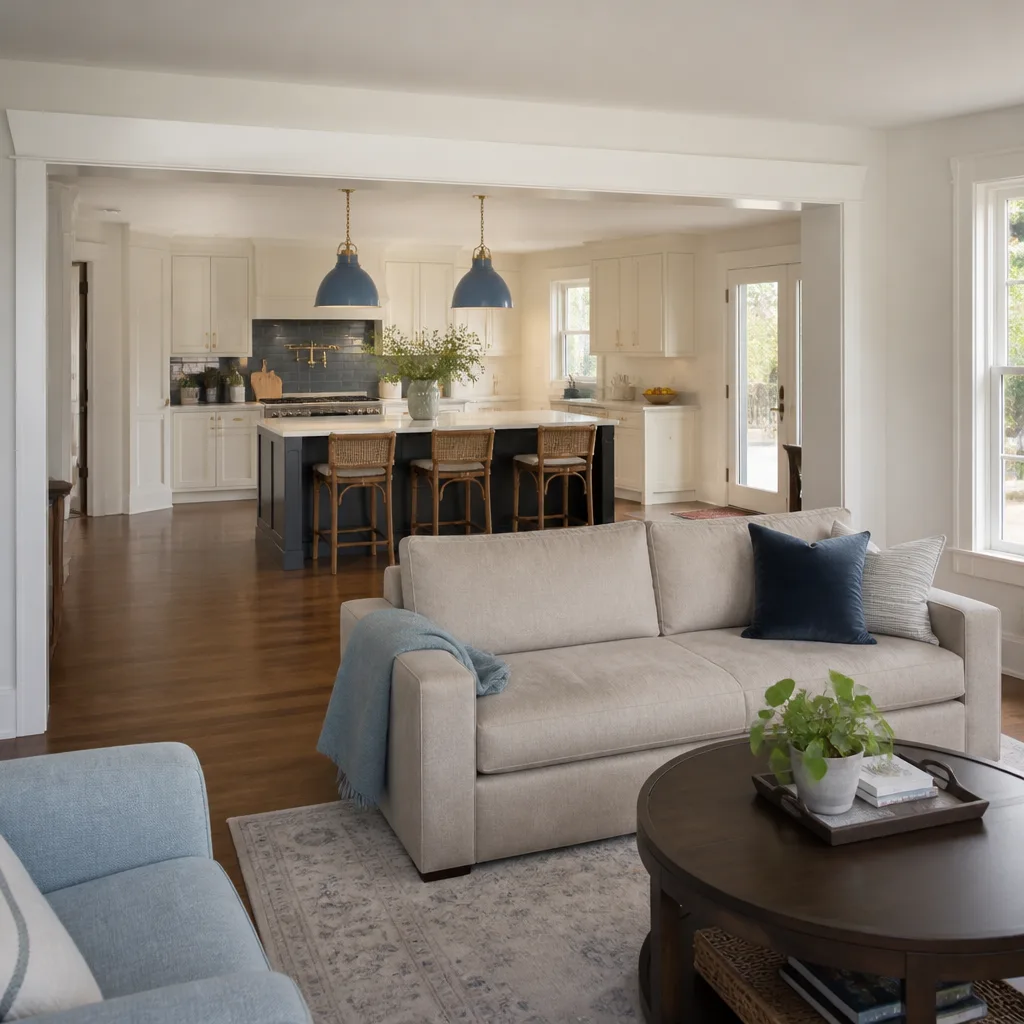
Cover’s home addition and ADU product lines vary by generation, but the common failure points are consistent across their modular wall and roof panel systems. The panels themselves are factory-cut to specification, which means field errors show up at the joints: where a panel meets the existing house, where the roof panel lands on the wall top plate, or where the floor cassette bolts to the stem wall.
If you can find the project label (usually on a panel edge or in the original permit packet), look for the series code. Older Cover builds used a tongue-and-groove wall panel connection that relied on a specific adhesive bead plus structural screws at 12-inch centers. Miss the screw schedule and the panel can creep outward over a Pasadena summer, when the stucco and framing bake through 90-degree afternoons. Newer lines use a steel connector clip at the top and bottom plates. If your addition shows a gap at the ceiling line that widens in August and closes slightly in January, that’s thermal movement, and the fix is a different connector than the one likely installed.
For ADU builds, the compatibility question comes down to the foundation. Cover’s plans typically specify a slab-on-grade or a raised perimeter foundation with specific anchor bolt placement. If the original installer poured the slab and set the bolts off-layout, the wall panels won’t seat correctly, and no amount of shimming fixes the shear transfer. We check the bolt pattern against the panel holes before we condemn or replace anything.
OEM versus aftermarket is a real decision here. Cover-branded connectors and flashing are fine products, but they’re not magic. Simpson Strong-Tie and USP make equivalents that meet or exceed the same load ratings, and they’re available in Pasadena same week. For anything that’s an exposed architectural finish (window trim, fascia, interior reveal), we recommend staying with the Cover profile so the look matches what you already have. For structural hardware hidden inside the wall, a quality equivalent saves you money with zero performance difference.
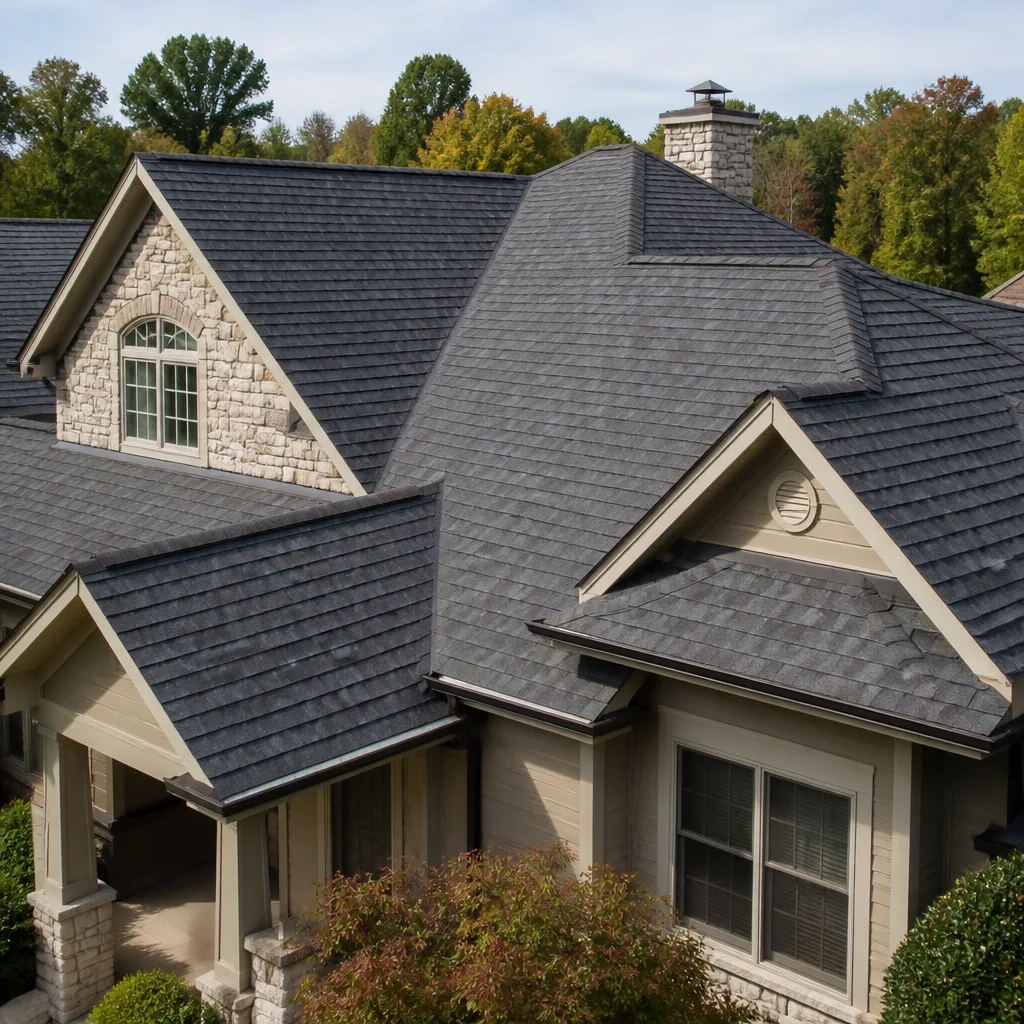
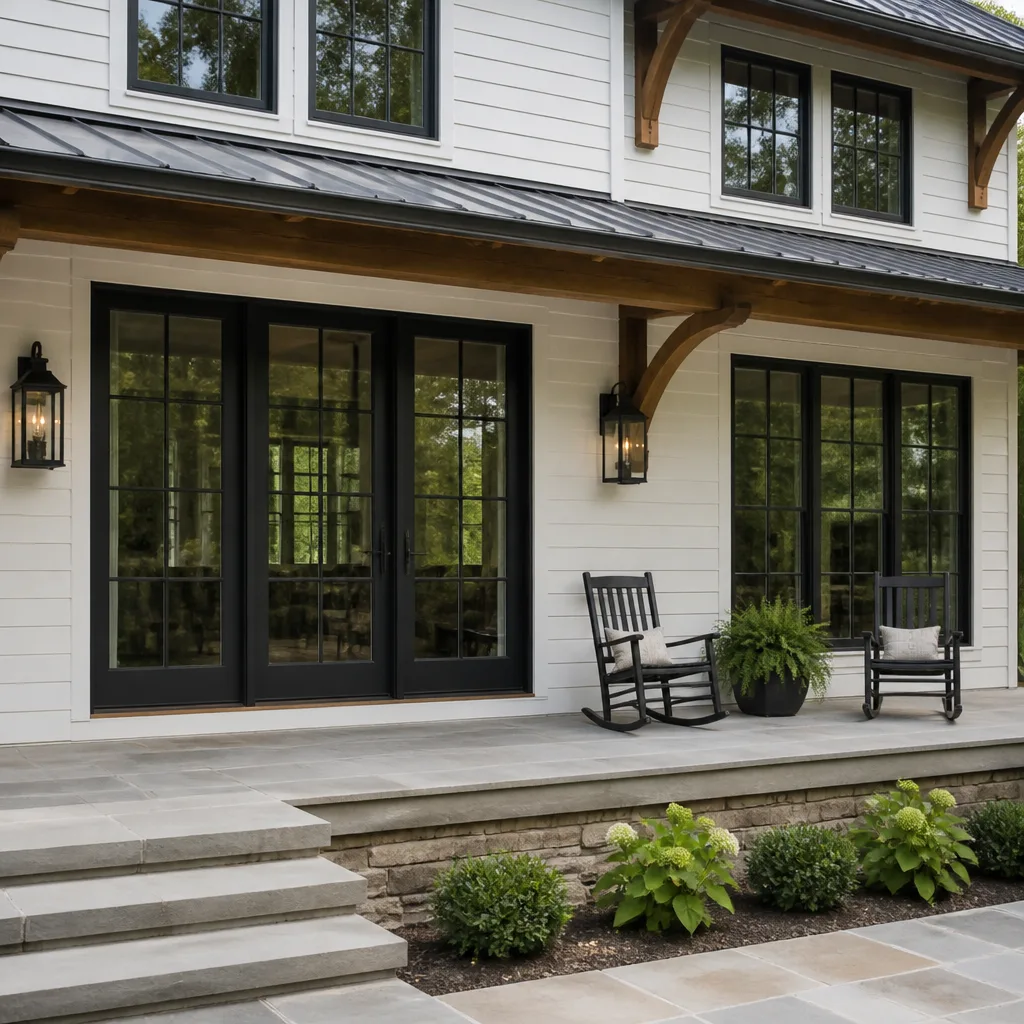
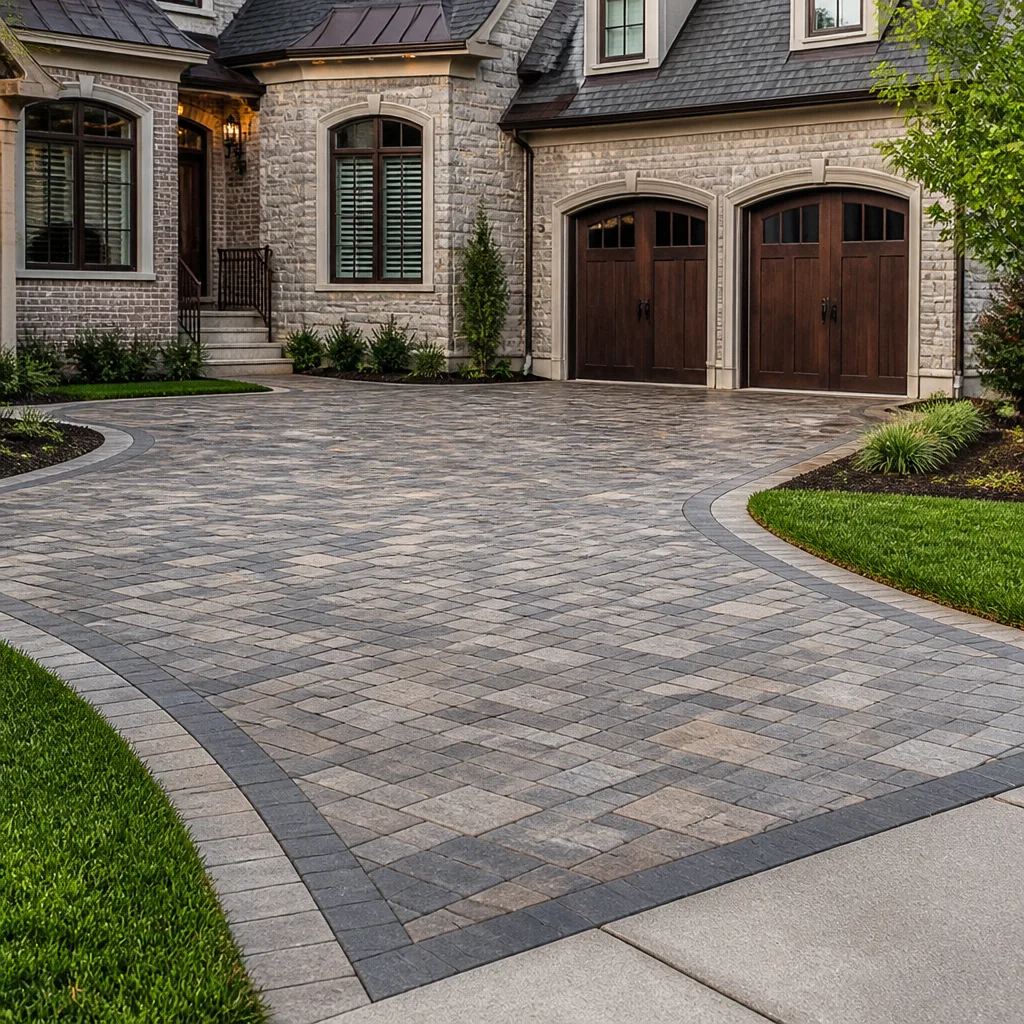
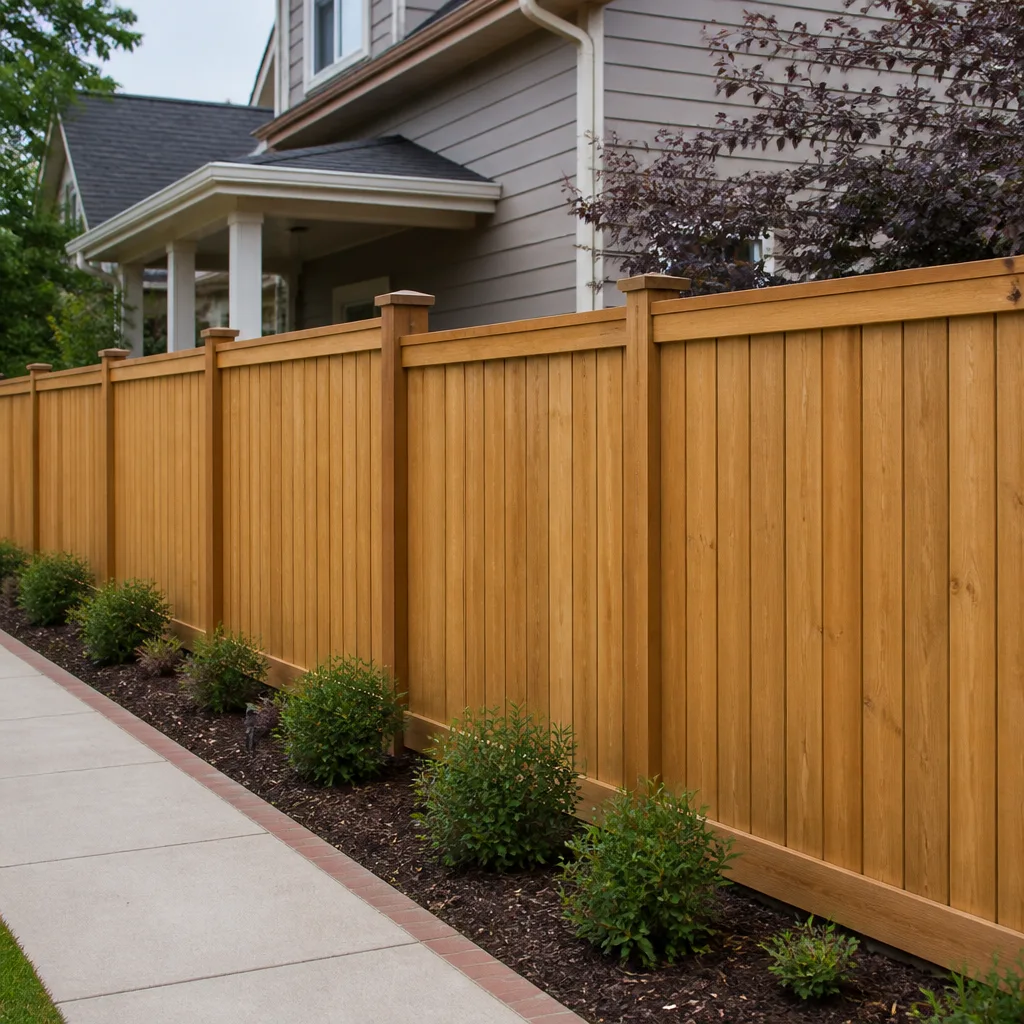
Styles & brands we work with
Signs Your Cover Home Additions & ADU Is Failing
- Ceiling cracks that follow the wall-to-roof transition. The panel joint at the top of the wall is separating. This usually means the roof load isn’t transferring cleanly through the wall panel, either because the connector schedule was missed or the top plate wasn’t shimmed level before the roof panels went on.
- Doors or windows that stick in summer, open fine in winter. Pasadena’s temperature swings cause the wall panels to expand and contract. If the rough openings weren’t sized with the right reveal, the doors bind. It’s a framing correction, not a hardware adjustment.
- A musty smell or water staining at the floor line of the addition. The flashing where the new wall meets the existing house wasn’t lapped correctly, or the panel’s bottom track is sitting below grade and wicking moisture. In Pasadena’s winter rainy season, this shows up fast.
- Gaps opening at the corner seams, especially on the south-facing wall. Direct sun heats that panel face all day. Without proper fastening at the corner, the panel walks outward a fraction of an inch at a time. You’ll see daylight or feel a draft at the corner bead.
- The addition floor bounces when you walk across it. The floor cassette or joist system wasn’t blocked and fastened to spec. It might have passed inspection, but if it doesn’t feel solid underfoot, the subfloor is moving more than the design allows and fasteners will loosen over time.
Replacement Cost & What’s Included
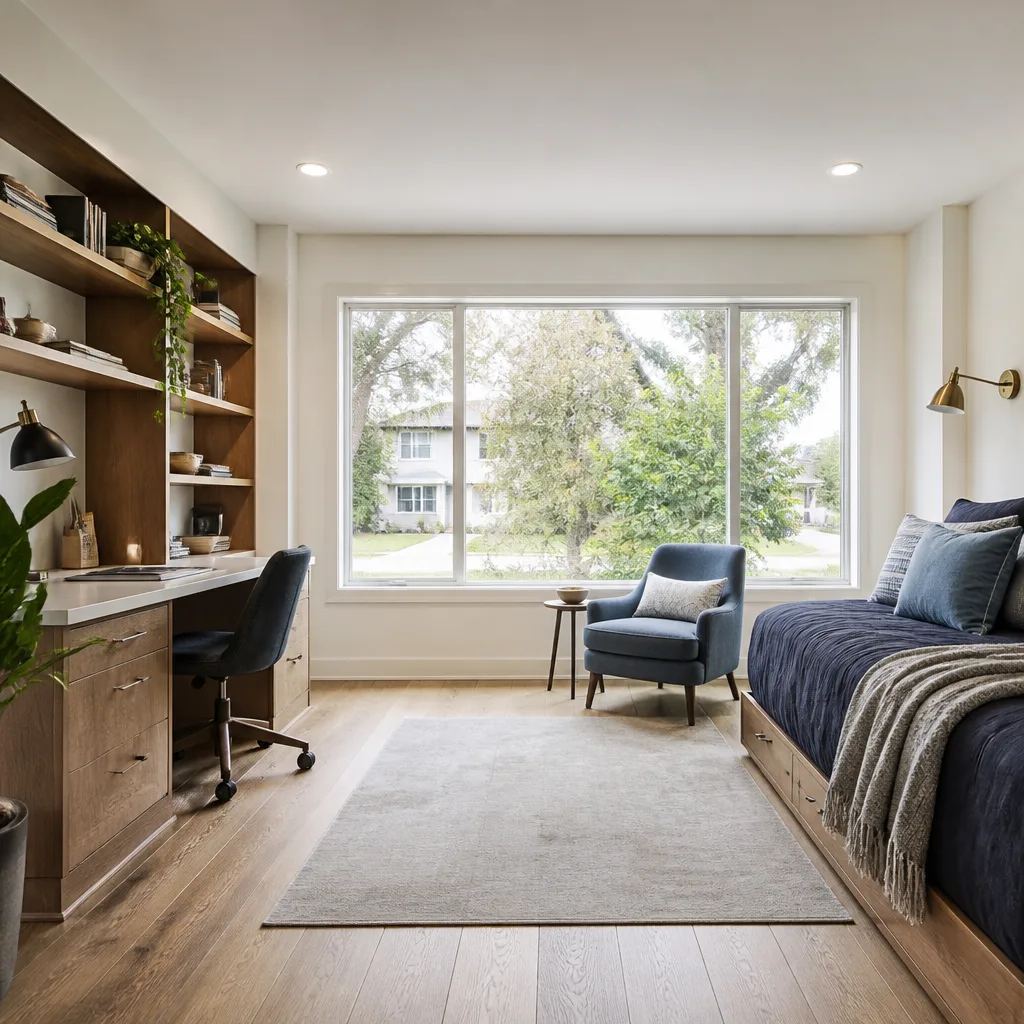
For a full Cover home addition or ADU completion in Pasadena, you’re looking at $45,000 to $130,000 installed. That range reflects the difference between correcting and finishing a small bump-out (say, 200 square feet with no plumbing) and completing a full detached ADU with a kitchen and bathroom. The price includes demolition of failed work, reframing, refinishing, and all the necessary permits and inspections.
What drives the cost inside that range:
- Structural correction scope: If we’re replacing a few connectors and re-flashing a joint, that’s lower. If we’re removing and reframing a wall because the panel was installed out of tolerance, the labor doubles.
- Foundation work: Incorrect anchor placement or a slab that’s out of level means cutting, doweling, and repouring sections before any wall work starts.
- Plumbing and electrical: ADUs with a kitchenette or bath add $20,000 to $40,000 to the total, depending on how far the new lines have to run from the main house.
- Finish level: A drywall-grade finish costs less than a taped, textured, and painted interior with trim, doors, and flooring.
Every quote from Sawyer Remodel Pasadena lands in writing before any work starts, with the parts and labor broken out line by line. The number you approve is the number you pay. We don’t do change orders unless you ask for a change. The work carries our 365-Day Done Right Promise: if it’s not done right, we make it right, in writing, for a full year after the project closes.
See the difference
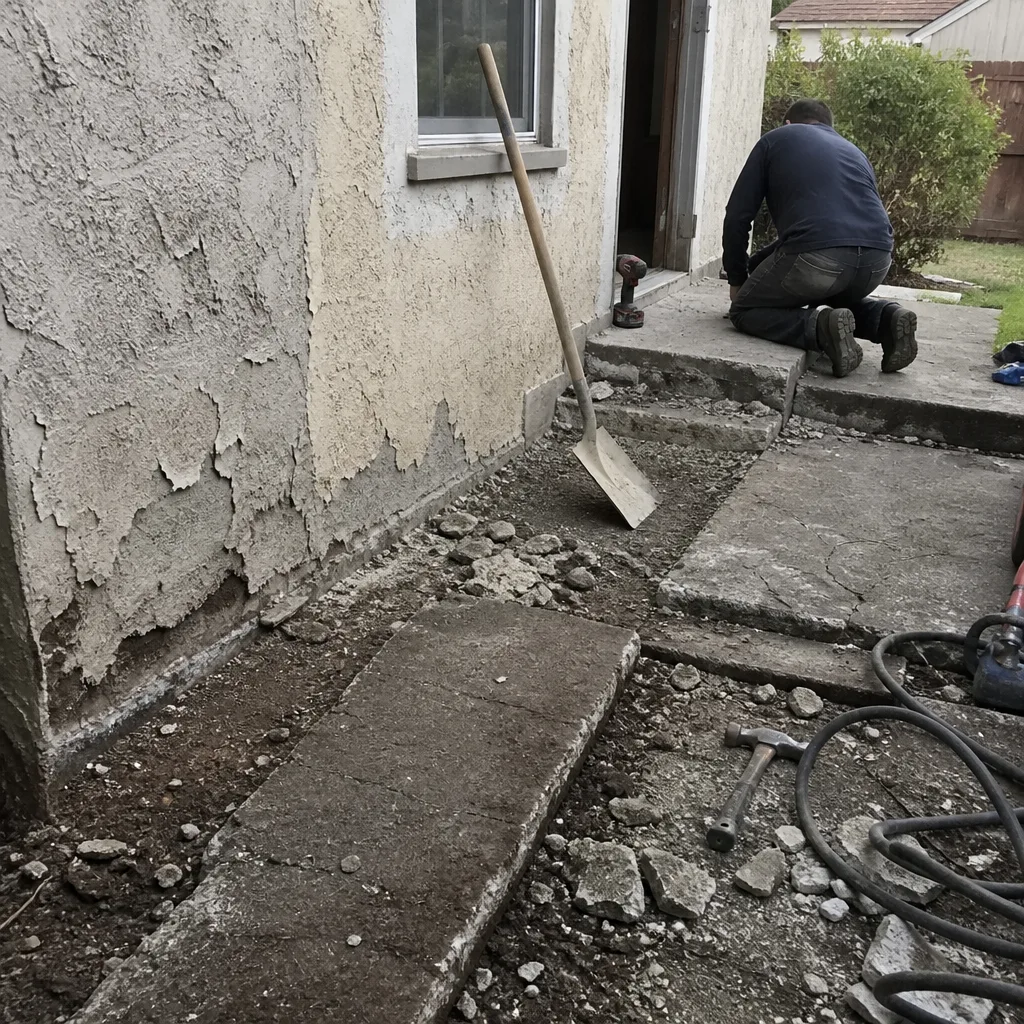 Before
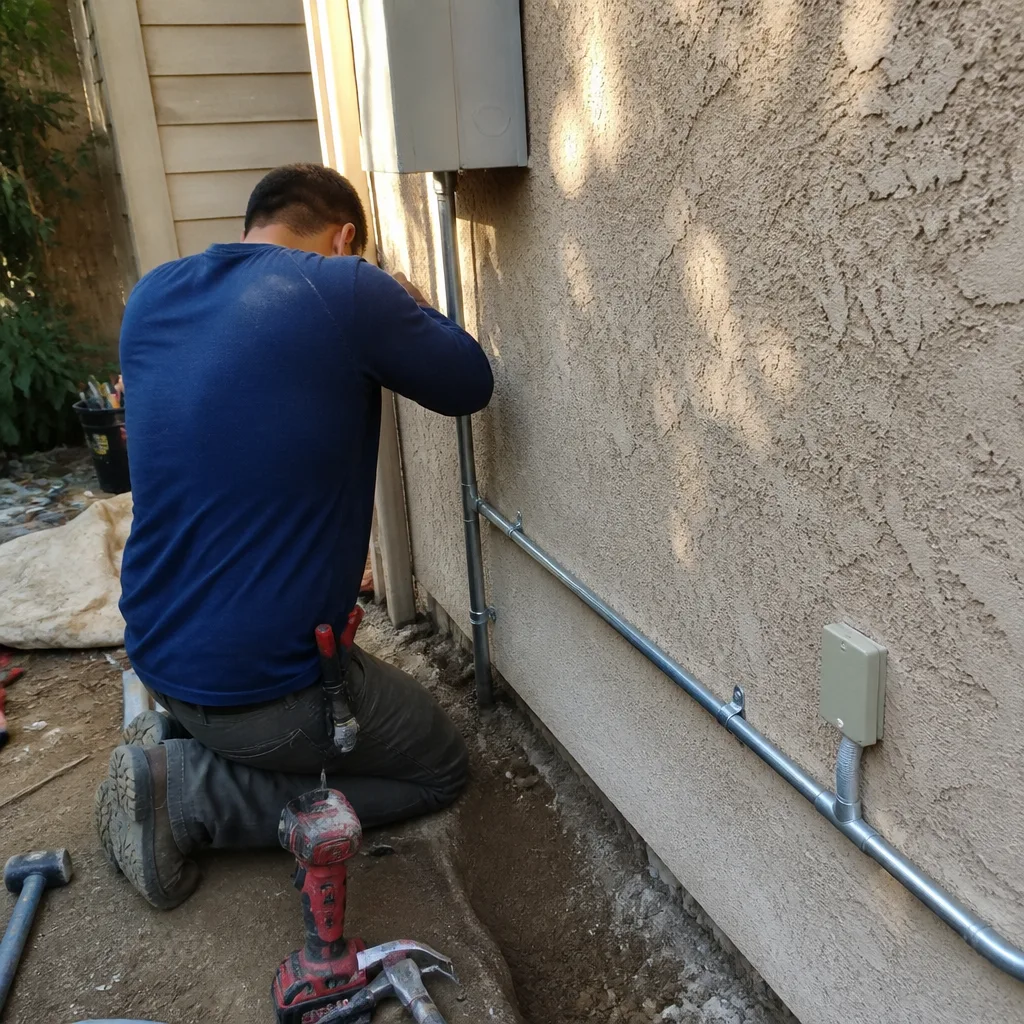 After
After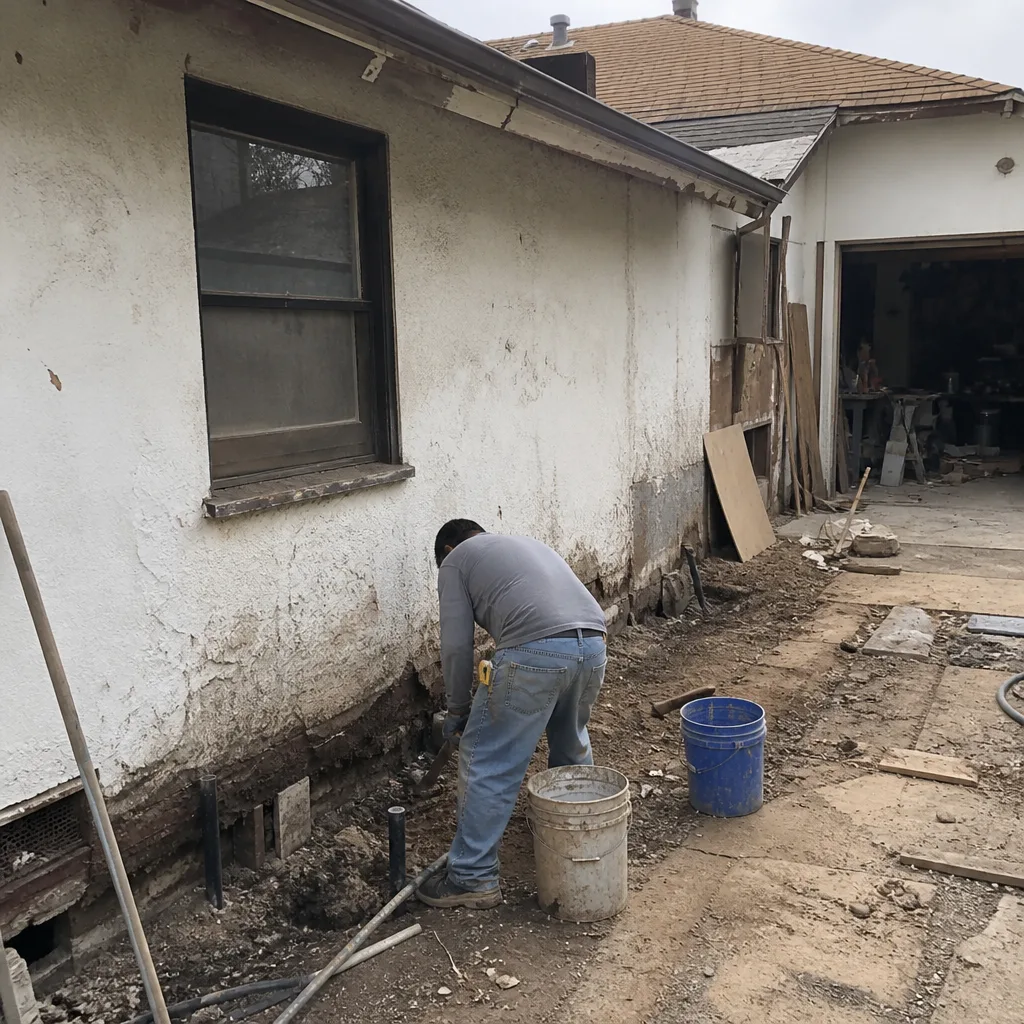 Before
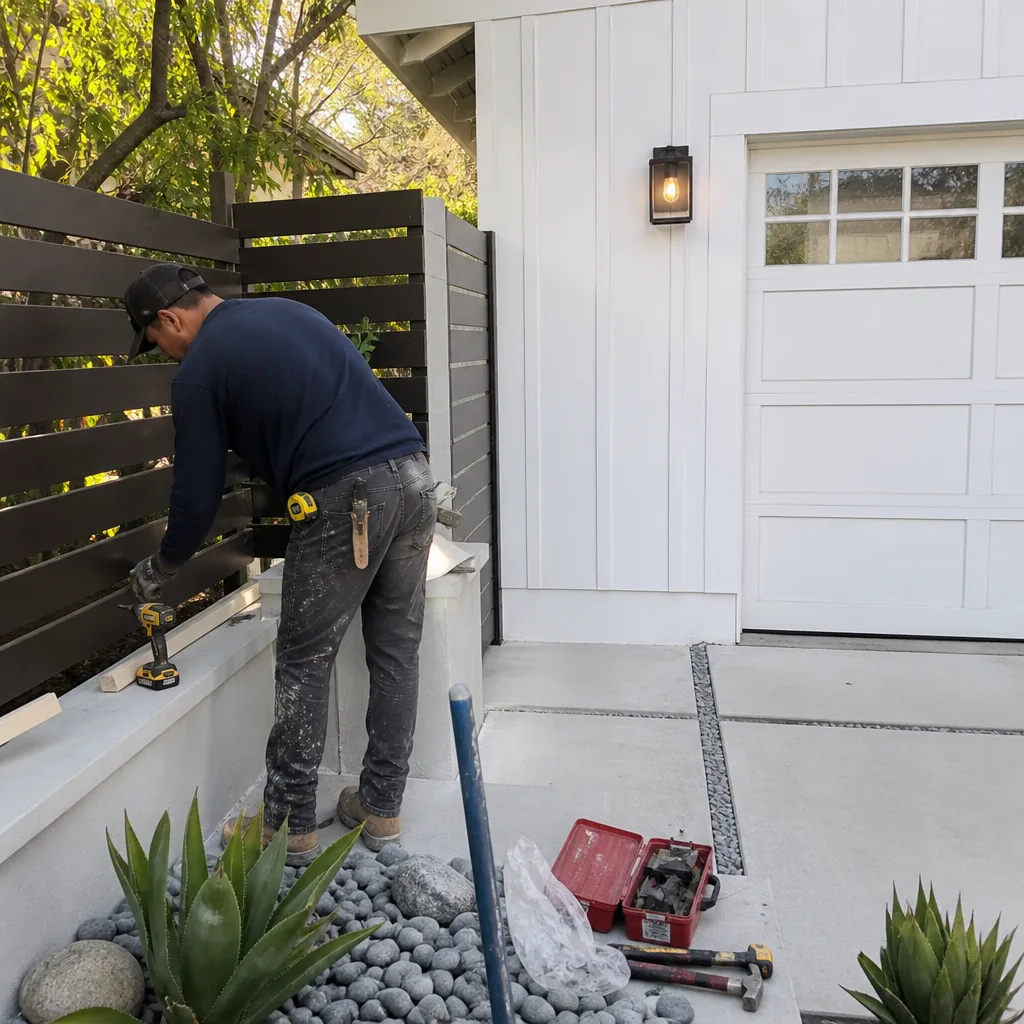 After
After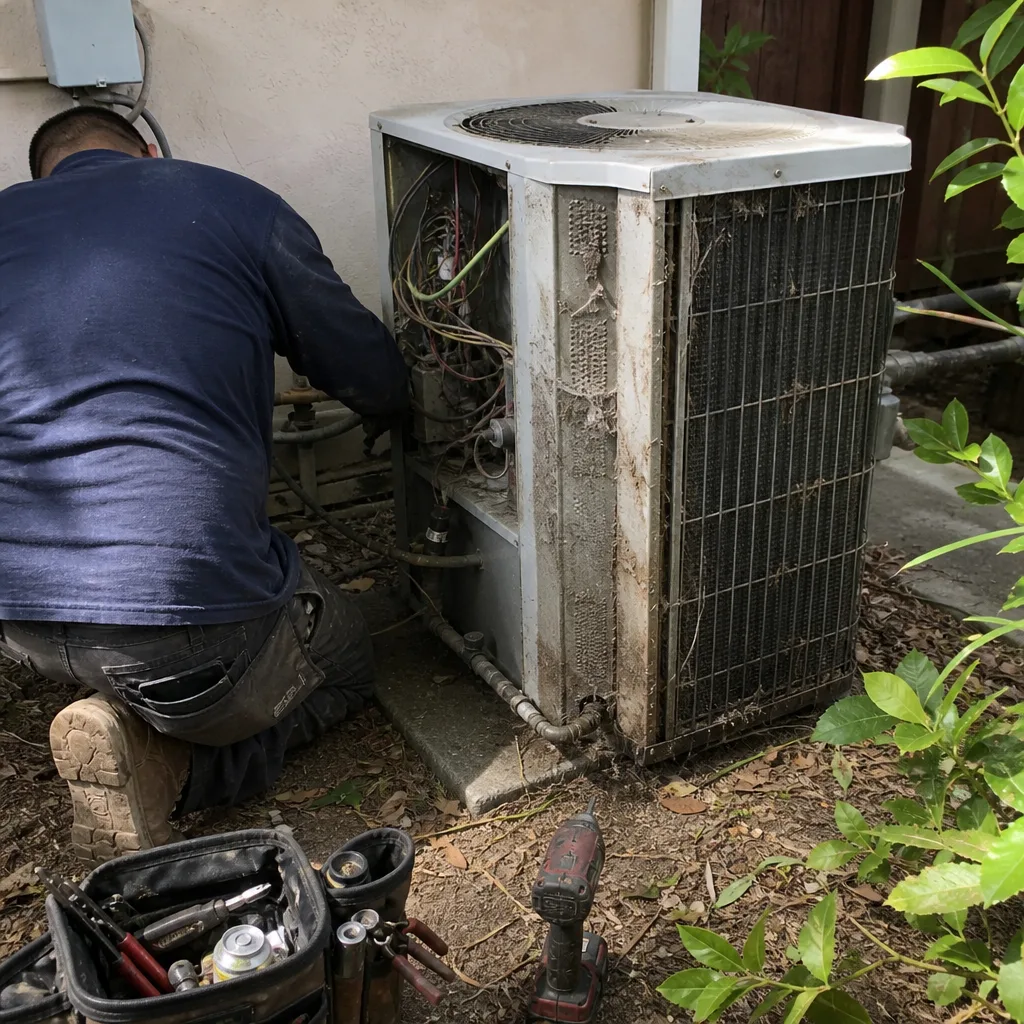 Before
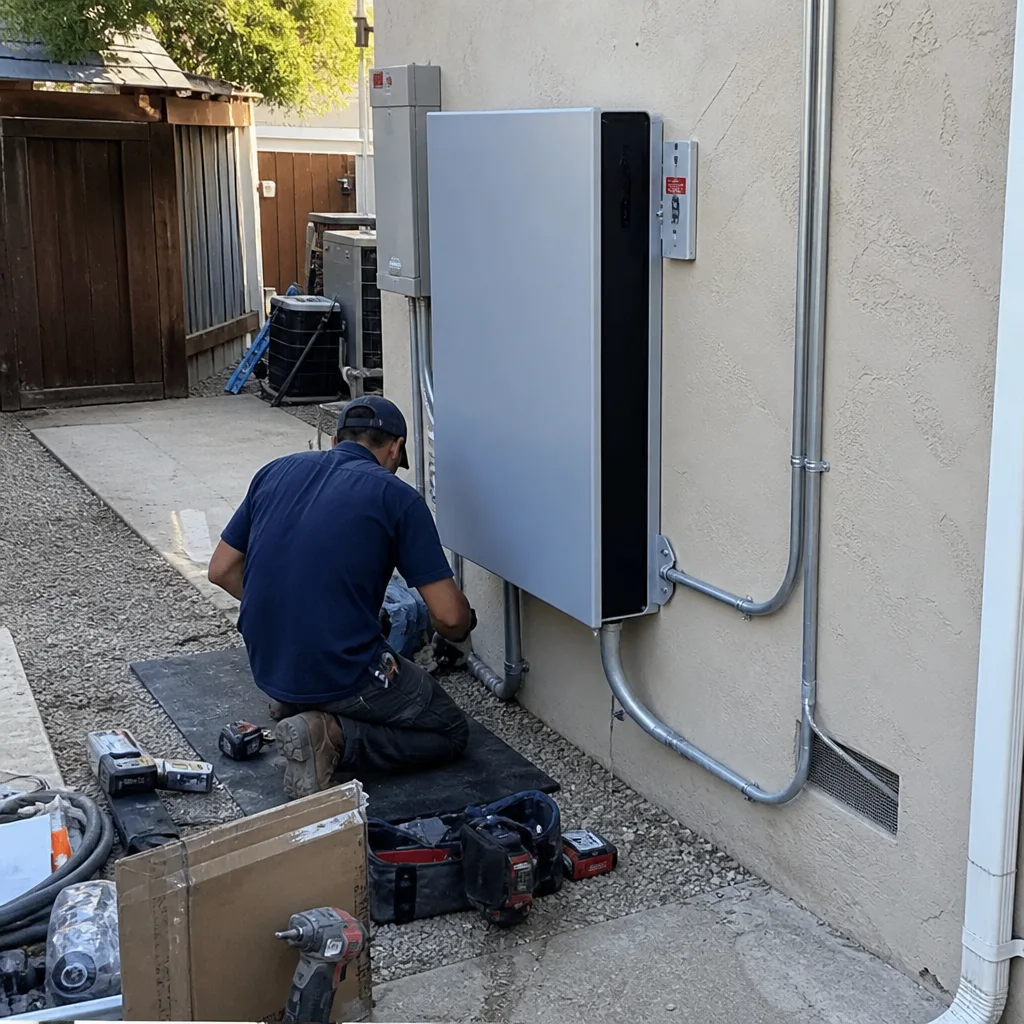 After
AfterDIY or Call Us?
There are things a homeowner can safely check. Look for visible gaps at panel seams. Run your hand along the top of the wall where it meets the ceiling and note where the paint line cracks. Check for water staining at the floor perimeter after a rain. Document what you see with photos and measurements.
What you should not do is start removing panels, cutting fasteners, or trying to re-shim a wall yourself. The panels in a home addition carry roof load. Pulling one without properly supporting the structure above it can drop a section of roof on you. Same goes for foundation corrections: if the anchor bolts are misaligned, the fix involves cutting concrete and setting new anchors to spec. That’s a job for someone who’s done it on Pasadena’s older slabs and knows what the city inspector will flag. If your addition is showing any of the signs above, call us at (626) 657-5396 and we’ll take a look. The assessment is free.
FAQs
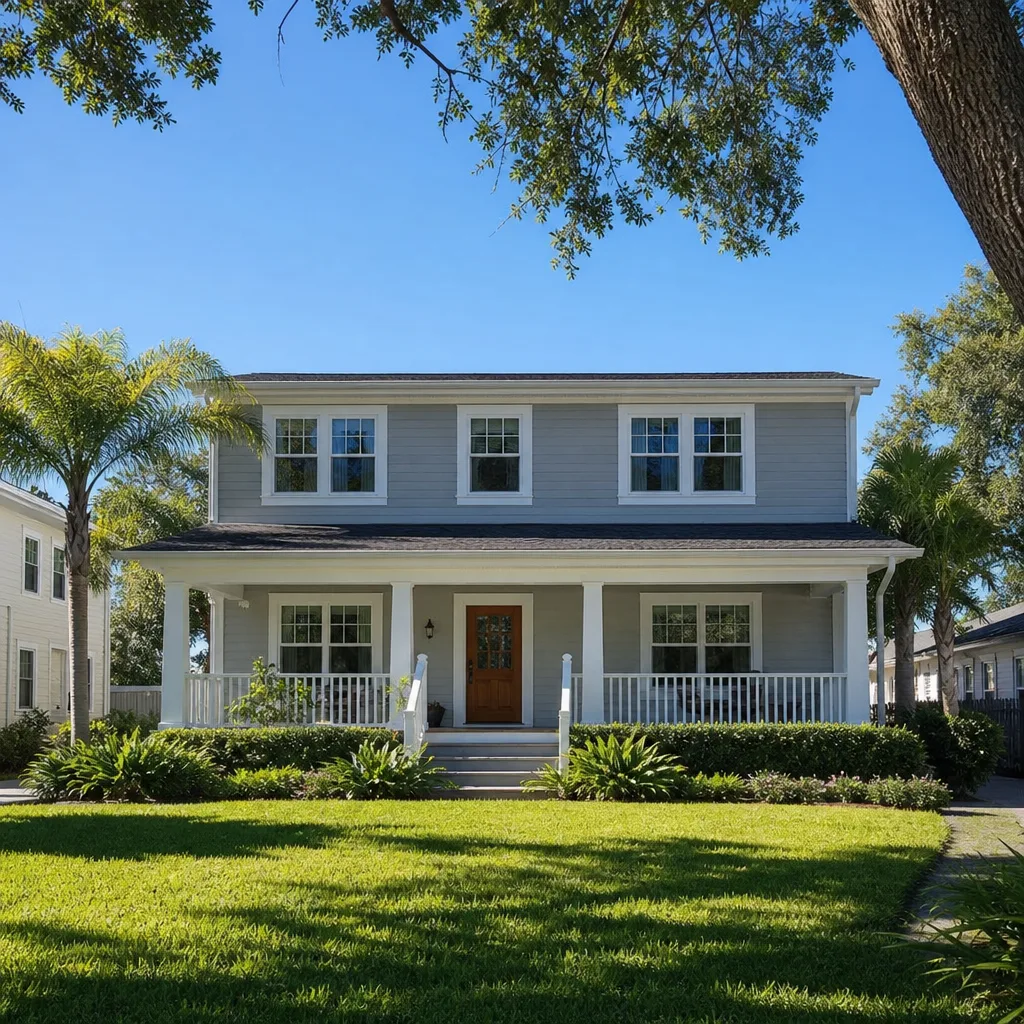
With proper installation, a Cover-style addition or ADU should last the life of the house; the weak points are the field connections, not the panels themselves. In Pasadena’s climate, expect the flashing and sealant joints to need attention every 10 to 15 years, and the structural connections to hold indefinitely if they were installed to spec in the first place. Call (626) 657-5396 and we’ll do a connection and flashing inspection so you know what you’re working with.
Yes, in most cases the repair is localized: re-flashing a joint, adding the missing connectors, or shimming and refastening a wall panel that’s crept out of place. Full replacement is only necessary when the panel itself has delaminated from water damage or the framing has cracked from overload. We’ll always tell you which one you’re looking at before you spend a dollar.
A connection and flashing repair on a Cover addition typically takes one to three days. A full panel replacement or structural reframing runs one to two weeks. An unfinished ADU that needs to be brought from rough frame to move-in condition takes two to four months, depending on the finishes and the permit review timeline in Pasadena.
We keep the common hardware on hand: structural connectors, panel screws, flashing profiles, and the sealants specified for the Pasadena climate. Anything Cover-specific that we don’t have in stock we can have within a week. If your project uses an older series that’s no longer manufactured, we’ll match it with an equivalent that meets the same engineering spec.
Get a Written Price Before You Decide
If you have a Cover home addition or ADU that’s showing signs of trouble, don’t wait for the gap to get wider or the crack to grow. Call Sawyer Remodel Pasadena at (626) 657-5396 and we’ll come out, assess what’s failing, and put a written, line-by-line price in your hands before any work starts. Luca Romano and our crew have worked on additions and ADUs throughout Pasadena for years, including plenty of older homes where the original framing didn’t match the new work. Free estimate. Written guarantee. No surprises at the invoice.
Written by Luca Romano, Owner & Lead Contractor, Sawyer Remodel Pasadena at Sawyer Remodel Pasadena, serving Pasadena and nearby areas.