Free written scope consultation - allowances, timeline, and change-order rules on paper before a single trade is scheduled
CGI Roofing: The Pasadena Owner’s Guide
CGI roofing in Pasadena typically costs $1,500 – $6,000 to replace or repair depending on what failed, how much sectioning the job needs, and which CGI profile you have. We stock the most common CGI metal roofing profiles, matching screws, ridge caps, and trim, and we can usually get a crew to your Pasadena home within a few days of your call. Most owners find us the same way: a leak in an upstairs bedroom or a rattling, flapping sheet after a Santa Ana wind event, and a quick trip to the attic confirms the water is coming from one specific panel.
CGI is corrugated galvanized iron, the workhorse metal roofing you see on older Pasadena garages, craftsman homes, and a fair number of Bungalow Heaven porches and awnings. It’s tough material, but nothing lasts forever in Southern California sun. The sheets eventually rust through at the fastener points, the seal washers dry and crack, or a section lifts loose in a wind gust and starts slapping. When that happens, the fix is usually one of three things: replace the failed screws and washers, patch a rusted-through sheet, or swap a full panel and re-flash around it. We’ll tell you which one you actually need before we send anybody out.
One thing to know up front: Sawyer Remodel Pasadena is an independent contractor. We’re not affiliated with the CGI brand, which means we can use genuine CGI panels where they’re still available or a matching alternative when CGI isn’t the right fit for the job. Either way, you get the part spec’d and priced in writing before work starts, under The Relay Visibility Guarantee. That’s who is coming, when they arrive, and what it costs, confirmed before a single tool gets picked up.
Which CGI Models This Applies To
CGI roofing isn’t one product – it’s a profile style, and the first thing we do on any Pasadena job is match the sheet to the right corrugation pitch and gauge. The most common sheets in this area are 8-foot and 10-foot lengths with either a 2.5-inch or 3-inch corrugation pitch, usually 29-gauge or 26-gauge steel. Older homes often have 29-gauge; newer installations on residential roofs lean 26-gauge for the extra stiffness. Both are galvanized, and many are pre-painted in green, red, or bare zinc finish that’s been baking in the California sun since the house went up.
Here’s the compatibility gotcha most people run into: corrugated profiles are not interchangeable at the lap joint. A sheet with a 2.5-inch pitch won’t lay correctly over a 3-inch pitch sheet, and trying to make it work leaves a leak at the seam. The way to identify what you have is to measure across four full ridges, from center to center, and divide by four. If that number lands around 2.5 inches, that’s your pitch. If it’s closer to 3 inches, you have the deeper profile. Same thing with the pan: some CGI has a shallow pan, some a deeper one. Get the profile right and the part swaps in clean. Get it wrong and you’re buying a second sheet and paying twice for labor.
For OEM versus aftermarket, here’s the honest version: genuine CGI panels are still in production through the original brand, but for a lot of older Pasadena homes the original color codes and profile runs have been discontinued. When the exact sheet is still available, we order it and the color match is perfect. When it’s not, we work with local metal suppliers who roll matching gauge and profile blanks, then paint to match as close as the existing fade allows. After a decade of Southern California sun, even a genuine panel won’t match a roof that’s been fading for 20 years, so we’ll tell you what’s realistic before you spend money. Luca Romano has seen enough of these jobs to tell you straight: the goal is watertight and close, not perfect.
Styles & brands we work with
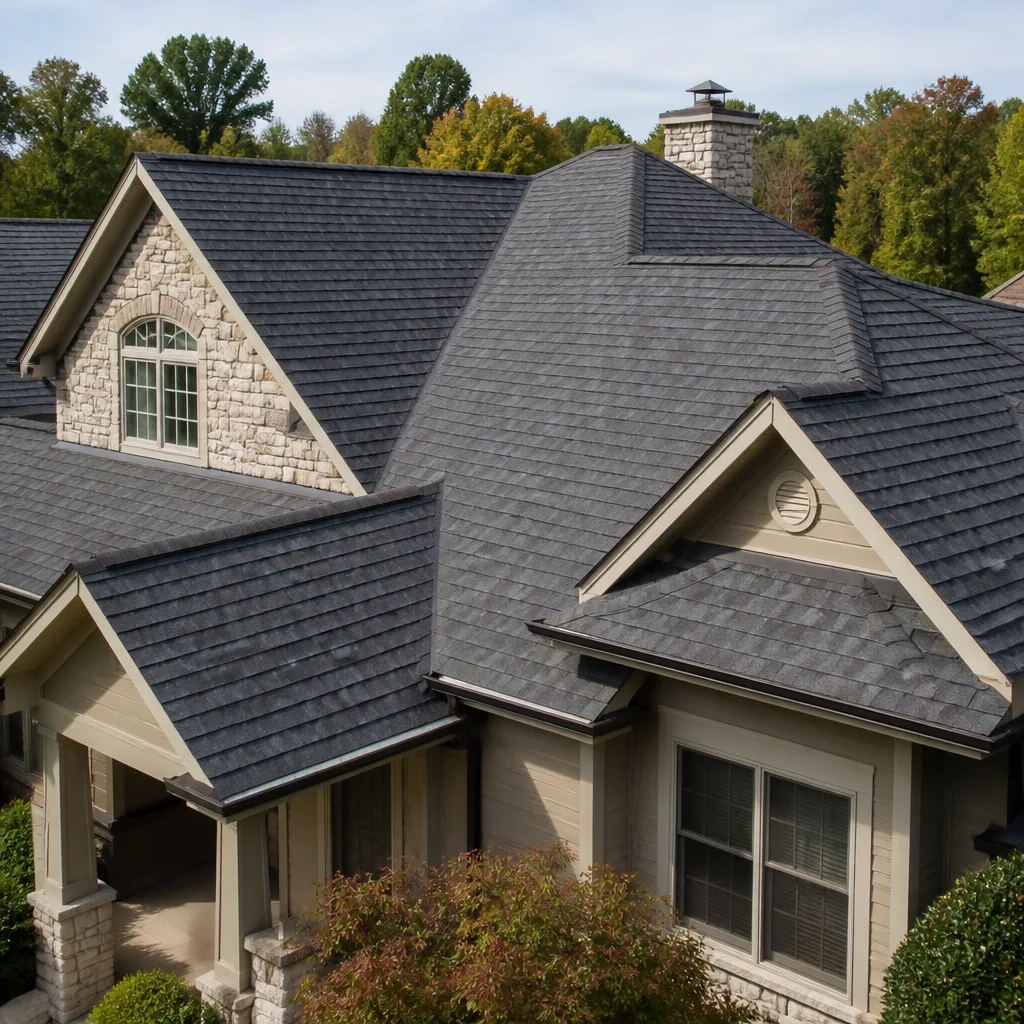
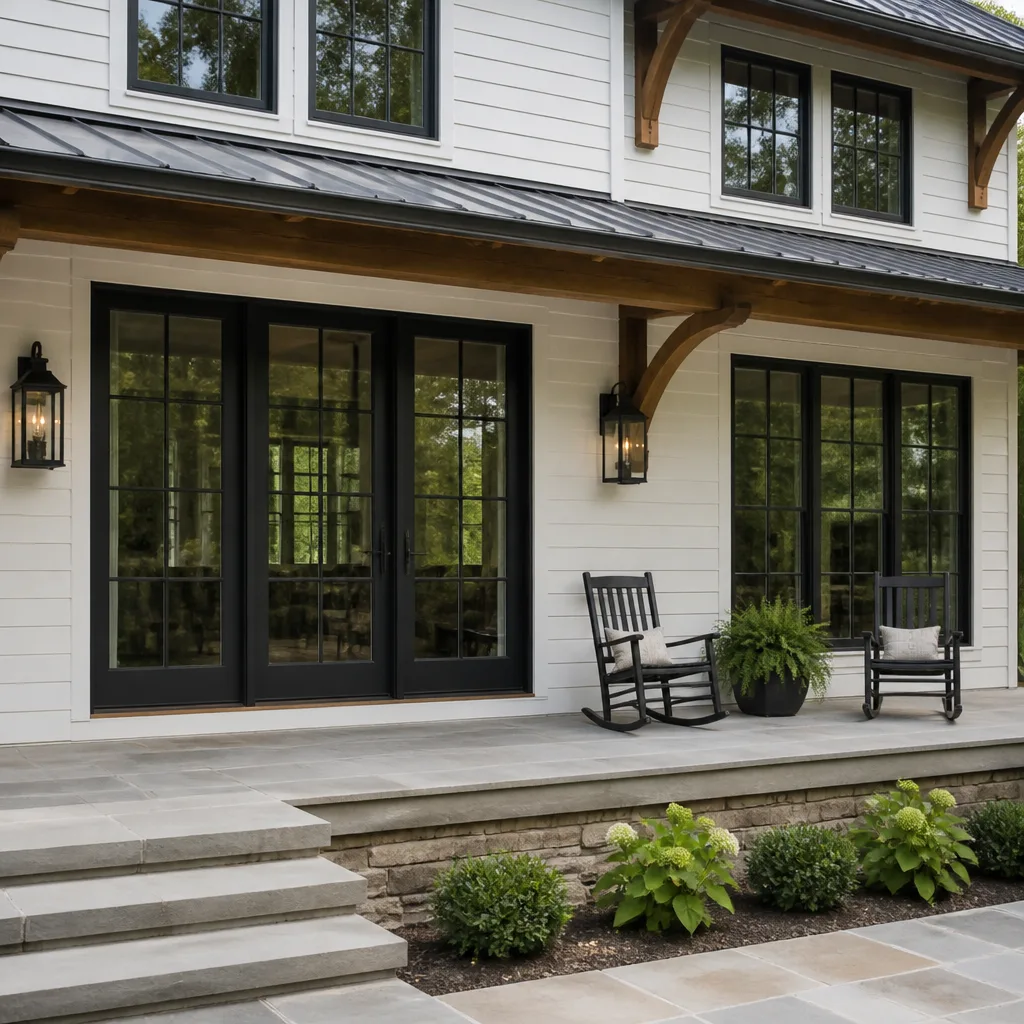
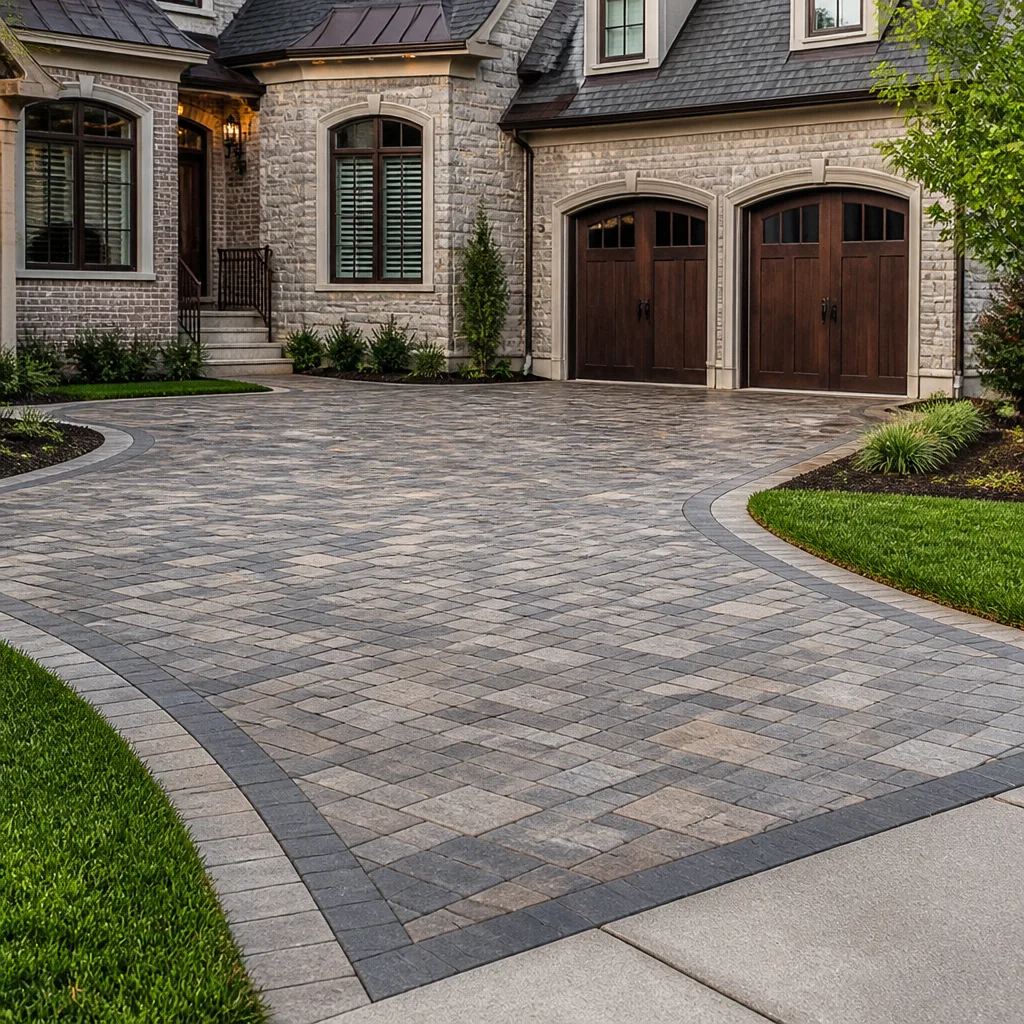
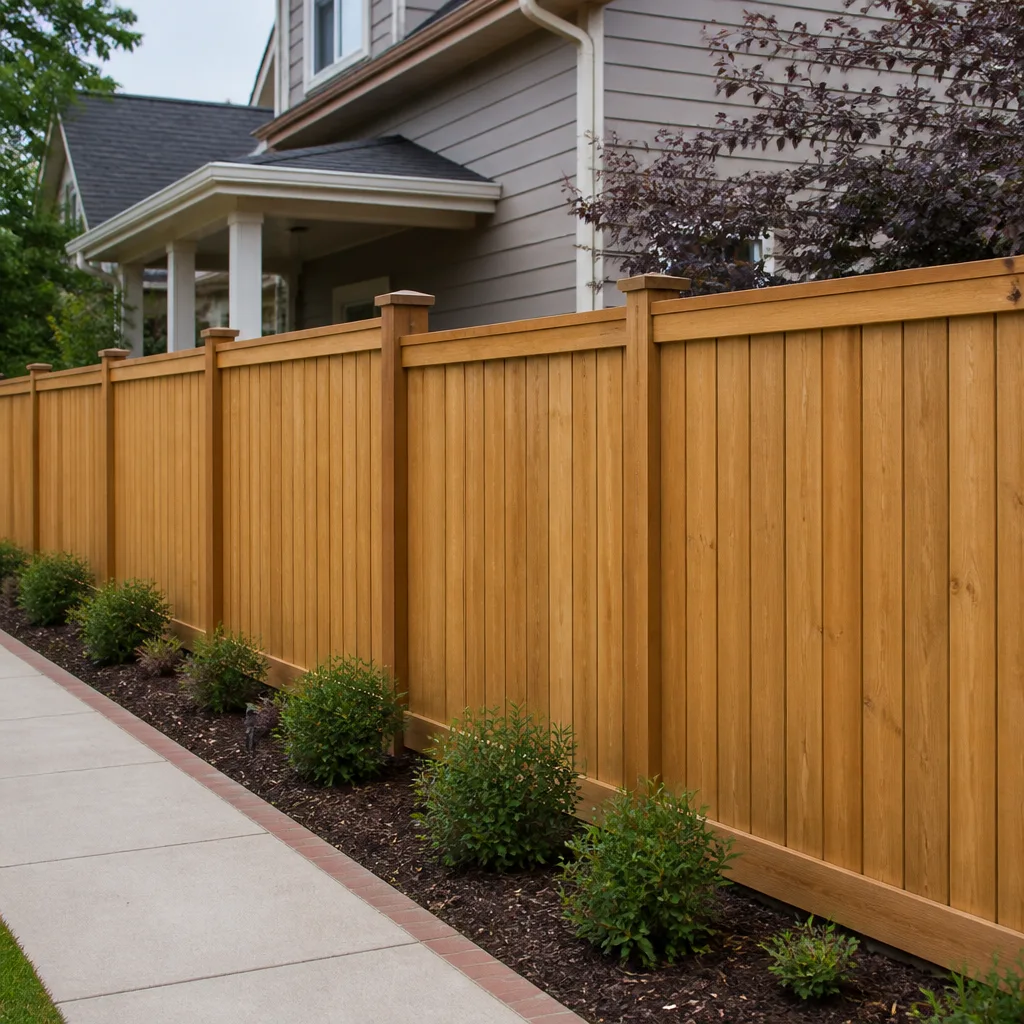
Signs Your CGI Roofing Is Failing
CGI doesn’t usually fail all at once. It fails in stages, and most of the early warnings are visible from the ground if you know what you’re looking at. In Pasadena we see the same few complaints year after year, mostly on the south-facing slopes that take the worst of the afternoon sun.
- Rust blooms around the screws: the screw holes are the weakest point on any CGI roof. When the galvanized coating fails around a screw, rust bleeds out in a telltale streak that looks like wet rust running downhill. It’s usually the neoprene washer under the screw head that dried and cracked first, letting water sit against bare steel.
- Loose or flapping sheets after wind: Santa Ana gusts in Pasadena can hit 60 mph or more, and a CGI sheet that’s lost a few fasteners sounds like a drum roll on a bad day. If you hear it banging at night, get it secured before the next big wind. The longer it flaps, the more fasteners it pulls loose.
- Daylight showing through the ridge cap: the ridge is where two slopes meet, and it’s one of the first places sealant shrinks and pulls away. Climb up on a clear afternoon, look along the ridge, and if you see slivers of sky between the cap and the sheet, water is already getting through in the rain.
- Water stains or drips in the attic after rain: by the time the ceiling shows a watermark, the leak has usually been running for a while. Trace the angle of the rafters and you’ll find the source uphill from the stain, often where a screw failed or a lap joint pulled open.
- Chalking paint and bare-metal patches: pre-painted CGI fades and chalks over time. When the color finally wears through to bare steel, it’s not a structural problem yet, but it’s the final stage before surface rust sets in. If you’re seeing bare patches, plan the replacement before the metal underneath goes thin.
See the difference
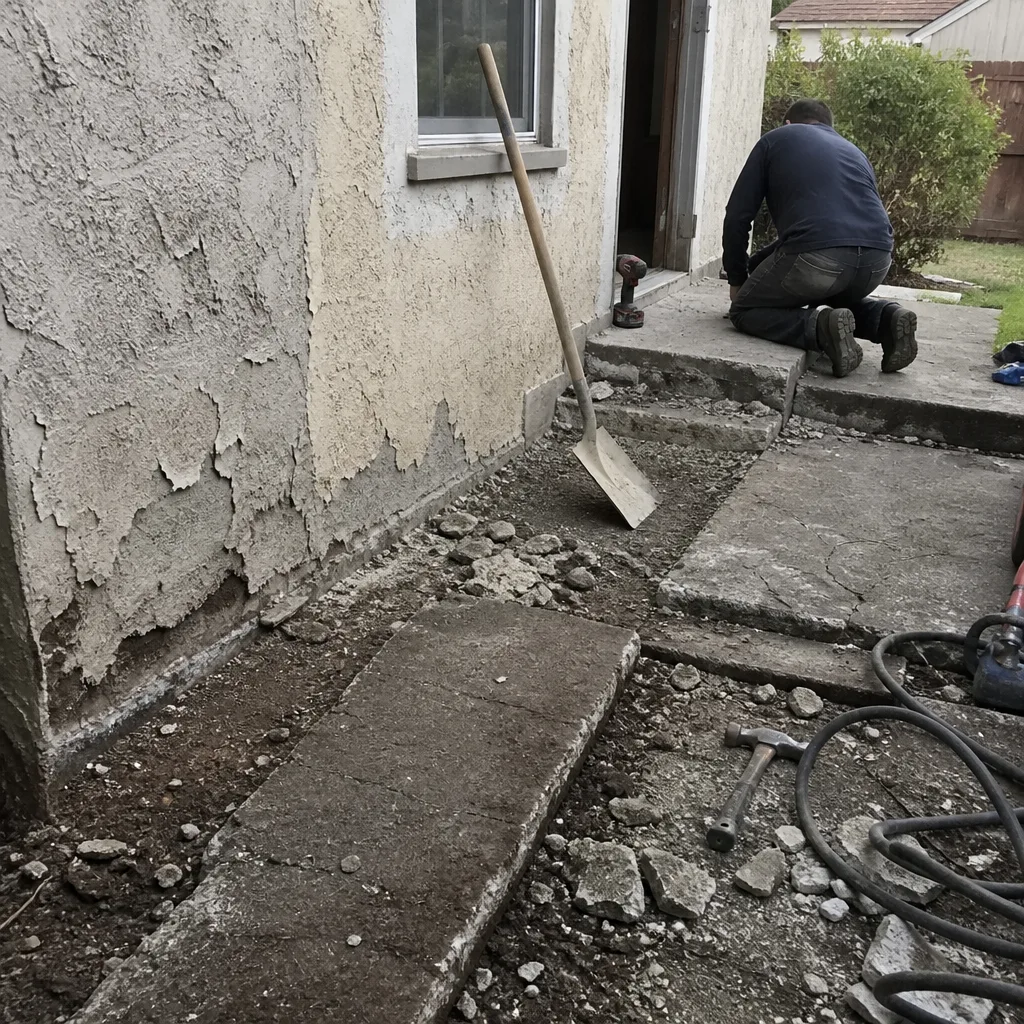 Before
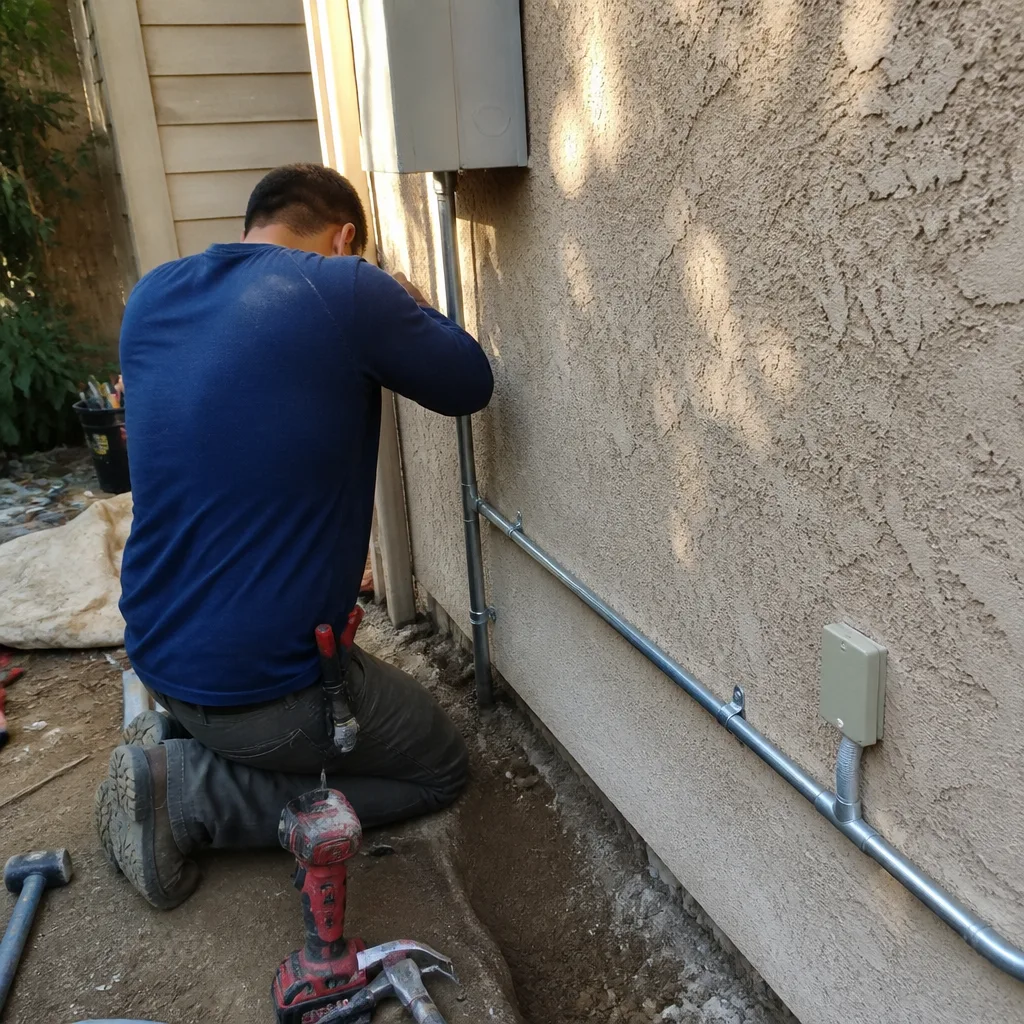 After
After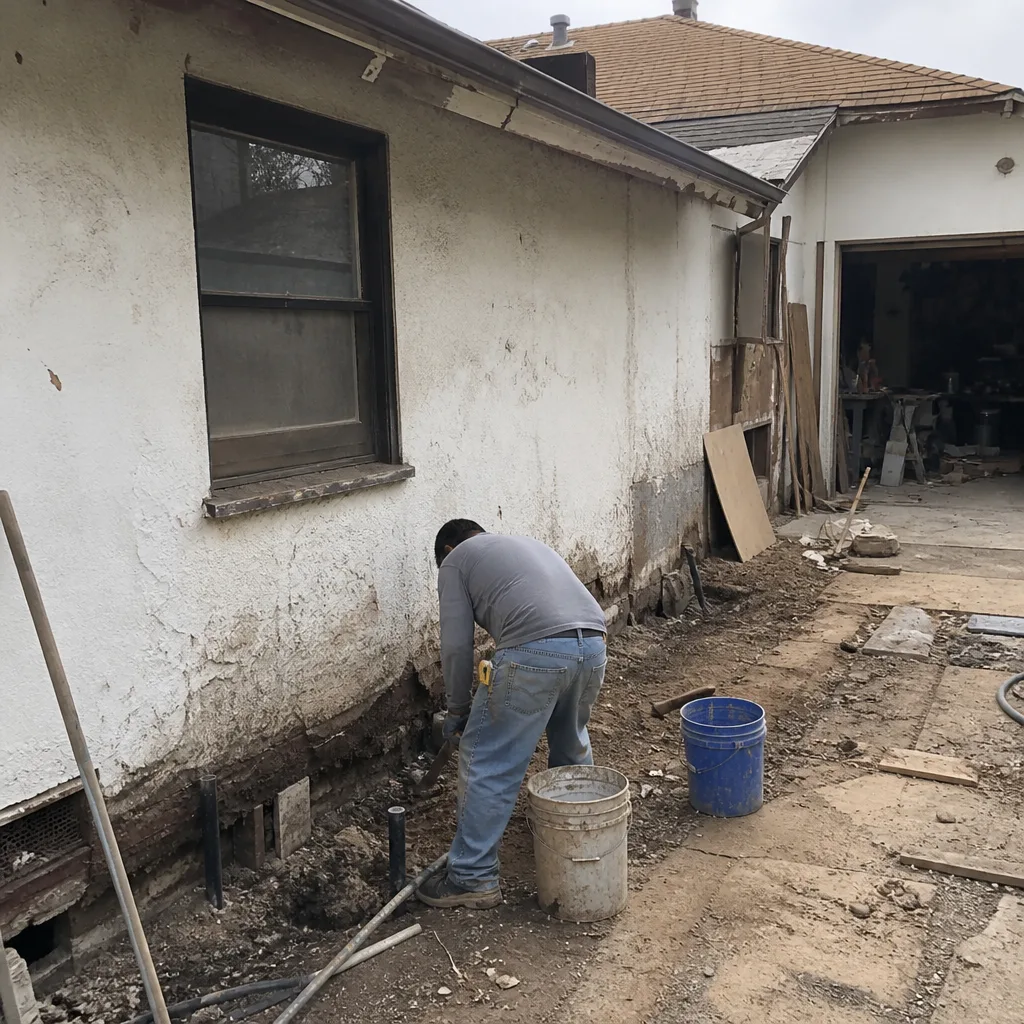 Before
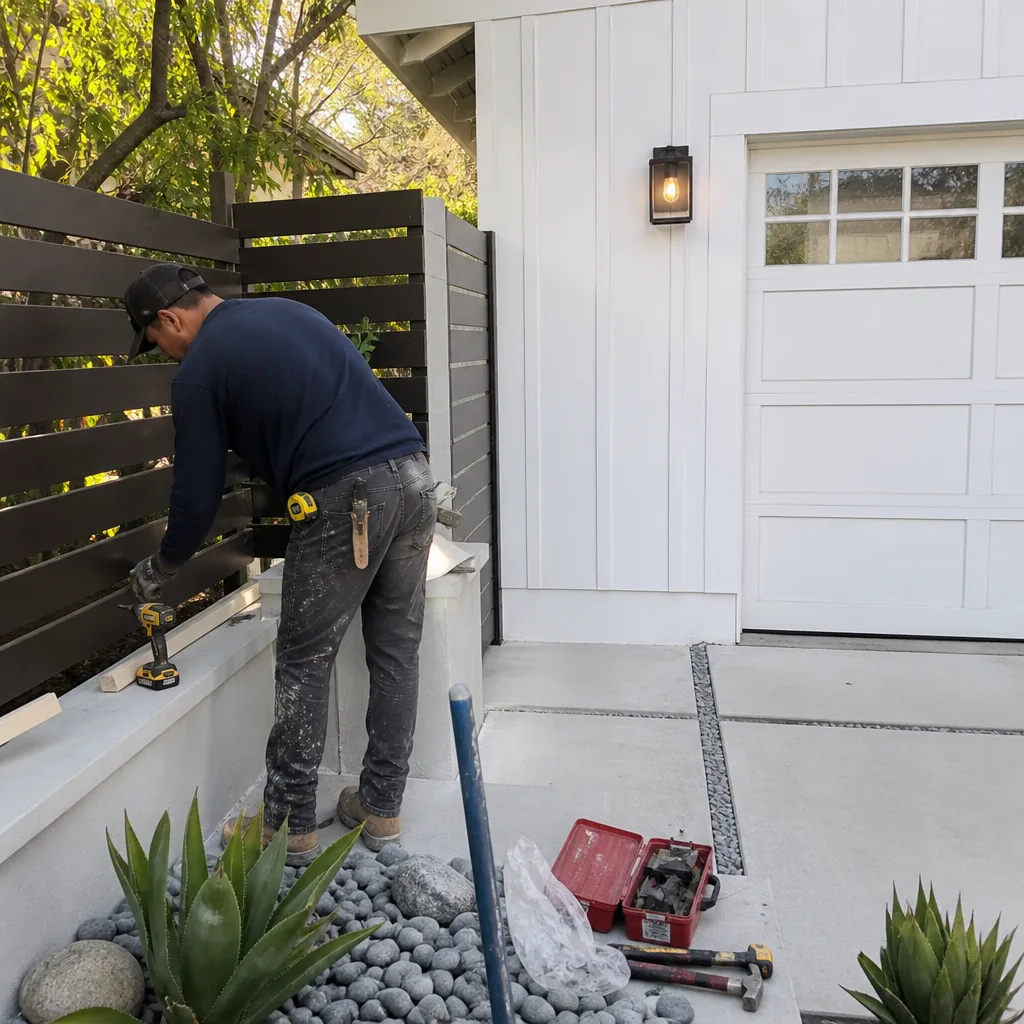 After
After Before
 After
AfterReplacement Cost & What’s Included
For Pasadena, expect installed CGI roofing work to land in these ranges:
- Fastener/washer replacement: $400 – $800. We replace every screw on the affected slope with matched-size fasteners and new neoprene washers. Most jobs take half a day.
- Single-panel replacement: $800 – $1,800. One sheet, matched profile and gauge, lapped correctly, re-flashed at the edges. The range depends on how much tear-off is needed and whether the sheet is still in production.
- Ridge cap and flashing repair: $500 – $1,200. If the ridge cap is lifting or the flashing has pulled away at the eaves, we re-seat, reseal, and replace any rusted cap sections.
- Large-section replacement (multiple sheets): $1,500 – $6,000. When a third of a roof is rusted through, it’s usually smarter to strip and re-panel the whole south slope. This price includes removal of the old sheets, new underlayment where needed, new panels, matched fasteners, and clean-up.
The price we quote is the price you approve. Under the 365-Day Done Right Promise, if the repair isn’t done right, we make it right, backed in writing on every job. And if the fix fails within the year, the second visit is free, no argument.
DIY or Call Us?
Here’s the part where we tell you what we’d tell a neighbor: replacing a single screw is manageable if you’re comfortable on a ladder and the slope is shallow. Matching the fastener size and replacing the washer with the same profile seal is a 10-minute job. Corners get dangerous fast though. Asphalt shingles are one thing; metal roofing is slick, and a steep CGI roof with morning dew on it will slide you right off. A fall from an eave height is life-changing or worse. We don’t recommend DIY on any roof with a pitch steeper than 4:12, and honestly, we don’t recommend going up there at all if you don’t have the right harness and footing.
What we do recommend: call us, describe what you’re seeing, and let us put eyes on it. We’ll tell you if it’s a $600 fastener swap or a $4,000 re-panel, then put both numbers in writing before any work starts. The estimate is free. And unlike a handyman who might patch it with the wrong pitch and call it a day, we’ll spec the sheet so the lap joint actually laps the way it should. Call (626) 657-5396 and we’ll get you on the schedule.
FAQs
Galvanized CGI in Pasadena’s dry, hot climate typically lasts 30 – 50 years depending on gauge, sun exposure, and whether the original installers used quality fasteners. South-facing slopes age faster than north-facing ones, often needing fastener work by year 20. The metal itself usually outlasts the washers by a wide margin. Call (626) 657-5396 for an estimate on fixing whatever’s failed now.
Small rust-through holes can be patched with a sealed metal patch and new fasteners, but the honest answer is that a patch buys 2 – 3 years at most. Once galvanized steel has rusted through in one spot, the surrounding metal is usually thin and the hole will grow. If the panel is on a visible slope, replacement looks better and lasts longer. Call us and we’ll tell you which way to go after we see it.
Fastener replacement and single-panel swaps usually take half a day, including set-up, teardown, and cleanup. A large-section re-panel on a Pasadena home might take one full day, sometimes two if we’re pulling and resetting ridge caps and flashing. We’ll give you a clear time window when you call, and under The Relay Visibility Guarantee, you’ll know our live arrival time before we show up.
We stock the most common CGI sheet profiles in 29-gauge and 26-gauge in our local supplier yard, along with matched screws, neoprene washers, ridge caps, and flashing. When your exact profile or color isn’t on the shelf, we order it with a two-to-three-day lead time and keep you posted. Either way, you’re not waiting weeks. Call (626) 657-5396 for an exact match and a free estimate. We also stock parts and materials for KraftMaid cabinetry, Cambria, and Silestone if your project goes beyond the roof.
Written by Luca Romano, Owner & Lead Contractor, Sawyer Remodel Pasadena at Sawyer Remodel Pasadena, serving Pasadena and nearby areas.