Free written scope consultation - allowances, timeline, and change-order rules on paper before a single trade is scheduled
Atlas Home Additions & ADU: The Pasadena Owner’s Guide
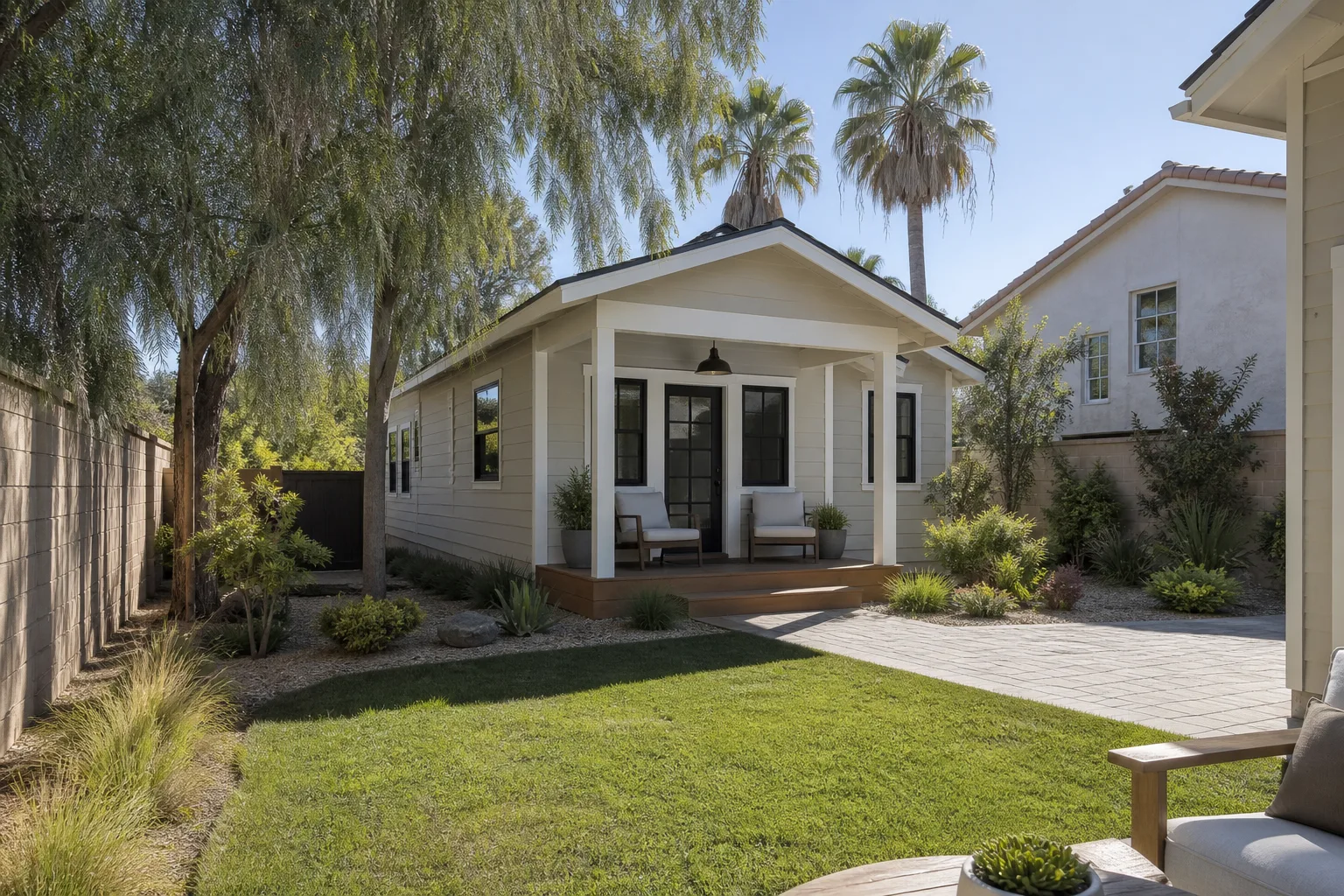
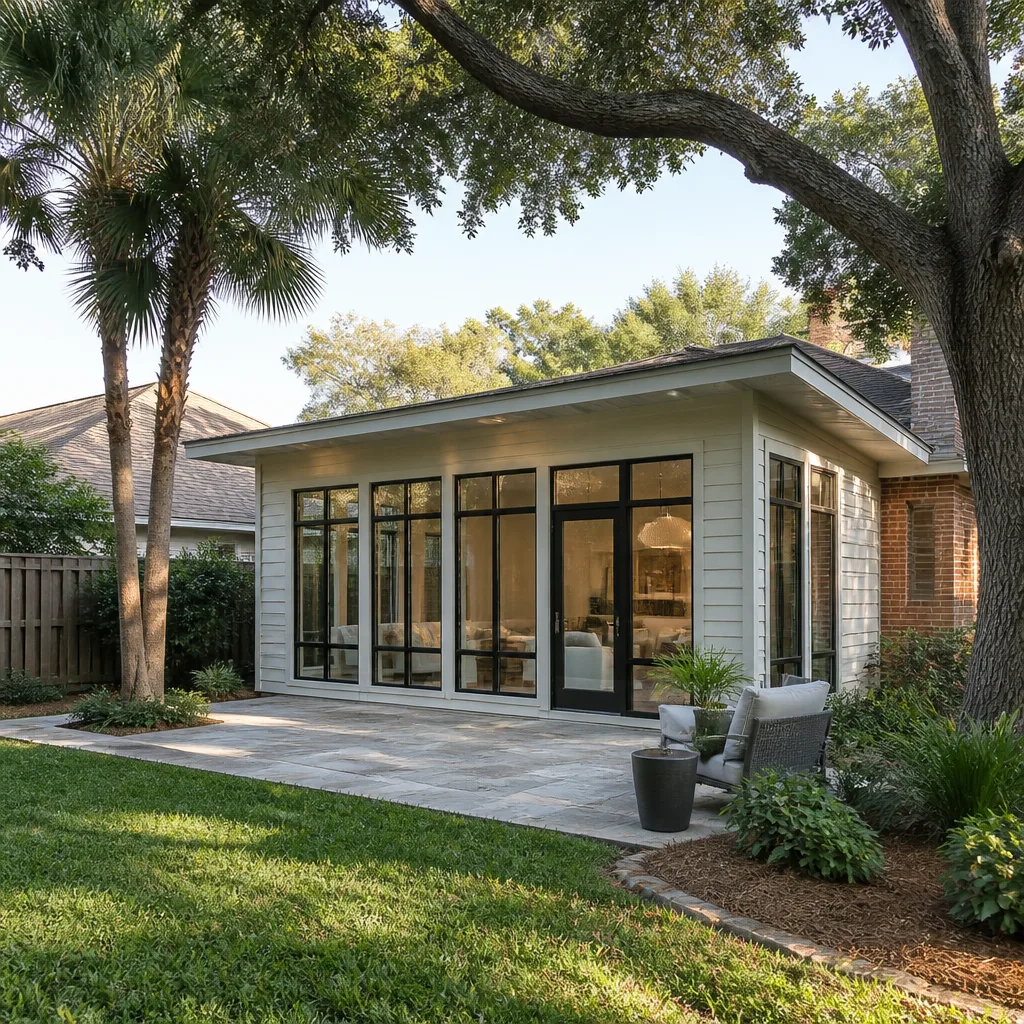
We install Atlas-brand home additions and ADU components throughout Pasadena, with full project scopes typically running $45,000 to $130,000 depending on square footage, foundation work, and finish level. Most Atlas owners we hear from are dealing with failing weather barriers, settling framing, or door and window systems that no longer seal properly after years of Southern California heat and seismic movement. If you’re researching replacement parts or wondering whether your existing Atlas structure can be extended, you’re in the right place.
Which Atlas Models This Applies To
Atlas manufactures a range of prefabricated addition and ADU shell systems, and the compatibility question comes down to which generation you have. Older Atlas units (pre-2018) use dimensional lumber framing with a specific 16-inch on-center stud layout, while newer models switched to 24-inch on-center spacing with engineered headers. That spacing matters when you’re matching drywall, insulation batts, or exterior siding panels. Look for the metal identification plate on the interior of the main entry door frame: it lists the model designation, serial number, and the build spec in a small stamped tag. If the tag is missing, measure the distance between two adjacent studs from inside an unfinished wall cavity. On the OEM-vs-aftermarket question for Atlas: the brand uses proprietary corner post assemblies with integrated flashing channels. We’ve installed both original and equivalent aftermarket options, and the aftermarket versions perform well when they’re milled to the same profile. For visible finishes like window trim or fascia, we recommend matching whatever’s on the rest of the structure so the addition doesn’t look patched together.
Styles & brands we work with
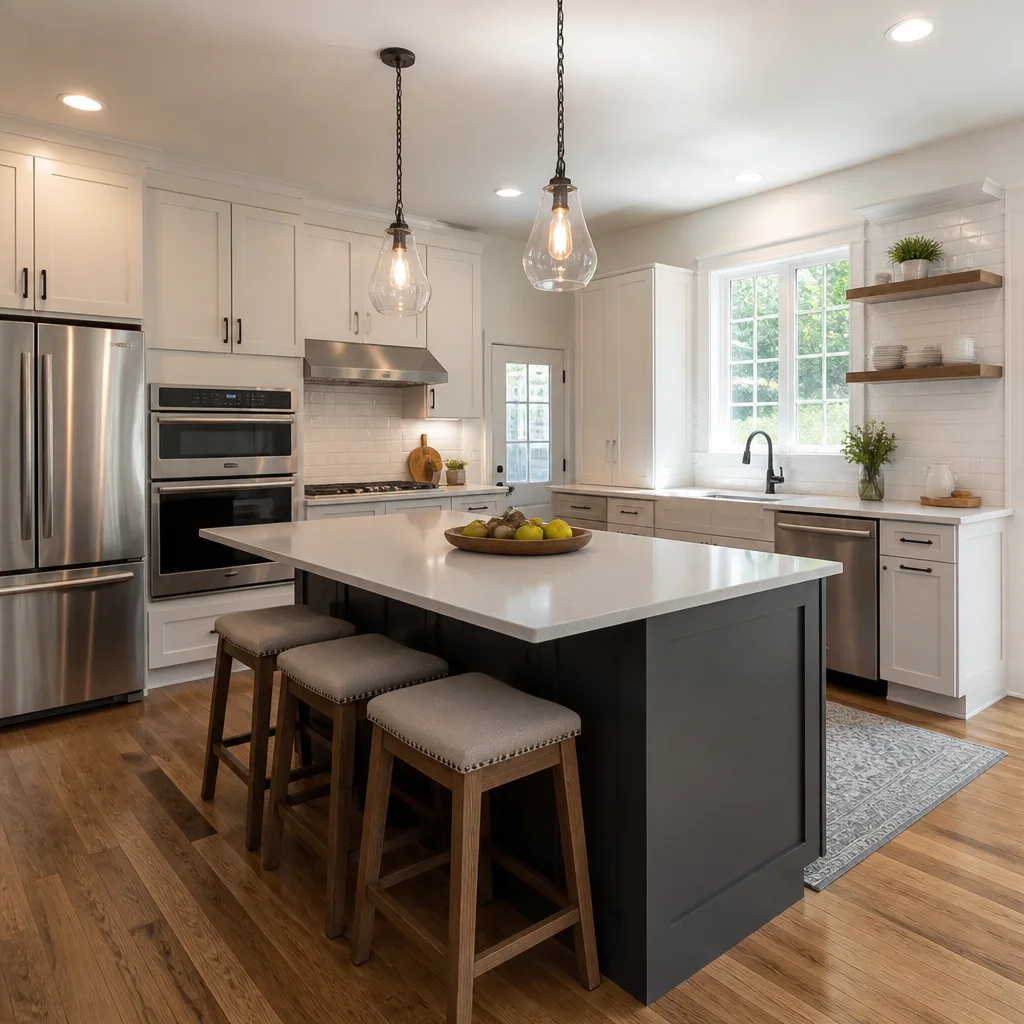
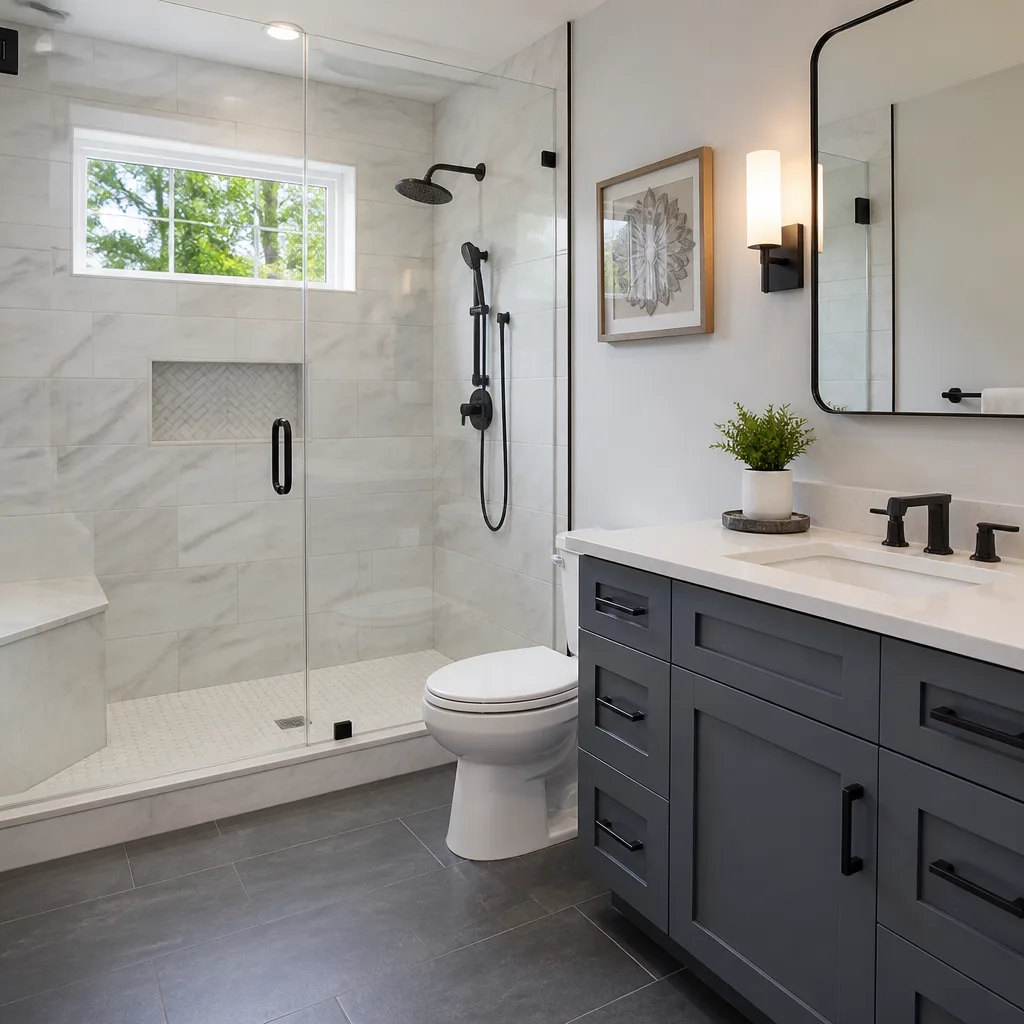
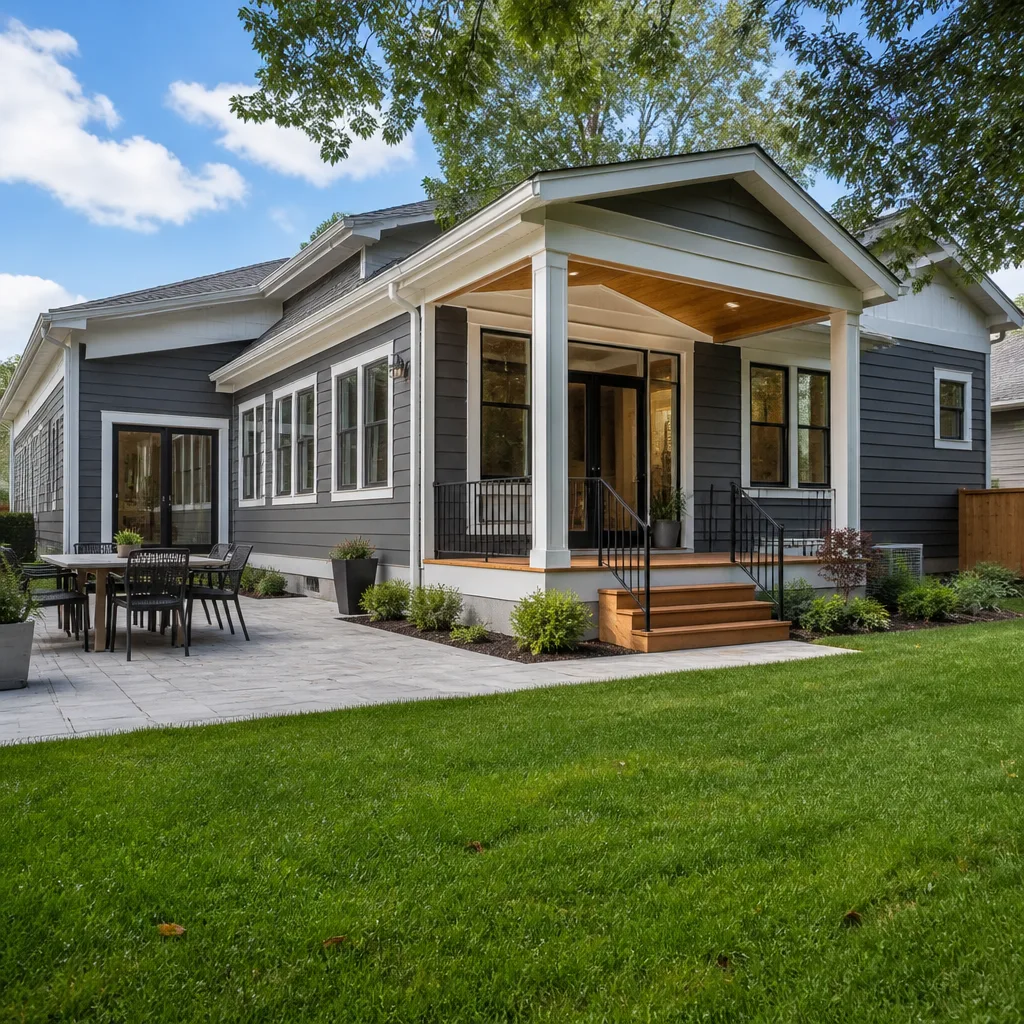
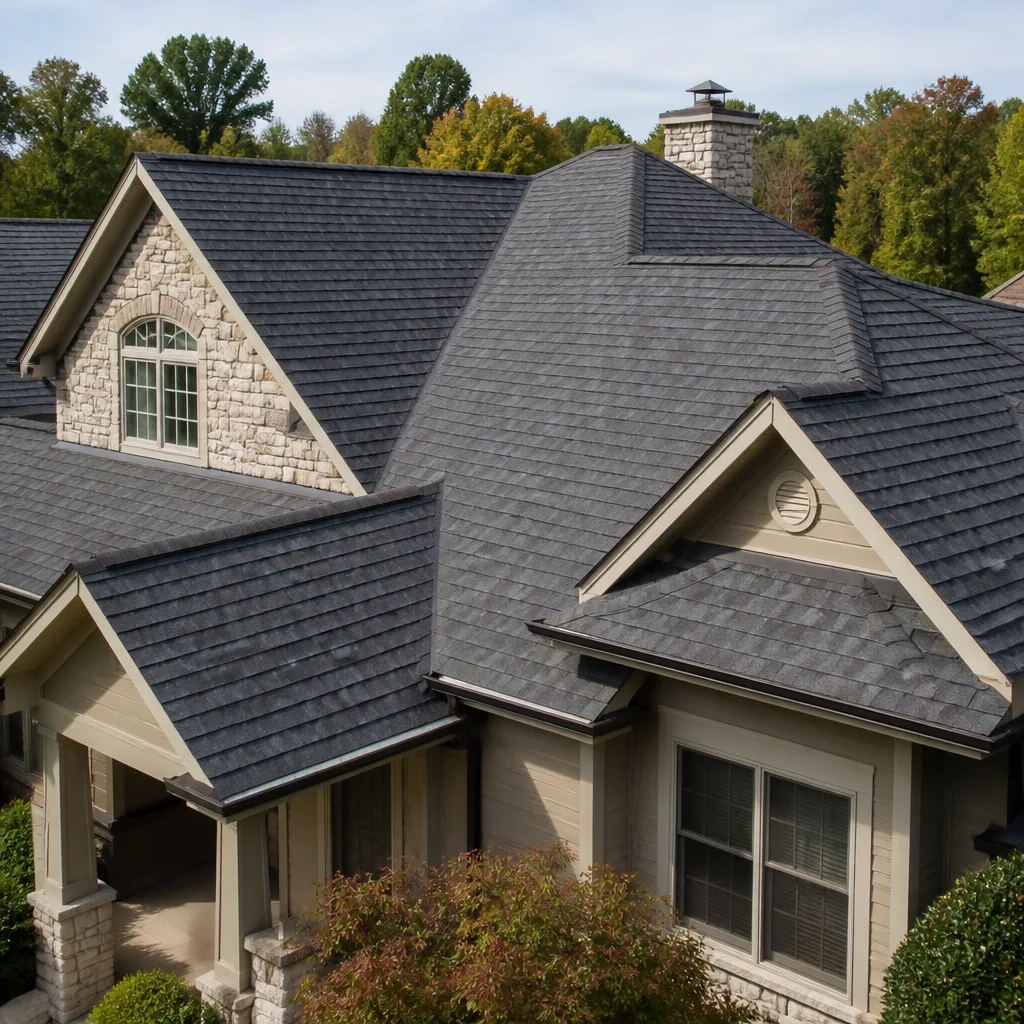
Signs Your Atlas Home Additions & ADU Is Failing
- Gaps opening at ceiling-to-wall joints in summer. Pasadena’s dry heat cycles cause the framing to expand and contract, and older Atlas fasteners can work loose over time. You’ll see hairline cracks first, then wider separation at crown molding and drywall seams.
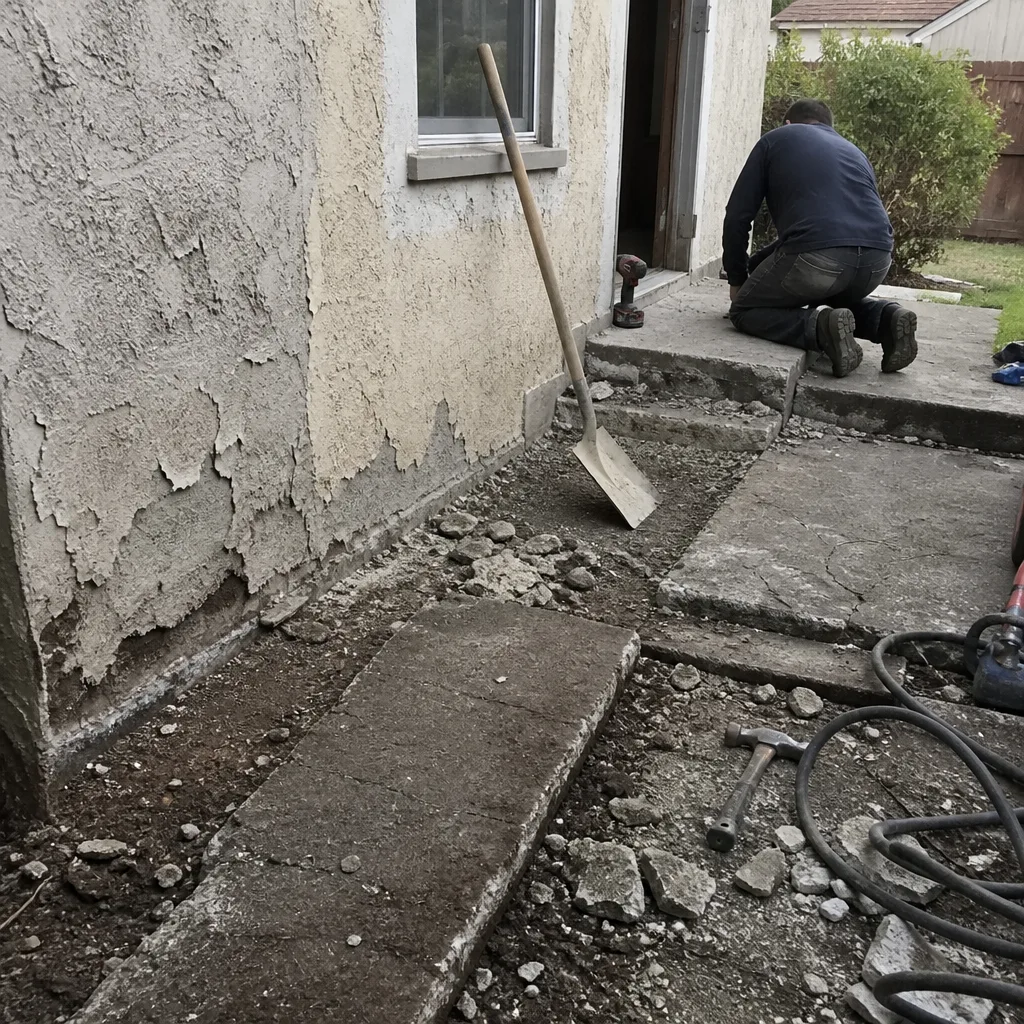
- Door or window frames pulling away from the exterior siding. This usually means the weather-resistant barrier behind the siding has degraded and moisture is getting into the rough opening. Left alone, the framing around those openings starts to rot.
- Soft spots on the floor near the exterior walls. Water intrusion through failed Atlas flashing or deteriorated sill plates shows up as springy or soft flooring at the perimeter of the room. That’s not a flooring issue so much as a subfloor and joist issue underneath.
- A musty or stale smell that comes and goes with rain. By the time an ADU smells damp after a storm, water has already found a path past the building envelope. In older Pasadena homes with Atlas additions, we typically trace this to failed roof-to-wall transitions or improperly lapped house wrap.
- Baseboard nails popping out along one wall only. When nails push out in a concentrated area, that section of wall is moving more than the rest. It’s often an early sign that a footing or pier has settled, particularly common in the foothill soil zones around Pasadena where expansive clay shifts with moisture levels.
See the difference
 Before
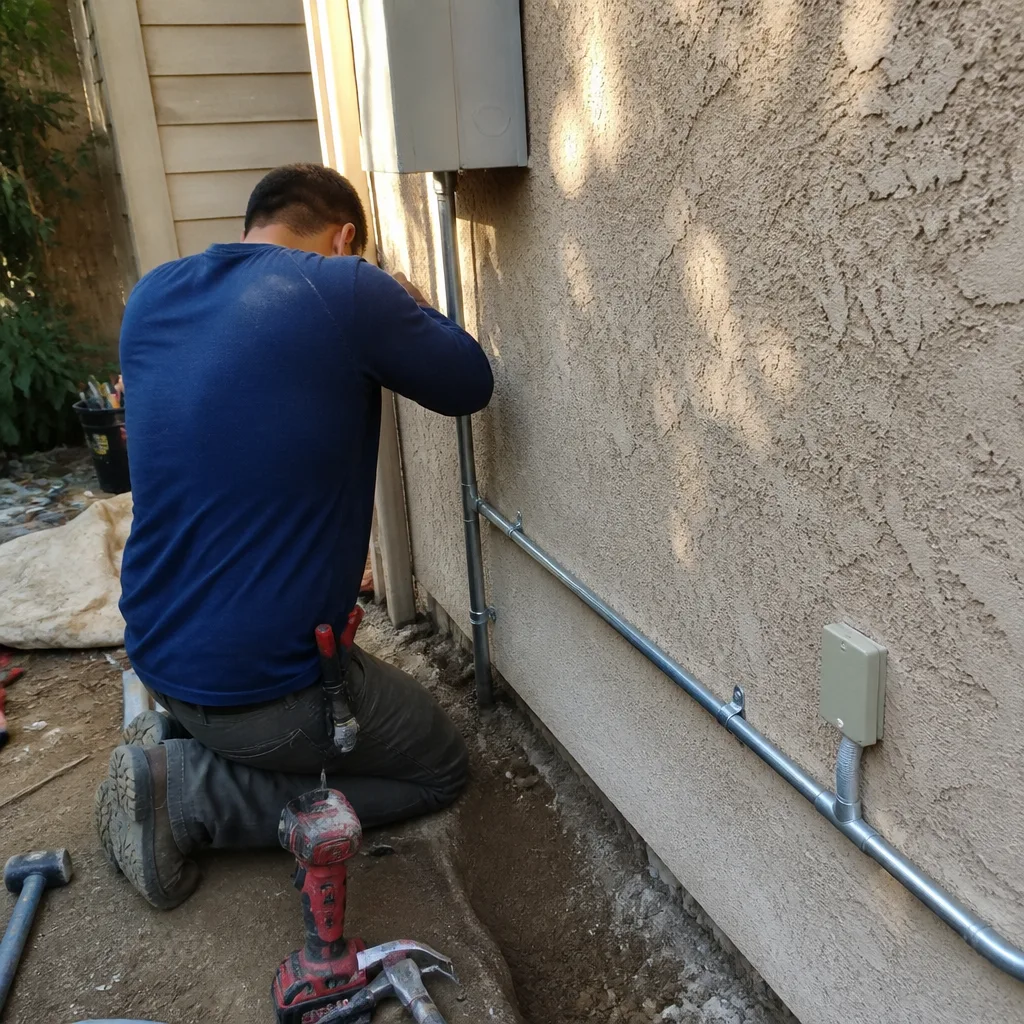 After
After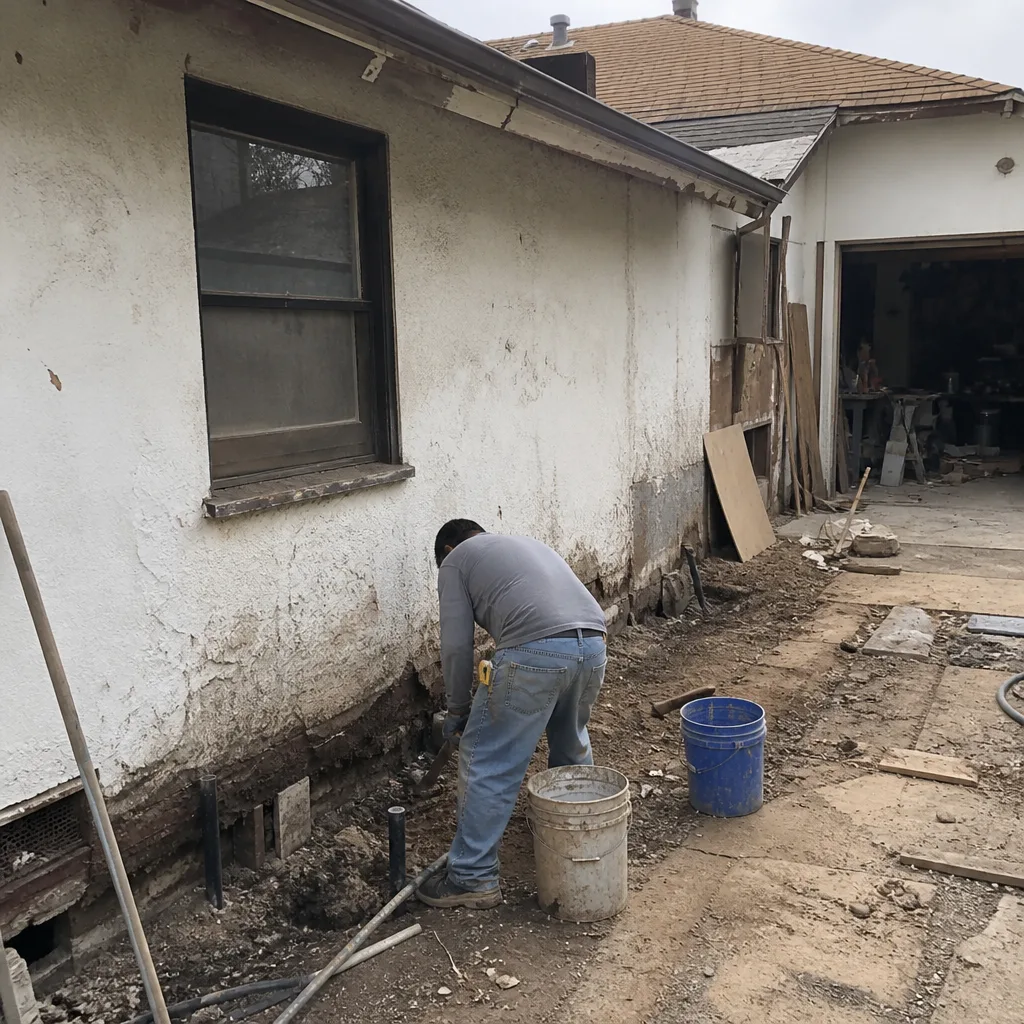 Before
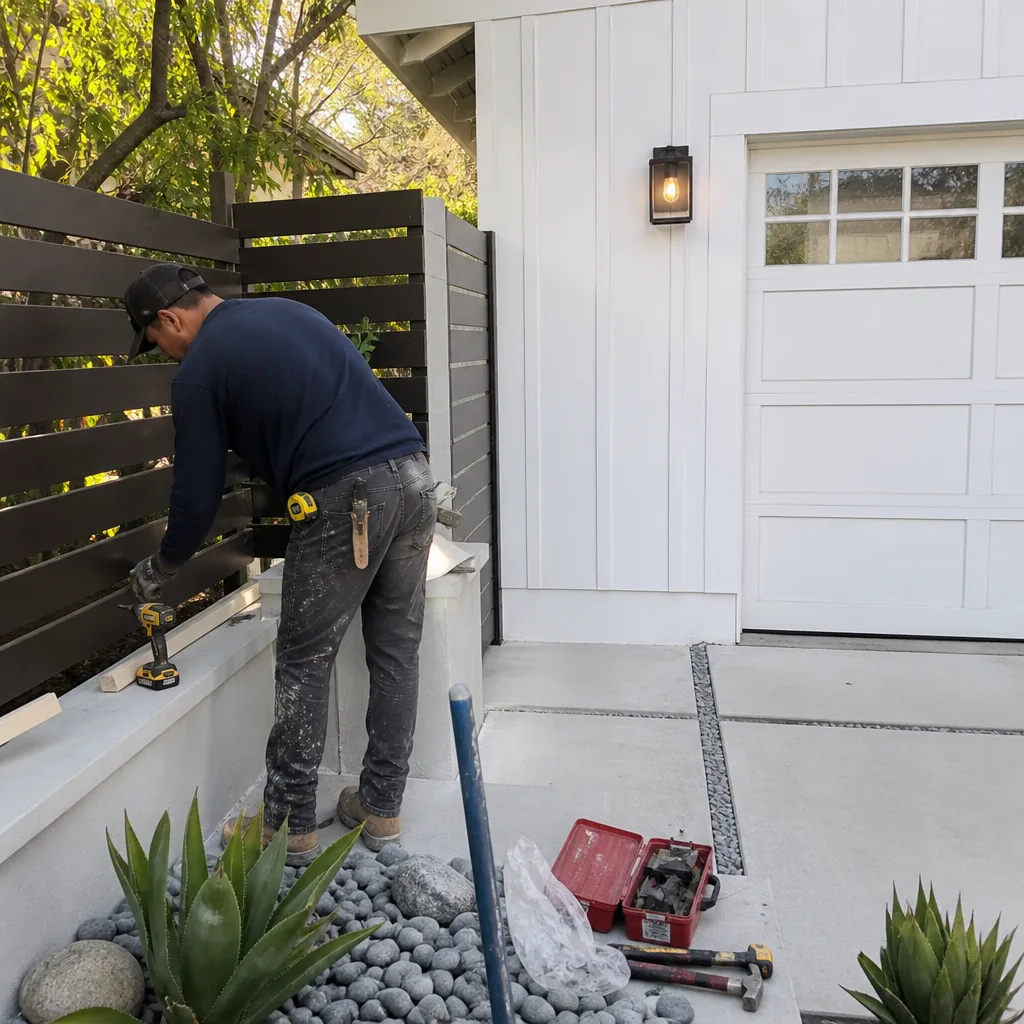 After
After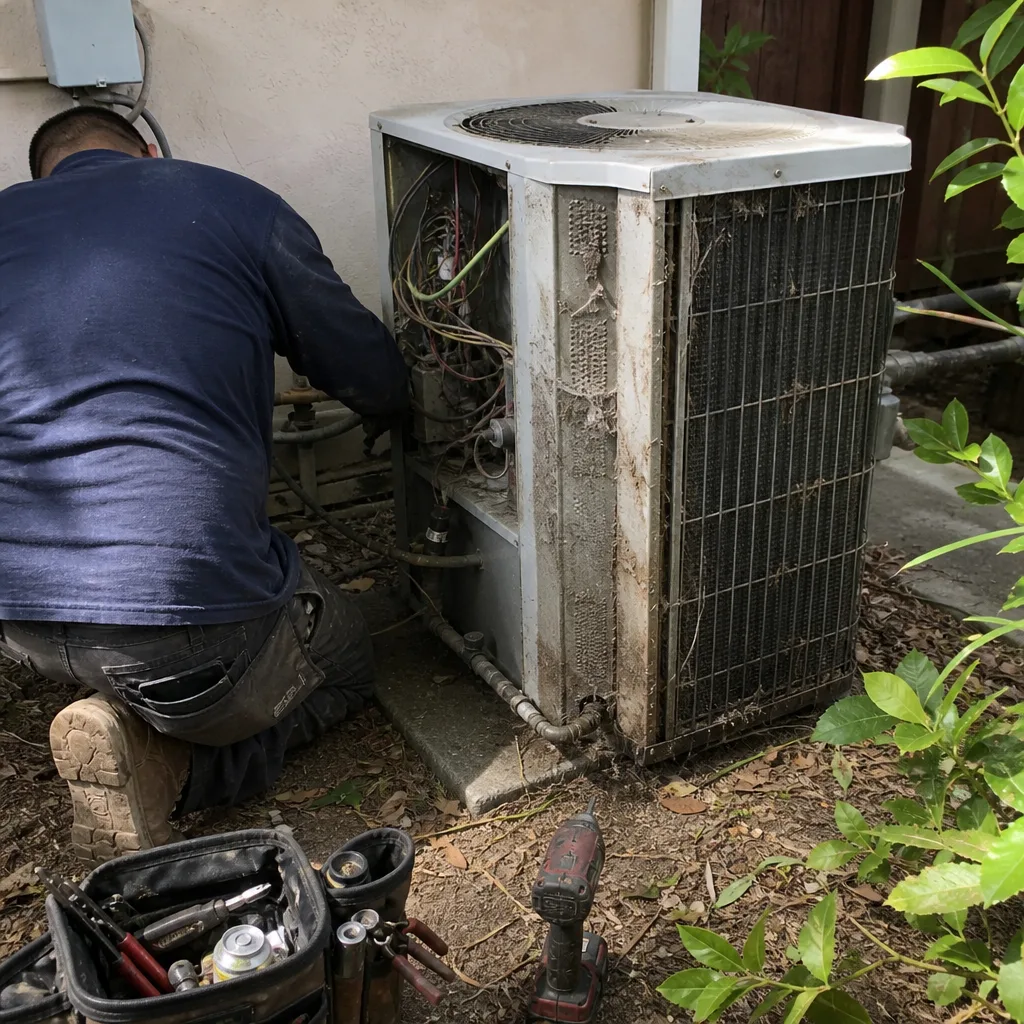 Before
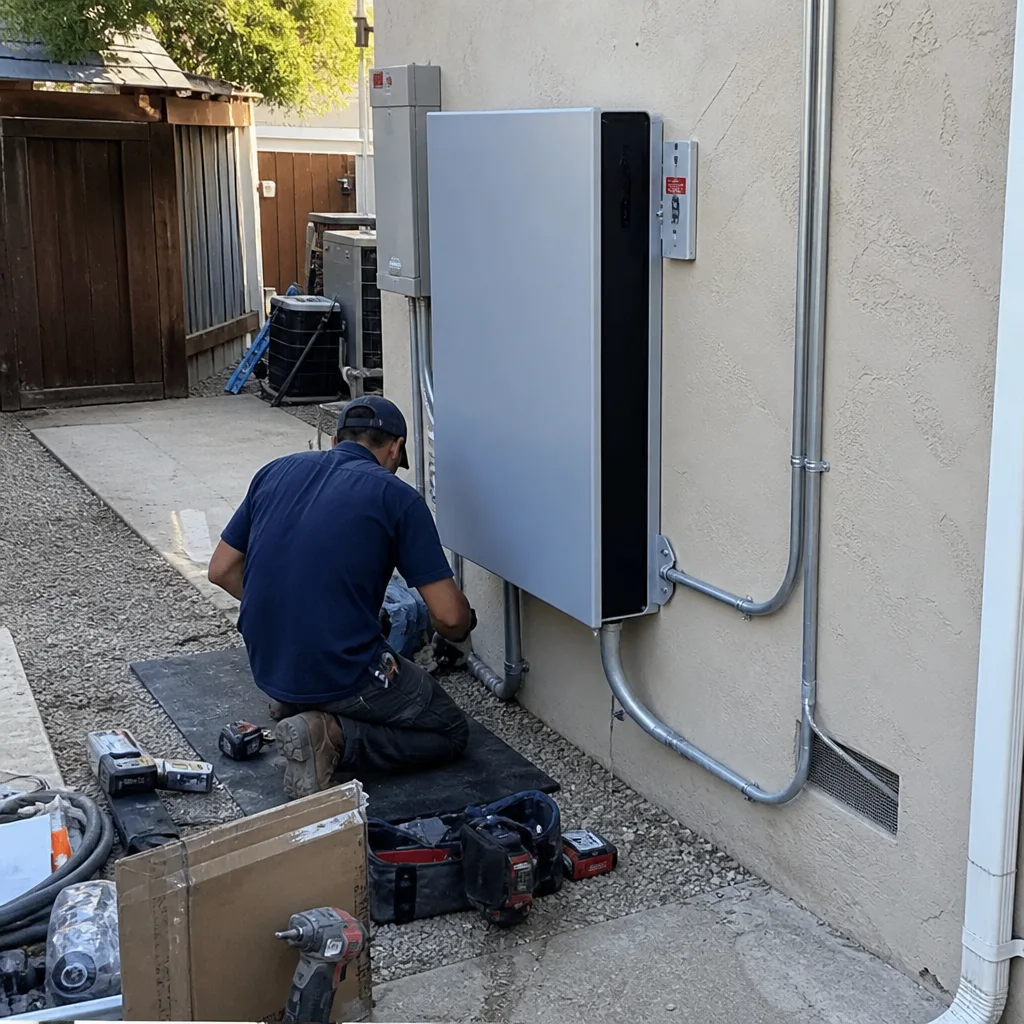 After
AfterReplacement Cost & What’s Included
For a full Atlas addition or ADU scope in Pasadena, plan on $45,000 to $130,000 complete. Smaller scopes like structural repair of one wall section or reflashing and re-siding a single elevation fall lower, but a ground-up ADU with kitchenette and bath lands at the top end. What drives the range most is foundation condition: homes in older Pasadena neighborhoods with post-and-pier foundations often need seismic retrofit work before an addition can tie in properly. Our written price includes all framing, sheathing, weather barriers, tie-in work, finish carpentry, and the final inspection walkthrough. We also include the 365-Day Done Right Promise on every project, along with the material supplier warranties from brands like James Hardie, GAF, and KraftMaid. The number we write is the number you approve, before a single tool is picked up.
DIY or Call Us?
If you’re dealing with a failed Atlas component, the honest split is this: you can absolutely inspect the situation and gather information. Check for visible gaps, probe soft drywall with a screwdriver, and photograph everything. What you shouldn’t do is cut into a load-bearing wall, remove any structural fasteners, or tear off exterior siding without understanding what’s behind it. An Atlas addition’s framing carries roof and second-floor loads through specific paths, and if you remove the wrong stud or header, you compromise the structure’s ability to handle a seismic event, which is a real concern in Pasadena. Luca Romano has spent two decades doing this work the slow, correct way on homes throughout the area, including older craftsman homes where original woodwork intersects modern additions. If you’re not sure what you’re looking at, that’s exactly what the free estimate is for. Call (626) 657-5396 and we’ll assess the full picture before you buy parts you may not need.
FAQs
A properly installed Atlas addition should last 50 years or more structurally, but the weather barrier, flashing, and exterior finishes need attention every 15 to 20 years in Southern California’s UV-heavy climate. The dry heat and long sun exposure degrade caulking, paint, and sealants faster than the framing itself. If your Atlas structure is over 20 years old and hasn’t been re-sealed, the envelope is likely overdue for maintenance regardless of how the framing looks. Call (626) 657-5396 for a free assessment of your existing structure.
It depends on what’s failing. Failed flashing, degraded weather barriers, settling in a single pier, and localized drywall cracking are all repairable without tearing down the structure. Rotted framing that extends into load-bearing walls or foundation movement that has shifted the entire footprint may require partial rebuild. We’ll tell you which one you’re dealing with at the estimate, in plain terms, with a written line-item price either way.
A single-wall structural repair or reflash takes 3 to 7 working days. A full envelope replacement with new siding, windows, and weather barrier runs 2 to 4 weeks depending on scope. A complete ADU build from footing to finish typically runs 10 to 16 weeks in Pasadena, including permitting and inspections. We’ll give you a written schedule with your quote, and the Relay Visibility Guarantee means photo updates before and after each phase.
We stock common structural fasteners, flashing profiles, and weather barrier materials that work with Atlas systems, so most repairs can start immediately. Specialty items like the proprietary corner post assemblies are ordered to match your model’s build spec, which typically adds a few days. We also work with KraftMaid, Cambria, and Silestone for interior finish replacements if your project extends into cabinetry or countertop work. Call (626) 657-5396 and we’ll confirm what’s on the truck before we schedule the visit.
Written by Luca Romano, Owner & Lead Contractor, Sawyer Remodel Pasadena at Sawyer Remodel Pasadena, serving Pasadena and nearby areas.