Free written scope consultation - allowances, timeline, and change-order rules on paper before a single trade is scheduled
James Hardie Roofing: The Pasadena Owner’s Guide
James Hardie fiber cement roofing in Pasadena typically costs $8,000 to $20,000 for a full replacement, with individual panel repair work landing between $400 and $1,800 depending on damage scope. We stock common James Hardie-compatible roofing components on our trucks and can usually match existing panels the same week we inspect. Most Pasadena homeowners discover a problem after a heavy Santa Ana wind event or a winter rain: they’ll spot a hairline crack near a roof penetration, notice staining on the ceiling in one room, or find fiber cement debris in the gutter after a storm.
Here’s the honest reality about James Hardie roofing in Southern California: the material itself holds up beautifully against sun and termites, but the installation details around flashings, fasteners, and panel-to-panel seams are where failures start. Pasadena’s freeze-thaw cycles are minimal, so you’re not fighting ice expansion. What you are fighting is UV exposure, dry heat, and the occasional wind gust that gets under a loose panel edge and starts peeling things back.
Which James Hardie Models This Applies To
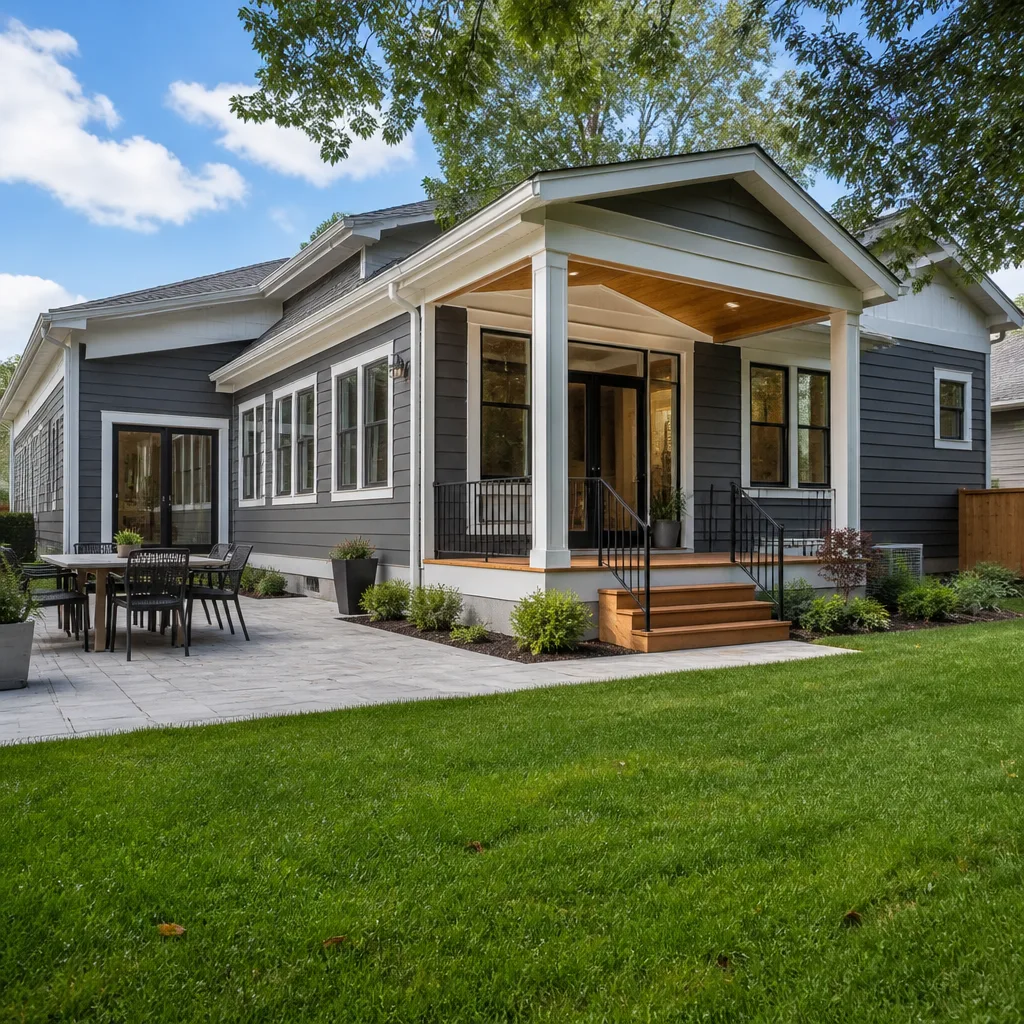
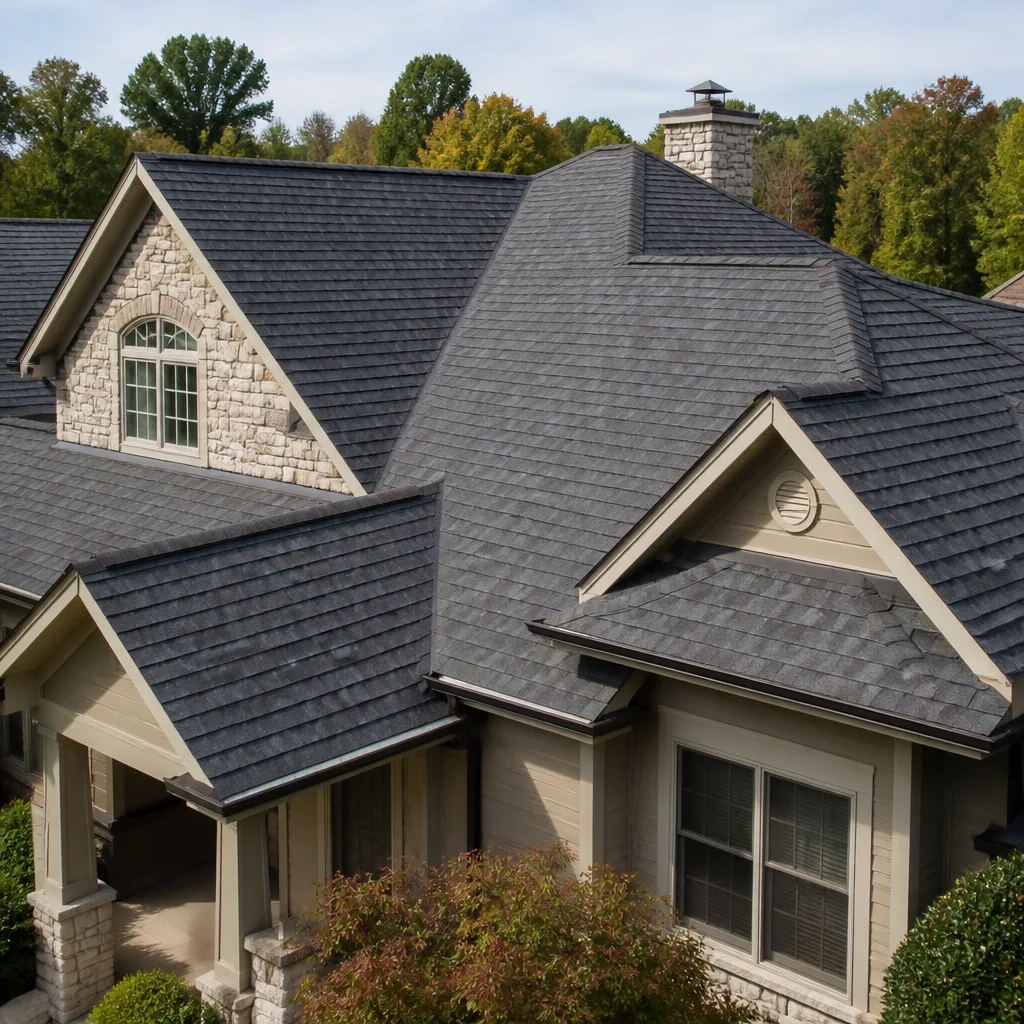
James Hardie manufactures fiber cement siding and trim products, not traditional asphalt shingle roofing. In the roofing context, their products typically appear as fascia boards, soffits, eave trim, or gable panels paired with a primary roofing system from GAF, CertainTeed, or Owens Corning. If someone told you the roof itself is James Hardie, what they likely mean is the fiber cement exterior components around the roofline. So the first compatibility question is always: which James Hardie product line is on your home?
HardiePlank lap siding is the most common product around Pasadena rooflines, sizing in at 5/16 inch thickness with widths of 5.25, 6.25, 7.25, and 8.25 inches. HardiePanel vertical siding comes in 4×8, 4×9, and 4×10 sheets at 5/16 inch thickness for gable ends and soffit areas. HardieSoffit panels are vented or non-vented, typically 12 or 16 inches wide, and sized to slip into standard eave dimensions. If you’re matching a fascia board, you’ll want HardieTrim boards, which run 3/4 inch thick in widths from 3.5 to 11.25 inches.
The OEM vs aftermarket decision for James Hardie is straightforward: we buy direct from James Hardie or their authorized distributors, because the color matching (especially the baked-on ColorPlus finishes) is too precise to gamble on generic fiber cement. An off-brand panel will fade differently in Pasadena sun and stick out within two years. If we’re replacing a primed, painted panel, a quality primed equivalent works fine, because the paint gets matched on site. If it’s a ColorPlus pre-finished product, we stay OEM every time.
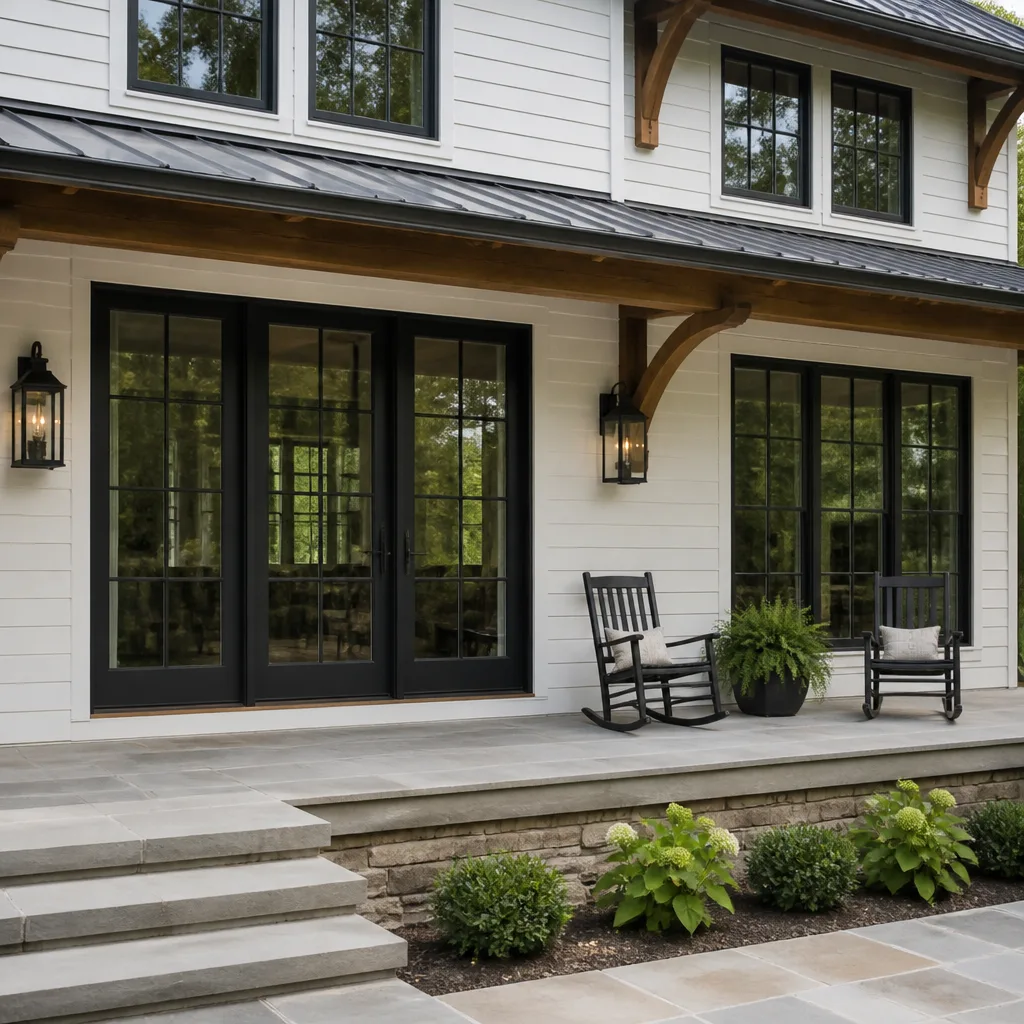
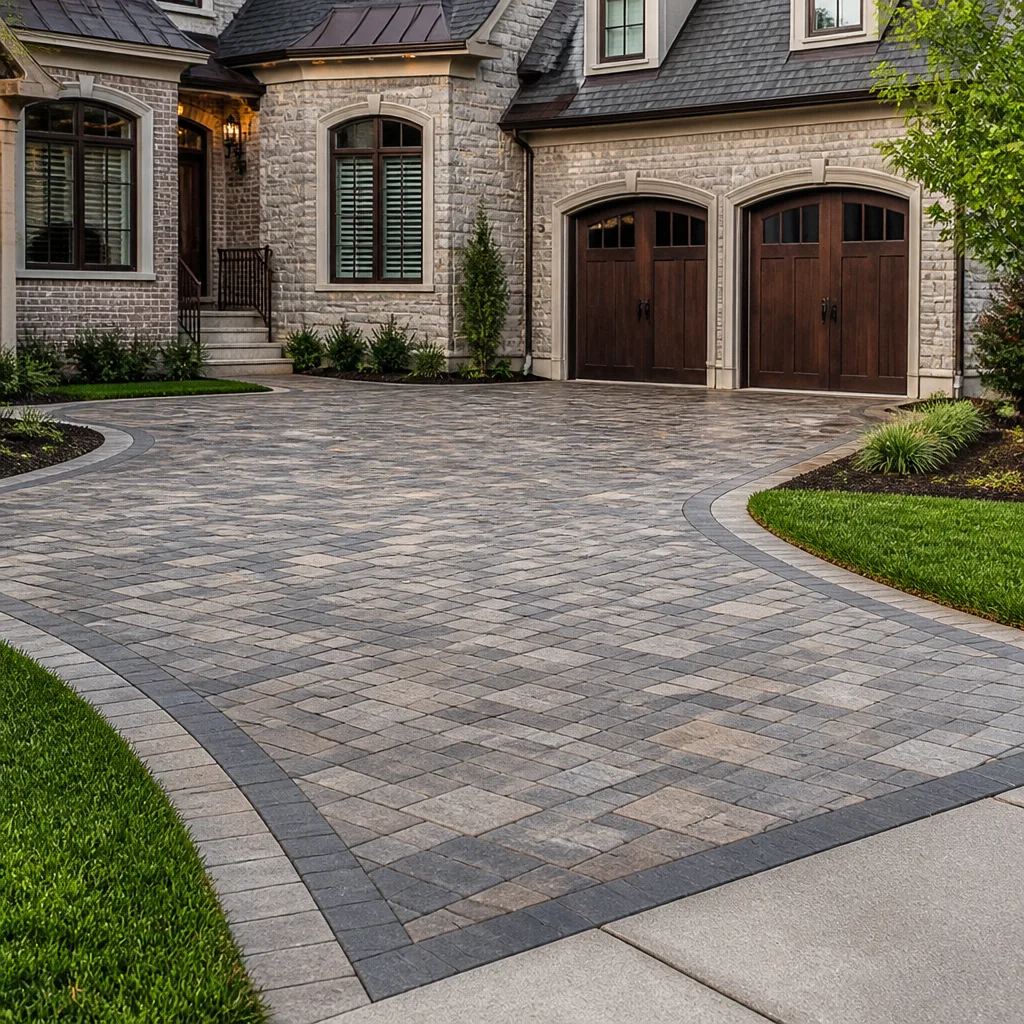
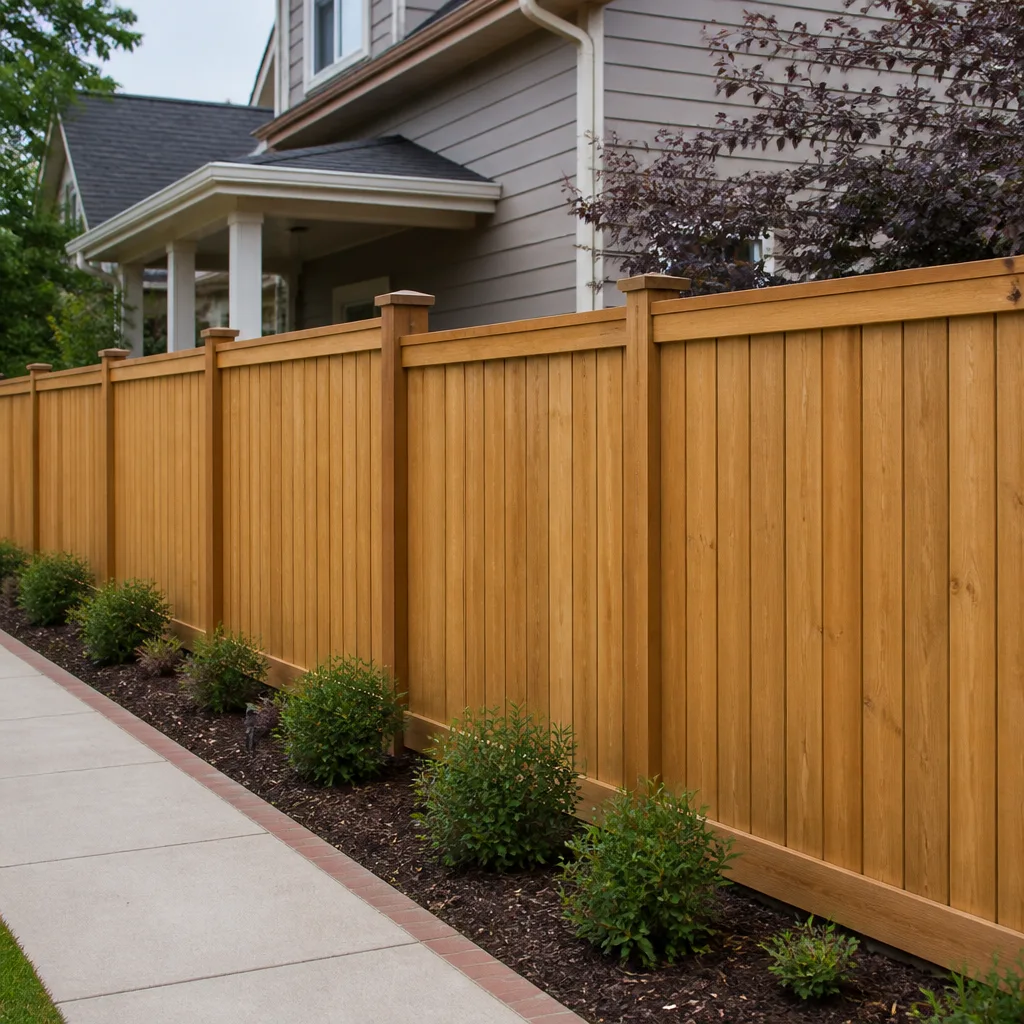
Styles & brands we work with
Signs Your James Hardie Roofing Is Failing
- Hairline cracks radiating from fastener points. This is the number one failure we see on Pasadena homes built before 2015. Installers over-drove nails or used the wrong fastener, and the fiber cement cracked behind the paint. Water gets in, the substrate behind the panel starts to soften, and the crack widens over time.
- Water staining on ceilings or walls near the roofline. By the time you see interior staining, the exterior failure has been underway for months. The culprit is usually failed flashing where the HardieTrim fascia meets the roofline, not the fiber cement itself. Pasadena’s winter rain season exposes these leaks once the ground around the foundation starts absorbing water.
- Panel edges lifting or warping at gable ends. High heat and direct sun on south-facing gables causes expansion and contraction. If the original installer didn’t leave proper gaps (James Hardie specifies a minimum 1/8 inch gap at panel joints), the boards start pressing against each other and buckling outward.
- Rust streaks below panel seams. That orange staining on the siding or roofline tells you the fasteners are corroding. James Hardie requires hot-dip galvanized or stainless steel nails in coastal and high-moisture environments. Pasadena’s morning marine layer effect, especially in the Arroyo Seco corridor, accelerates rust on cheap fasteners.
- Soft or crumbling soffit panels. If you can press a screwdriver into the soffit and it crumbles away, the panel has been absorbing moisture for a long time. This is common on older Pasadena homes where gutter overflow went unaddressed and water continuously splashed back onto the fiber cement.
See the difference
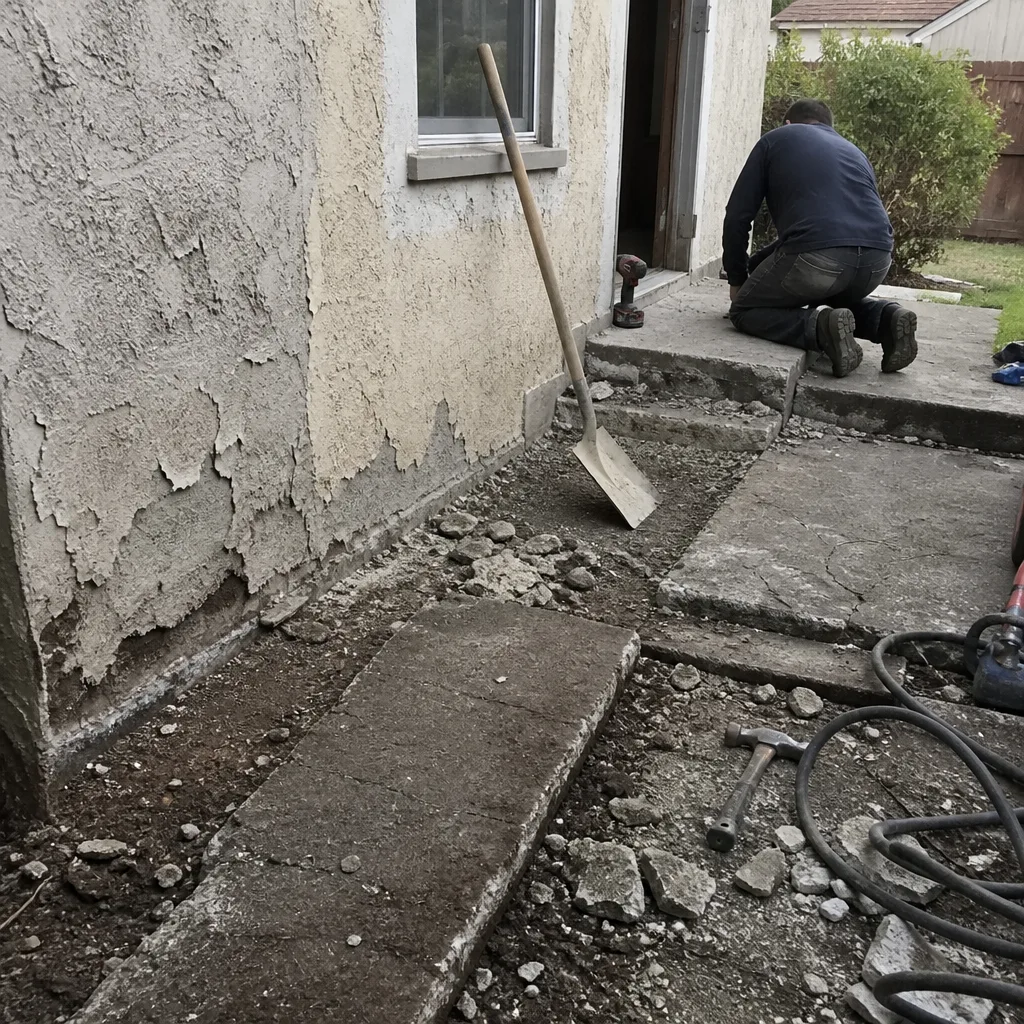 Before
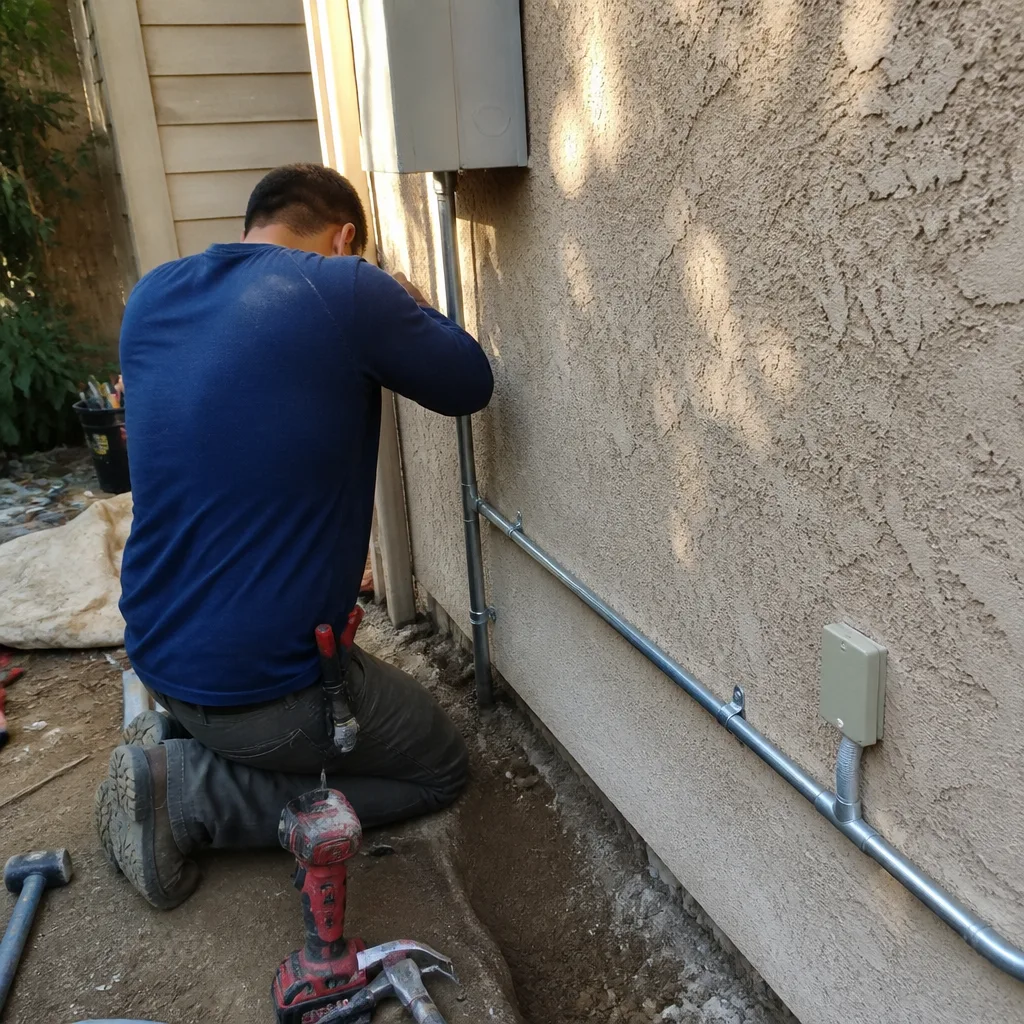 After
After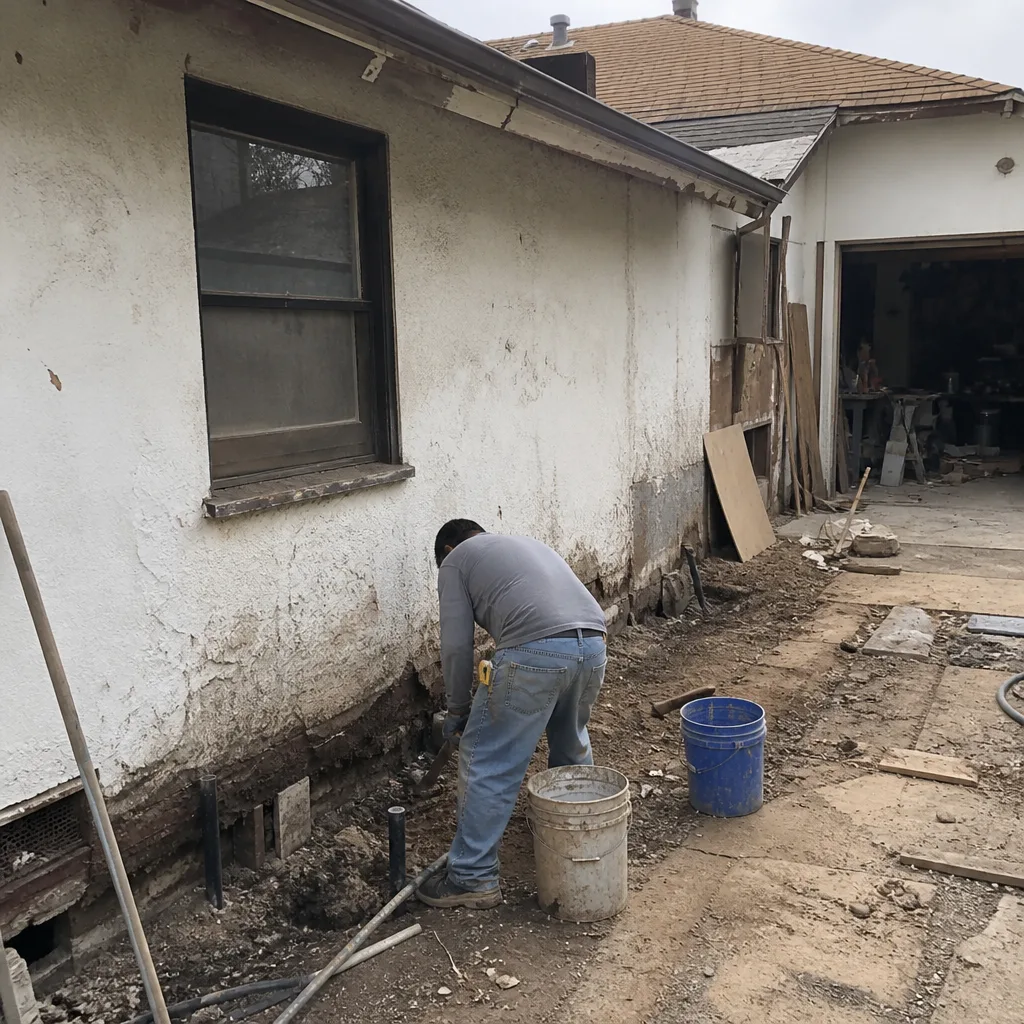 Before
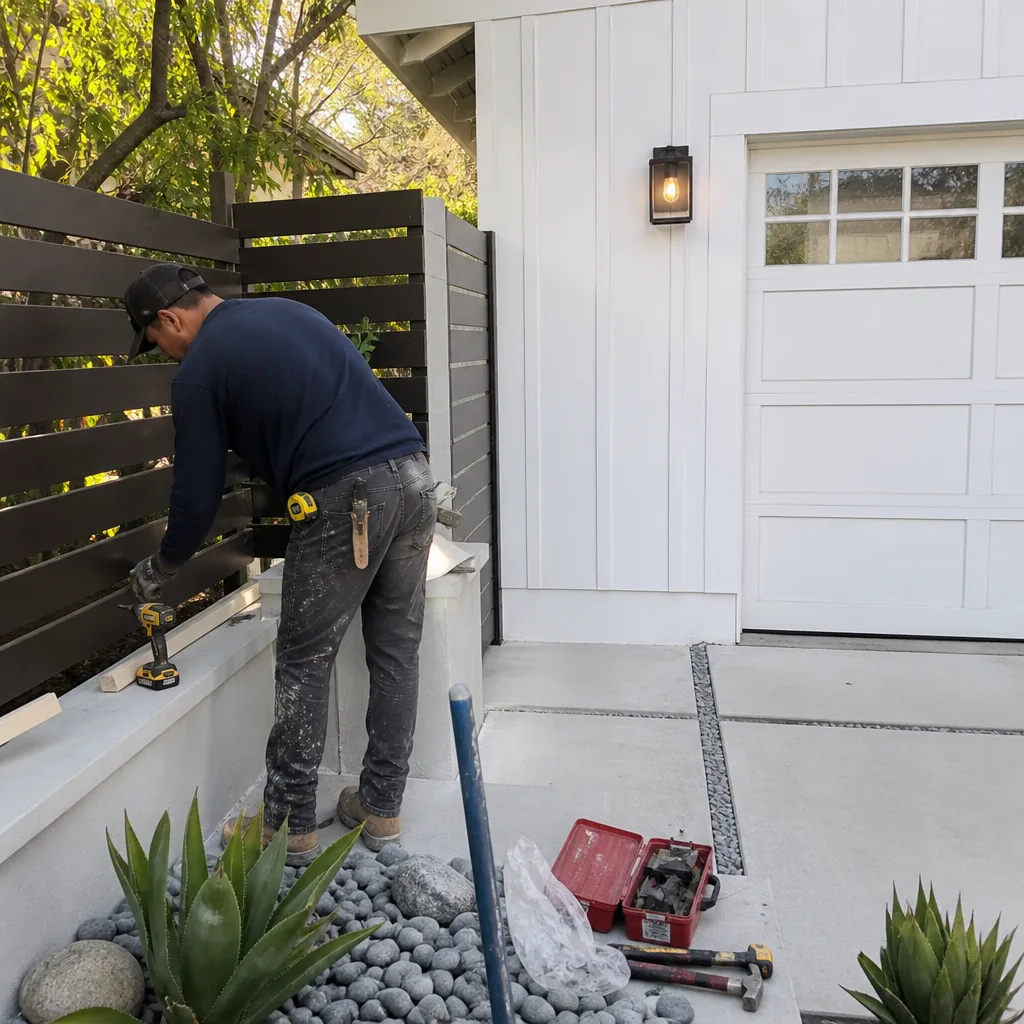 After
After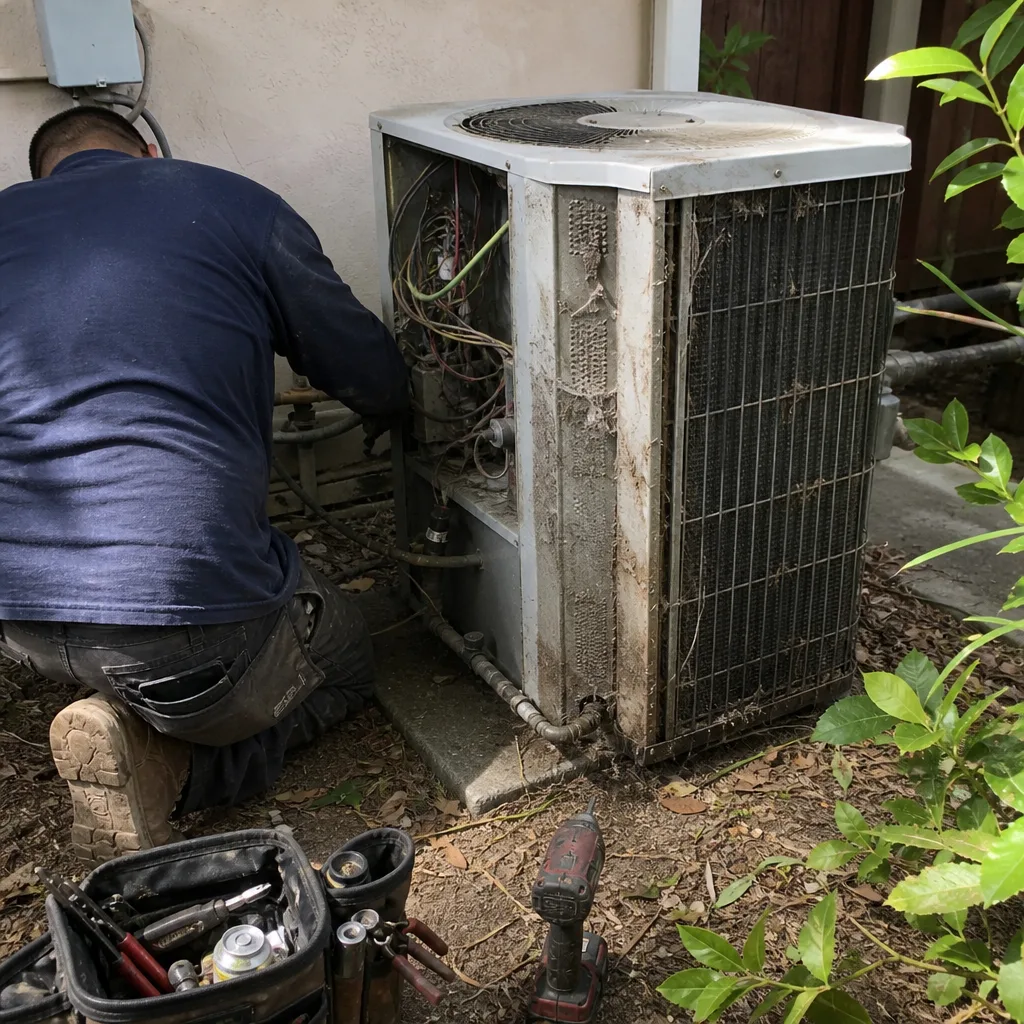 Before
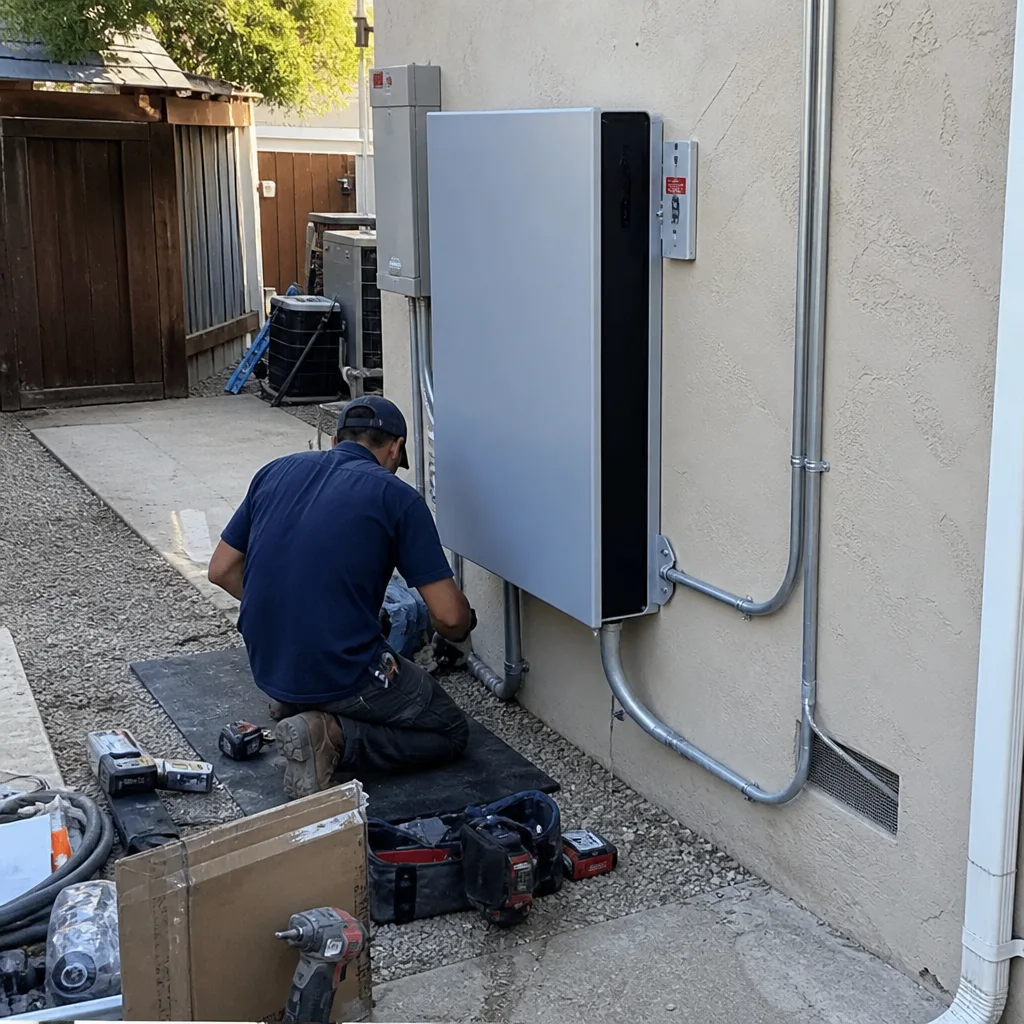 After
AfterReplacement Cost & What’s Included
For Pasadena homeowners, here’s what the numbers actually look like. Replacing a run of HardieTrim fascia boards around a roofline runs $600 to $2,500 installed, depending on linear footage, height, and whether we need scaffolding or can work from ladders. Individual HardieSoffit panel replacement runs $400 to $1,800 when damage is localized. If the failing fiber cement is tied to a roof leak and the underlying roof deck or shingles need replacement too, you’re looking at a roof replacement range of $8,000 to $20,000 for a typical Pasadena home.
Why the wide range on roof replacement? Tear-off depth (one layer vs two or three), roof pitch, accessibility, and whether we’re working around original craftsman details near Bungalow Heaven all change the labor math. What doesn’t change: you get a written price before we start, and that number doesn’t move unless you change the scope. The 365-Day Done Right Promise covers every James Hardie repair we install. If it fails within the year, we’re back on our dime, no argument. Parts and labor are always separated on the quote, so you can see exactly what each line item costs.
DIY or Call Us?
The honest split for fiber cement roofline repairs: you can absolutely do a visual inspection of your own roofline. Look for visible cracks, paint bubbling, rust marks, and panel shifting. Write down what you see, take photos, and note whether damage is on the north or south face. That information saves us time on the estimate and helps you understand what you’re looking at before anyone climbs a ladder.
Where DIY goes wrong: fiber cement is heavy, brittle at the edges, and unforgiving when cut improperly. James Hardie installation requires specific blade depths, proper edge clearance, and flashing details that aren’t visible until the old panel comes off. Cutting fiber cement generates silica dust, which requires proper respiratory protection, not a standard dust mask. One wrong cut and you’ve ruined a $60 panel and exposed the wall sheathing to water. If the work requires standing on a roof, on scaffolding, or working at heights above a single story, that’s a hard stop. Call us at (626) 657-5396 and let us take a look.
FAQs
James Hardie fiber cement products carry a 30-year limited warranty, and in Pasadena’s dry climate, properly installed panels routinely last 30 to 50 years on rooflines. The limiting factor is always installation quality, particularly fastener choice and flashing details. We’ve pulled apart HardieTrim fascia on Pasadena homes from the 1990s that was still in excellent structural shape, while the original fasteners had rusted away beneath it.
Small cracks (under 1/8 inch) in primed, painted fiber cement can often be sealed, patched, and repainted to buy a few more years of life. Cracks near fasteners, any panel that moves when pressed, or any ColorPlus finished panel with surface damage should be replaced, because the finish can’t be spot-matched reliably. Call (626) 657-5396 and we’ll tell you honestly which category your damage falls into before quoting anything.
Most fascia, soffit, or trim repairs take 4 to 8 hours once materials are on site. If the underlying structure needs repair, or if we’re coordinating with a roof replacement, the job extends accordingly. We always confirm a live arrival time and send you before-and-after photos, so you know exactly when we showed up and exactly what changed.
We stock common HardieSoffit vented and non-vented panels, standard HardieTrim boards, and matching fasteners on our trucks. Custom widths, most ColorPlus colors, and anything outside the common 5.25, 6.25, and 7.25 inch lap sizes we order from our James Hardie distributor for next-business-day pickup in most cases. Sawyer Remodel Pasadena is an independent service provider, not affiliated with James Hardie, but we buy their products exclusively because the quality and longevity justify the price.
Call (626) 657-5396 for a free estimate, and we’ll send Luca or a lead technician out to look at the roofline, measure exactly what’s needed, and put a written price in your hands before anything starts. If you’re also dealing with KraftMaid cabinetry, Cambria countertops, or Silestone surfaces elsewhere on the property, we stock and install those as well.
Written by Luca Romano, Owner & Lead Contractor, Sawyer Remodel Pasadena at Sawyer Remodel Pasadena, serving Pasadena and nearby areas.