


Free written scope consultation - allowances, timeline, and change-order rules on paper before a single trade is scheduled
Plant Prefab Fence Installation: The Pasadena Owner’s Guide
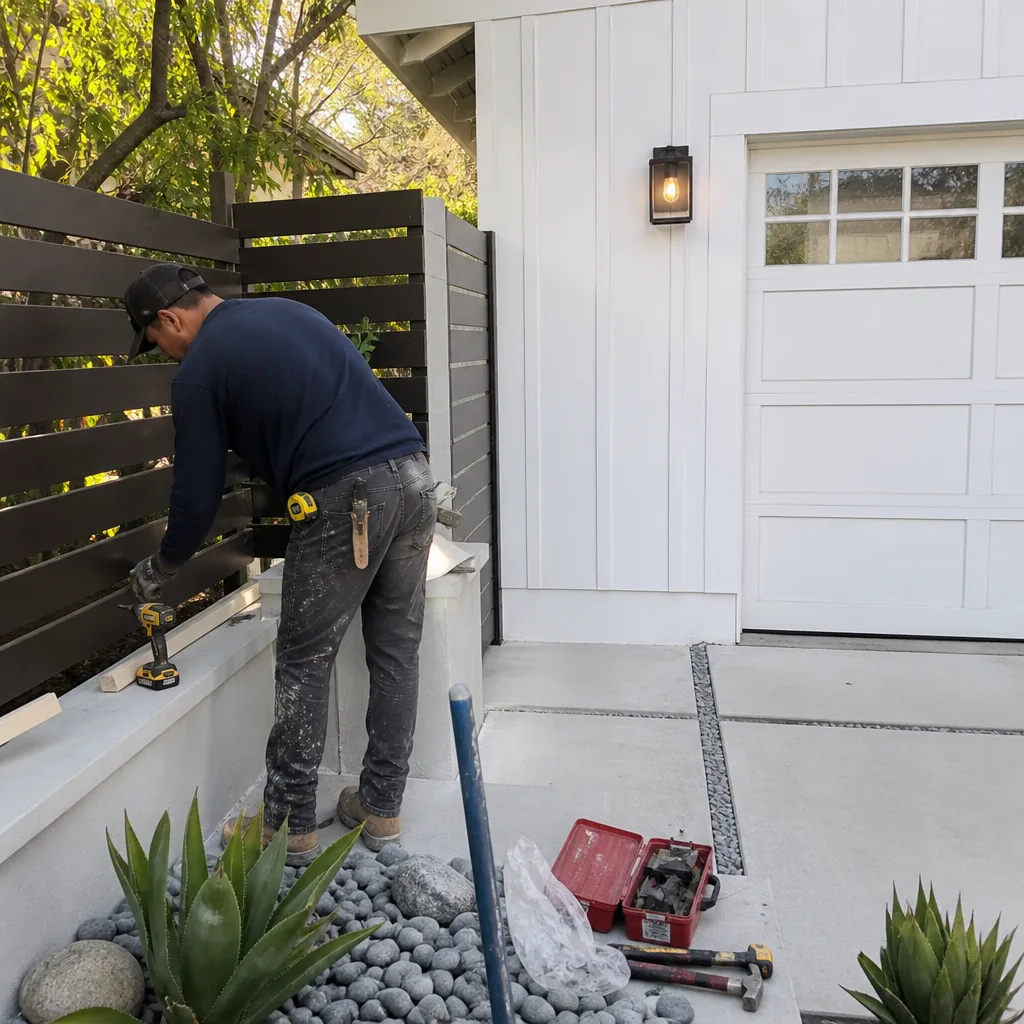
Plant Prefab fence installation in Pasadena typically runs $3,500 – $9,000 for a complete perimeter or property-line install, depending on linear footage, soil conditions, and whether we’re working with your existing panels or starting fresh. We stock Plant Prefab-compatible fence panels, posts, and hardware on our truck for most standard runs, which means we can usually start the same week you call. Most Pasadena owners discover the problem the hard way: a panel that’s suddenly leaning after the last Santa Ana wind event, a post that lifts clean out of the ground after a heavy rain, or a gate that starts dragging across the concrete and won’t latch like it used to. The work tells you everything. You just have to know how to listen to it.
Before you start pricing replacements online, know this: Plant Prefab fence systems are built to a different spec than the pressure-treated panels you’ll find at a home center. Modular dimensions, specific post-to-panel connection hardware, and engineered aluminum or steel post receivers mean a generic swap usually looks wrong and fails early. We’ve been installing and repairing these systems around Pasadena long enough to know which corners you can cut and which ones you absolutely can’t.
Which Plant Prefab Models This Applies To
Plant Prefab’s fence lines share a common DNA across their residential series, but there are three compatibility points you need to match before ordering anything. First, the panel width: most Plant Prefab panels run in 6-foot and 8-foot modular increments, and a 6-foot panel will not sit correctly in a run built for 8-foot posts without a visible seam. Second, the post system: older Plant Prefab installs from the mid-2010s often use a 4×4 galvanized steel post receiver that bolts to a concrete footing, while newer runs use a lightweight aluminum post with an integrated leveling plate. Those two systems do not share hardware. Third, the panel material itself: if you have the composite wood-look panel, you’re in a different replacement class than the painted aluminum slat panel. Look for the Plant Prefab label on the inside edge of any panel, or measure the panel thickness with a tape: 1-1/4 inches is aluminum slat stock, 1-5/8 inches is the composite line.
When we quote a Plant Prefab fence replacement in Pasadena, we spec OEM panels where the visual match matters, and quality aftermarket equivalents where they’re functionally identical and cost 20 – 30% less. For most interior panels that don’t face the street, a properly sized aftermarket slat panel installs clean and holds up the same. For entry-facing panels where fade and color matching show, we recommend OEM. We’re an independent contractor, not a Plant Prefab dealer or affiliate, which means we tell you the cheaper path when it’s the right one.
Styles & brands we work with
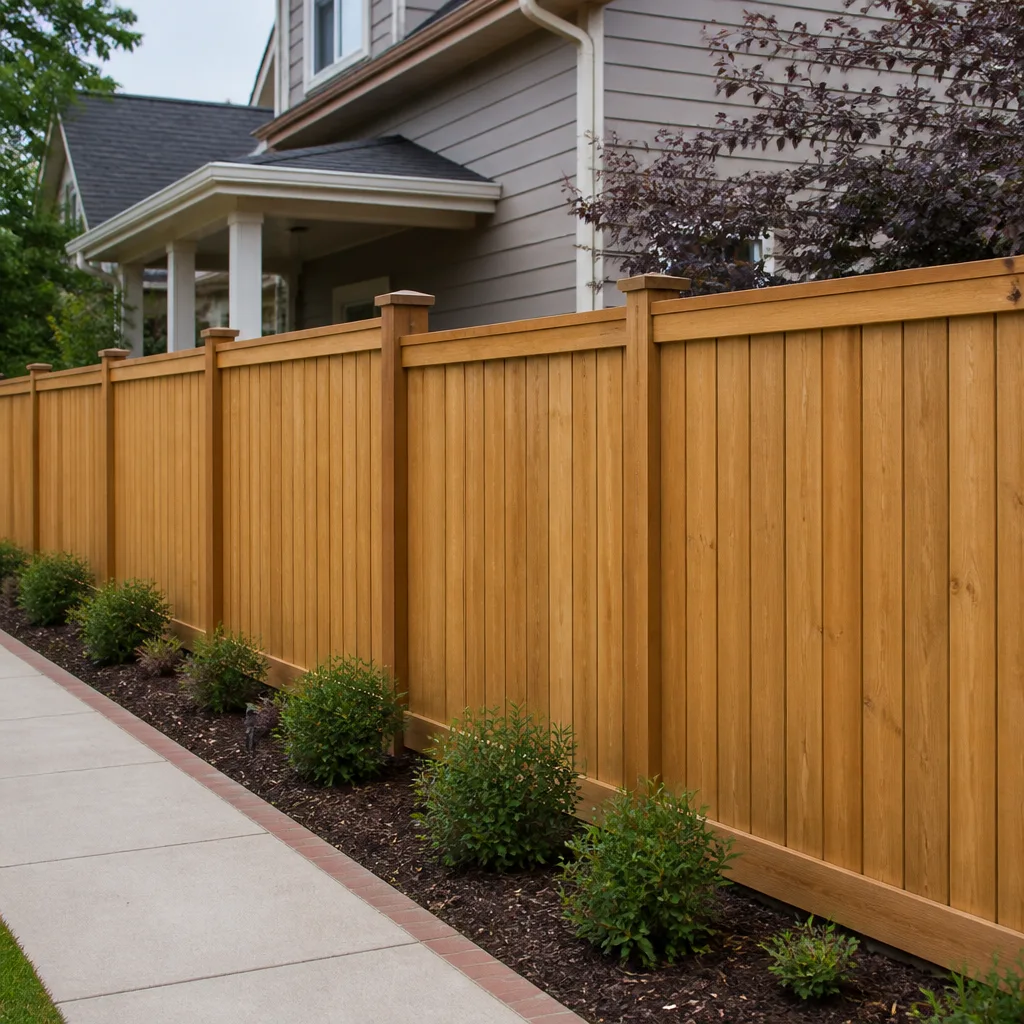
Signs Your Plant Prefab Fence Installation Is Failing
- Post lean after rain. Pasadena’s clay-heavy soil expands when it gets wet and shrinks when it dries, which slowly works posts out of their footings. If you can rock a post more than half an inch by hand, the footing has failed and the post needs to be re-set, not just straightened.
- Panel sag between posts. Plant Prefab panels rely on a hidden clip system that carries the panel weight across three connection points. When the center clip strips or the panel end rail deforms, the panel drops up to an inch and catches wind differently. You’ll see a visible dip when you sight down the fence line.
- Gate dragging or non-latching. The gate frame on Plant Prefab runs is aluminum, and when the hinge posts shift even slightly, the gate binds. Forcing it open over time bends the frame. If your latch no longer lines up without lifting the gate, the post has moved and the hinge geometry is off.
- Rust streaks from post bases. On older galvanized steel post receivers, Pasadena’s dry heat and occasional heavy rain create a micro-environment where the galvanizing wears off at the soil line. Rust streaks below the post plate are the first visual cue that the receiver is thinning.
- Loose or missing panel clips. A panel that rattles in the wind has lost one or more hidden clips. This is a $5 – $15 part that fails quietly, but running with missing clips transfers all the wind load to the remaining connection points and shortens the life of the whole run.
See the difference
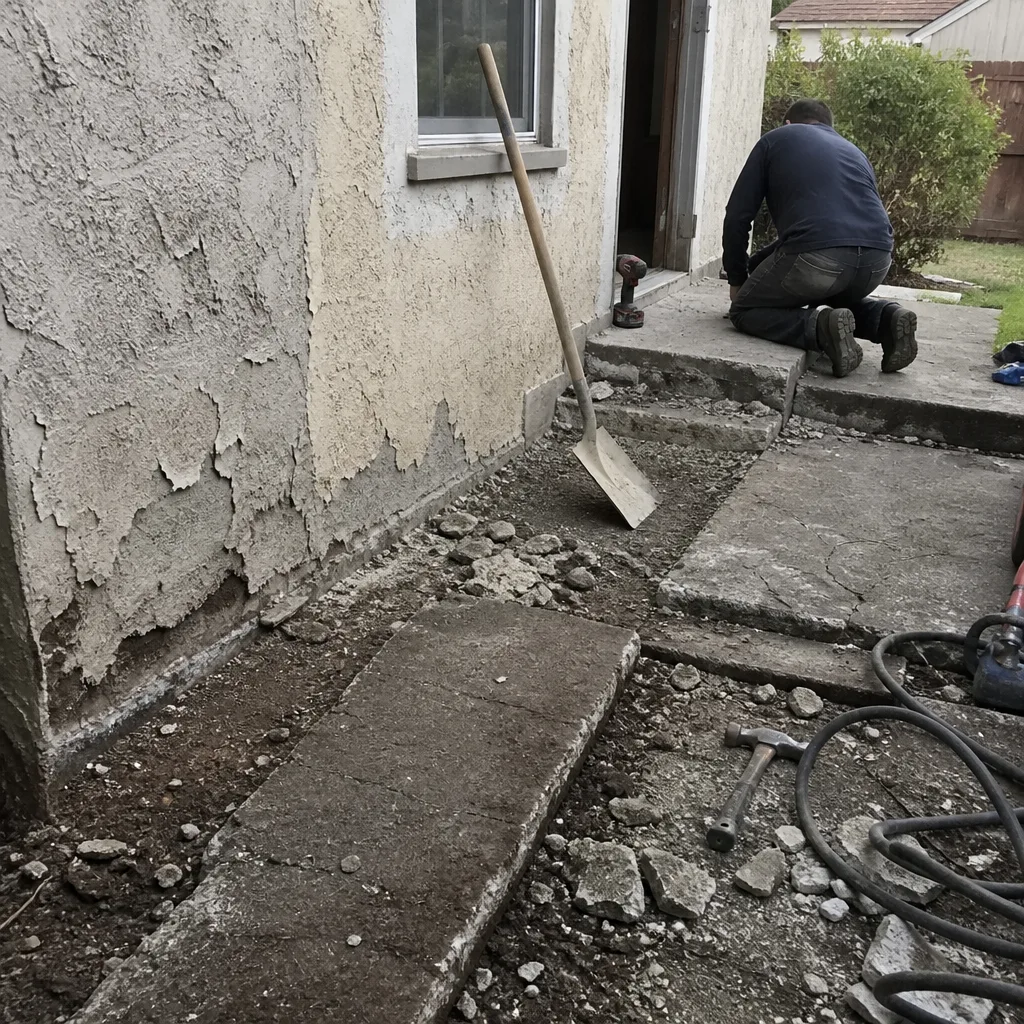 Before
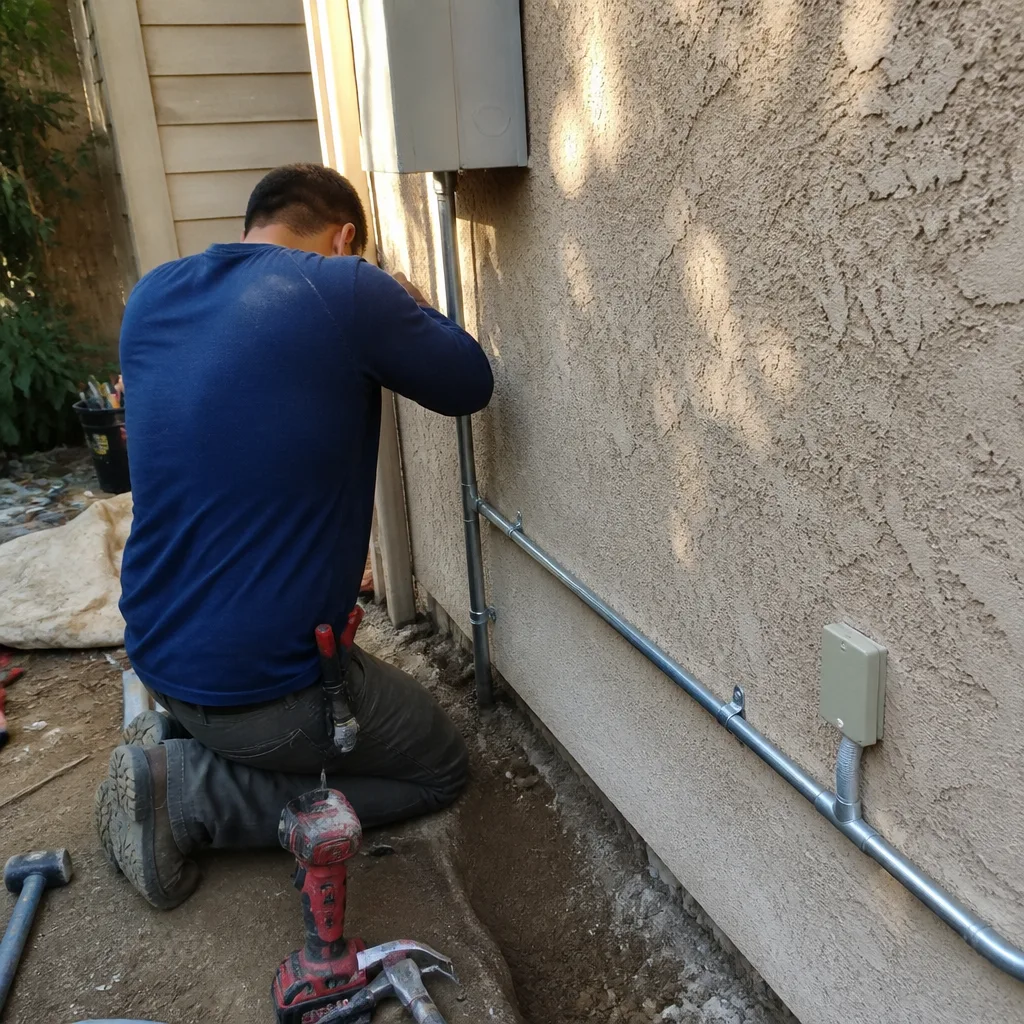 After
After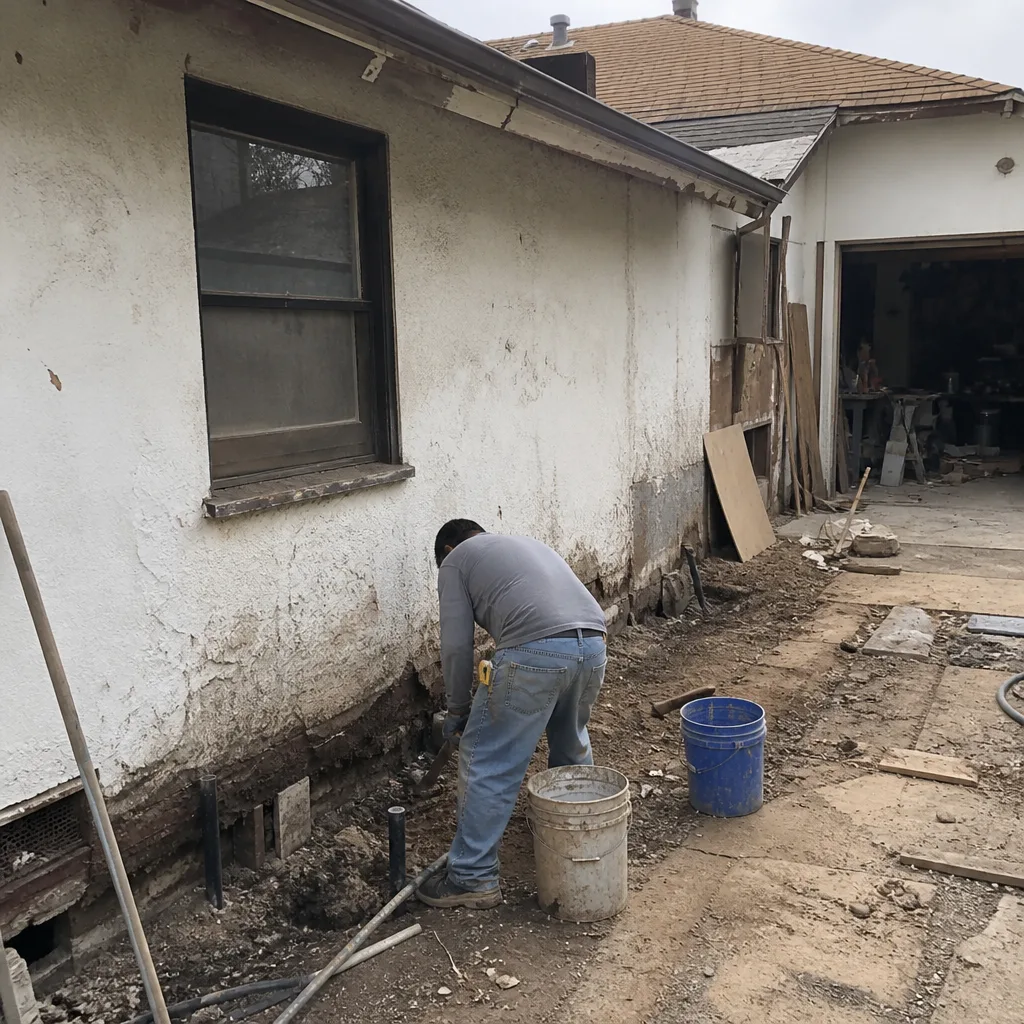 Before
 After
After Before
 After
AfterReplacement Cost & What’s Included
In Pasadena, you should expect to pay $3,500 – $9,000 for a Plant Prefab fence installation or replacement. The range comes down to three variables: lineal feet (a 50-foot side yard is a different job than a 200-foot perimeter), whether we’re reusing your existing posts or setting new ones, and whether the panels are OEM composite or aluminum slat. A typical 80 – 100 linear foot run with new posts and composite panels lands around $5,500 – $7,000 installed.
Every quote from Sawyer Remodel Pasadena is a written, line-item price before any work starts. You’ll see the panel cost, the post and hardware cost, the labor, and the haul-away, each as its own number. The price on the invoice is the price you approved, no change orders because the ground was softer than expected. We pull the permit if your run needs one (most Pasadena fence replacements under 6 feet don’t, but corner-lot visibility rules may apply), and the work carries the 365-Day Done Right Promise in writing. If a post shifts or a panel clip fails within a year, we come back and make it right. Free second visit, no argument.
DIY or Call Us?
Some of this work is safe for a diligent homeowner. You can check which panels are loose, identify the post type by measuring the base plate, and photograph the label on the panel edge so you know exactly which Plant Prefab line you have. You can also check your irrigation: in Pasadena, a sprinkler head spraying directly onto a post base year-round is the single most common cause of premature post failure, and that’s a free fix.
What you shouldn’t do is re-set a post in Pasadena clay without knowing the soil prep. A new bag of quick-set poured into an un-belled hole will lean again within two seasons. We bell the footing, add drainage gravel at the base, and set the post with a level on two axes before the concrete goes in. When a fence run fails, it’s usually because someone skipped one of those steps. If you want this done once, call us at (626) 657-5396 and we’ll give you a written quote. The estimate is free, and Luca Romano will be the one walking your fence line.
FAQs
A properly installed Plant Prefab fence in Pasadena lasts 20 – 30 years on the panels and 15 – 20 years on steel post receivers, depending on sprinkler exposure and soil drainage. Aluminum posts last longer. Panels near sprinkler heads or in constantly shaded corners fail first.
Yes, in most cases. If the posts are sound and the failure is a stripped clip, a bent gate frame, or a single cracked panel, we replace just that section and leave the rest of the run alone. The trick is matching the panel line correctly, which is where most Pasadena owners get stuck. Call us at (626) 657-5396 and we’ll identify the exact Plant Prefab series you have.
A standard 80 – 100 foot replacement with new posts takes two to three working days, including concrete cure time before we hang panels. Gates add half a day. We schedule around your work week and send photo updates before and after each day’s work.
We stock the most common Plant Prefab-compatible clips, post receivers, and gate hardware on our service trucks, plus panel stock we can order same-week from our Pasadena supplier. If you need the older 4×4 galvanized receiver from a mid-2010s install, we can usually source it within a few days. Call (626) 657-5396 and we’ll tell you over the phone whether it’s a same-week fix.
Written by Luca Romano, Owner & Lead Contractor, Sawyer Remodel Pasadena at Sawyer Remodel Pasadena, serving Pasadena and nearby areas.