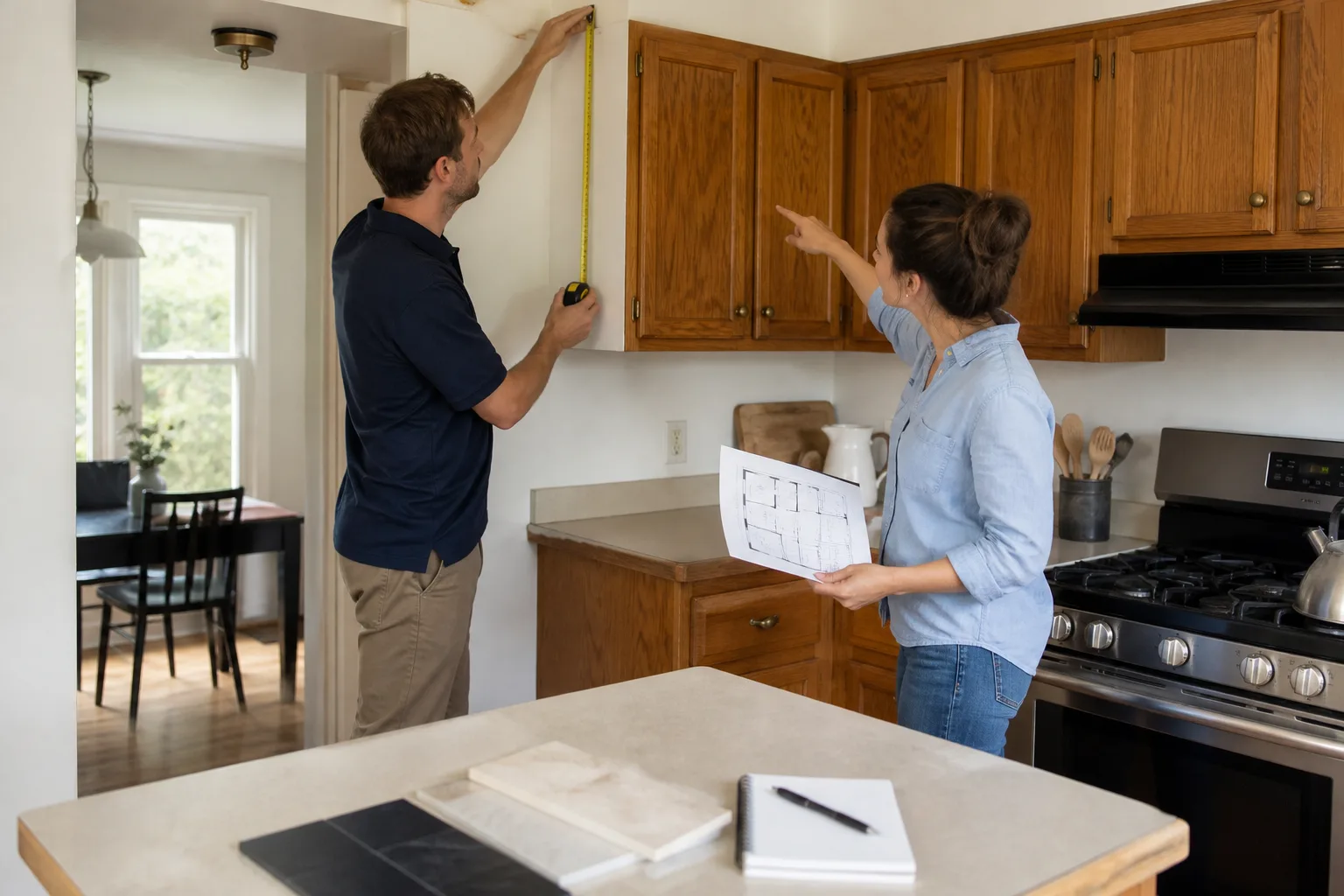
Free written scope consultation - allowances, timeline, and change-order rules on paper before a single trade is scheduled
Oldcastle Home Additions & ADU: The Pasadena Owner’s Guide
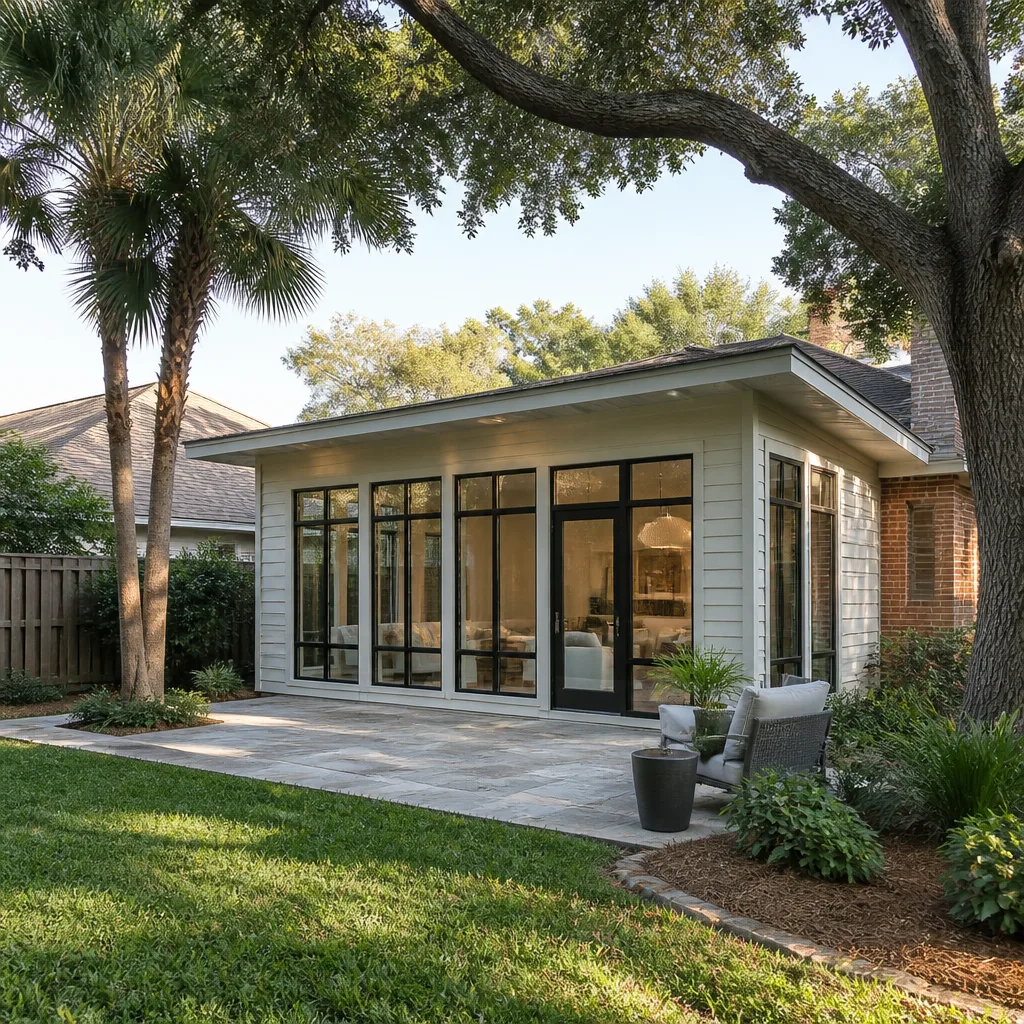
If you have an Oldcastle home addition or ADU in Pasadena and a component has failed, the installed replacement cost typically runs between $45,000 and $130,000 depending on what failed, how far the damage spread, and what your specific addition requires to match the existing work. We stock the common failure points for these structures and can usually diagnose the issue the same day you call. Most Pasadena owners discover the problem the hard way: a door that suddenly won’t close square, drywall cracking along a seam where the addition ties into the original house, a roofline that’s sagging just enough to notice from the curb, or water staining on a ceiling that was bone dry a month ago.
We’re an independent Pasadena contractor, not affiliated with Oldcastle. What we do is fix and finish what’s already there using parts and materials that match the original spec, and we put the price in writing before any work starts.
Which Oldcastle Models This Applies To
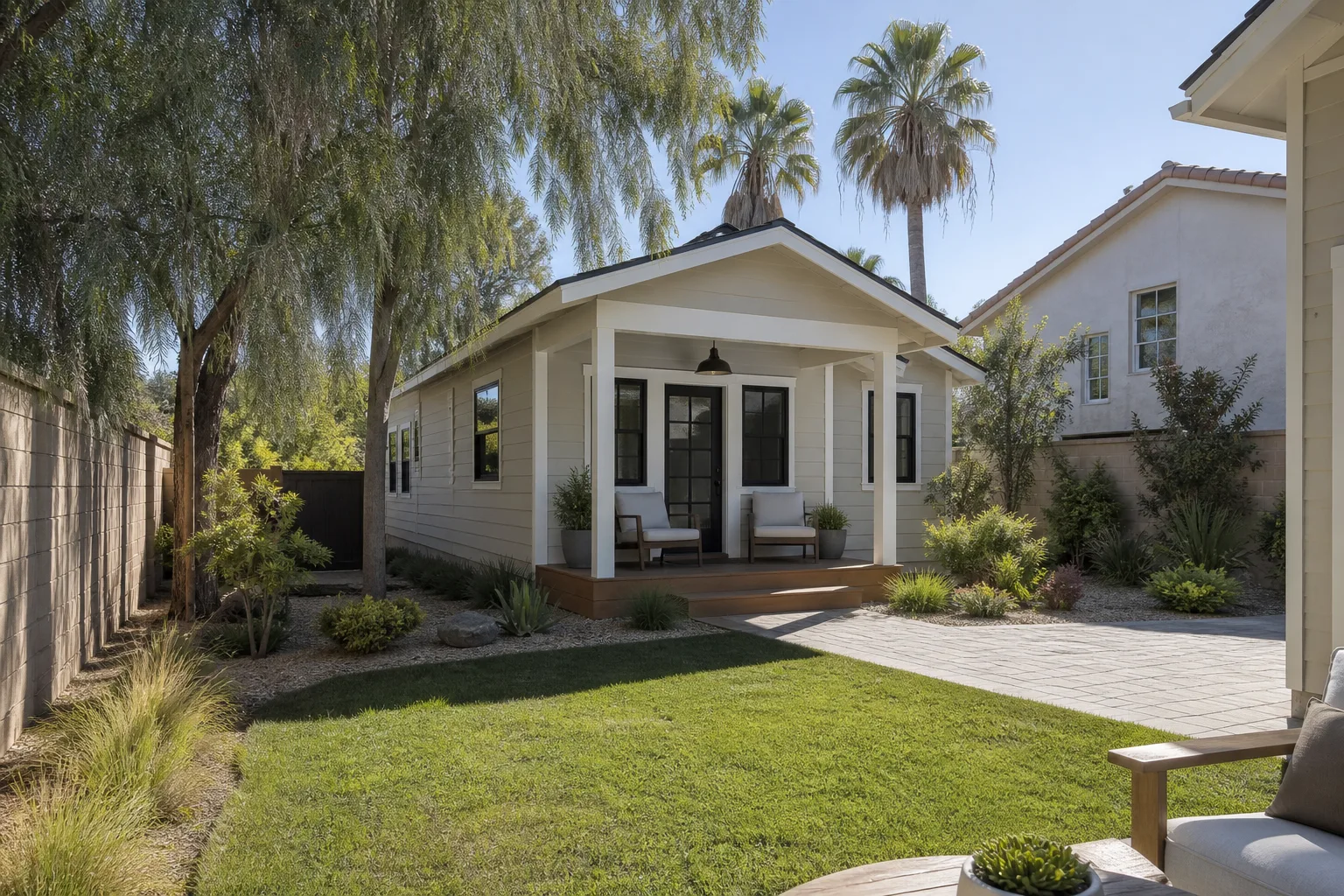
Oldcastle’s pre-engineered and precast concrete components show up in a lot of Pasadena additions and ADUs, particularly in foundation systems, stem walls, and panelized exterior sections. The part you need depends on what was specified when the structure was built, and here’s the compatibility gotcha we see constantly: Oldcastle precast panels are not a pick-and-match system. The panel dimensions, embed locations, and connection details are tied to the engineer’s drawings for that specific project. A panel that looks identical from ten feet away may have completely different lifting anchors or grout-tube spacing a foot closer than yours.
To identify what you have, start with the structural drawings if you have them. If not, look for stamped markings on the concrete face or along the top edge of the panel. Oldcastle embeds a product code and casting date on most cast pieces. Photograph that before you call anyone. For the decision between an OEM-specified replacement and a quality aftermarket equivalent: on structural components we recommend staying with what the original engineer specified. On finishing components like door thresholds, flashing, or stair treads, a quality aftermarket match is usually fine and often faster to source. In Pasadena’s climate, the hot dry summers and occasional heavy winter rain cycles put real stress on expansion joints and flashing, which means the finishing layer fails before the structure does, and that’s actually the cheaper problem to have.
Styles & brands we work with
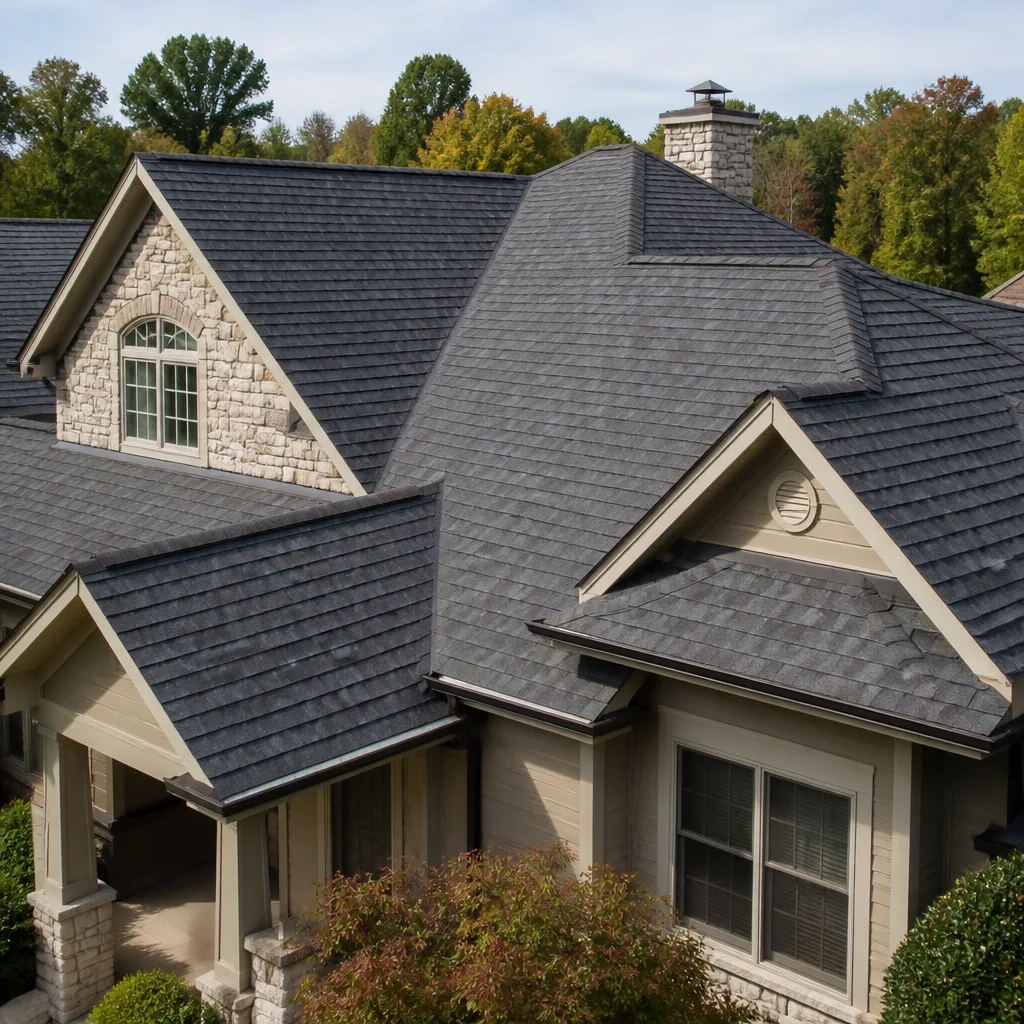
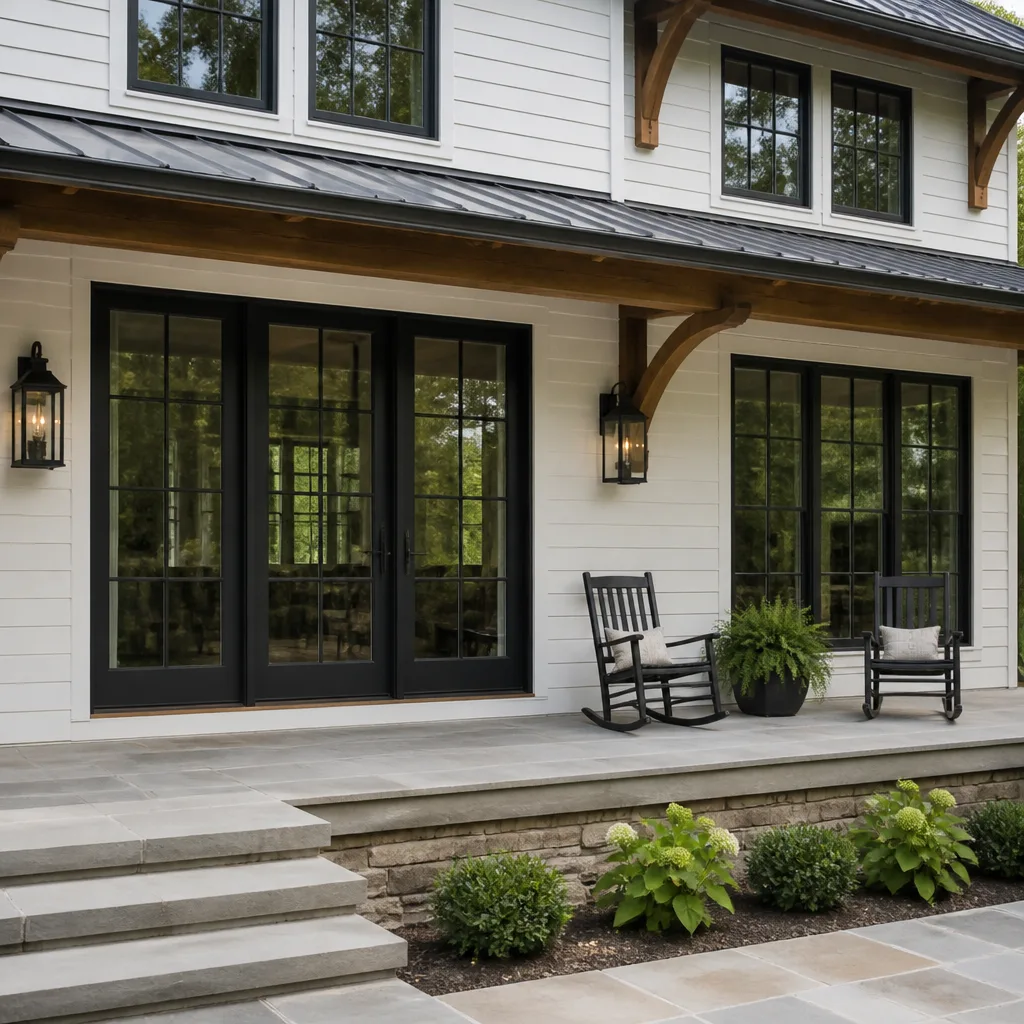
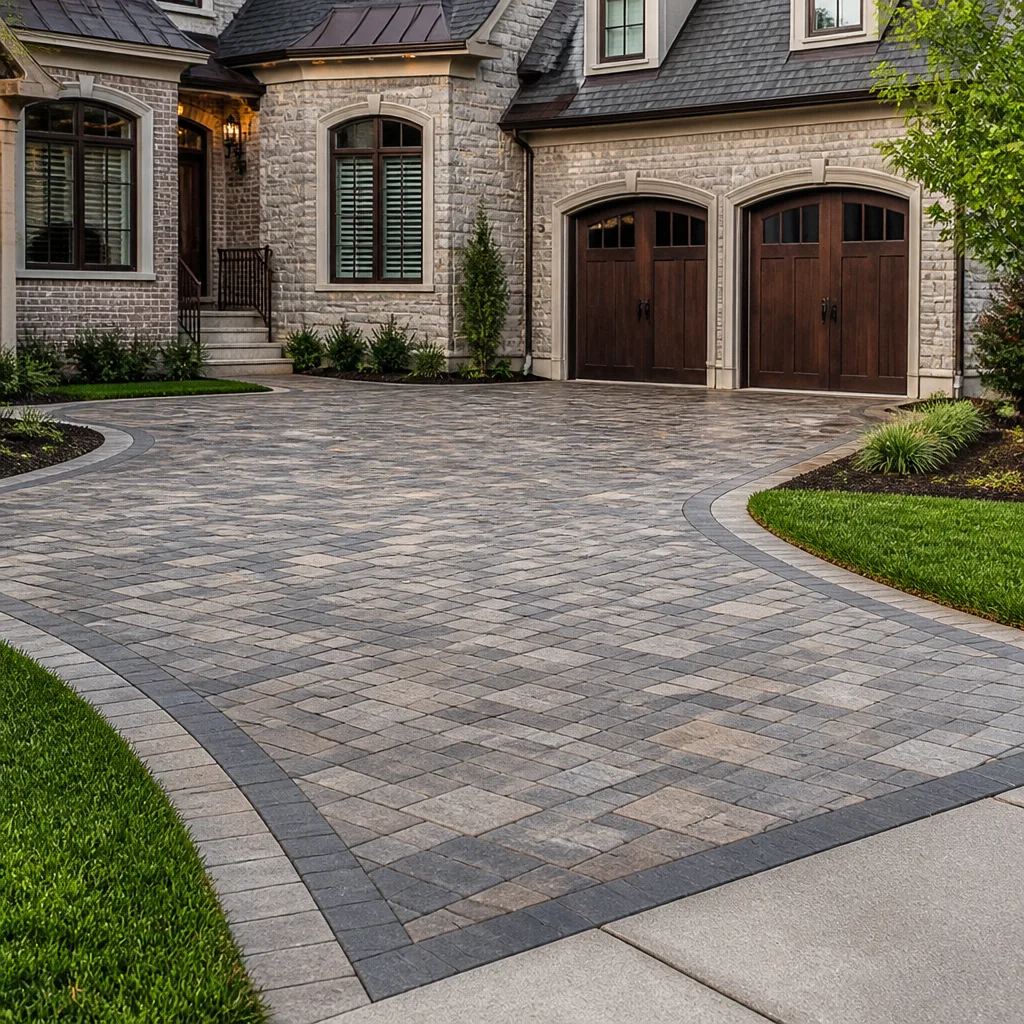
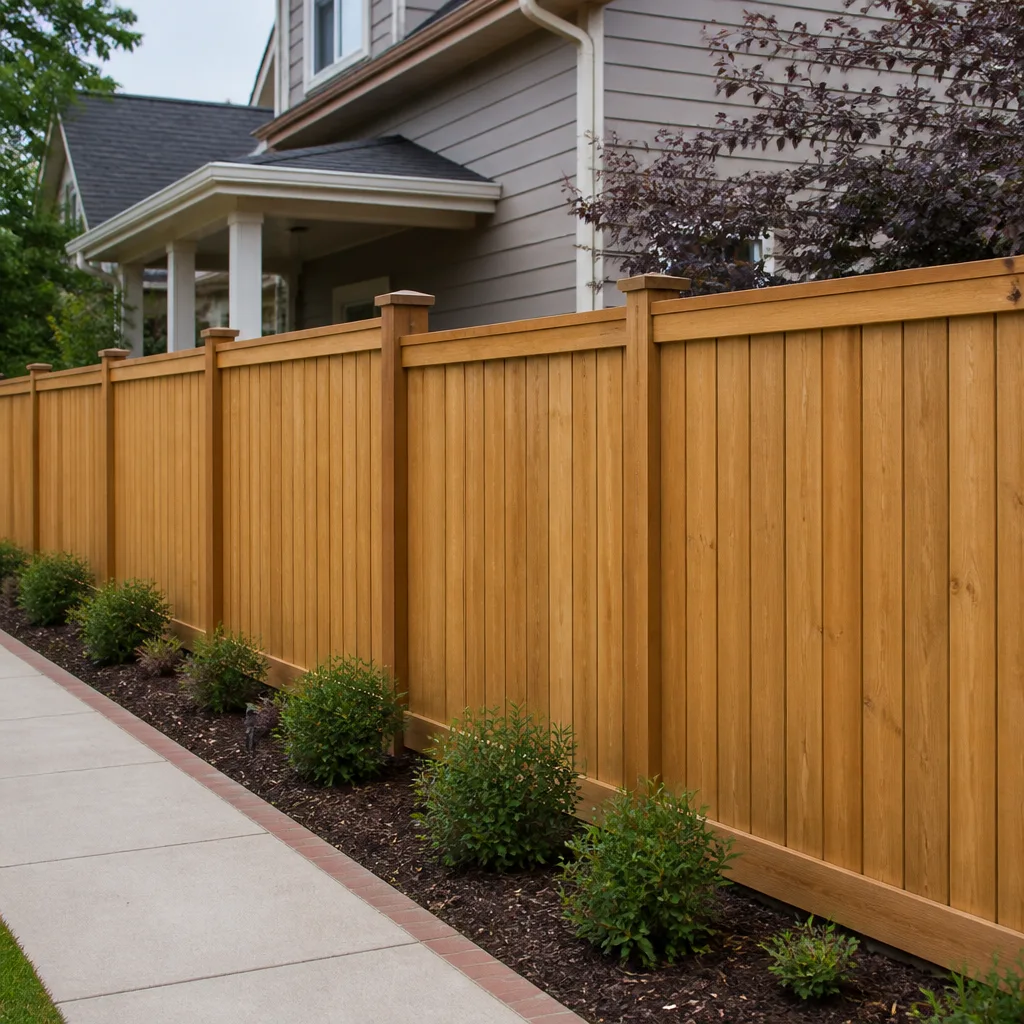
Signs Your Oldcastle Home Additions & ADU Is Failing
- Stair-step cracks along the ceiling where the addition meets the main house. Pasadena sits on varied soil, and clay-heavy ground expands and contracts with moisture. When the addition settles differently than the original foundation, the seam between them announces it. This is not something to caulk and paint over.
- Doors or windows that used to open easily and now bind at the top corner. That binding means the opening has shifted out of square. In a precast system, the cause is usually a foundation issue, not a bad hinge.
- Water staining on the ceiling that appears after a rain, not around a plumbing fixture. This points to a flashing failure at the roof-to-wall intersection or a failed seal where a precast panel meets the roof deck. Pasadena gets most of its rain in a short winter window, so leaks go unnoticed for months.
- Visible rust bleed from a nail or screw head on an interior wall. If you see orange halos around fasteners in an addition or ADU, moisture is getting into the wall cavity behind whatever surface that fastener is holding. The fastener is the symptom; the flashing or seal failure is the cause.
- A floor that slopes or feels “springy” in one spot. With precast and panelized systems, a soft spot usually means the substrate or framing component below has degraded. In a garage conversion ADU, this is often a slab issue that started at the original garage door opening.
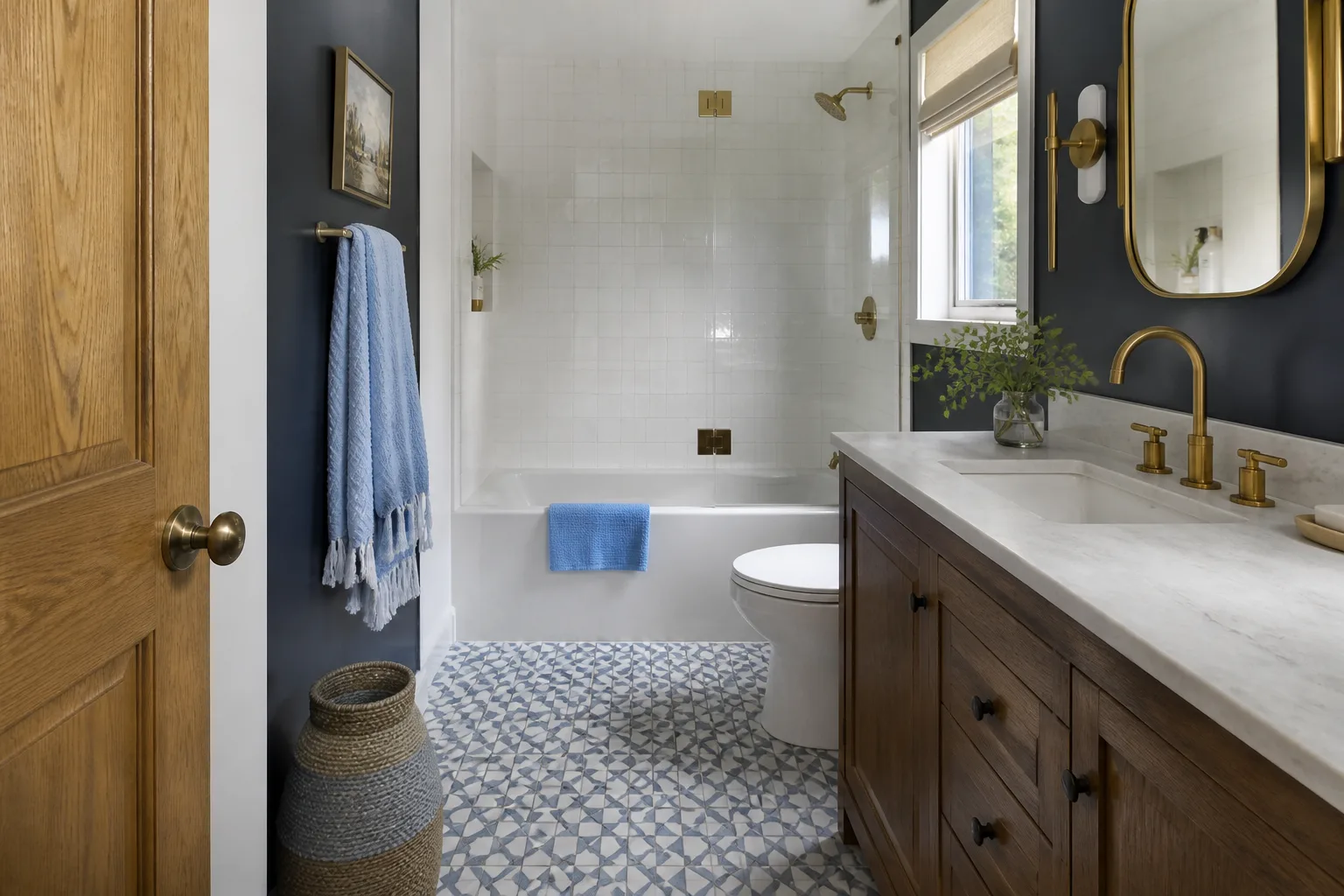
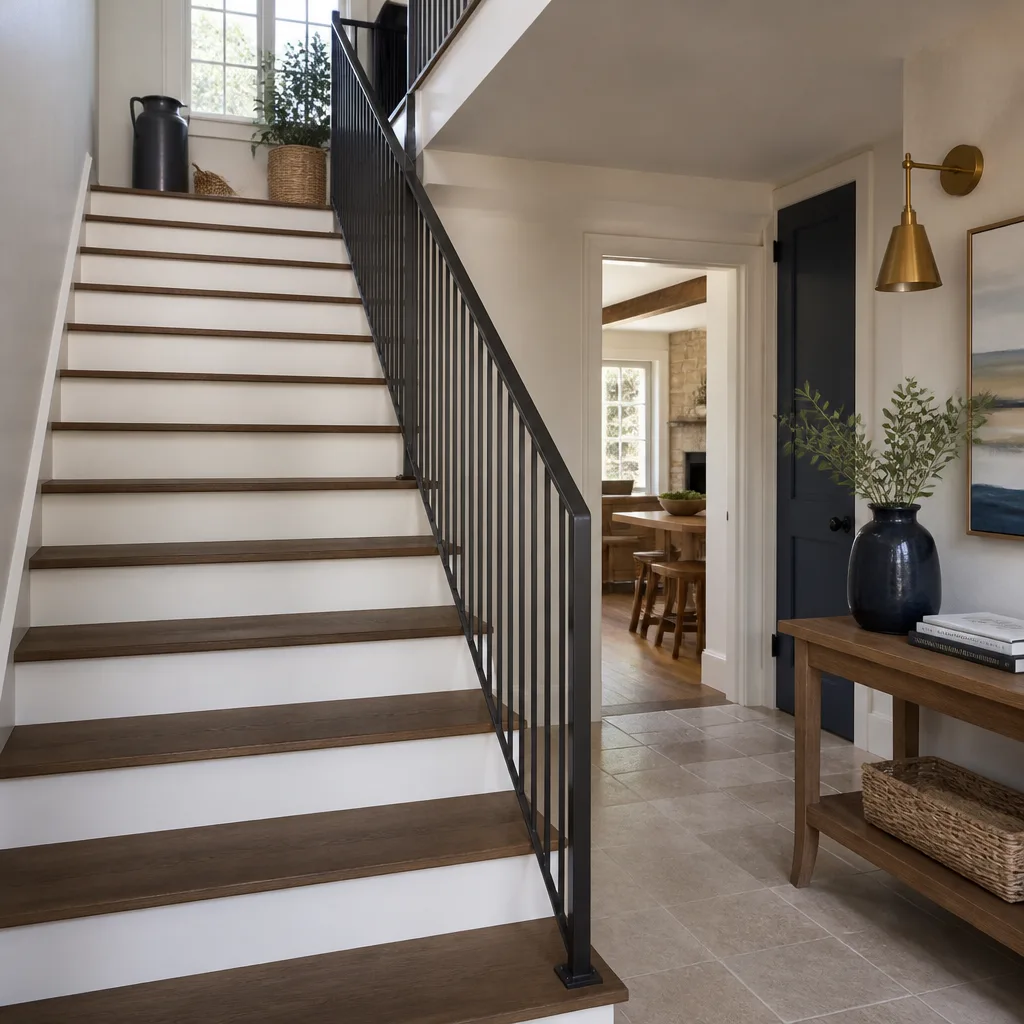
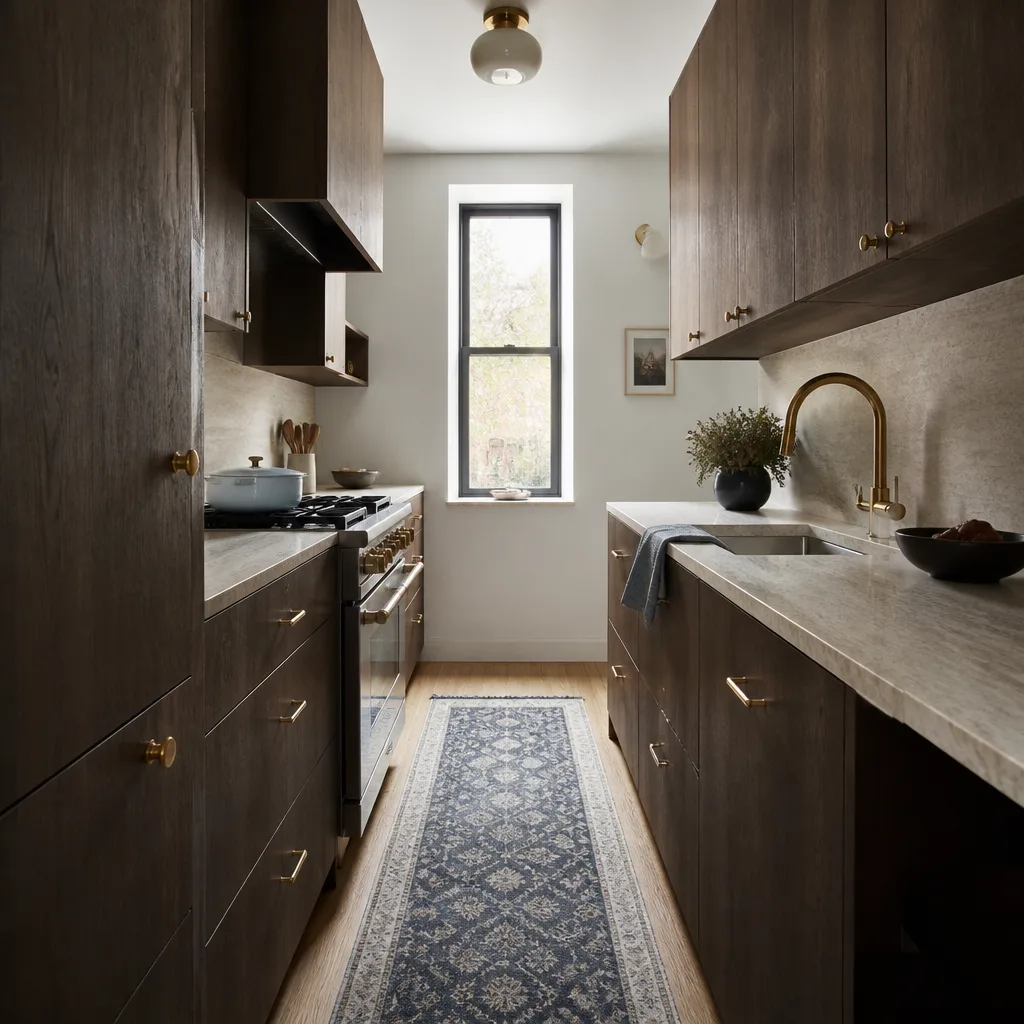
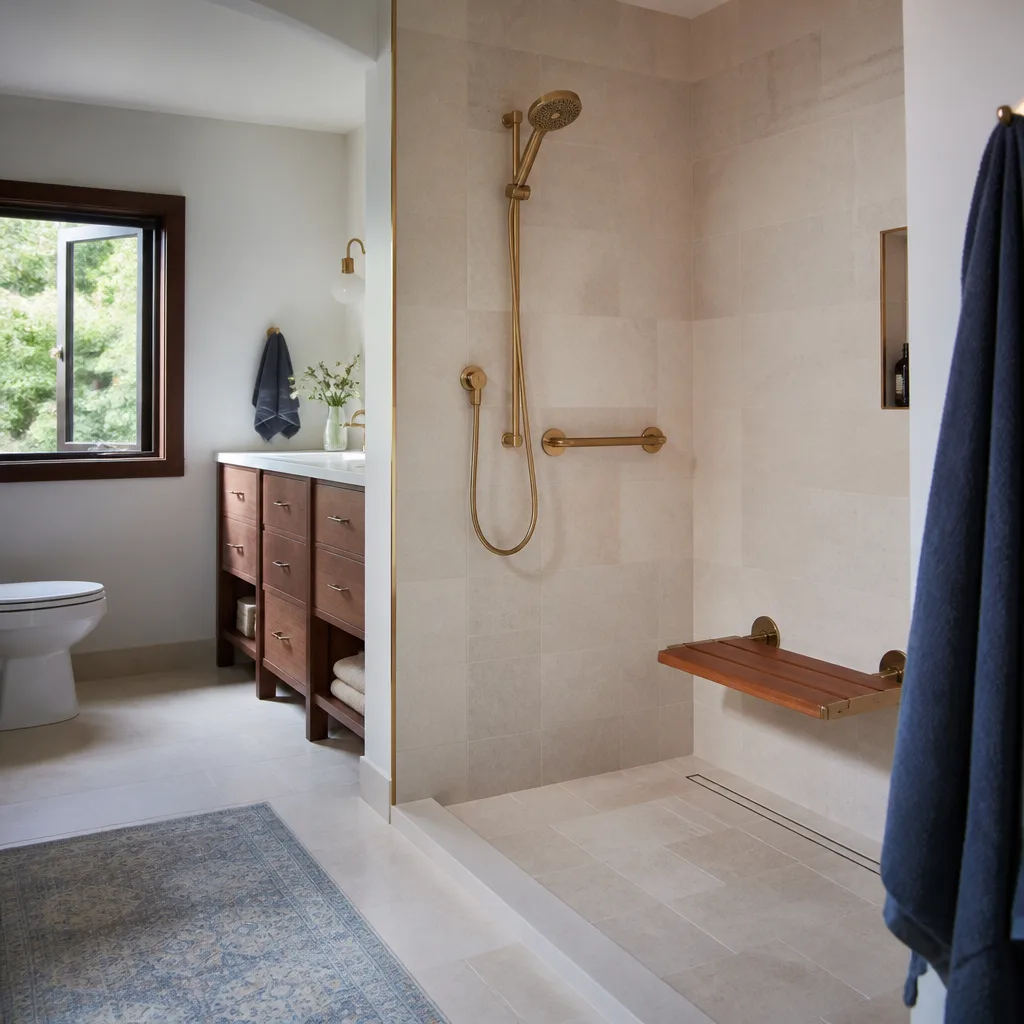
See the difference
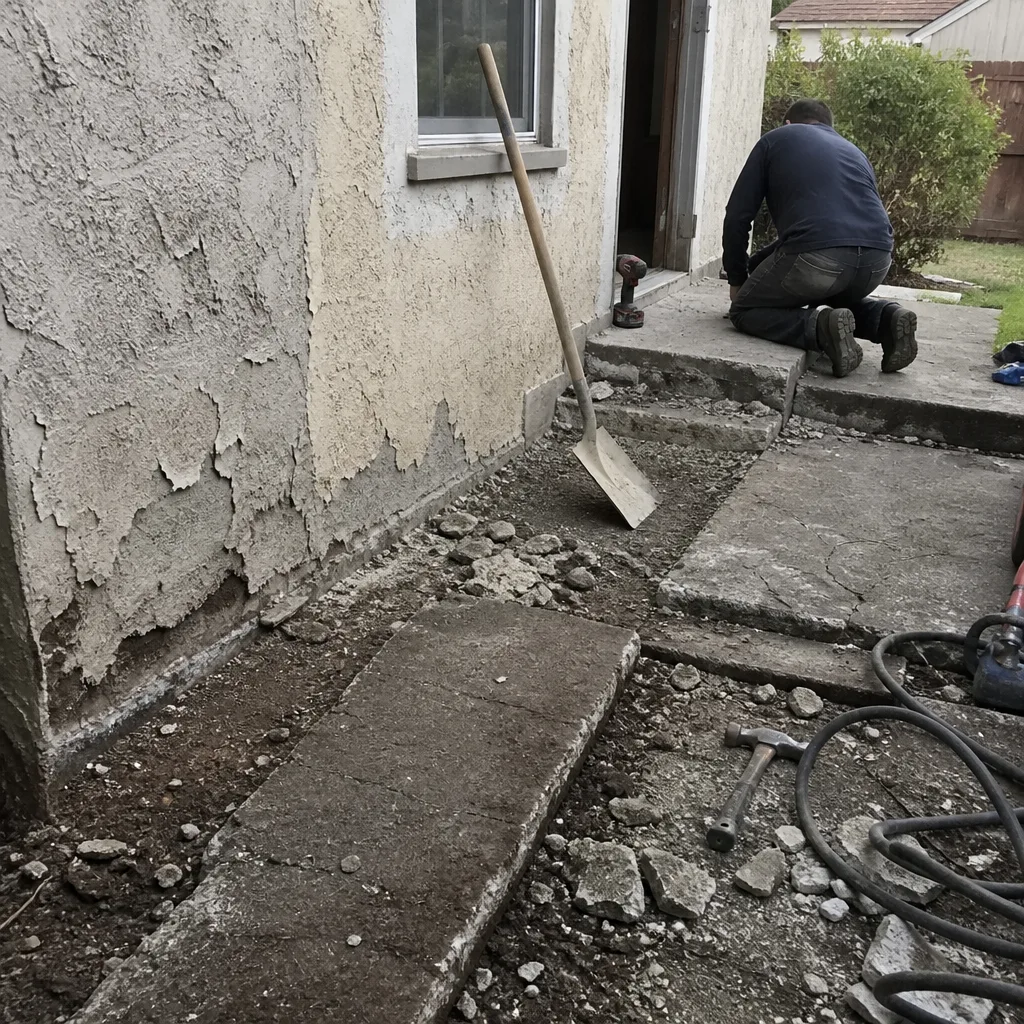 Before
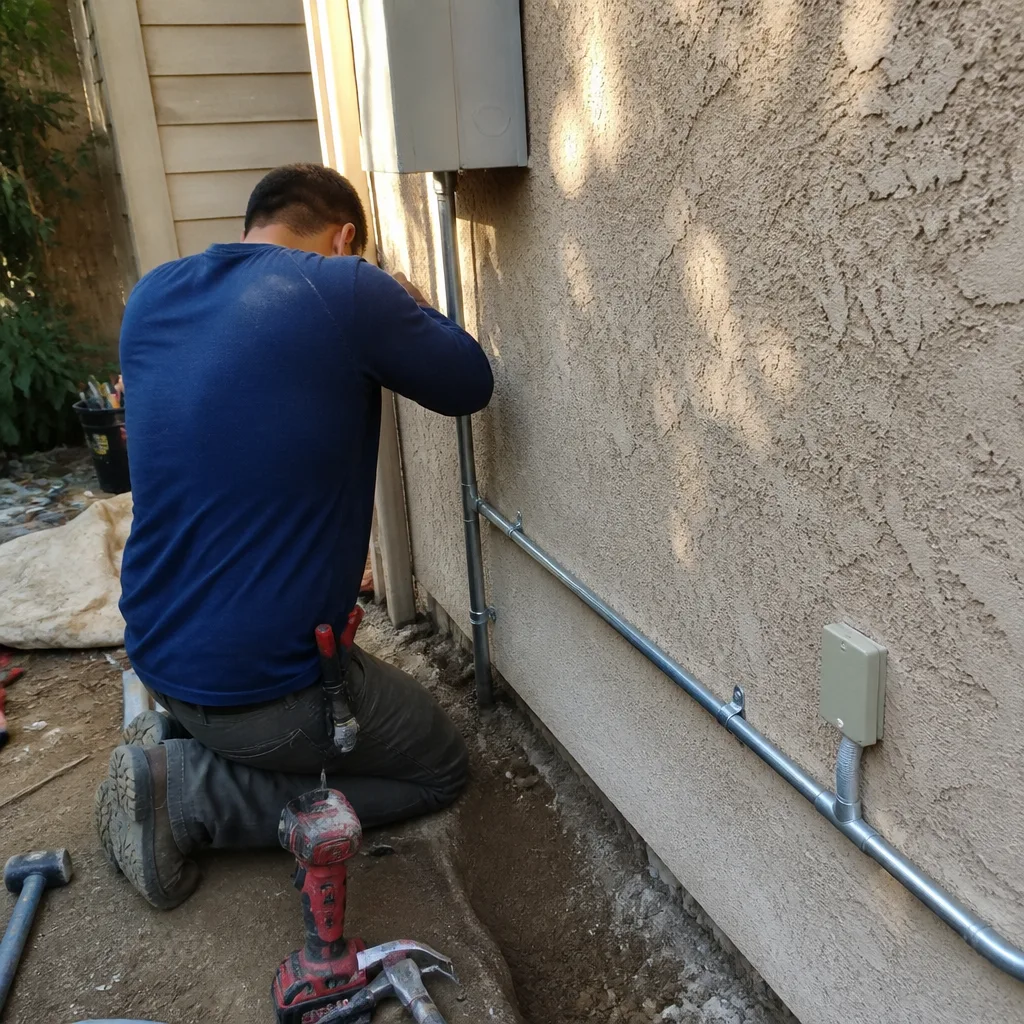 After
After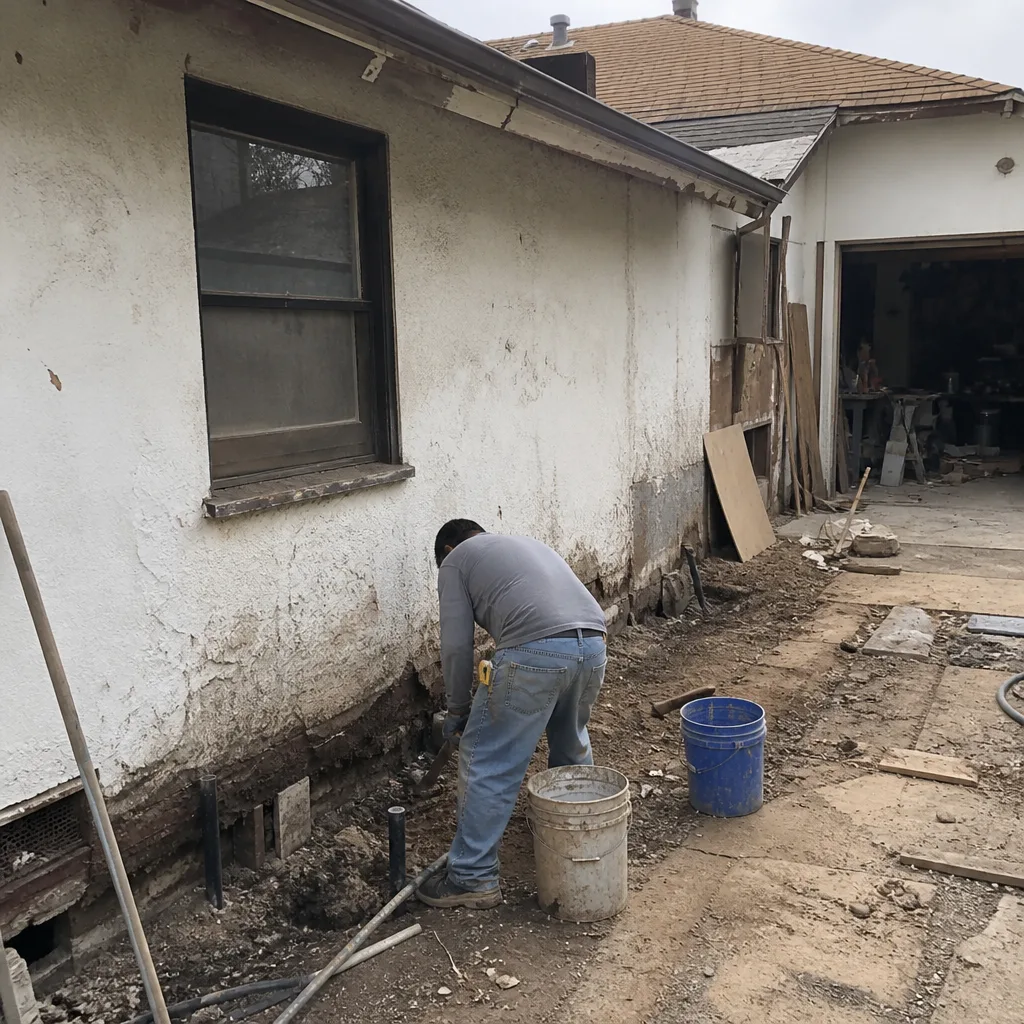 Before
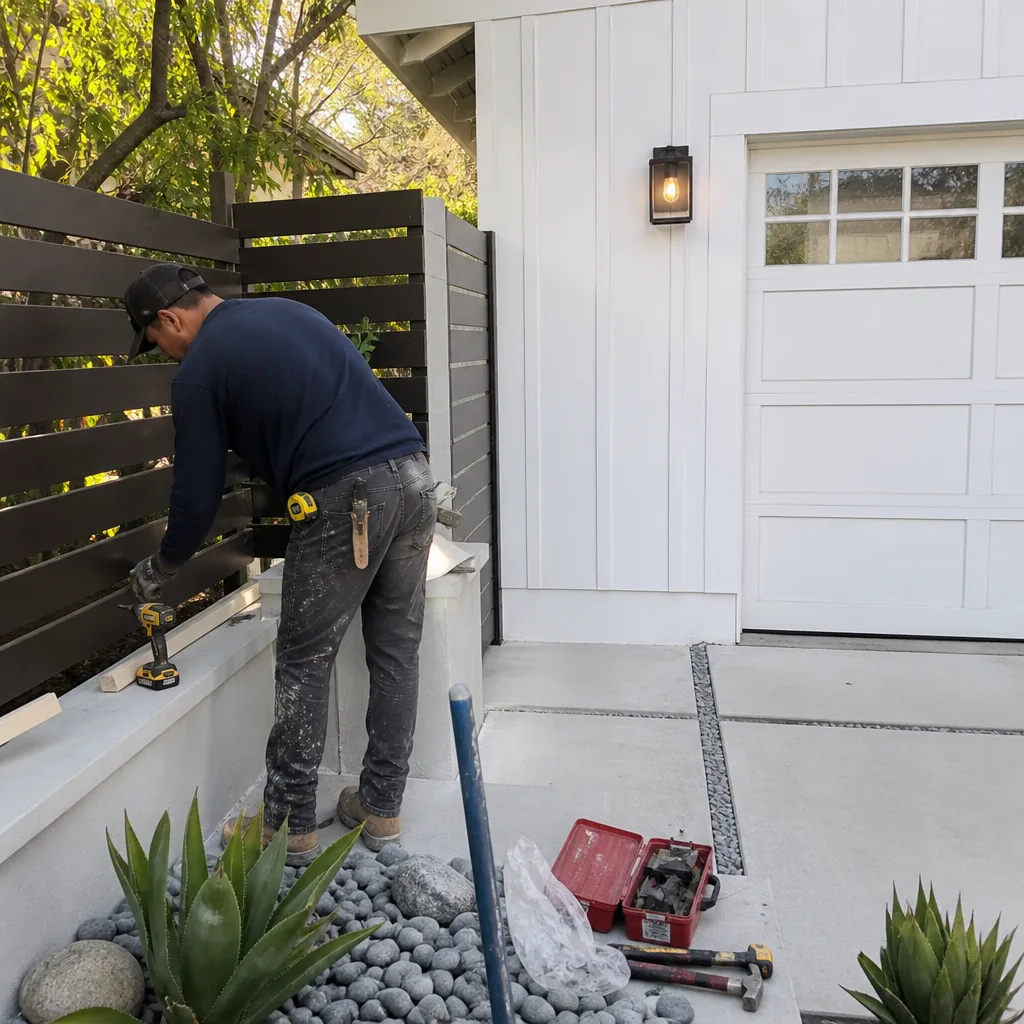 After
After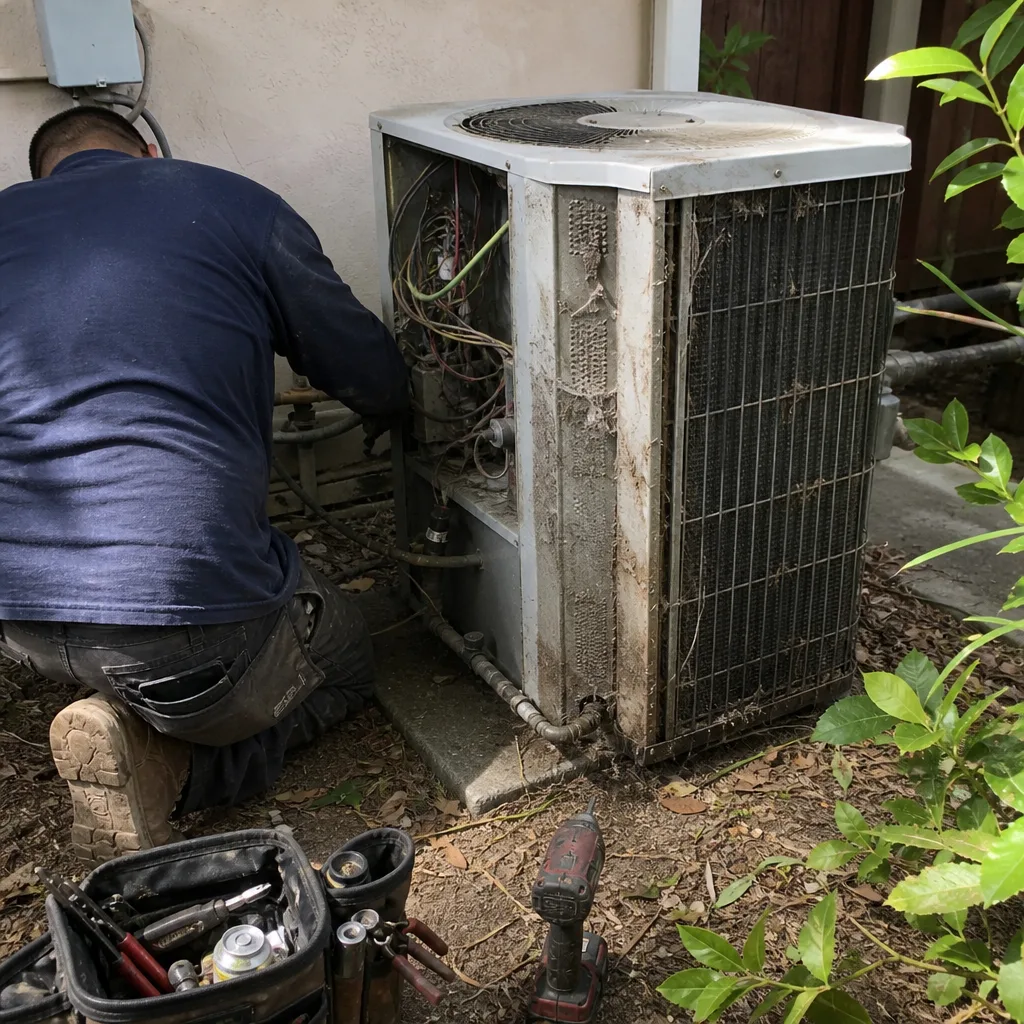 Before
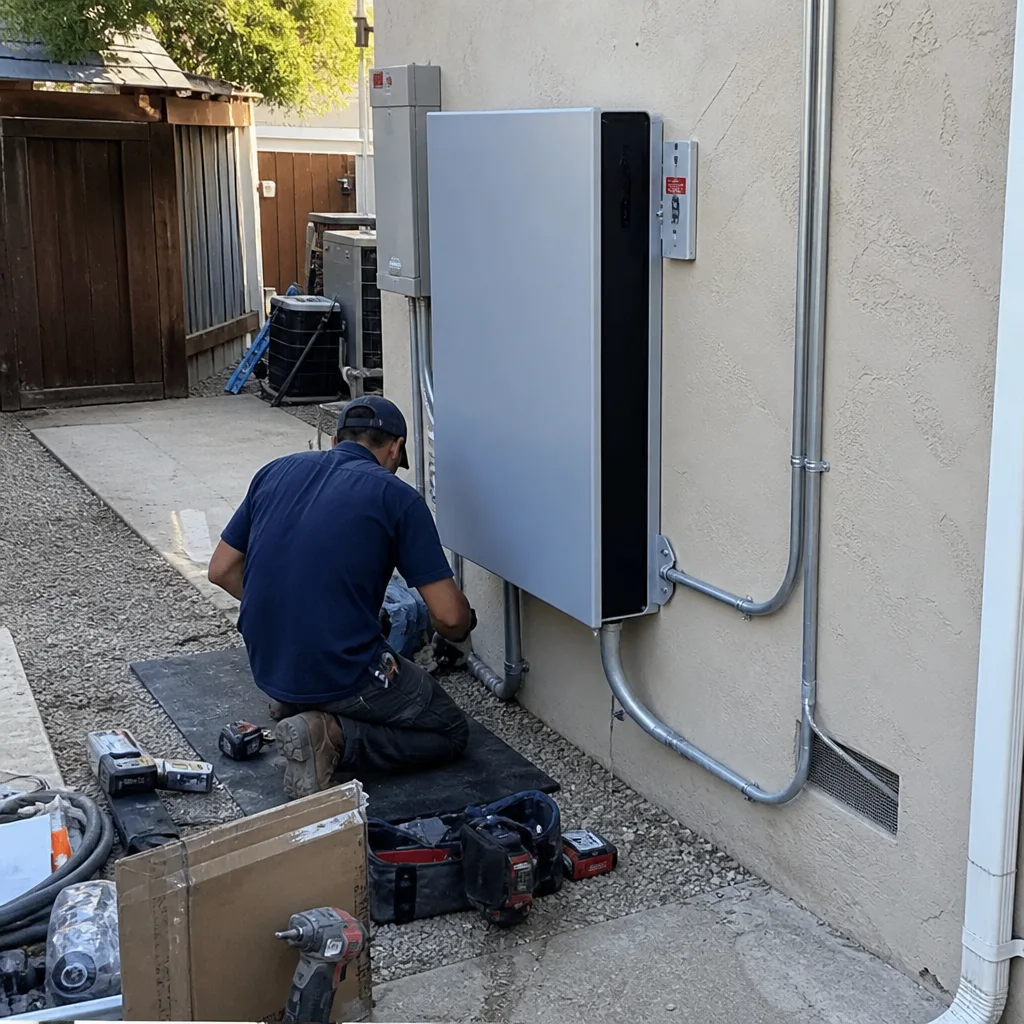 After
AfterReplacement Cost & What’s Included
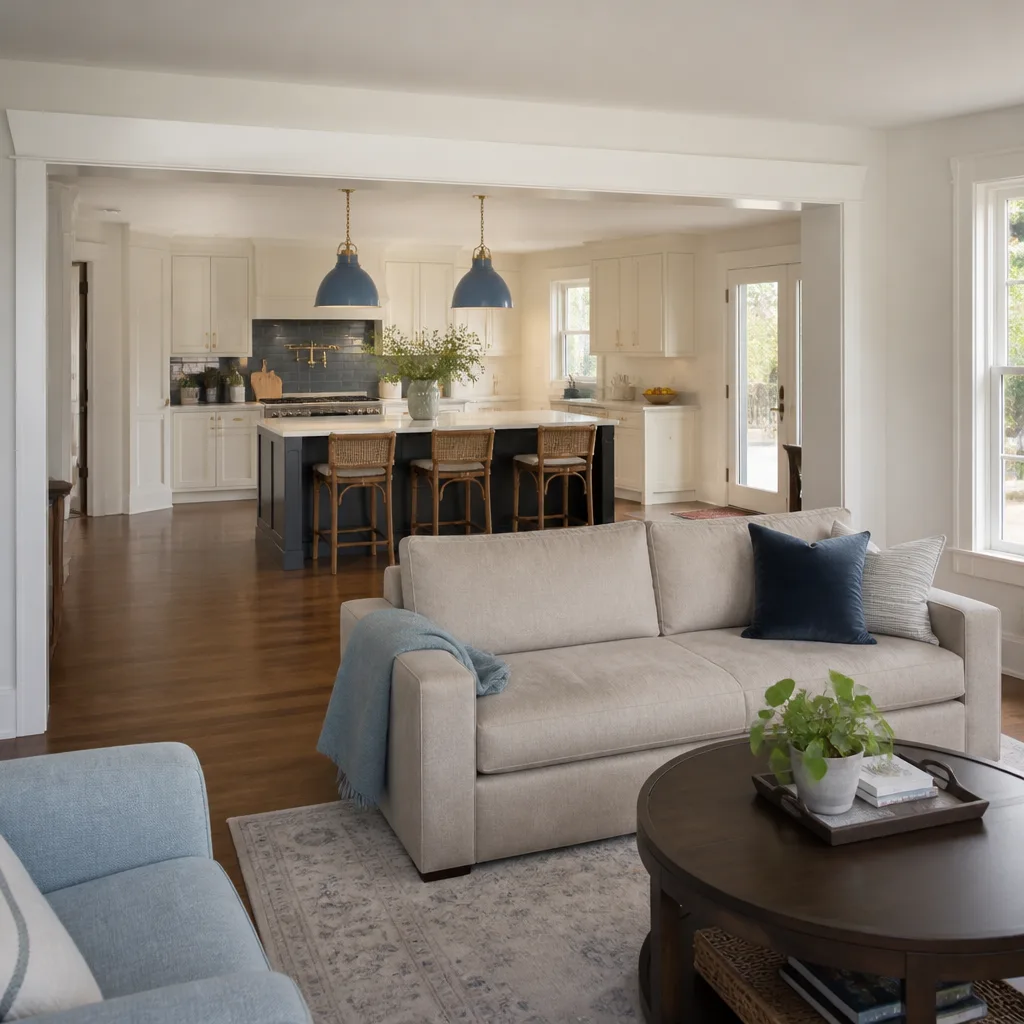
In Pasadena, full home additions and ADU major component replacements run $45,000 to $130,000, and the spread comes down to what actually failed and how much of the surrounding work has to be undone to reach it. A failed flashing detail might run on the lower end. A foundation component that requires shoring, engineering review, and re-setting a precast section lands a lot higher.
Every job includes the written price before we start, the parts and labor, permit handling where the scope requires it, and our 365-Day Done Right Promise: if it’s not done right, we make it right, in writing, on every project. You’ll know who is coming, when they arrive, and a live photo update before and after the work. The invoice is digital, and the number on it is the number you approved. That’s the Relay Standard, and we don’t run jobs any other way.
DIY or Call Us?
You can document the failure safely: photograph the cracks, the stains, the binding doors. Mark crack ends with a pencil and date. Check if the problem grows after rain or after hot weeks. That information saves real money on diagnosis. What you should not do is start opening walls, resetting doors, or attempting to jack any part of the structure. If the issue involves a precast concrete panel, a beam pocket, or a connection point, the forces involved are serious and the margin for error is zero. That’s how people get hurt, and how a $3,000 fix becomes a $60,000 repair.
If you’re seeing any of the signs above in your Pasadena addition or ADU, call us at (626) 657-5396. Tell us what you’re seeing. We’ll tell you what it likely is, what it costs, and whether it needs a crew or just a closer look. The work tells you everything. You just have to know how to listen to it.
FAQs
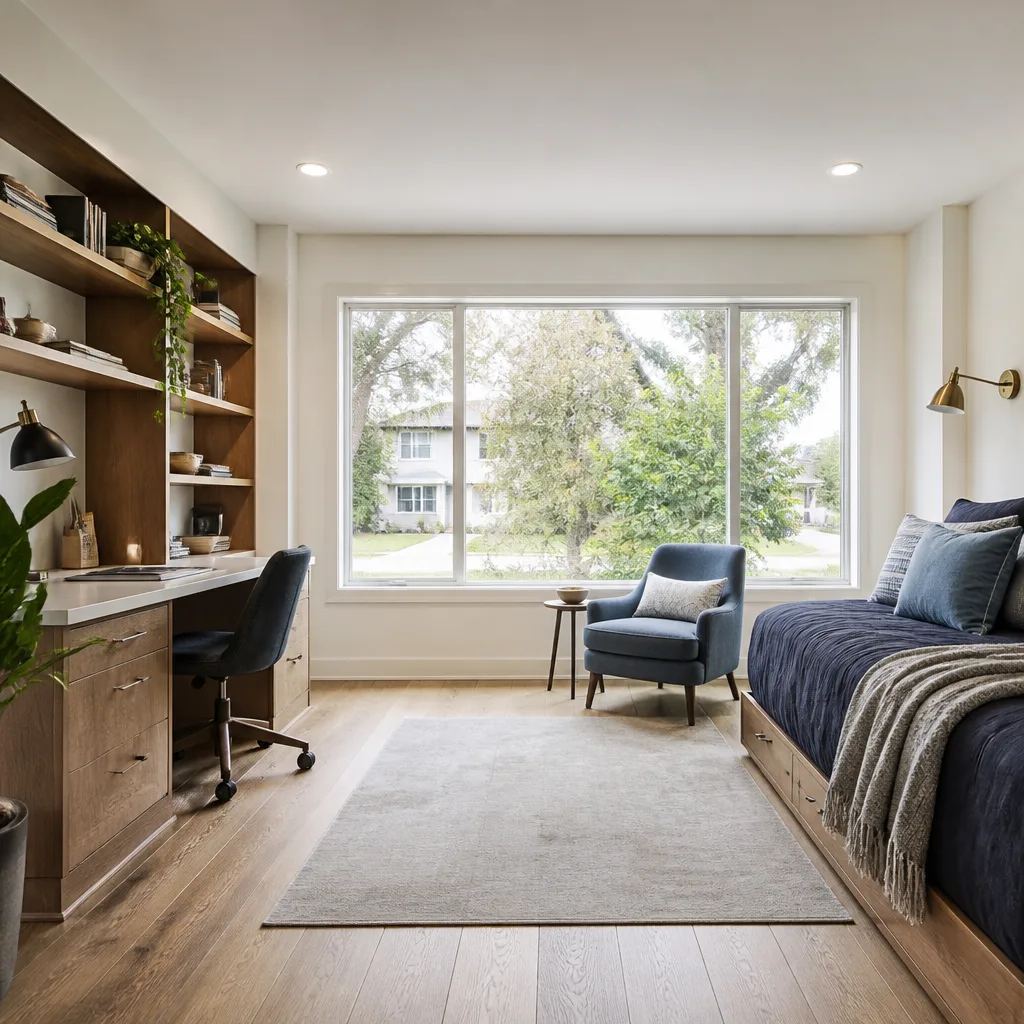
The structural precast components are designed for a 50-plus-year service life, but the finishing systems around them – flashing, seals, expansion joints, door frames – typically need attention every 10 to 15 years in Pasadena’s dry-heat-and-heavy-rain cycle. The structure usually outlasts its own seams.
Sometimes. Flashing, sealants, and non-structural trim can often be repaired without removing anything. Structural components like a shifted precast panel or a compromised connection point usually require replacement or an engineered fix. The honest answer depends on what we find when we open it up. Call (626) 657-5396 and we’ll tell you straight.
Most mid-range repairs run one to three weeks. A full panel replacement with shoring and reconnection can run four to six weeks depending on permit review in Pasadena and the engineer’s schedule. We give you a written timeline with the written price, and we keep you posted with photo updates as the work moves.
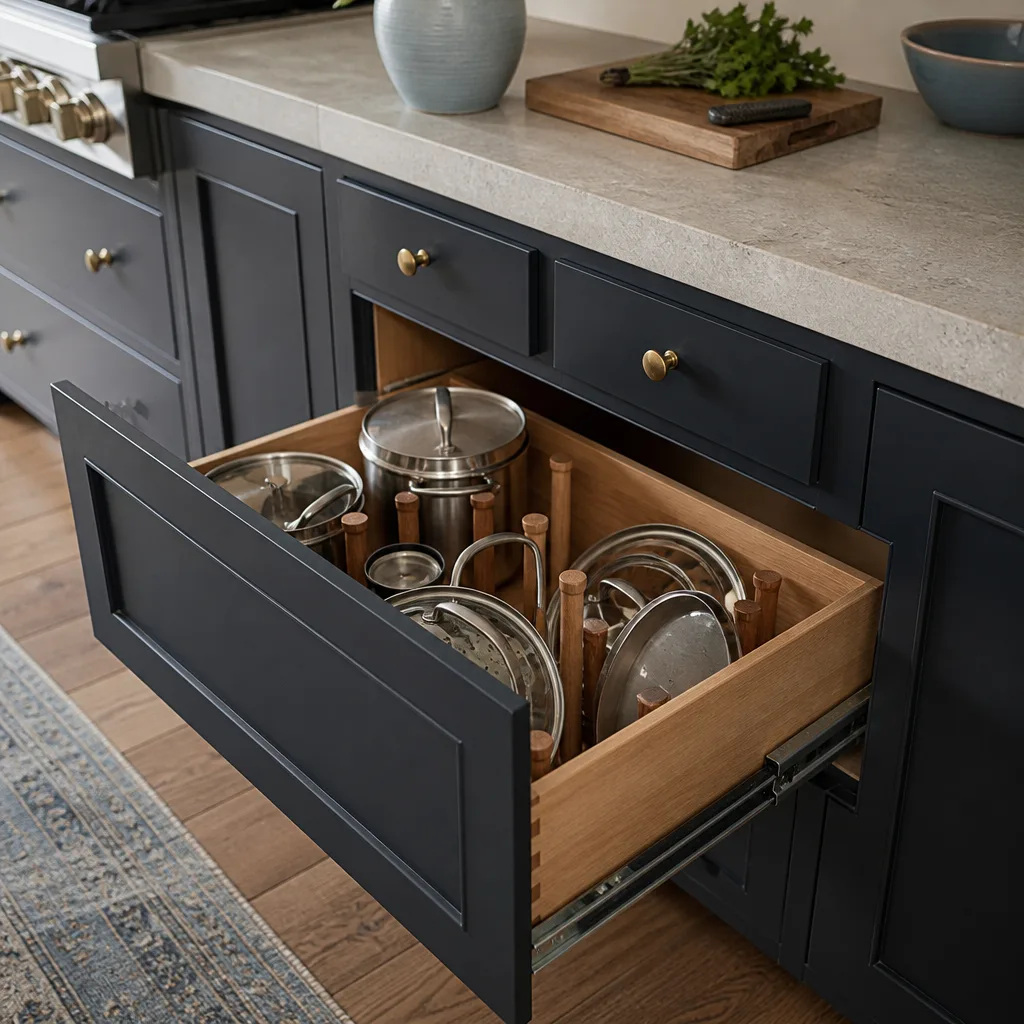
We stock the common finishing components and source structural components from the same suppliers and spec channels used in the original build. When a component has to be matched to an engineer’s drawing, we order it to spec. When it’s a door threshold, a flashing profile, or a stair tread, it’s usually on the truck or one day out. We also work with KraftMaid, Cambria, and Silestone materials on the finishing side, so the whole scope can be handled by one crew.
Written by Luca Romano, Owner & Lead Contractor, Sawyer Remodel Pasadena at Sawyer Remodel Pasadena, serving Pasadena and nearby areas.