Free written scope consultation - allowances, timeline, and change-order rules on paper before a single trade is scheduled
CWS Home Additions & ADU: The Pasadena Owner’s Guide
A complete CWS home addition or ADU project in Pasadena typically runs between $45,000 and $130,000, depending on square footage, foundation work, and the finishes you choose. We install and build these projects on a written, fixed-price basis, so the number you approve is the number you pay. Most homeowners realize they need help when their existing CWS space stops working the way it should, whether that means a foundation issue, water intrusion at the roofline tie-in, or a layout that no longer fits how the household actually lives.
If you’re reading this, chances are something in your CWS addition or ADU has failed, is failing, or never worked right from the start. Maybe it’s the connection between the original house and the addition. Maybe it’s the ADU’s electrical panel that trips when you run the heat and the washer at the same time. Or maybe you’ve priced enough patch jobs to know it’s time to do it properly once. We’ve worked on CWS structures throughout Pasadena, including plenty of older craftsman homes near Bungalow Heaven, and we know what holds up and what doesn’t in this climate.
Key takeaways:
- Installed home addition costs in Pasadena run $45,000 – $130,000; a freestanding ADU runs $90,000 – $220,000
- Written price before any work starts, no change orders without your sign-off
- We are an independent Pasadena contractor. We work on CWS structures regularly but are not affiliated with CWS
- 365-Day Done Right Promise: if it’s not done right, we make it right, in writing
Which CWS Models This Applies To
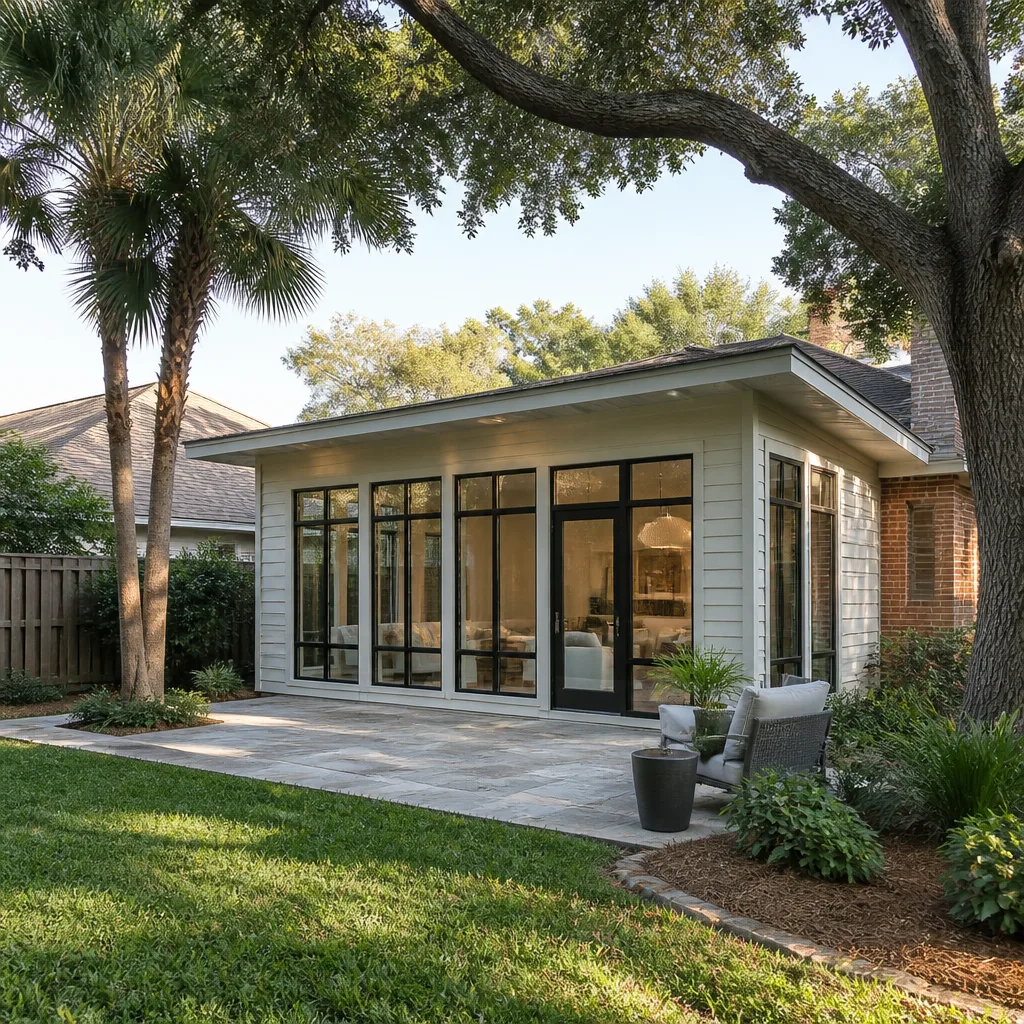
CWS built additions and ADUs across a range of configurations over the years, and the compatibility questions usually come down to how the original structure was framed and tied in. We frequently work on CWS projects that sit on raised foundations with wood-framed floor systems. That’s a very common setup in Pasadena, and it matters because the tie-in detail between the original house and the addition determines how the building moves through wet winters and dry summers. Southern California clay soil expands and contracts aggressively, and CWS structures with standard slab-on-grade additions often show cracks at the connection seam within the first five to seven years if the original soil prep wasn’t deep enough.
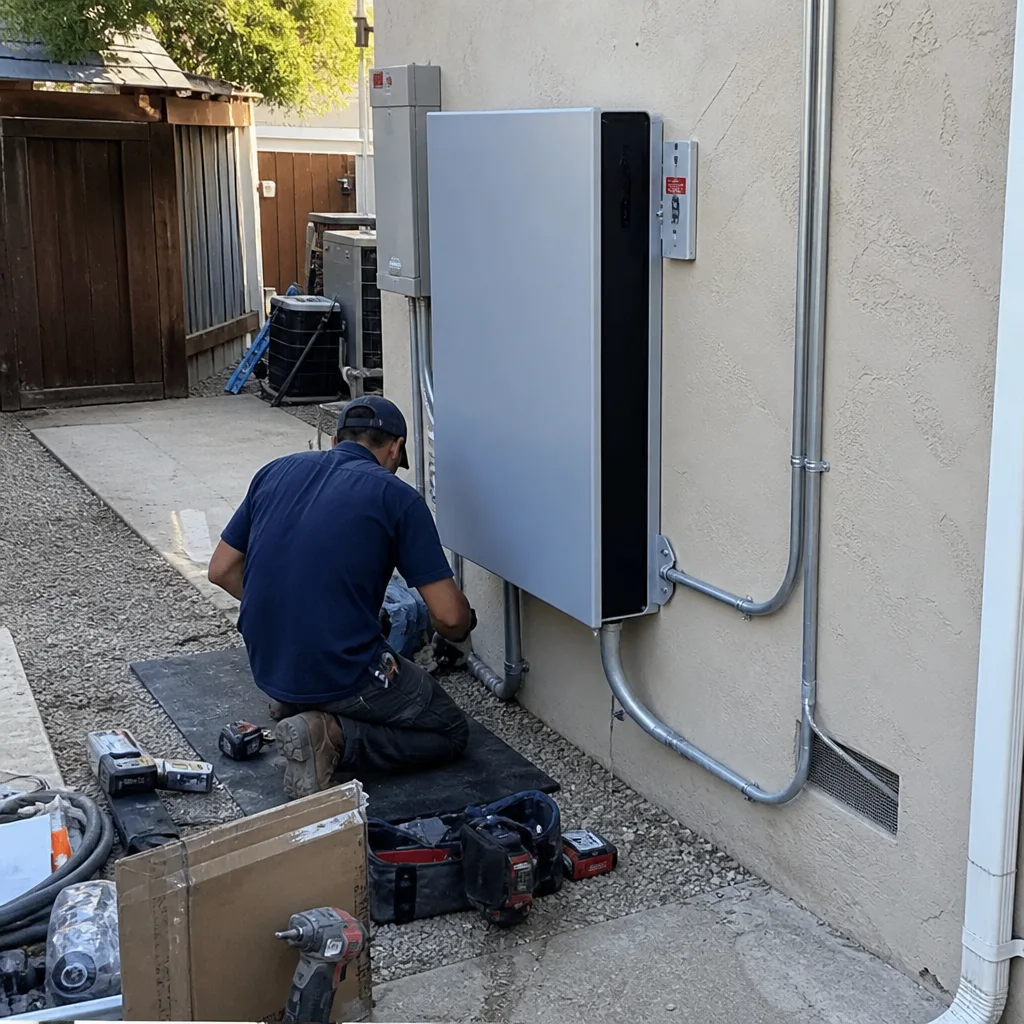
The structural or “part” side of a CWS addition or ADU isn’t a single replaceable component like a water heater or a garage door spring. It’s a system: foundation, framing, roof tie-in, flashing, waterproofing, insulation, and utilities. The parts that fail first are almost always the transitions. The flashing where the addition roof meets the original wall. The door threshold where the CWS addition meets the existing house and water pools during heavy rain. The electrical subpanel that was sized for 60 amps in 1998 and is now asked to run a mini-split, a washer, and EV charging. If you’re trying to identify what’s failing, look at the seam. That’s where the work tells you everything. You just have to know how to listen to it.
For replacement materials and finishes inside CWS spaces, you have options. We recommend OEM-equivalent or better rather than the cheapest aftermarket substitute. CWS structures from different eras used different window rough openings and interior door heights, so buying off-the-shelf replacements without measuring the actual opening will cost you time and money. In Pasadena, we also have specific Title 24 energy requirements for any new window, door, or HVAC component in an addition or ADU. Skipping that compliance gets expensive when you try to sell or permit your property later.
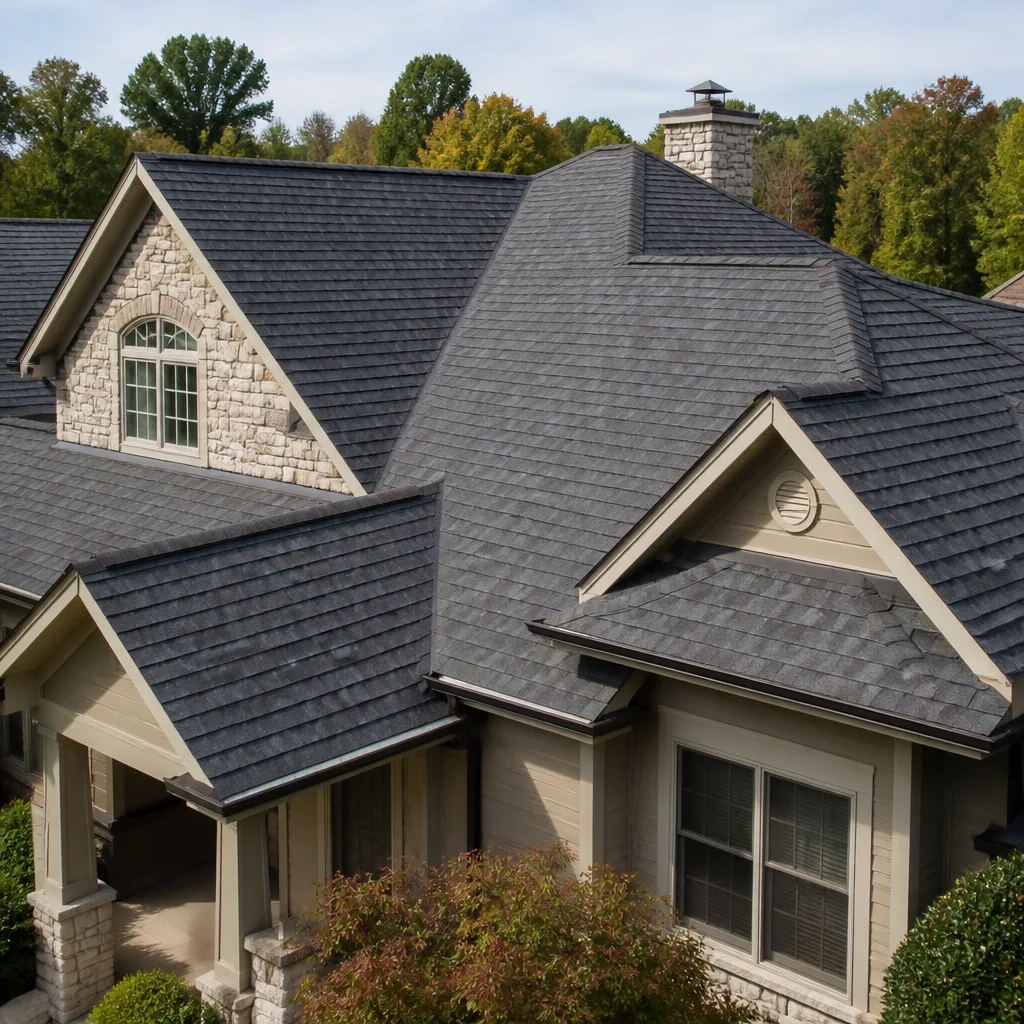
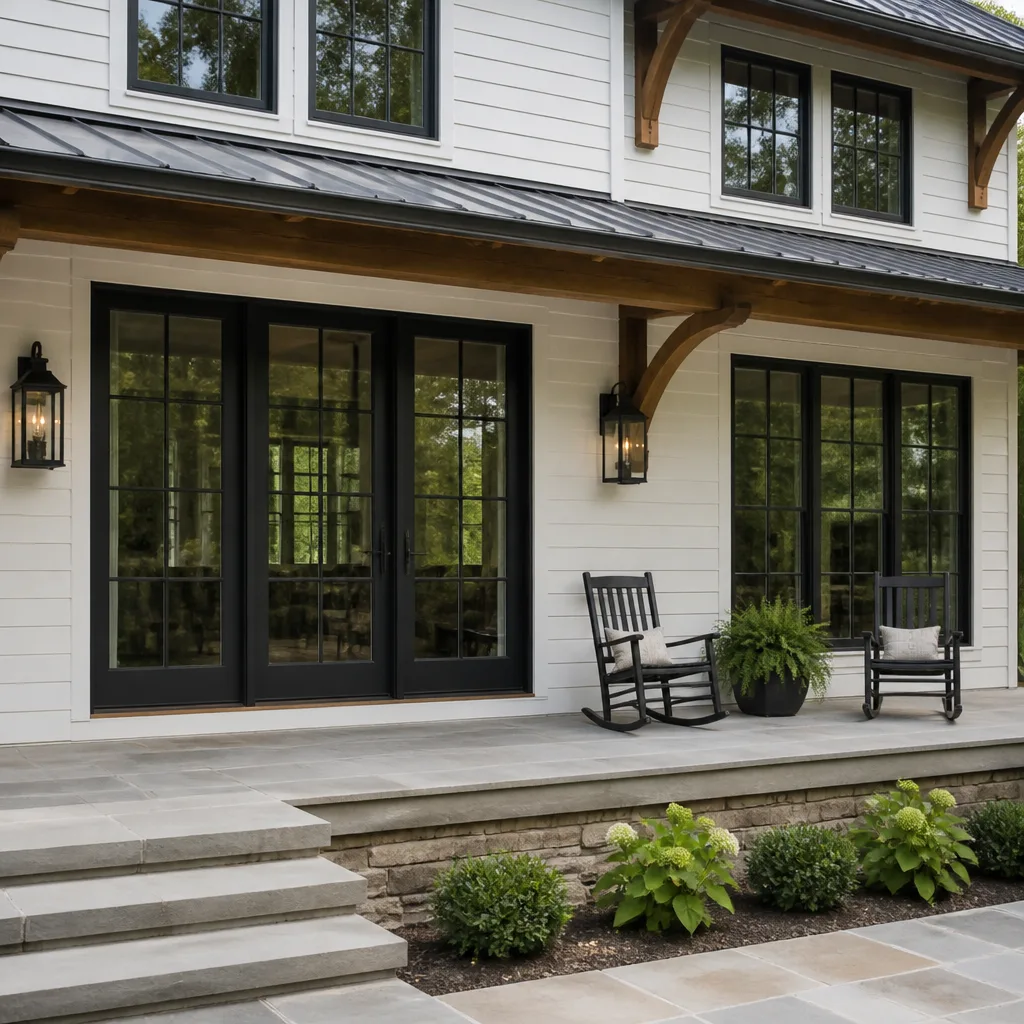
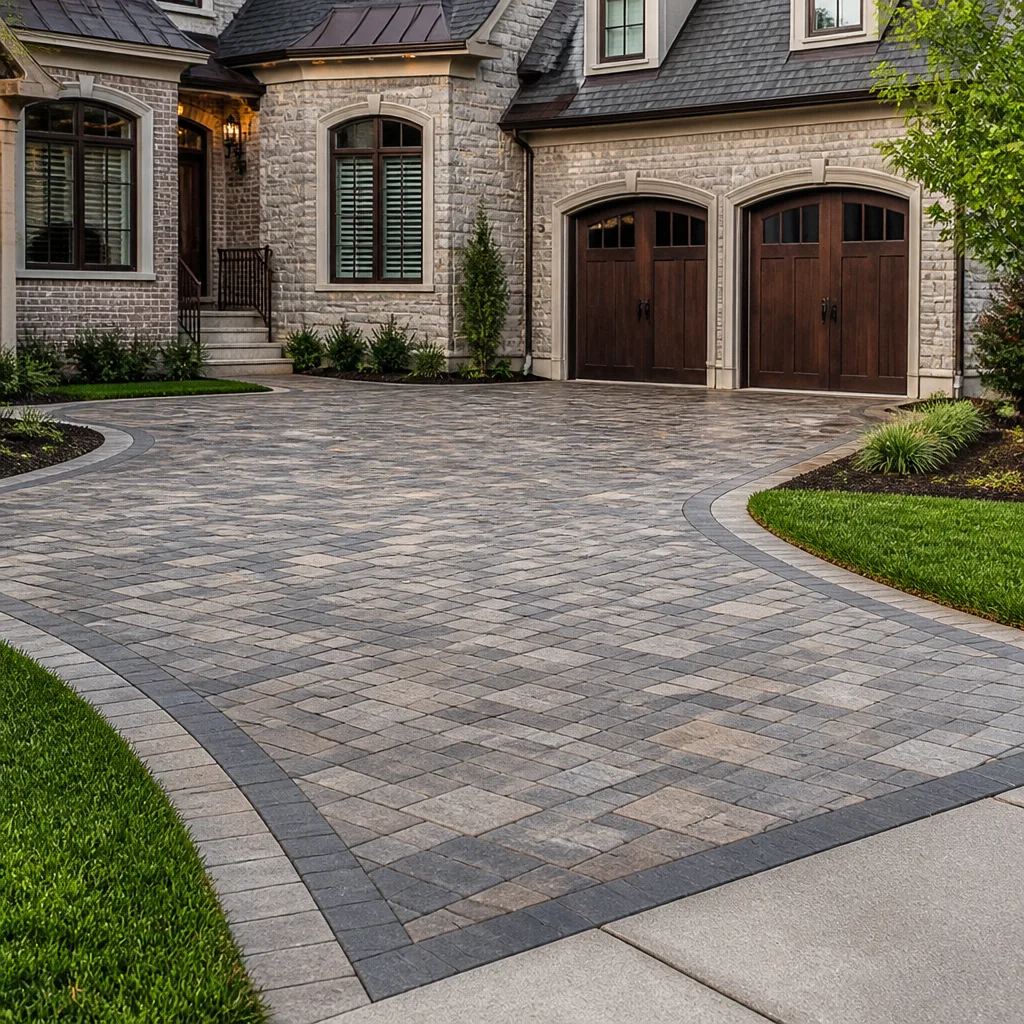
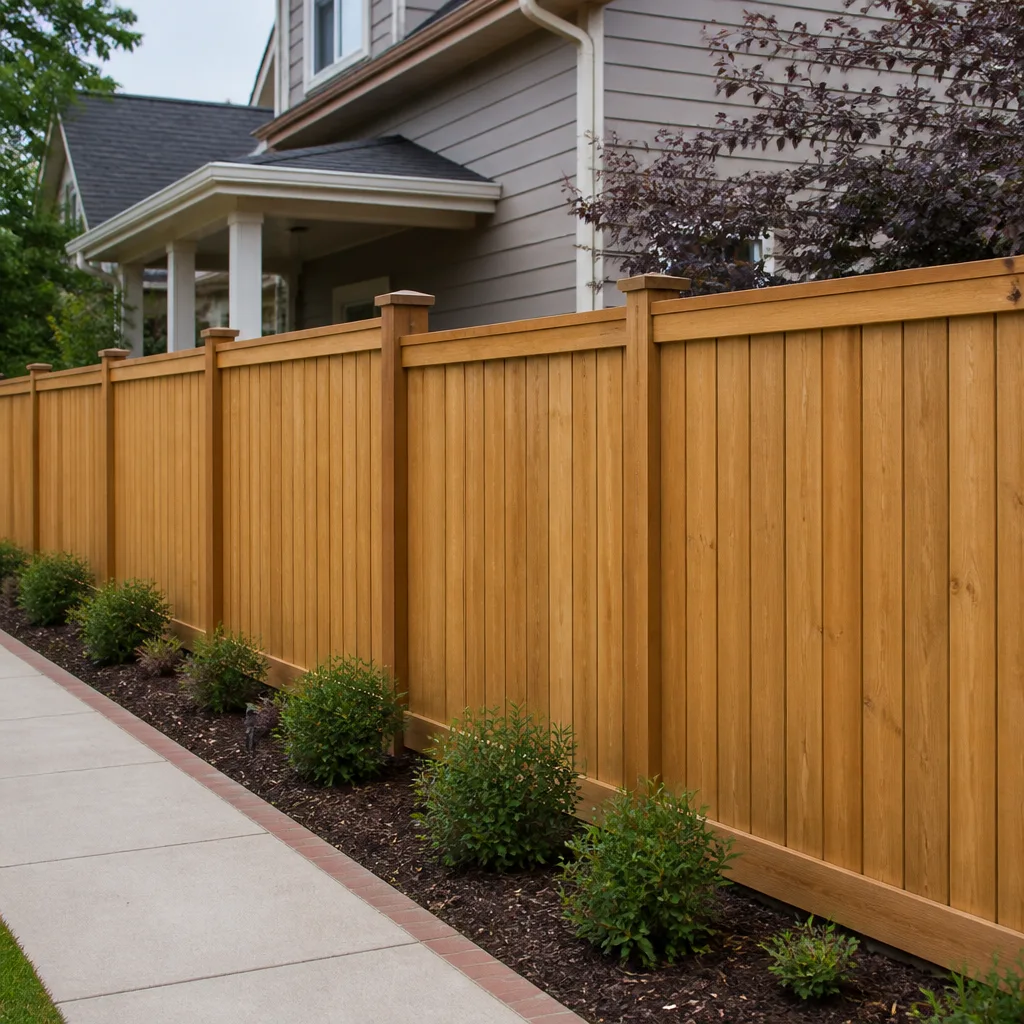
Styles & brands we work with
Signs Your CWS Home Additions & ADU Is Failing
- Seam cracking at the addition tie-in. This is the single most common failure we see in Pasadena. The clay soil moves, the two structures move at slightly different rates, and the seam between them opens up. Hairline cracks that appear seasonally are one thing. Cracks wider than a quarter-inch that don’t close in summer are a foundation-level problem that wants an engineer’s eye, not just caulk.
- Water staining or mold at the roofline transition. If the flashing between the CWS addition roof and the original house was installed with exposed fasteners or cheap sealant, it fails. Pasadena’s wet winters push water into the gap, and by the time you see the stain on the ceiling inside, the sheathing is already compromised.
- Doors and windows that stick or won’t latch. In an addition or ADU, this almost always points back to movement in the foundation or framing. A door that latched fine in spring and sticks by late summer is telling you the slab or footing has shifted. Address the cause, not just the hinge.
- Uneven floors or visible slope. Older CWS raised-floor additions sometimes have piers that settle independently. You’ll notice it as a low spot near the exterior wall or a slope you can feel when you walk across the room. This rarely fixes itself.
- Electrical tripping when multiple loads run. If your CWS ADU’s circuit breaker flips when the space heater and microwave run together, the subpanel was undersized for today’s loads. That’s the most common “part” that fails functionally, even though it’s not a part you can see.
See the difference
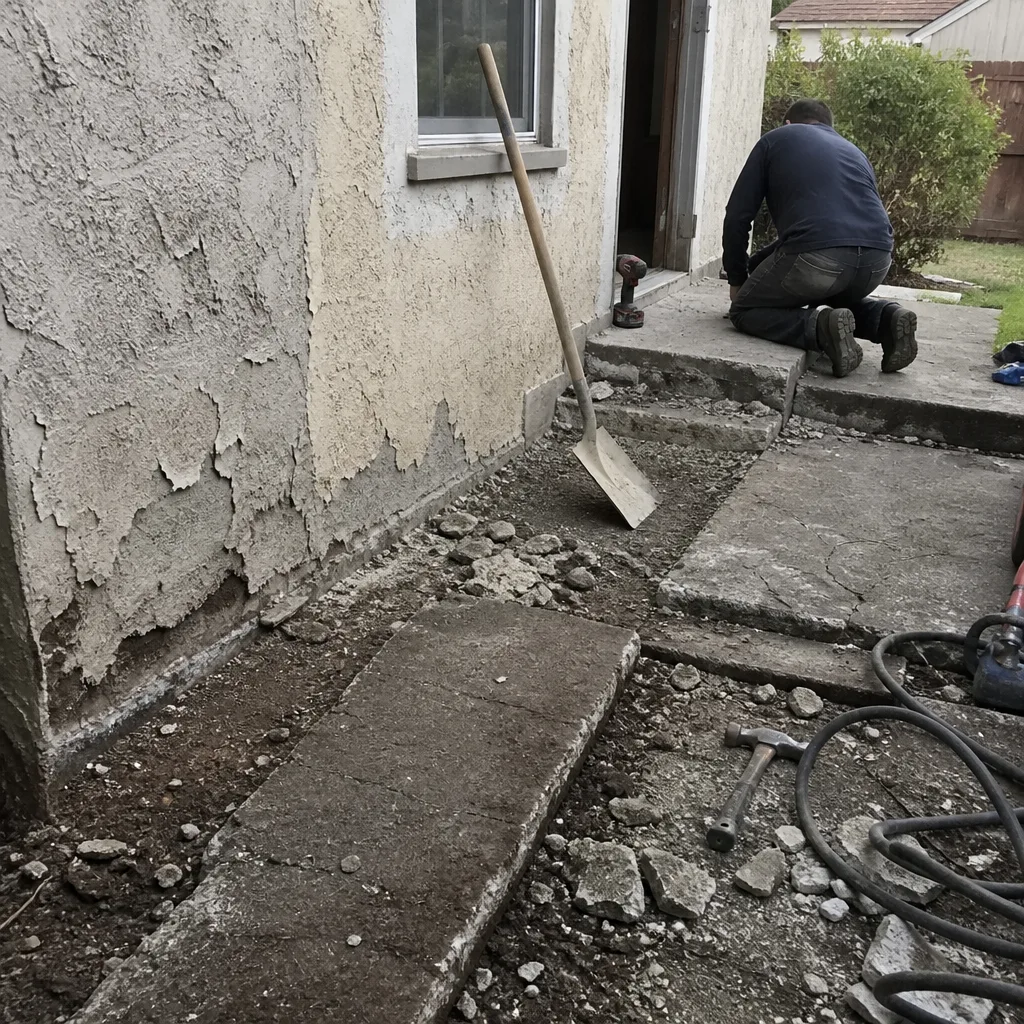 Before
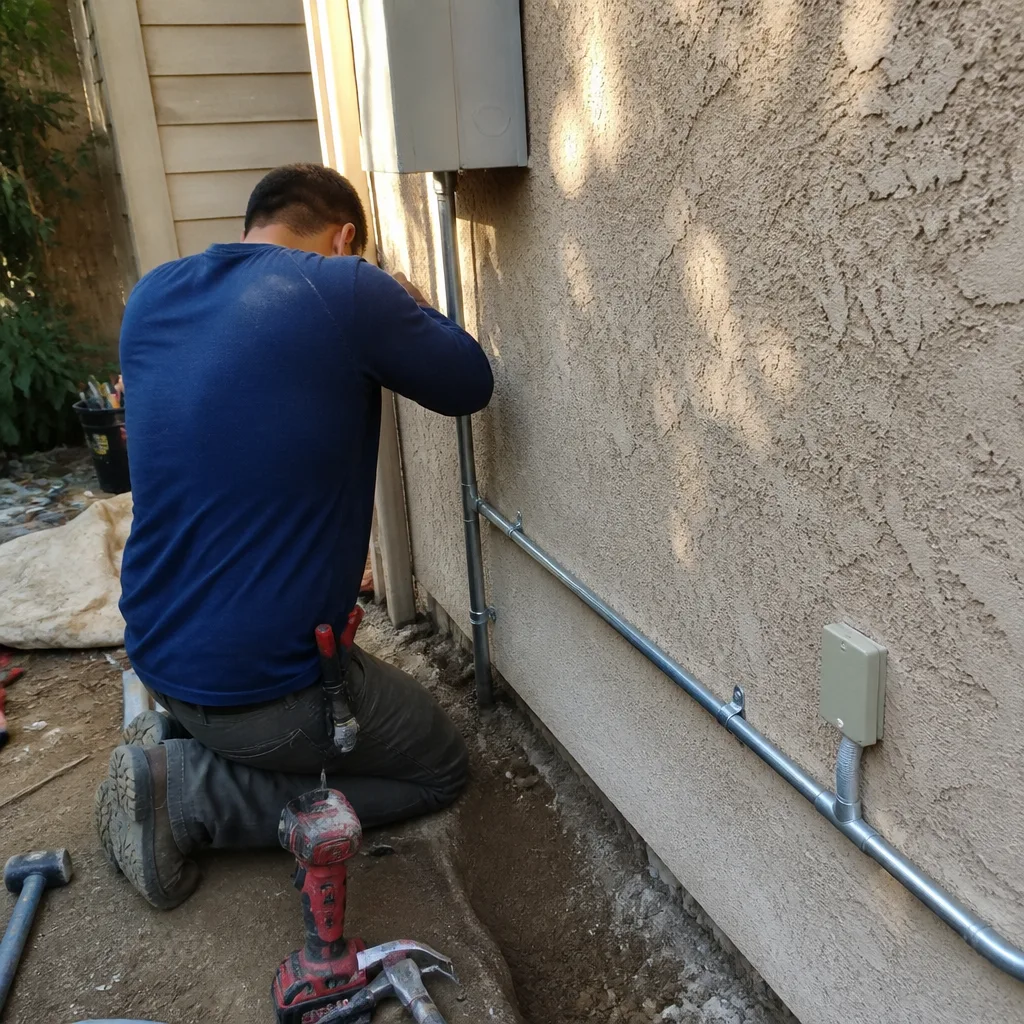 After
After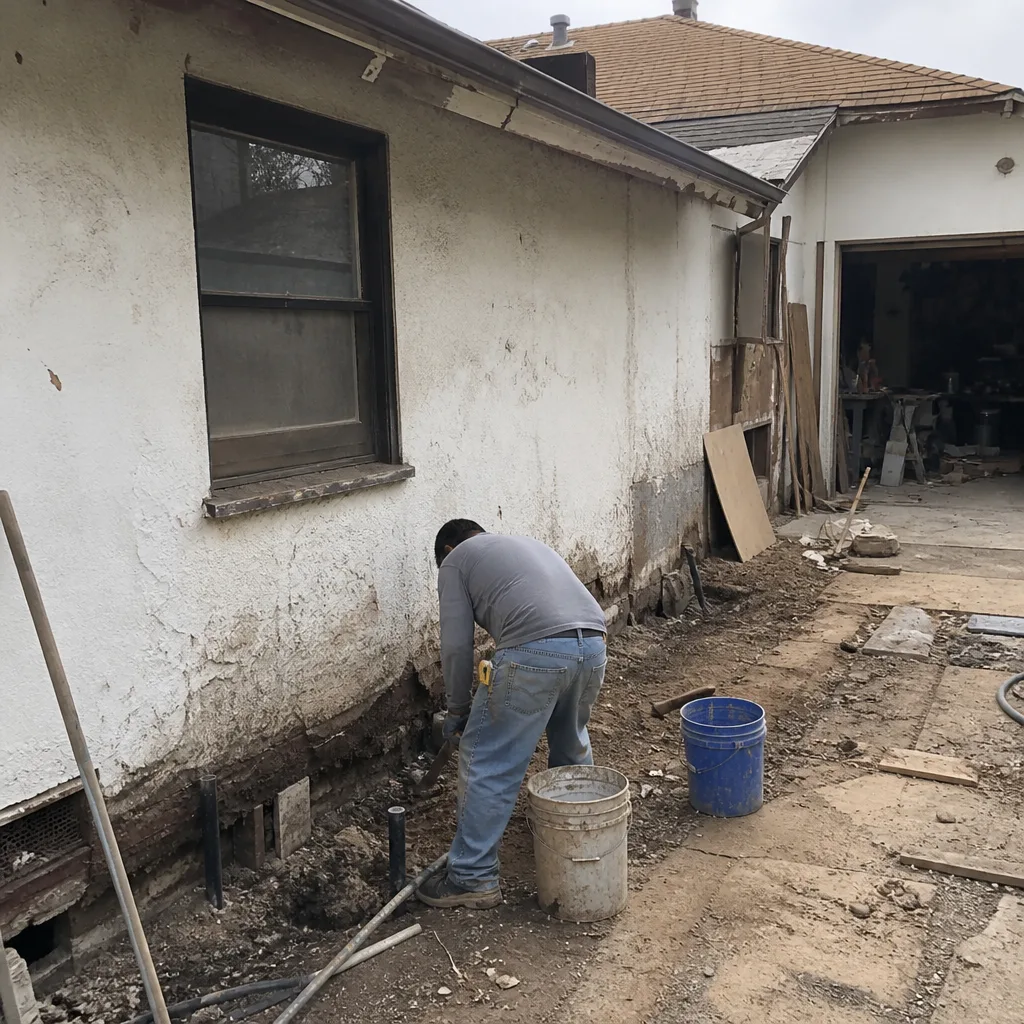 Before
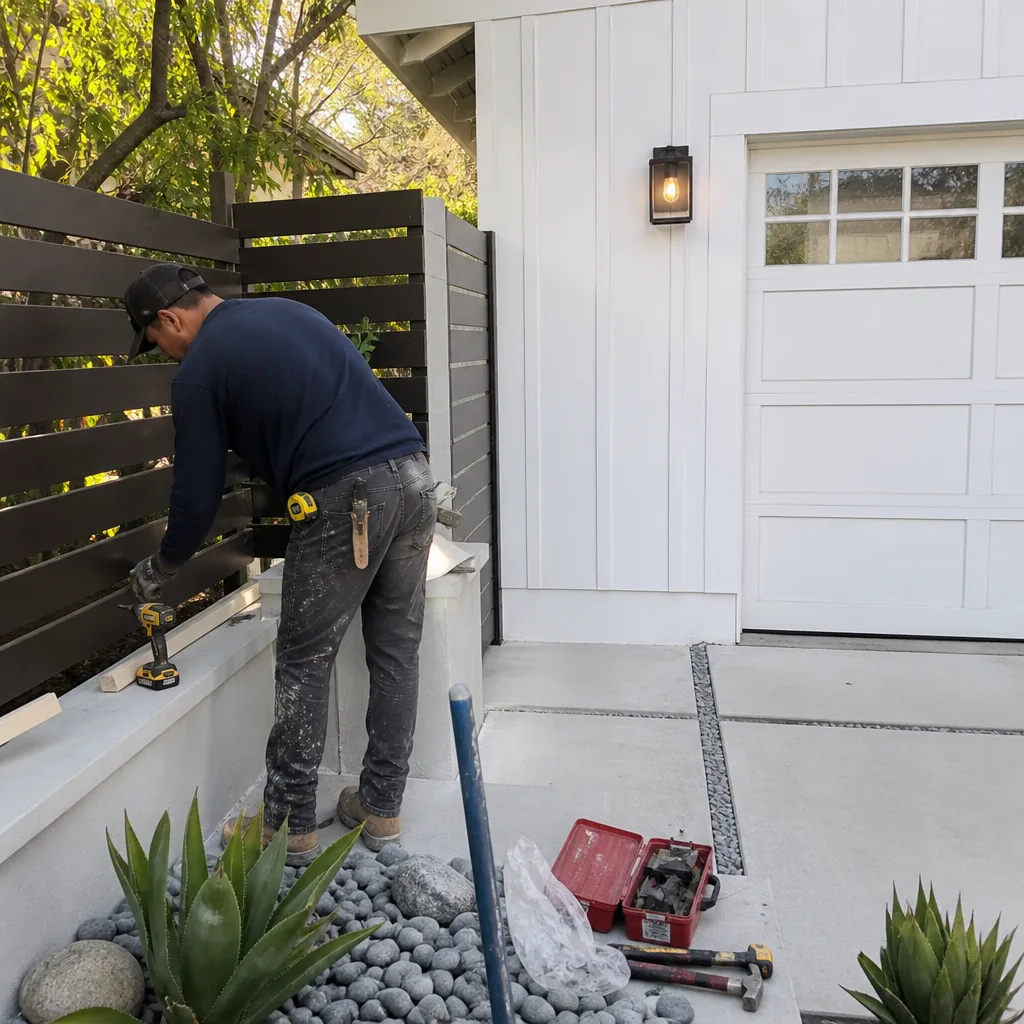 After
After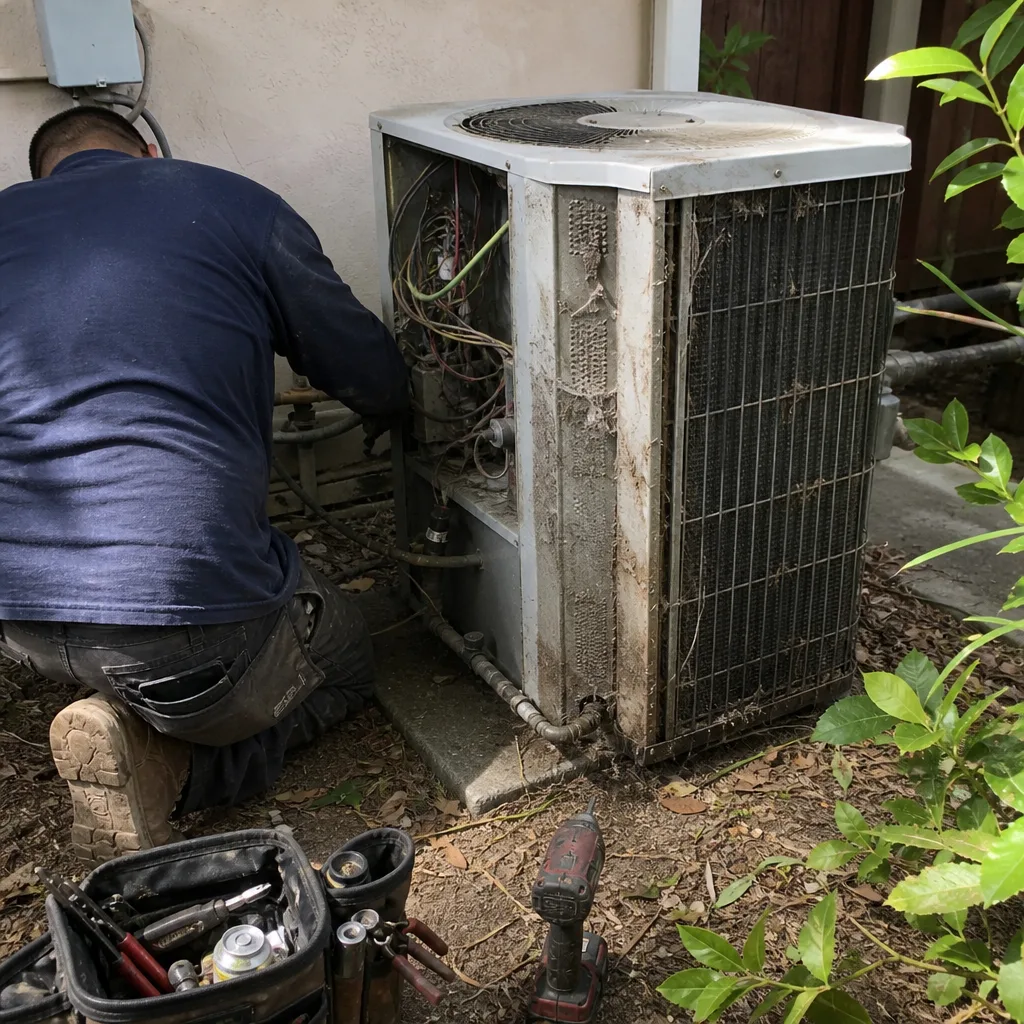 Before
 After
AfterReplacement Cost & What’s Included
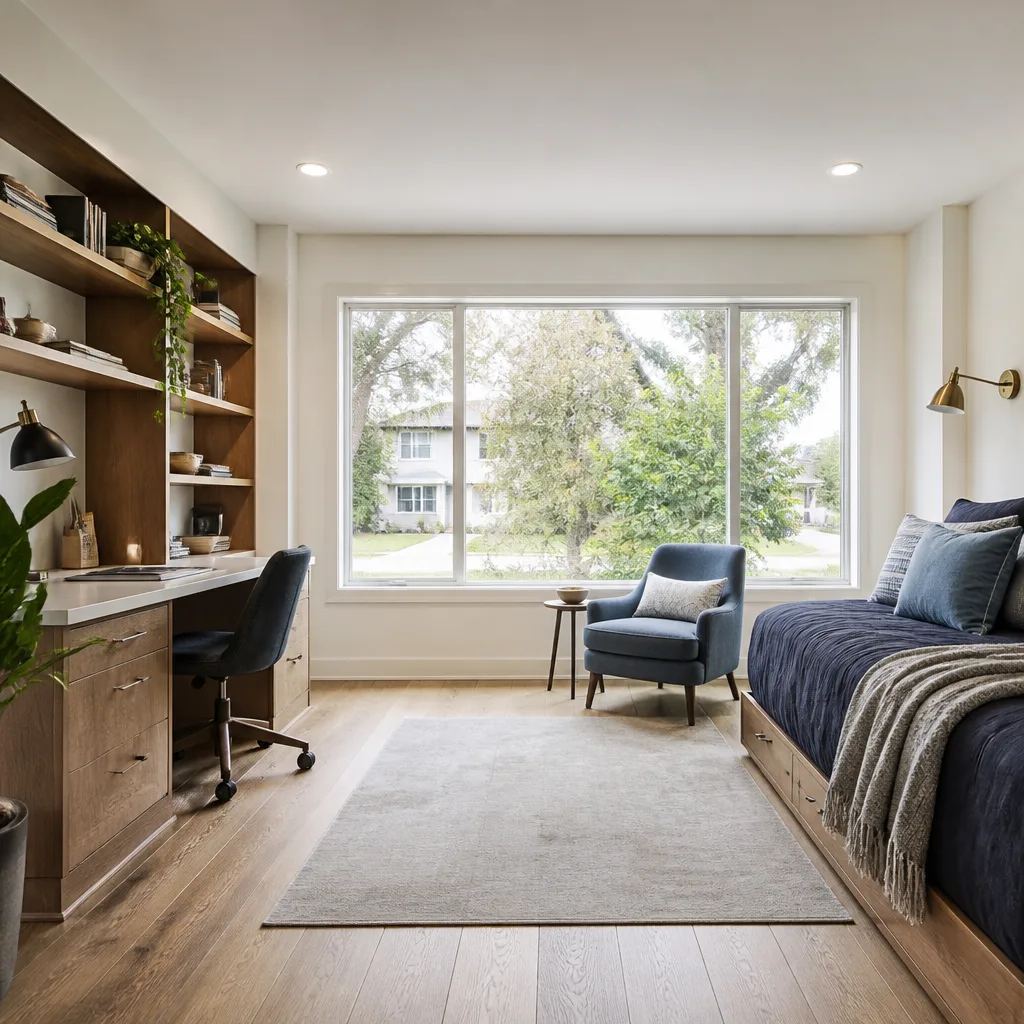
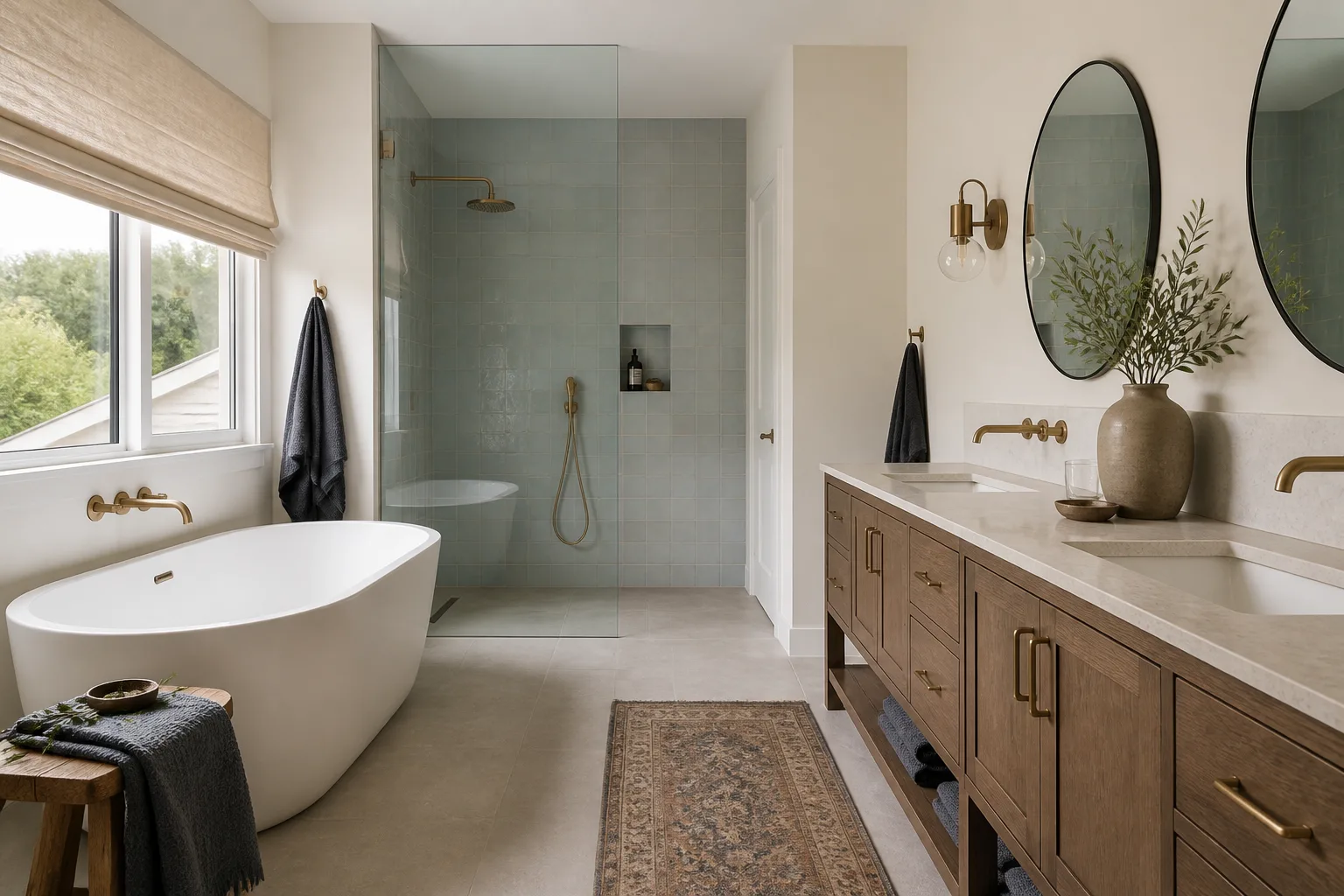
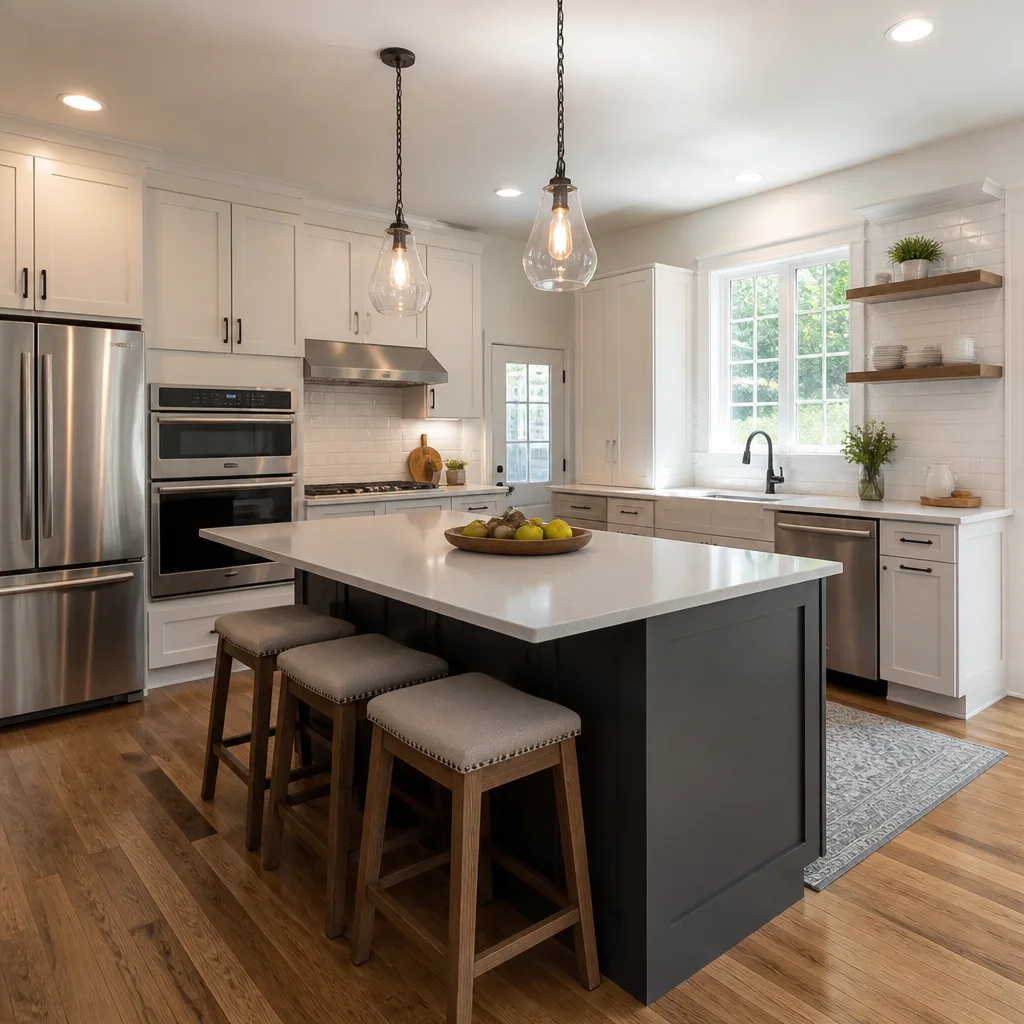
For a full CWS home addition in Pasadena, you’re looking at $45,000 to $130,000 installed. A freestanding ADU runs higher, typically $90,000 to $220,000, because it involves separate utility runs, its own foundation, and full kitchen and bath systems. Garage conversions sit in the middle at $30,000 to $80,000. The range is driven by square footage, whether you need foundation repair before we build, and the level of finish you choose. A builder-grade kitchen in the ADU keeps you at the lower end. Cambria or Caesarstone countertops, custom cabinetry, and higher-end fixtures move you up.
Every scope we write includes the parts, labor, permit coordination, and a written line-item price before we pick up a tool. The quote is the invoice. If something hidden comes up during demo, the change order is a separate document you approve before any additional work happens. No surprises at the end, no “we ran out of contingency” conversations. And the work is covered by our 365-Day Done Right Promise: if it’s not done right within the first year, we come back and make it right, in writing.
DIY or Call Us?
If you’re dealing with a cosmetic issue inside a CWS addition, like paint failure or a loose piece of trim, that’s a weekend project. If you’re dealing with a structural seam crack, a roofline leak, or electrical tripping, call a licensed contractor before you open anything up. Water damage hides behind drywall. Wiring mistakes in an ADU are a fire risk, not a learning opportunity. We’re direct about this because we’ve seen what happens when a confident homeowner opens a wall and finds a beam that was notched improperly twenty years ago. The work tells you everything, but you have to listen before you swing the hammer.
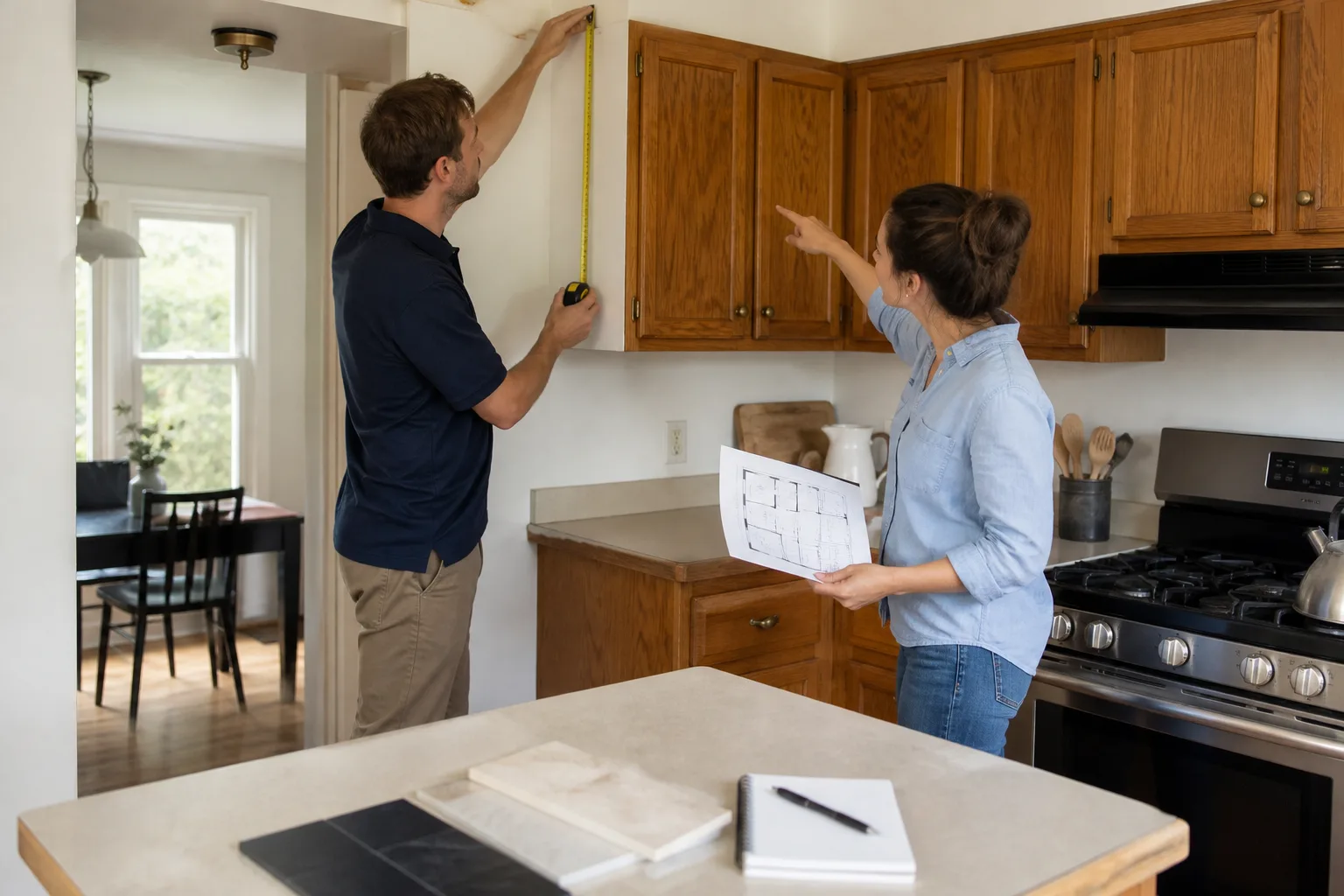
For anything beyond cosmetics, call us at (626) 657-5396. We’ll schedule a walkthrough in Pasadena, look at the actual condition of the tie-in, the foundation, and the utilities, and give you a written scope with honest numbers. Free estimate. No obligation. You’ll know exactly what you’re dealing with, even if you decide to wait on the work.
FAQs
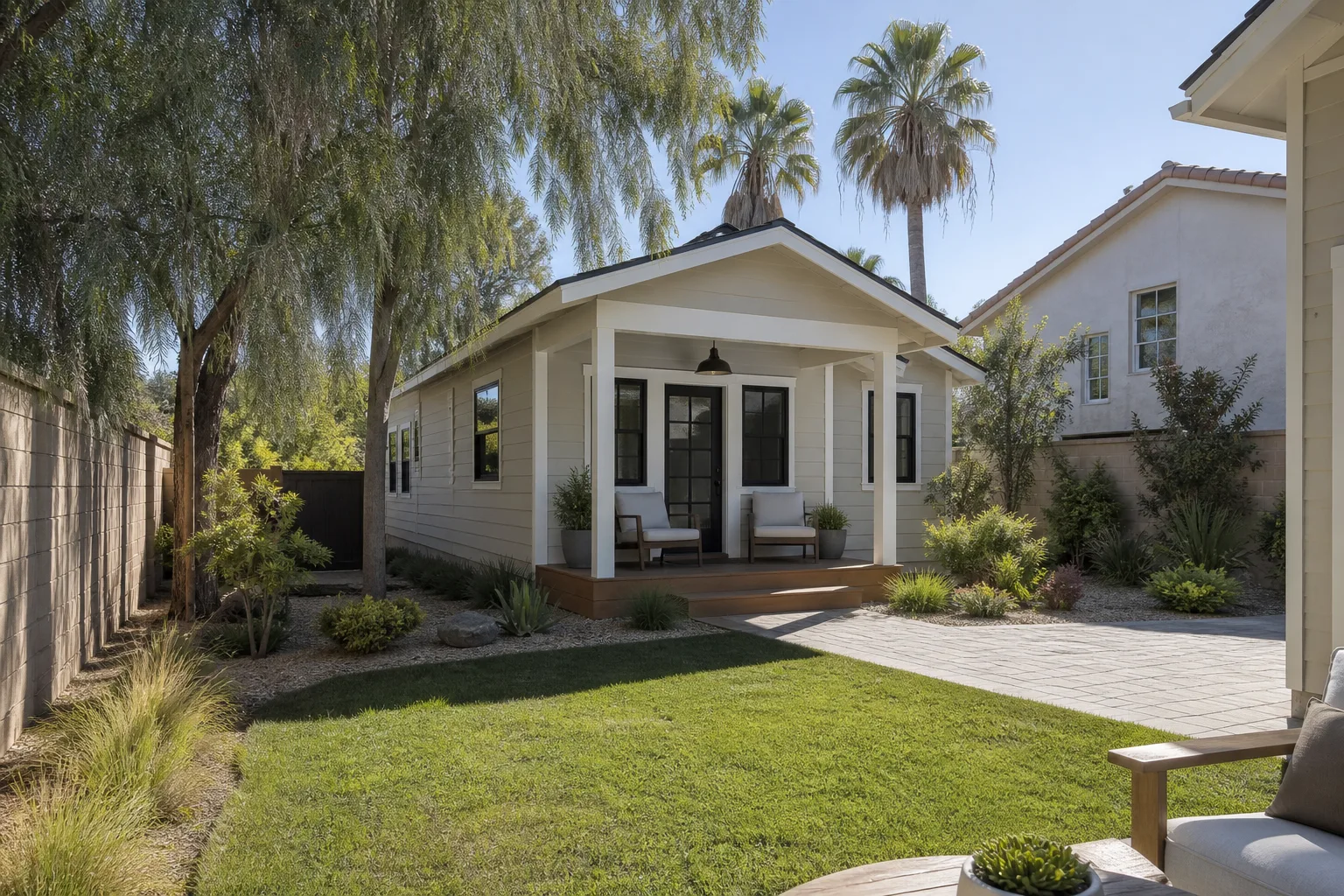
A well-built CWS addition in Pasadena should last 50-plus years structurally, but the transition components like flashing, sealants, and door thresholds typically need attention every 10 to 15 years. The real variable is soil movement. Homes on properly compacted soil with deep-enough footings hold up well. Homes where the original builder skimped on soil prep show problems within the first decade. Call us at (626) 657-5396 and we’ll tell you exactly what we see on your structure.
Most failing CWS additions can be repaired. We fix seam cracks with proper foundation remediation, replace flashing and waterproofing at the roofline, and re-level settled floors without tearing down the whole structure. Full replacement only makes sense when the original framing is rotted through or the foundation has failed in multiple zones. The estimate will tell you which you’re facing, and it’s free.
A garage conversion or small addition typically takes 8 to 12 weeks from demo to final inspection. A full custom ADU with foundation work and new utility lines usually runs 4 to 6 months. Permitting in Pasadena adds time to the front end, and we handle that coordination so you’re not chasing the city yourself. We give you a schedule in writing before work starts, and our Relay Visibility Guarantee means photo updates and live arrival times throughout the build.
We stock common flashing materials, sealants, framing hardware, and electrical components that cover the most frequent CWS transition failures. For model-specific items like old window systems or custom millwork that matches your original craftsman trim, we source to order from our supplier network, which includes KraftMaid, Cambria, and Silestone lines. We’ll confirm what’s in stock and what needs ordering before you commit to anything.
Written by Luca Romano, Owner & Lead Contractor, Sawyer Remodel Pasadena at Sawyer Remodel Pasadena, serving Pasadena and nearby areas.