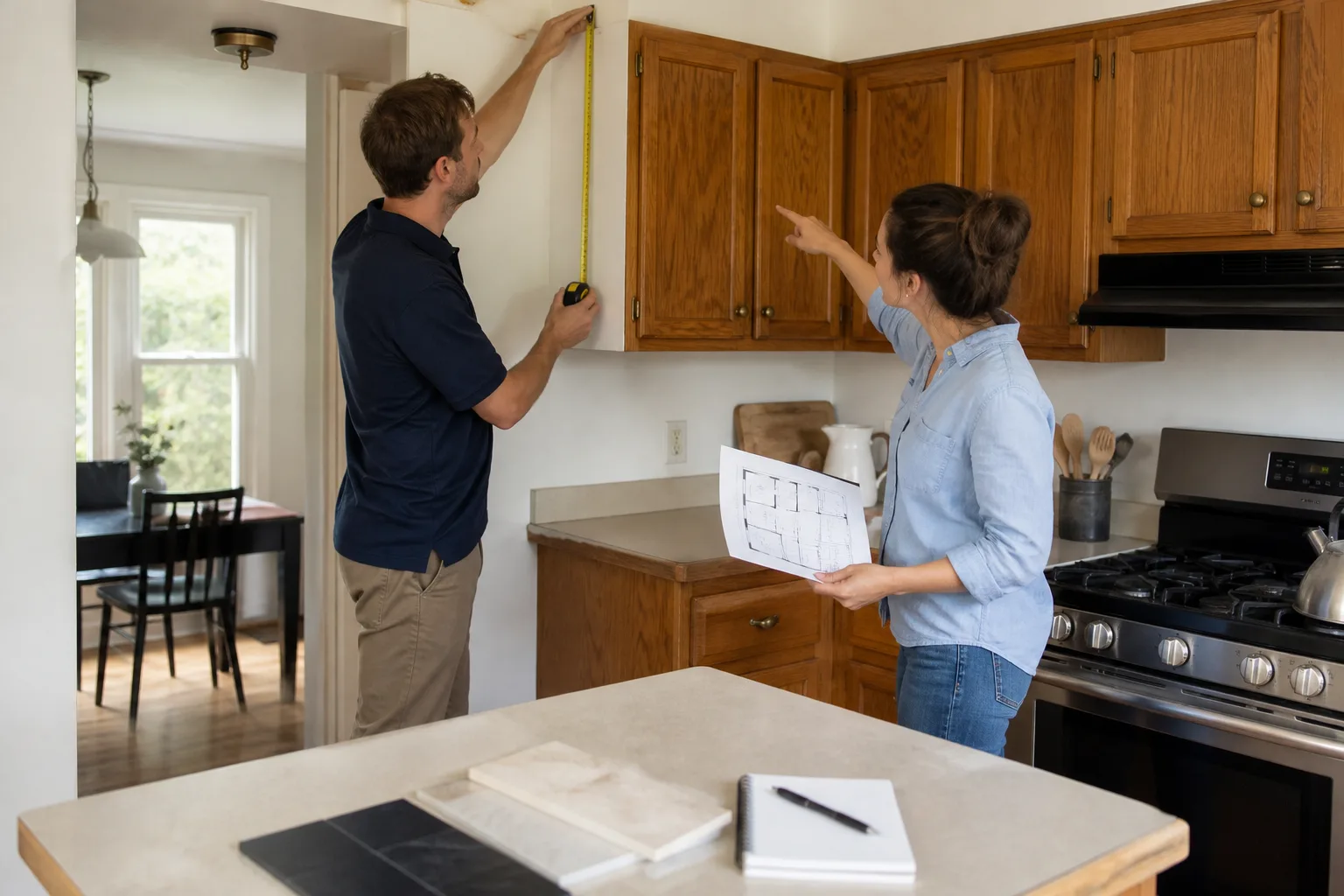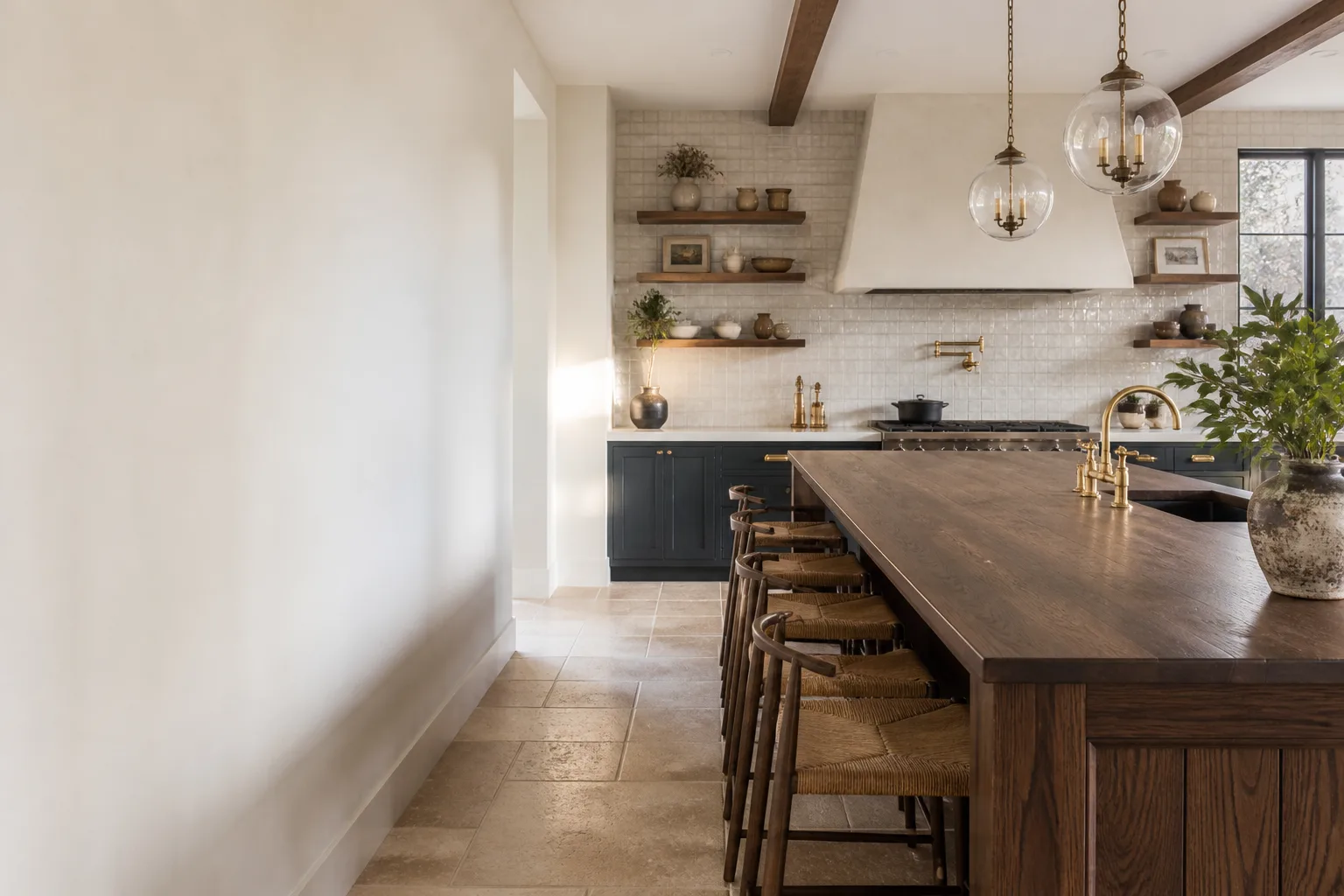
Free written scope consultation - allowances, timeline, and change-order rules on paper before a single trade is scheduled
CGI Kitchen Remodeling: The Pasadena Owner’s Guide
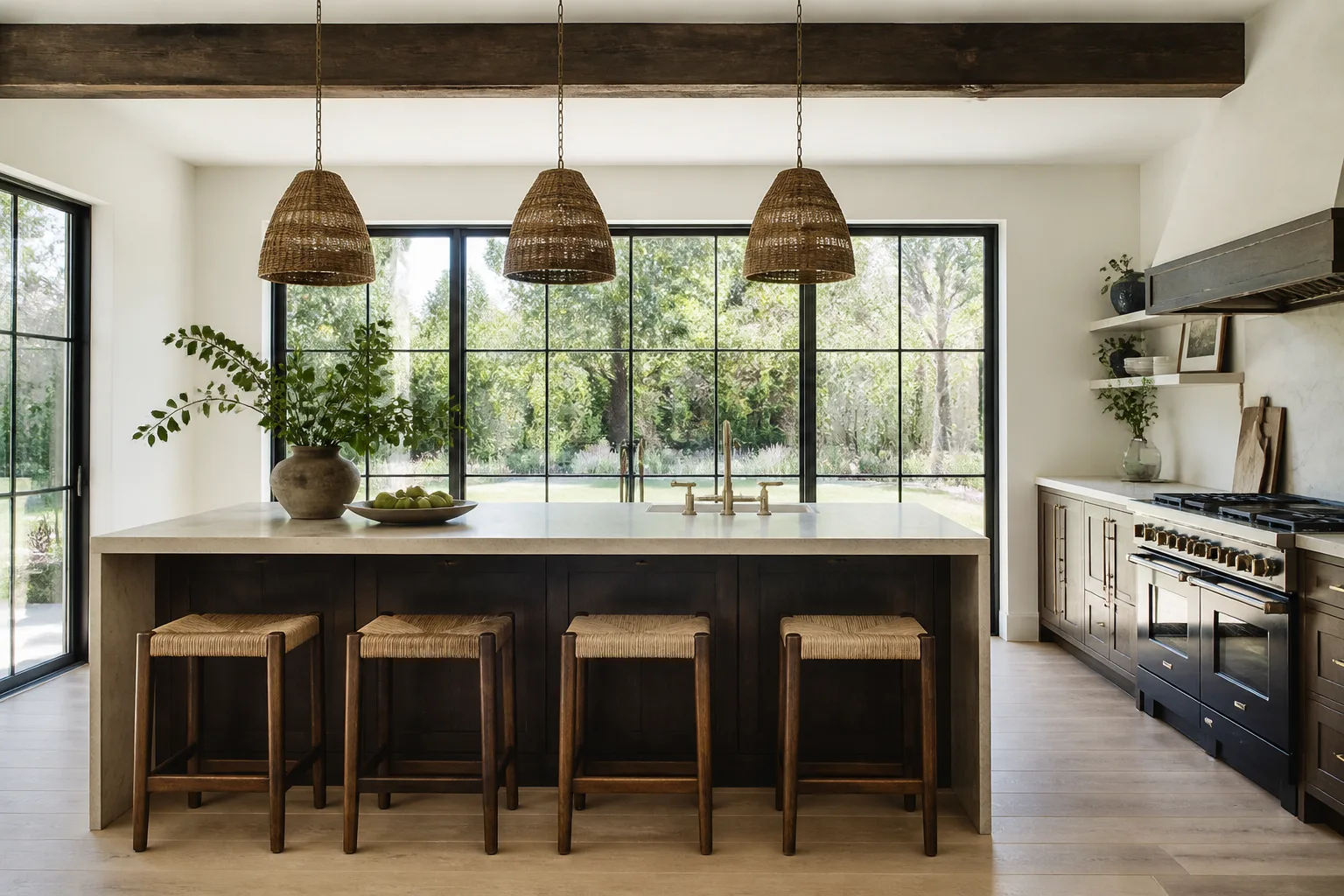
A full CGI kitchen remodel in Pasadena typically runs $14,000 to $45,000 installed, and most of that range comes down to cabinet line, countertop material, and whether you’re moving plumbing or keeping the existing footprint. We stock and install CGI-compatible cabinetry, trim, and hardware, and we’re usually on-site within a few days of your first call. If you’re landing on this page, you’re probably dealing with a specific failure: a drawer face that’s delaminating, a hinge that’s stripped out of the particleboard, a corner cabinet whose door no longer closes square, or a finish that’s worn through in a high-traffic spot near the sink. The good news is these are fixable without gutting the whole kitchen. The better news is you don’t have to guess which path to take.
We’re an independent remodeling contractor in Pasadena, not a CGI factory service center. That means we diagnose what’s actually failing and give you a straight answer on repair versus replace, without a brand agenda.
Which CGI Models This Applies To
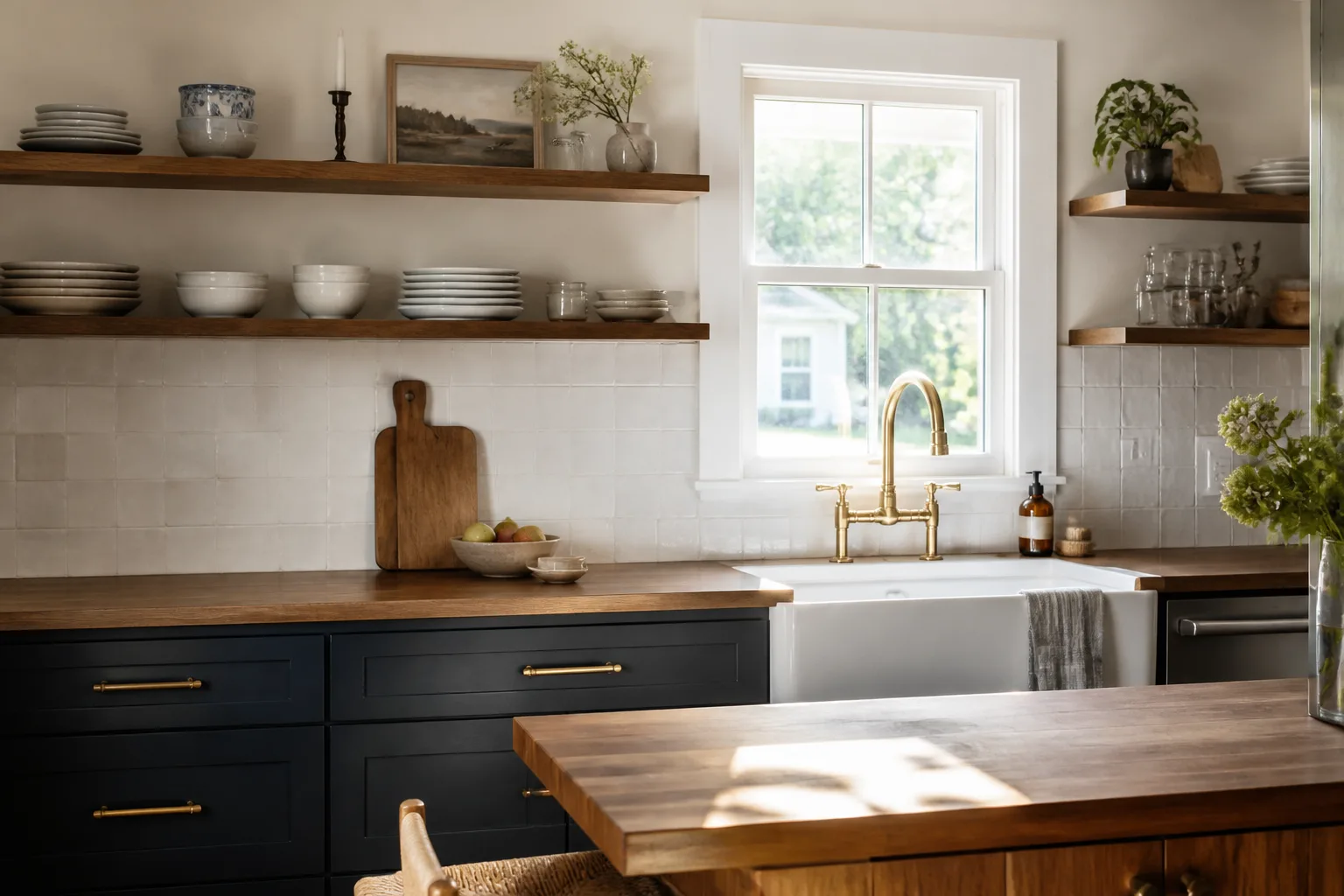
CGI cabinetry, also known as CGI Windows or CGI Kitchen & Bath in some product lines, shows up across a wide range of tract homes and condos built in the San Gabriel Valley from the early 2000s onward. The most common lines we work on in Pasadena are the framed overlay and full-overlay cabinet series with 1/2-inch or 5/8-inch doors, typically maple or birch with a thermofoil or painted finish. Where owners run into trouble is assuming all CGI doors are interchangeable. They’re not. Hinge boring patterns changed across production years, and a door from a 2012 line won’t always mount cleanly on a 2006 box, even if the measurements look identical.
The fastest way to identify what you have: open a cabinet door and look at the hinge cup. CGI used a 35mm cup on most full-overlay lines and a 26mm cup on some older framed models. The manufacturer’s label, when present, is usually a small white sticker on the inside of the sink base cabinet or on the back of a drawer box. If you can’t find a label, take a photo of the hinge and the drawer front profile and send it over. Luca Romano can usually identify the series from a photo in under a minute.
On OEM versus aftermarket: for hinges and drawer glides, quality aftermarket hardware from Blum or Salice often outlasts the original CGI-spec parts, and we’ll recommend that swap when it makes sense. For door and drawer fronts, you want a matched replacement or a full refacing, not a random color-close box store door. Finish matching matters more in a Pasadena kitchen with warm afternoon light coming through west-facing windows, where a slightly-off white shows up fast.
Styles & brands we work with
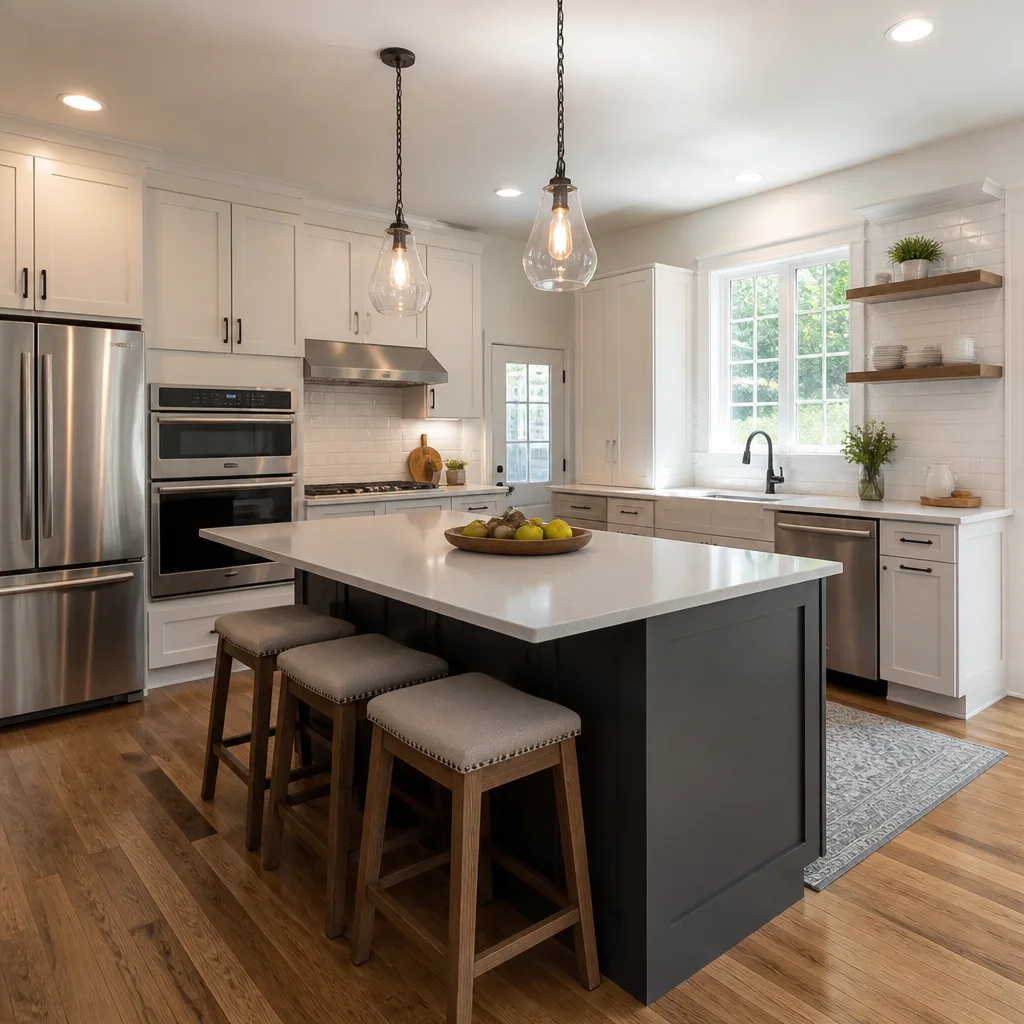
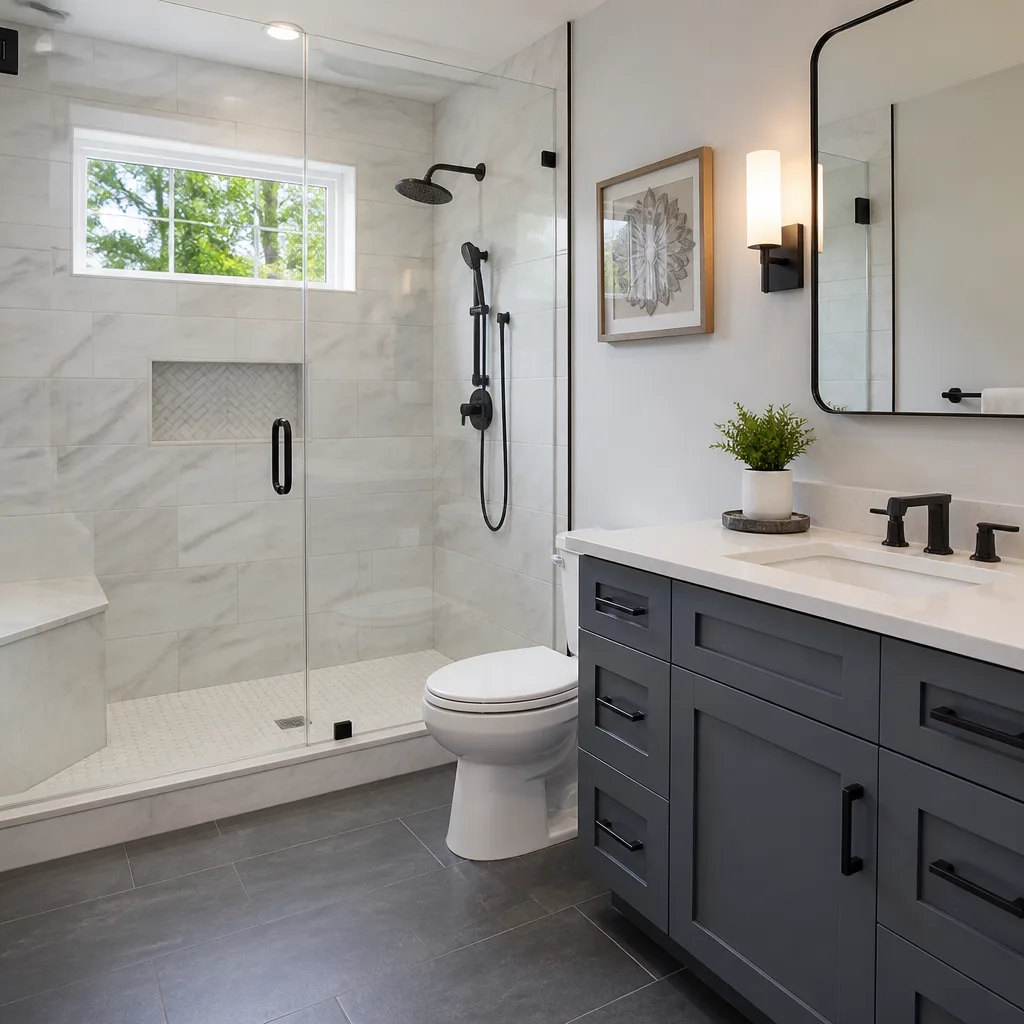
Signs Your CGI Kitchen Remodeling Is Failing
- Drawer fronts pulling away from the box. This is usually the staple-and-glue joint failing, common on older CGI drawer construction. Once the bottom of the drawer front separates, the drawer binds and the face eventually cracks along the fastener line.
- Doors that won’t close square or sag at the corner. The hinge plate screws have stripped out of the particleboard side panel, or the hinge itself has worn its pivot. Tightening the screw rarely works for more than a week because the board underneath is spent.
- Thermofoil peeling or bubbling near the dishwasher or range. Heat and steam cycles break down the adhesive under the vinyl layer. We see this on lower-cabinet doors near dishwashers and on upper doors above toasters and coffee makers in Pasadena kitchens of every era.
- Soft-close doors or drawers slamming hard. The damper in the hinge or slide has blown out. CGI used basic soft-close hardware in many lines, and once the damper leaks its internal fluid, the soft-close is dead. You can’t recharge it.
- Cabinet boxes soaking up water at the toe kick. A slow sink leak or dishwasher drip that goes unnoticed eats the particleboard toe kick from the bottom up. By the time you see swelling on the outside, the structural corner gussets inside the box are already compromised.
See the difference
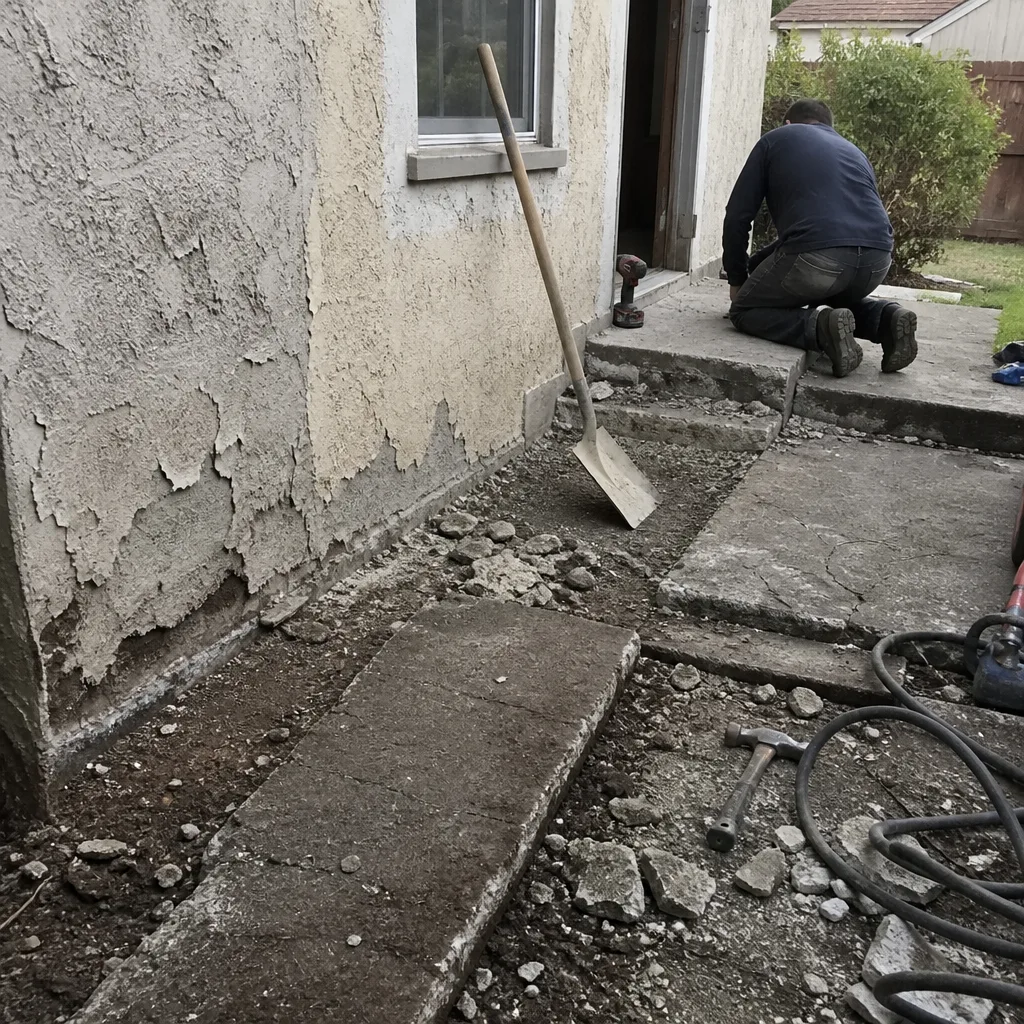 Before
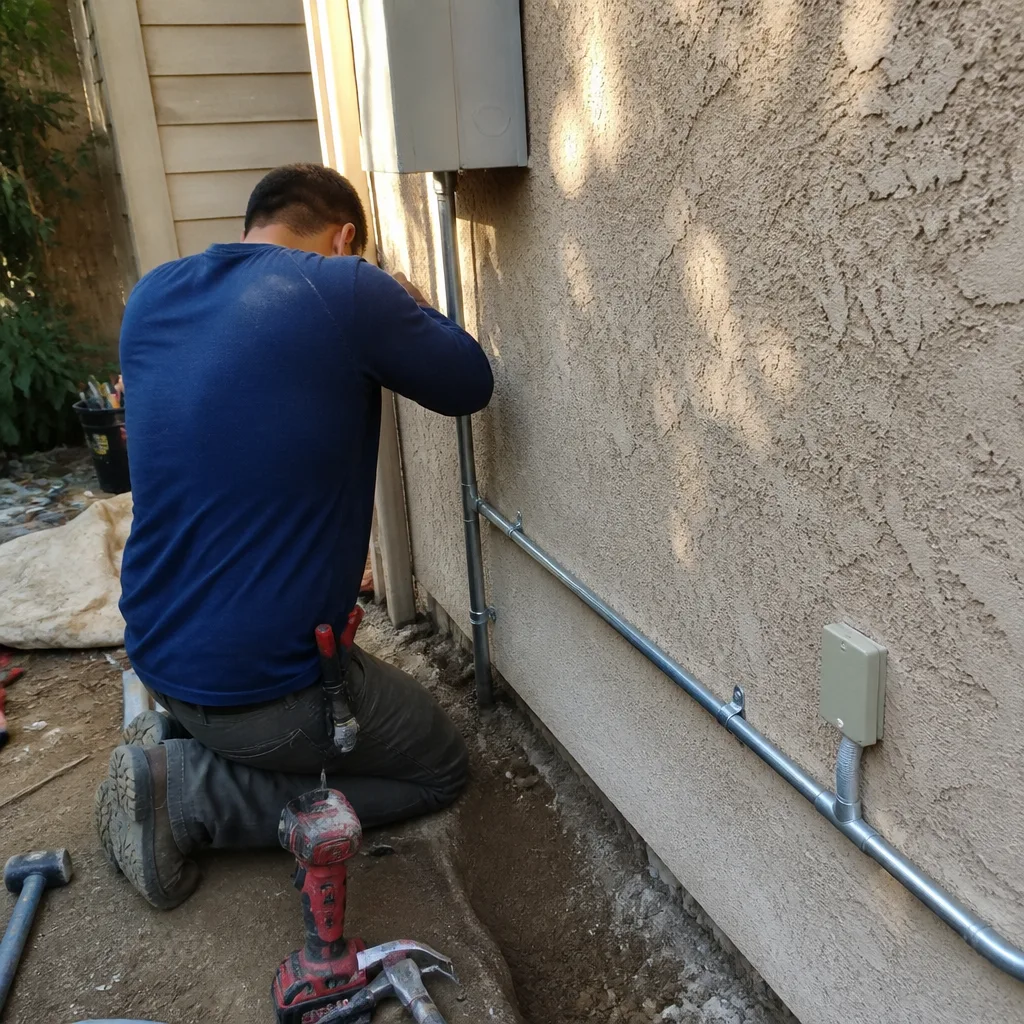 After
After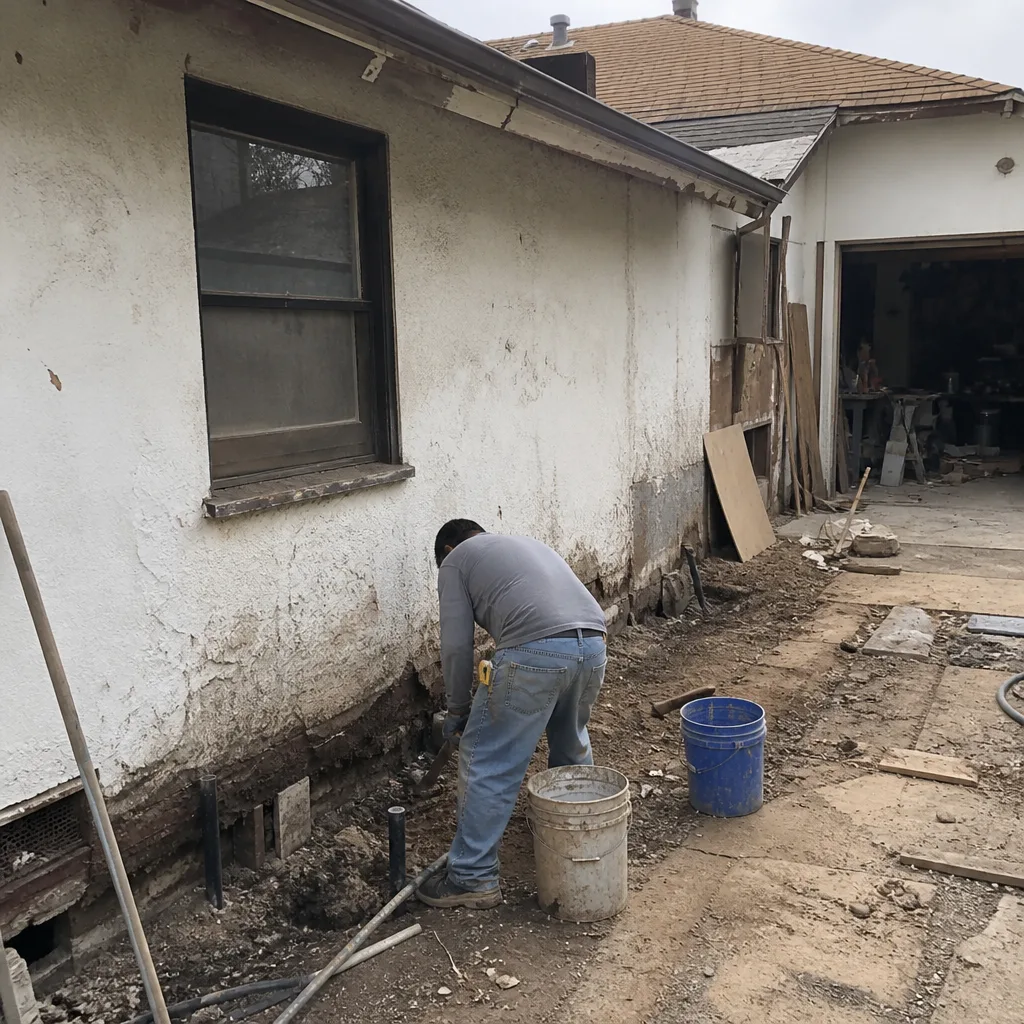 Before
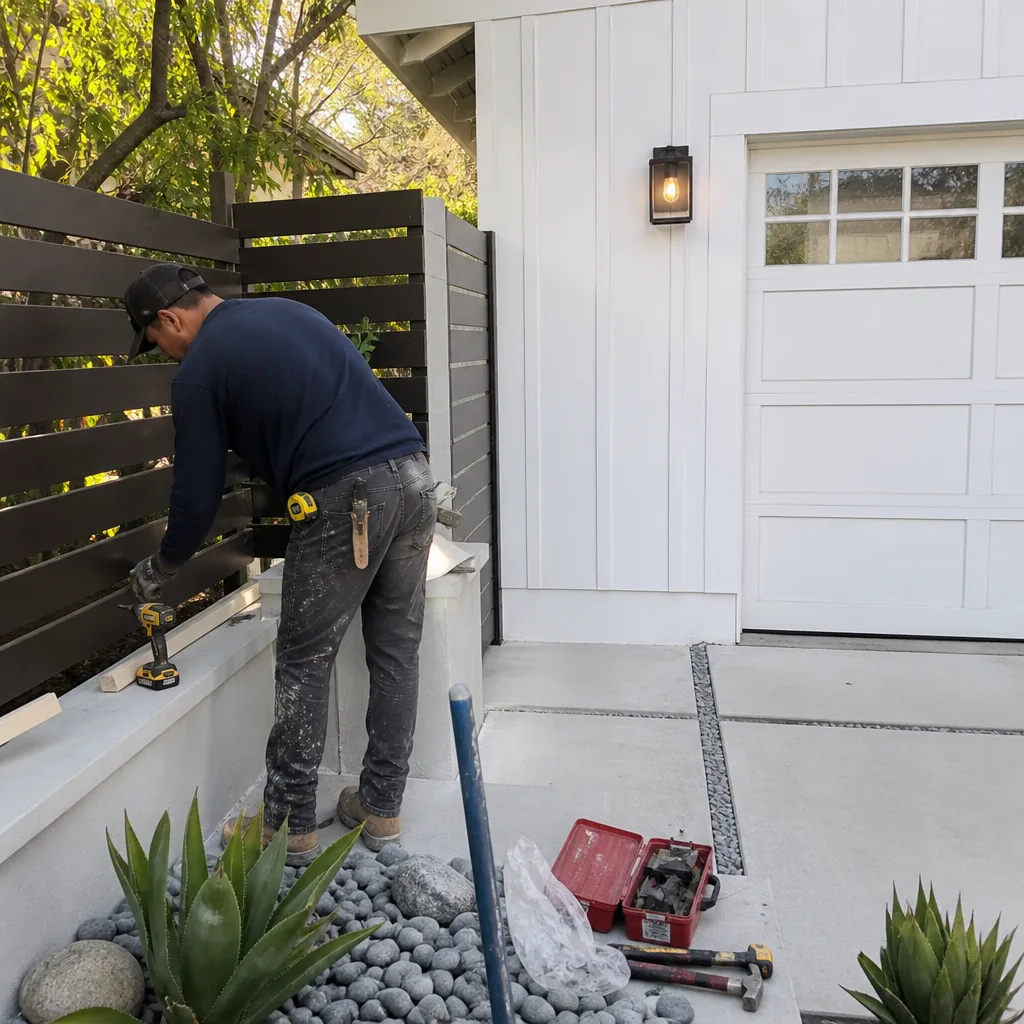 After
After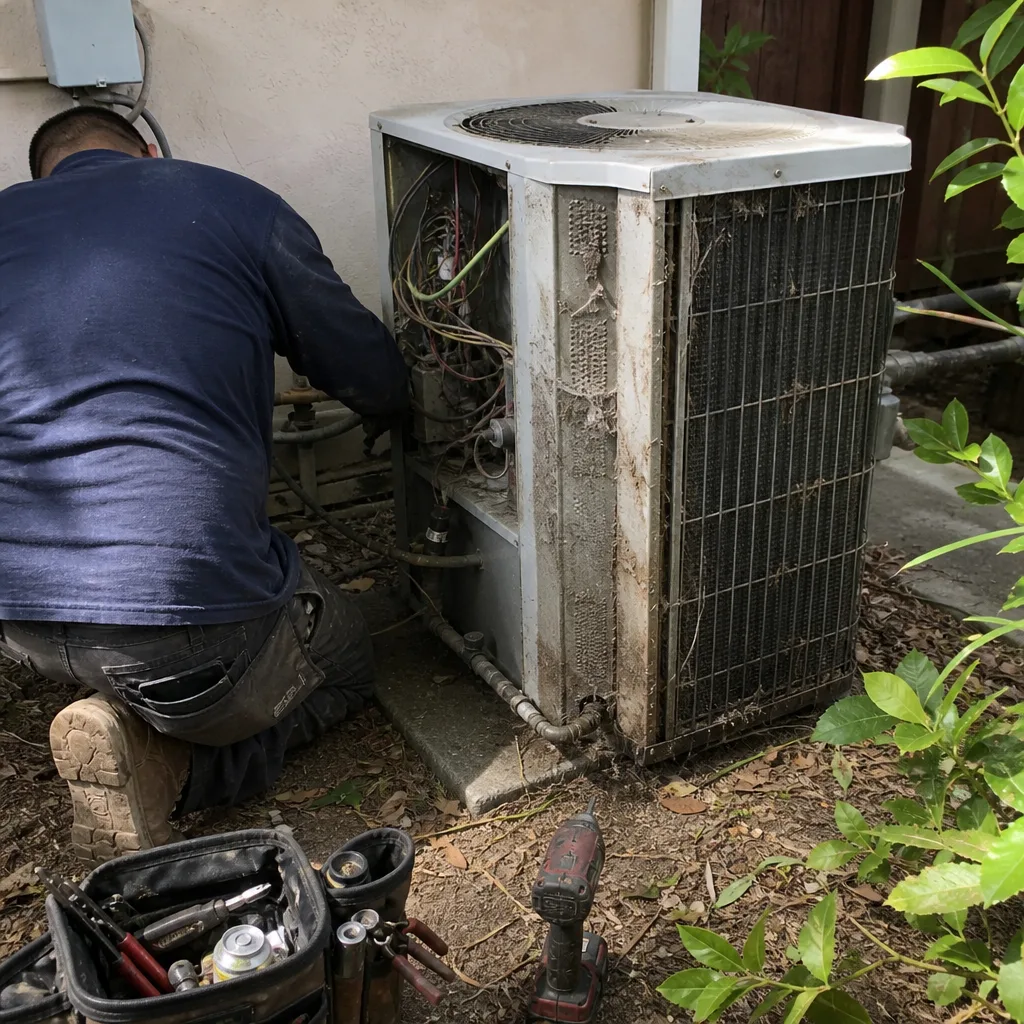 Before
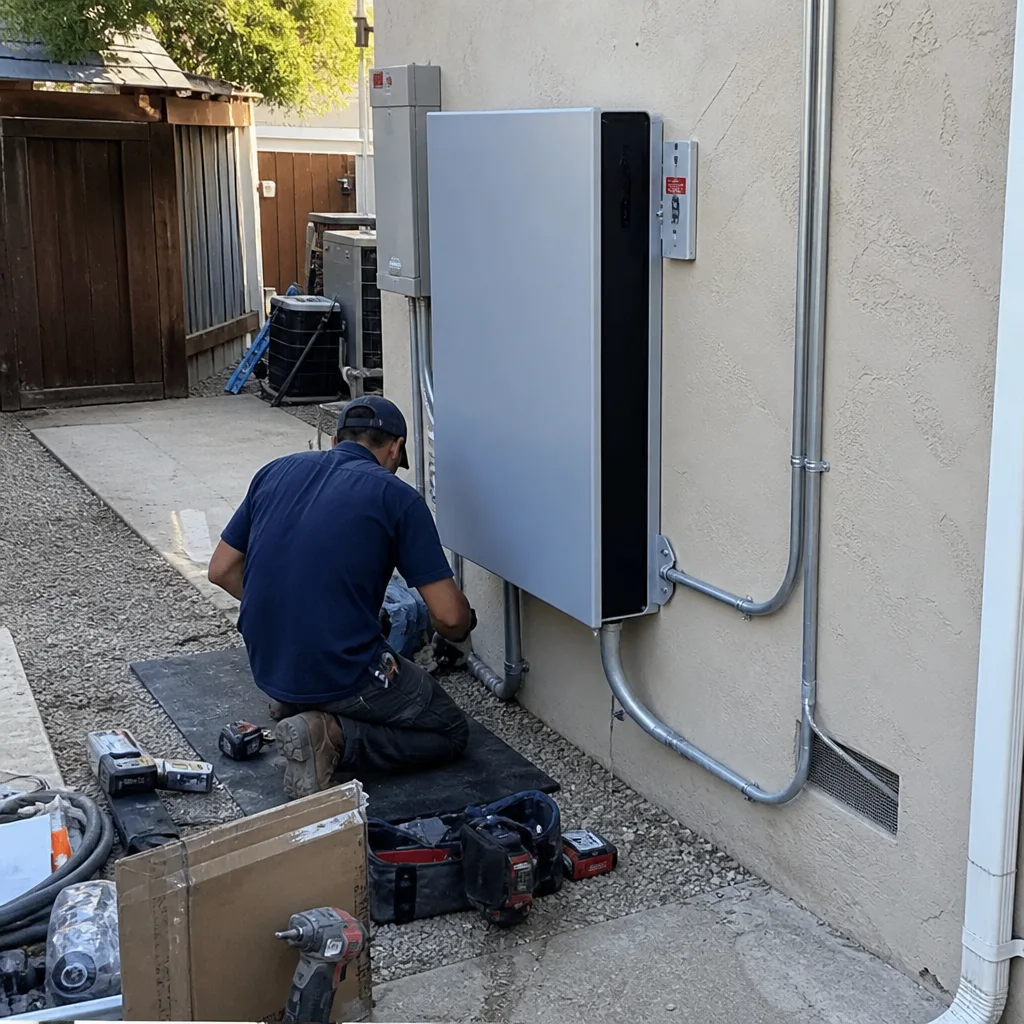 After
AfterReplacement Cost & What’s Included
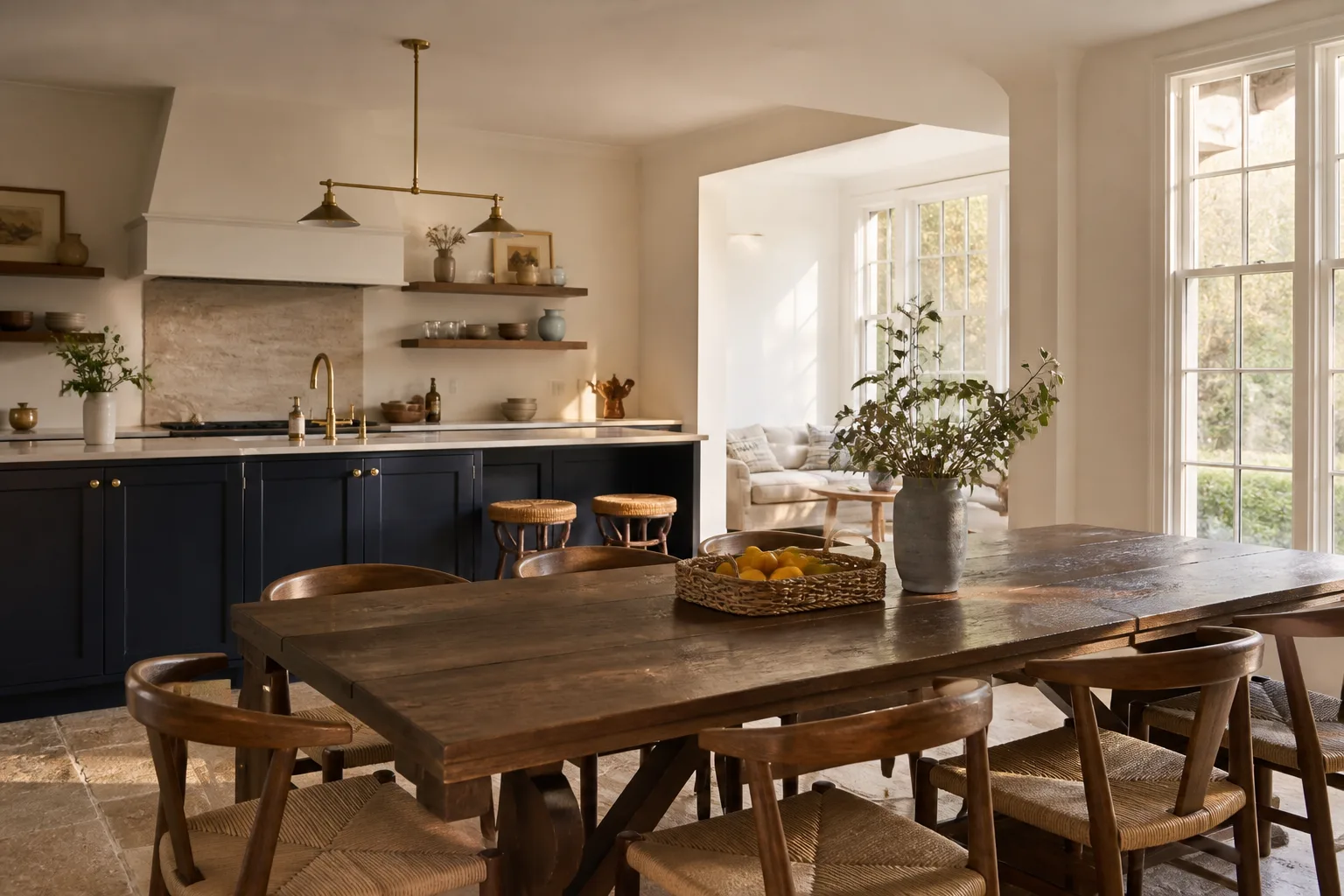
For a full CGI kitchen remodel in Pasadena, you’re looking at $14,000 to $45,000 depending on scope. A small kitchen with stock CGI-compatible cabinets and laminate counters lands near the bottom. A larger kitchen with refaced or replaced cabinetry, stone countertops, and new hardware throughout climbs toward the top. Here’s how the pieces break down in this market:
- Small kitchen remodel: $9,000 – $20,000
- Full kitchen remodel: $14,000 – $45,000
- Cabinet installation only: $4,000 – $13,000
- Countertop installation: $2,000 – $6,500
- Backsplash: $800 – $2,500
- Kitchen island: $3,000 – $10,000
Every quote we write in Pasadena is a line-item price delivered before any work starts. That number is the number on the invoice. The 365-Day Done Right Promise covers the workmanship for a full year: if a hinge we installed fails, a drawer front we matched starts separating, or a cabinet box we set goes out of square, we come back and make it right at no charge. That’s not a warranty you have to register. It’s standing.
DIY or Call Us?
You can safely handle a few checks yourself. A loose door hinge that just needs the screw snugged down is fine to try. A drawer glide that’s crusted with old grease and dust can be pulled, wiped, and reinstalled. Cleaning soft-close tracks with a dry brush and compressed air sometimes brings a sluggish glide back to life. Those are five-minute jobs with no real risk.
What you shouldn’t do is drive longer screws into a stripped CGI side panel, apply construction adhesive inside a cabinet box to fix a separating drawer front, or attempt to re-skin a thermofoil door with contact paper from the home center. Those fixes fail, and they make the eventual professional repair more expensive because we have to undo the damage first. If the cabinet is wet, if the box is swollen, or if the hinge plate pulls out with the screw, that’s the line. Call us at (626) 657-5396 and we’ll tell you honestly whether it’s a repair or a replacement. The work tells you everything. You just have to know how to listen to it.
FAQs
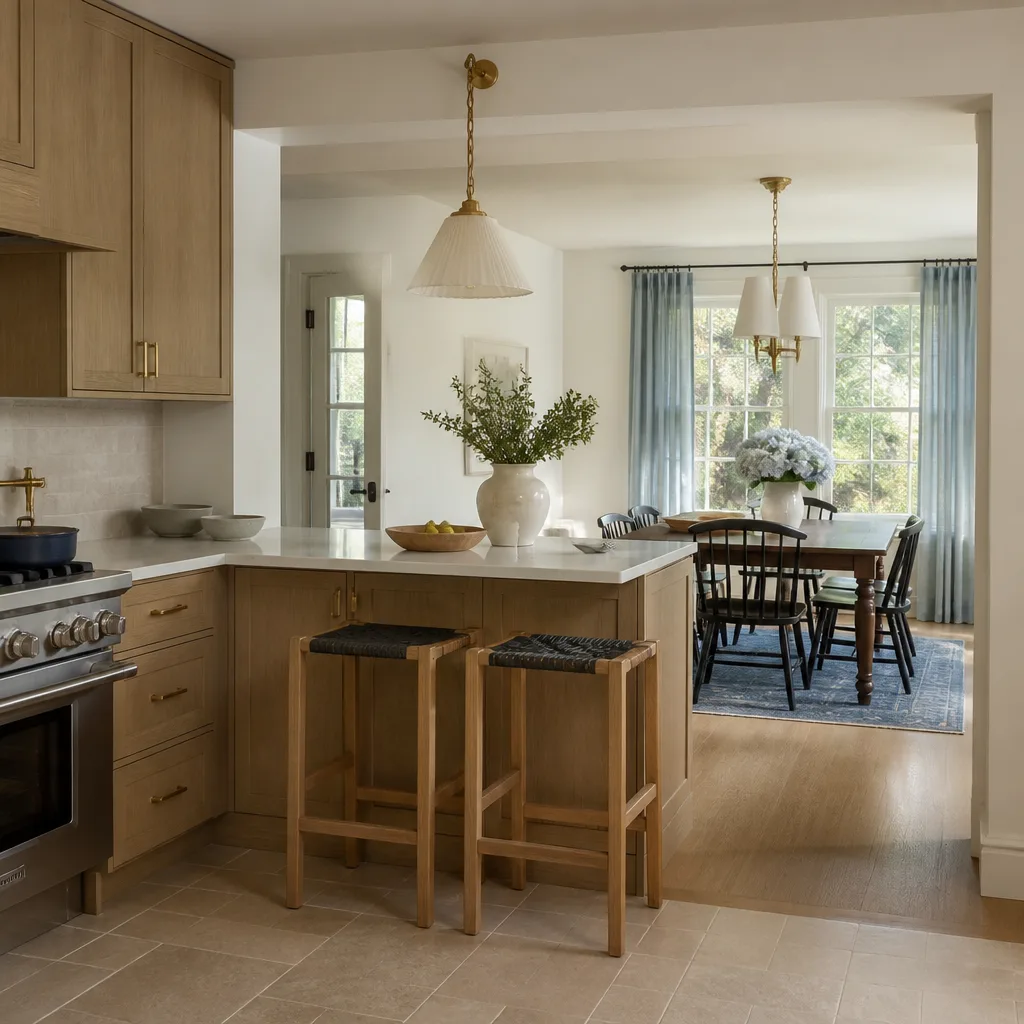
Expect 15 to 25 years of daily use from CGI cabinetry in a Pasadena kitchen, with hinges and drawer glides usually needing replacement at the 10-to-15-year mark. Our dry climate helps; the heat cycling near dishwashers and ranges and the occasional roof leak from older Pasadena homes are what shorten the life.
Yes, in most cases we can re-bond a door front, replace hinge plates, or remount drawers without replacing the entire cabinet, and that typically runs far under $1,000 per cabinet in Pasadena. The exception is thermofoil that has fully delaminated, where peeling can’t be reliably glued back down.
A single hinge or drawer glide swap takes under an hour on site. A full cabinet refacing or door replacement across a kitchen is usually a 2-to-5-day job depending on how many openings and whether we’re painting or matching a factory finish.
We carry 35mm and 26mm Blum hinge plates, Salice and Blum soft-close glides, and matching door bumpers as standard truck stock, so the most common Pasadena CGI failures are fixed same-visit. Full door and drawer front replacements are ordered matched to your specific line and finish, and we bring them to you as soon as they arrive.
Written by Luca Romano, Owner & Lead Contractor, Sawyer Remodel Pasadena at Sawyer Remodel Pasadena, serving Pasadena and nearby areas.